
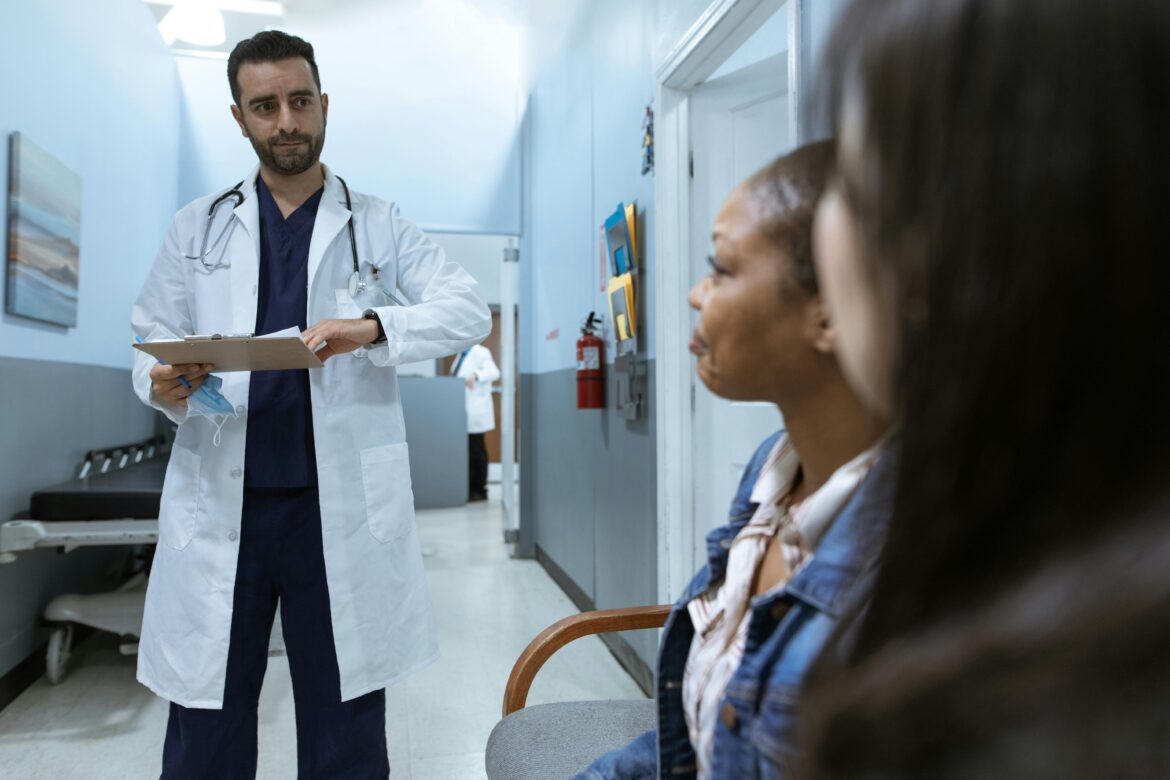
There are different types of Master of Science in Nursing (MSN) programs. Each of them comes with distinct specialization pathways. Basically, the goal is to prepare registered nurses for advanced practice roles across a variety of healthcare settings.
Essentially, these specialized tracks reflect the changing complexity of healthcare delivery. Also, the goal is to provide nursing excellence with focused expertise in particular domains. That is why each specialization deals with critical healthcare requirements.
Moreover, these programs also ensure that nurses are getting enough opportunities to expand their professional impact.
Therefore, read on to get a better idea of the different types of MSN programs.

Family Nurse Practitioner Specialization Program
It is one of the most comprehensive and versatile advanced practice nursing roles. Basically, it prepares nursing graduates to provide primary healthcare services.
The following are the major aspects of family nurse practitioner (FNP) specialization:
1. Diagnose Health Conditions and Diseases
Primarily, FNP programs develop sophisticated clinical decision-making capabilities. This way, they enable practitioners to diagnose and treat acute or chronic conditions. Meanwhile, the emphasis is more on health promotion and disease prevention strategies.
In this case, the goal is to deal with the critical shortage of primary care providers. In fact, the shortage is more in underserved rural and urban communities.
2. Develop Treatment Plans
The following are the major aspects of the FNP curriculum:
a) Advanced pathophysiology
b) Pharmacology
c) Physical assessment skills
Essentially, these form the foundation for independent clinical practice. Apart from that, these programs enable students to interpret diagnostic tests and prescribe medications. Also, nurses must be able to develop comprehensive treatment plans for immediate and long-term physical wellness.
3. Provide Continuity of Care
Continuity of care relationships is one of the most important aspects of FNP training. The following are the goals of continuity of care for nursing training:
a) To distinguish family practice from episodic acute care interventions.
b) To establish therapeutic relationships with patients and families.
c) Provide ongoing health management that adapts to changing requirements with time.
What Is the Scope of FNP Programs?
Nowadays, healthcare systems are recognizing the quality and cost-effectiveness of nurse practitioner-delivered care.
Basically, FNPs provide primary care in the following areas:
- Family medicine offices
- Community health centers
- Retail clinics
- Urgent care facilities
In those cases, they serve as primary care providers for entire patient panels. Also, their advanced training positions them as ideal leaders for population health initiatives.
Nurse Educator Specialization Program

Essentially, the goal of this program is to prevent the critical shortage of qualified nursing faculty. Also, the objective is to prepare an adequate number of new nurses for an aging population.
The following are the major aspects of a Nurse Educator specialization program:
1. Develop Nursing Education Programs
This specialization combines advanced clinical knowledge with sophisticated pedagogical skills. Basically, it prepares graduates to design and implement nursing education programs. In those cases, the goal is to produce competent, compassionate, and critically thinking nurses.
Apart from that, nurse educators play essential roles in both academic institutions and healthcare organizations. Their job is to develop and deliver educational programs for improving nursing professional competency and patient safety.
2. Educate Through Diverse Learning Styles
With curriculum development, students comprehend the following:
a) Learning theories
b) Instructional design principles
c) Assessment methodologies
In those cases, the goal is to develop an engaging learning experience. Also, they accommodate diverse learning styles.
3. Ensuring the Evolution of Nursing Education
At the outset, the role of the nurse educator goes beyond traditional classroom instruction. In this case, educators try to encompass research activities that advance nursing education science.
Apart from that, they also conduct studies examining teaching effectiveness and student learning outcomes. This way, they develop innovative instructional approaches that improve the quality of nursing education. Basically, the goal is to evolve nursing training with the changing times.
Why Nursing Educators Are in High Demand?
Interestingly, many professionals pursuing a masters degree in nursing online choose the educator track. This way, they maintain their current clinical positions while developing teaching competencies.
Also, experienced nurses utilize this flexibility to transition into educator roles. Meanwhile, they do not have to interrupt their clinical practice. Thereby, they bring valuable real-world experience into academic settings.
Nurse Leader Specialization Program

Essentially, the Nurse Leader specialization prepares graduates for executive-level positions within healthcare organizations. The following are the major aspects of a nurse leader specialization program:
1. Managing Nursing Processes
This program combines advanced clinical knowledge with the following skills:
a) Business acumen
b) Strategic planning capabilities
c) Change management expertise
This way, nursing graduates learn how to bring in organizational transformation and improvement initiatives.
2. Improve Nursing Performance
The following are the major subjects of the nursing leadership curriculum:
- Organizational behavior
- Financial management
- Quality improvement methodologies
- Strategic planning processes
- Organizational performance
- Identification of improvement opportunities
- Implementing sustainable changes.
3. Dealing with Human Resources
Obviously, human resource management is a critical component of nurse leader preparation. This is because these professionals have to manage large nursing departments. Also, there are diverse staffing requirements.
Hence, the students learn the following aspects of HR management:
- Recruitment and retention strategies
- Performance management systems
- Professional development approaches.
4. Carry on Organizational Changes
The nurse leader program also helps graduates identify the interconnected nature of healthcare delivery. This way, they learn how changes in one area of the organization impact other departments and patient care.
As a result, this helps them with information when implementing quality improvement initiatives or cost reduction strategies.
5. Dealing with Finances
Another important aspect of nursing leadership is Financial stewardship. This is because healthcare organizations face mounting pressure to control costs. Meanwhile, they have to maintain healthcare quality standards.
Hence, the program equips nurse leaders with the following skills:
- Budget development
- Resource allocation
- Financial analysis
- Make data-driven decisions
- Staffing
- Equipment purchases
- Program development.
6. Working on Improving Nursing Quality
Finally, nurse leaders also have to design and implement comprehensive quality improvement programs. This way, they try to deal with the following situations:
- Infection prevention
- Medication safety
- Fall prevention
- Other critical patient safety concerns.
Choose Your Specialization Now!
It is evident from the above information that every MSN specialization deals with distinct healthcare requirements. Basically, the goal is to provide graduates with opportunities to take their nursing career to the next level.
Hence, if you are confused about which one to choose, try to determine your individual career goal. In this case, focus on your long-term interests. This way, you will be able to determine where you would want to steer your career.
Written by media@blogmanagement.io