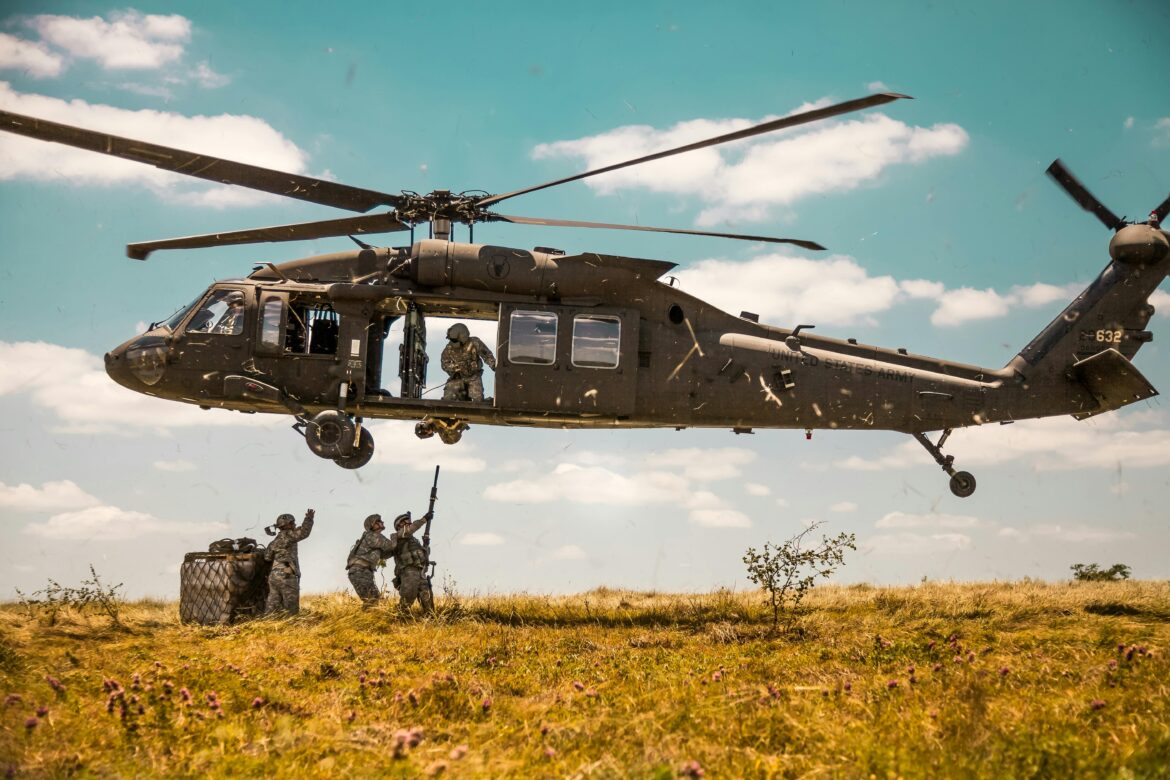
The human body faces its maximum stress during military training programs. The combination of extended running with weighted backpacks and challenging obstacles and weightlifting exercises creates such intense demands that they frequently result in injuries to even the most capable trainees. The standard recovery techniques of ice treatment and physical therapy and rest provide some benefits yet they fail to deliver the quick and enduring results which military personnel and athletes require. The modern medical field of regenerative medicine provides a contemporary solution which enables the body to heal itself more efficiently.
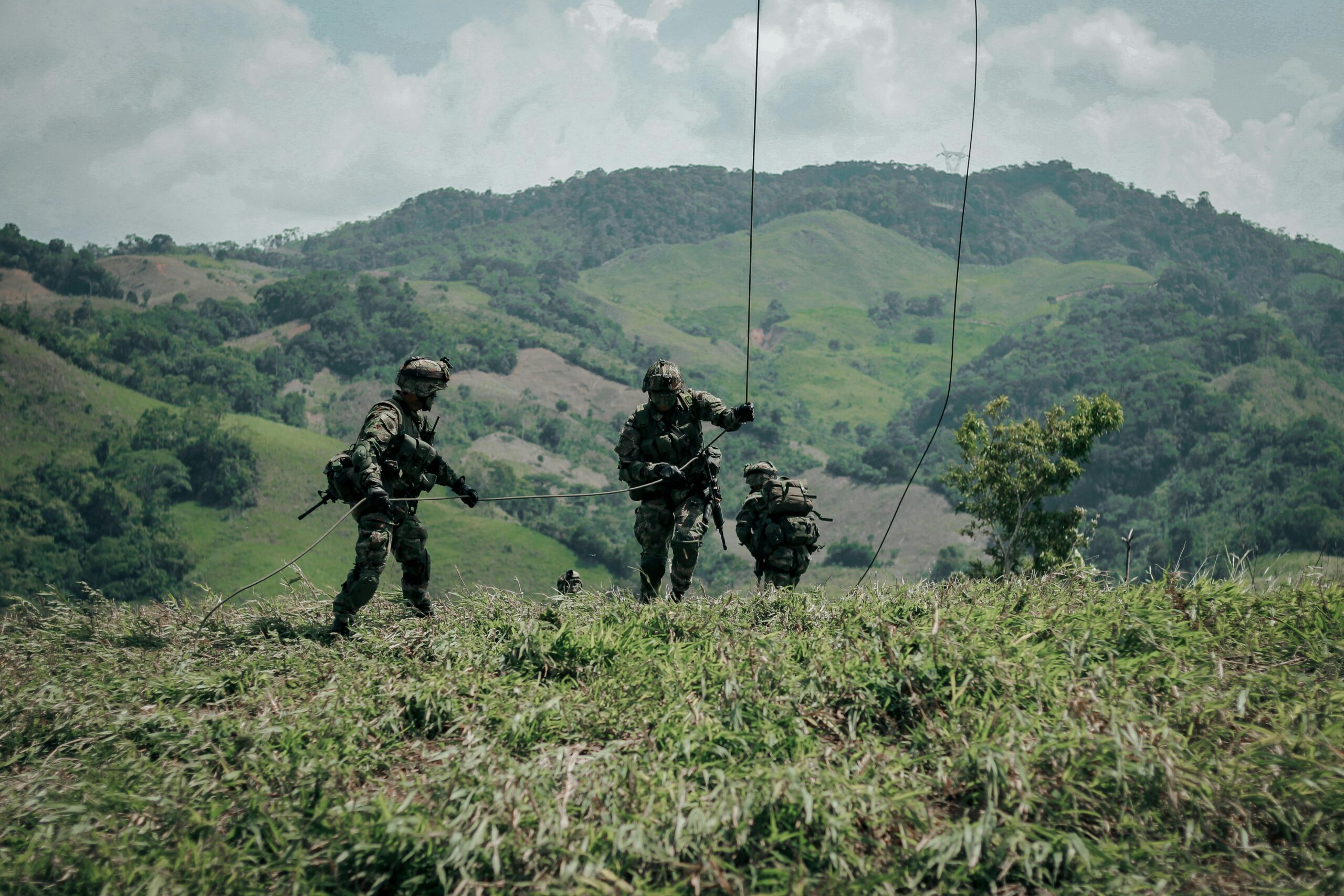
The path to military training success includes regular encounters with pain and injuries for numerous trainees. The three most prevalent injuries affecting military fitness trainees include lower back strain and knee problems and shoulder-related issues. The need for back pain treatment in Lyndhurst has increased because athletes want to maintain their training goals while recovering from injuries. Regenerative treatments now provide soldiers with a method to build enduring strength while continuing their military duties.
Why Military Training Pushes the Body So Hard
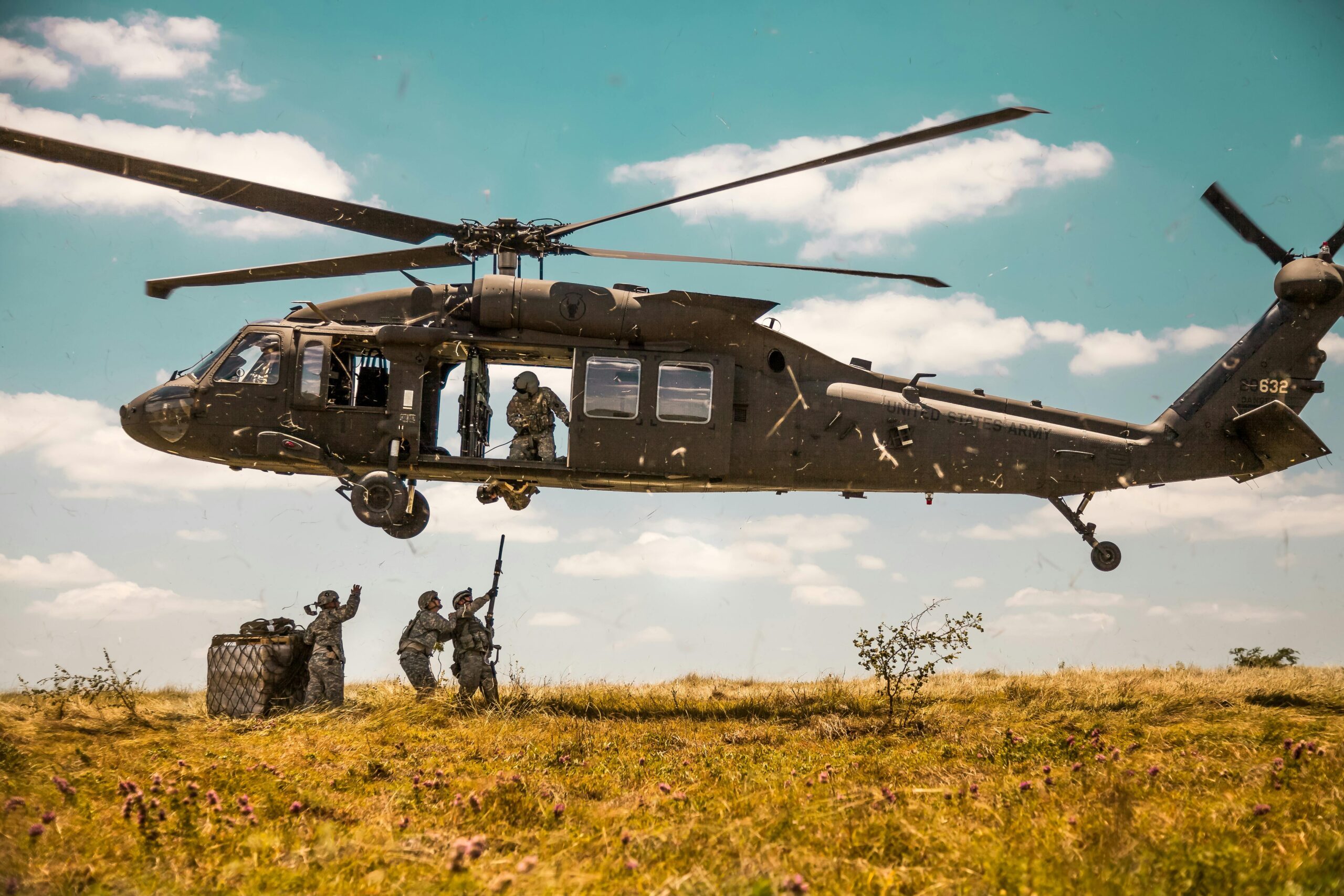
Military fitness routines are built to prepare individuals for the toughest conditions. Recruits perform endless repetitions of core movements like push-ups, squats, and pull-ups, combined with endurance runs and heavy pack marches. These exercises build strength and discipline, but they also take a toll on joints, muscles, and connective tissue.
Overuse injuries are a major challenge. Stress fractures, tendonitis, and lower back pain often appear during periods of high-volume training. In a military setting, time off isn’t always an option, which means soldiers risk worsening their injuries just to keep up. This is where advanced recovery tools become essential.
Bridging the Gap Between Training and Recovery
The real advantage of regenerative medicine is how it bridges the gap between pushing hard in training and giving the body enough recovery to keep going. Traditional recovery tools still matter—stretching, hydration, and rest days are vital—but regenerative therapies add another layer of support.
Think of it as a tactical advantage. Just as soldiers use advanced gear to perform better in the field, regenerative medicine acts as upgraded equipment for the body itself. It gives military trainees, athletes, and even everyday fitness enthusiasts an edge when dealing with injury.
Written by media@blogmanagement.io