
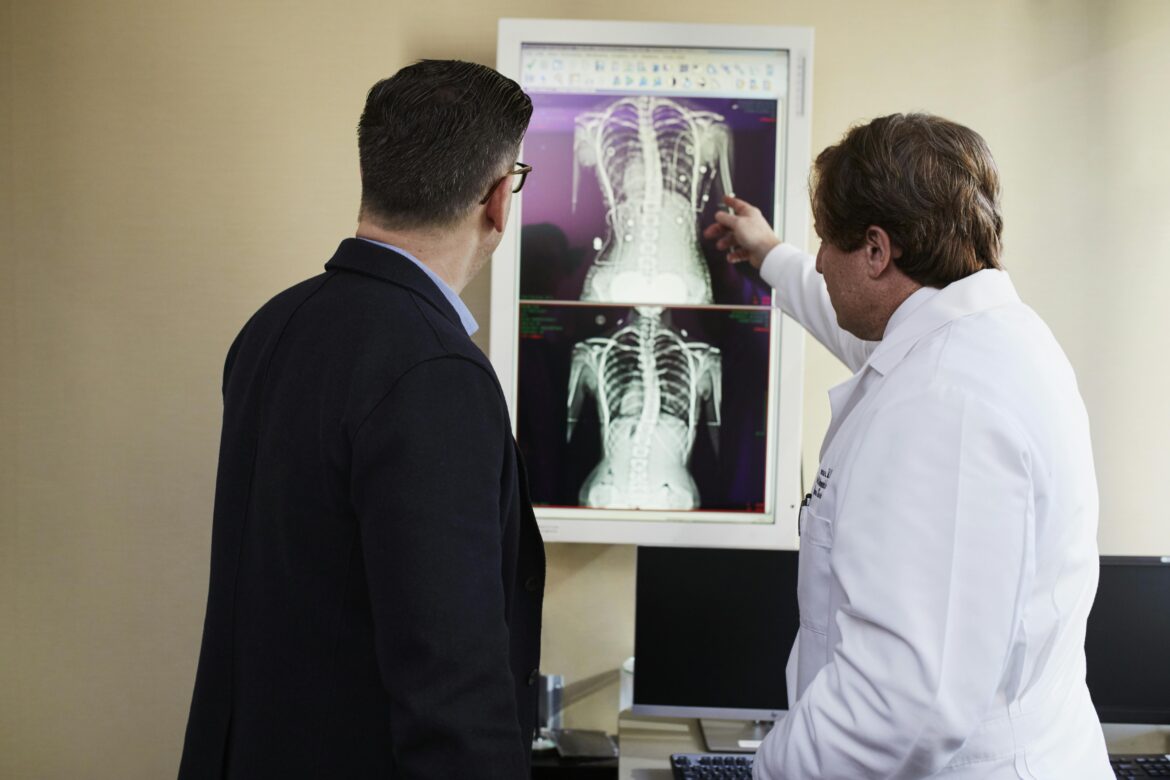
In general, urgent care centers have the capability to perform X-ray services, which can be very helpful in the prompt evaluation of various kinds of injuries and diseases. These establishments are the closest and most comfortable solution to the hospital for those non-life-threatening situations that require immediate medical attention.
Usually, urgent care facilities can perform different types of X-rays such as chest, bone, hand, wrist, foot, ankle, and abdominal imaging to aid in the diagnosis of fractures, pneumonia, intestinal blockages, and the like. Nevertheless, some urgent care centers are not equipped with X-ray machines, so it is advisable for patients to make a phone call in advance to check the availability of such services before their visit.

Chest X-rays for diagnosing pneumonia and respiratory conditions
Chest X-rays are usually what doctors rely on first to locate pneumonia as well as other lung issues in an urgent care center. These pictures made by the X-ray clearly show the lungs, heart, and the rest of the chest cavity.
On X-rays, pneumonia is depicted as white patches or cloudy areas in the lungs. These spots indicate that fluid and inflammation have accumulated in the lungs due to infection.
Seriously many patients wonder does urgent care do X-rays for respiratory symptoms. Most urgent care centers have the provision for chest X-rays in their diagnostic services.
Usually through chest X-rays doctors confirm their suspicion about patients with symptoms such as a continuous cough, chest pain, fever, and shortness of breath. The procedure is very quick, usually done within a few minutes.
The findings from the chest X-ray help the doctors see what is causing the symptoms to be pneumonia or some other illnesses. They can, for instance, exclude the possibility of a pneumothorax or cardiac tamponade.
Besides that, pictures display whether the infection is only in one lung or both. With this data, doctors can determine the most suitable treatment regimen for the exact nature of each patient’s illness.
Bone X-rays to detect fractures and dislocations
In short, X-rays are the first and main diagnostic tool that doctors use to identify broken bones and joint injuries in urgent care centers. This imaging technique makes it very easy for doctors to see the bone damage inside the body.
The X-ray method is all about radiation exposure to a very small extent. This results in very clear images of bones and joints that can be viewed either on a screen or on a physical copy.
By far, most fractures and dislocations can be identified by doctors through the X-ray images they take. Nevertheless, there might be some cases in which the injuries are very slight and in such a manner that they cannot be detected at the first examination.
It is great when using X-rays to diagnose different types of bone breaks. Among these are simple fractures resulting from falls and complicated fractures resulting from accidents.
The use of such an instrument enables doctors to pinpoint not only the exact location of the injury but also the degree of the damage in the bone. Treatment is then tailored according to this information and patients get the kind of care that is right for them.
X-rays are not able to demonstrate the condition of the soft tissues such as muscles that have been overstretched or ligaments that have been torn. Hence, if such a case is suspected, doctors will issue a referral for further examination.
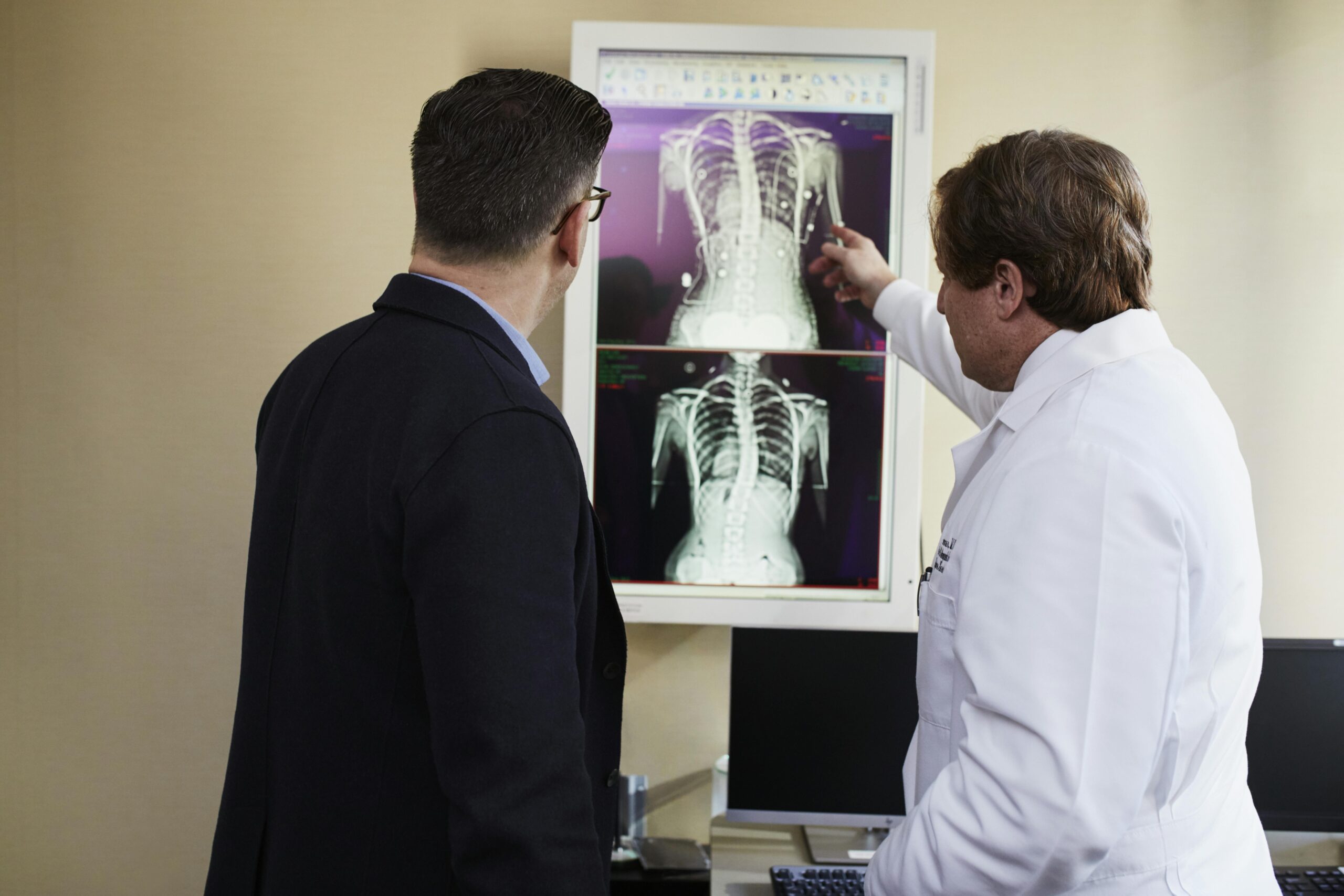
Hand and wrist X-rays for evaluating sprains and injuries
One of the most frequent reasons to see urgent care is hand or wrist injuries. Usually, doctors order an X-ray as the first imaging test. X-rays are best at showing the bones, breaking, and joint areas. Nevertheless, they cannot directly show sprains as sprains are related to soft tissues such as ligaments. Hence, physicians take X-rays to exclude broken bones.
Most standard X-ray images of the hand and wrist give sufficient information to decide on the treatment of trauma. The pictures are helpful in trying to figure out if the pain is due to a fracture or soft tissue damage. Certain fractures in the wrist and hand may not be obvious on X-rays immediately. For instance, a scaphoid fracture and some breaks in the wrist bones may not be visible on the first images.
Hand and wrist X-rays are commonly done at urgent care centers to quickly and efficiently diagnose the problem. The test is a decision-making tool for the doctors in determining whether the patients require immediate treatment or can wait for a follow-up care with specialists.
Foot and ankle X-rays to assess breaks and soft tissue damage
Foot and ankle X-rays are one of the primary methods doctors use to figure out what went wrong in a recent sports injury or a fall that happened during the daily routine. They quickly diagnose fractures, bone chips, and joint problems.
While X-rays provide an obvious picture of the bones, they have their limitations when it comes to damage to the soft tissues. The doctors can only find a few soft tissue injuries, while muscle or tendon problems may not be implied in the pictures. Though, there are indications on the X-ray films through which doctors can infer that the Achilles tendon may be torn.
These tests also lead to arthritis diagnosis when they show joint spaces that are very narrow and bone spurs. The pictures are a source of information about foot problems like bunions and flat feet, as well.
There are some injuries which are not easily detectable in X-rays. For instance, tiny fractures around the ankle bones can be overlooked. To have a better insight into the extent of soft tissue injuries, physicians might have to resort to other tests such as MRI scans.
The whole thing doesn’t take long and is without any discomfort. The technician places the foot on a table and takes pictures from different angles so he can have a complete view of the bones and joints.

Abdominal X-rays for identifying intestinal blockages or foreign objects
Abdominal X-rays are a great initial method to locate intestinal blockages and foreign objects in the digestive tract. These quick examinations allow the medical team to know what is going on inside the abdomen without surgery.
In the case of intestinal blockages, X-rays can indicate the presence of gas and liquid that accumulates due to the blockage. Nevertheless, these pictures may not always reveal the obstruction clearly. Hence, physicians sometimes have to use CT scans to be certain.
Moreover, the X-rays are especially effective in revealing the ingested foreign bodies of which the metal parts like coins are easily visible in the pictures. As a result, doctors obtain clear evidence on whether surgical removal of the object is necessary or if it can be discarded naturally.
Mostly, kids undergo these X-rays after swallowing small toys or other objects. The procedure expedites the locating of the device in the digestive tract.
Due to a small dose of radiation, abdominal X-rays are safe for the majority of patients. The medical professionals think that the advantages outweigh the diminutive risks. The results are instrumental in giving doctors the ability to quickly decide on treatment options.
Conclusion
Different types of X-rays can be done at urgent care centers such as chest, bone, abdominal, and spine films. These places are a comfortable and convenient solution, a kind of a bridge between primary care offices and emergency rooms, for non-life-threatening conditions.
Usually, most urgent care centers are equipped with on-site X-ray machines and can perform X-rays within a short period. Patients, however, are advised to call the facility first to ensure that their location offers X-ray services.
Combining these factors: no need for an appointment, longer working hours, and immediate results makes urgent care a great choice for many diagnostic needs. Patients in this way receive correct diagnosis and treatment which they can expect to do without the long waiting times of emergency departments.
Written by sona@bensnaturalhealth.com

