
Each child follows their own timeline when it comes to physical development. Children develop speech skills at different rates because some start speaking clearly and confidently early while others need more time to master sounds and word usage and physical coordination. Children need to participate in speech-based activities together with movement-based activities to develop their communication abilities and enhance their self-assurance in physical activities. The development of these skills happens naturally through regular daily activities that include casual play and conversations and physical movement which establish fundamental learning abilities and communication skills.
Daily speech practice stands as the fundamental method to develop communication skills.
Children begin their speech development journey before they learn to form entire sentences. Children develop their language abilities through the way parents and caregivers interact with them through speech and listening and response. Children acquire rhythm and word meaning and tone through their regular interactions with others through songs and stories and everyday dialogues.
Effective language activity for speech therapy include repetition exercises and listening activities and play-based interventions. Children develop pattern recognition through activities that include singing nursery rhymes and reading picture books and identifying household items by name. The introduction of vocabulary occurs through statements like “Let’s find the red cup” and “The cat is sleeping” which maintain a natural and interesting tone. For families who need more support, choosing a great speech pathologist can also make a real difference.
Students can better grasp their material through interactive reading approaches which maintain their concentration. Parents need to interrupt their children occasionally to ask them simple questions about their surroundings like “What do you see?”The children ask “What is it?” and “Who is jumping?” to help the child think and answer and use new vocabulary. The exchange between readers and texts through these interactions creates a dialogue which enhances their reading comprehension and memory retention.
Even gestures can help bridge early communication gaps. Toddlers use body language to express their needs by waving their hands or pointing before they learn to speak actual words. People achieve better mutual understanding through the combination of body language with spoken communication which minimizes the risk of misinterpretations.
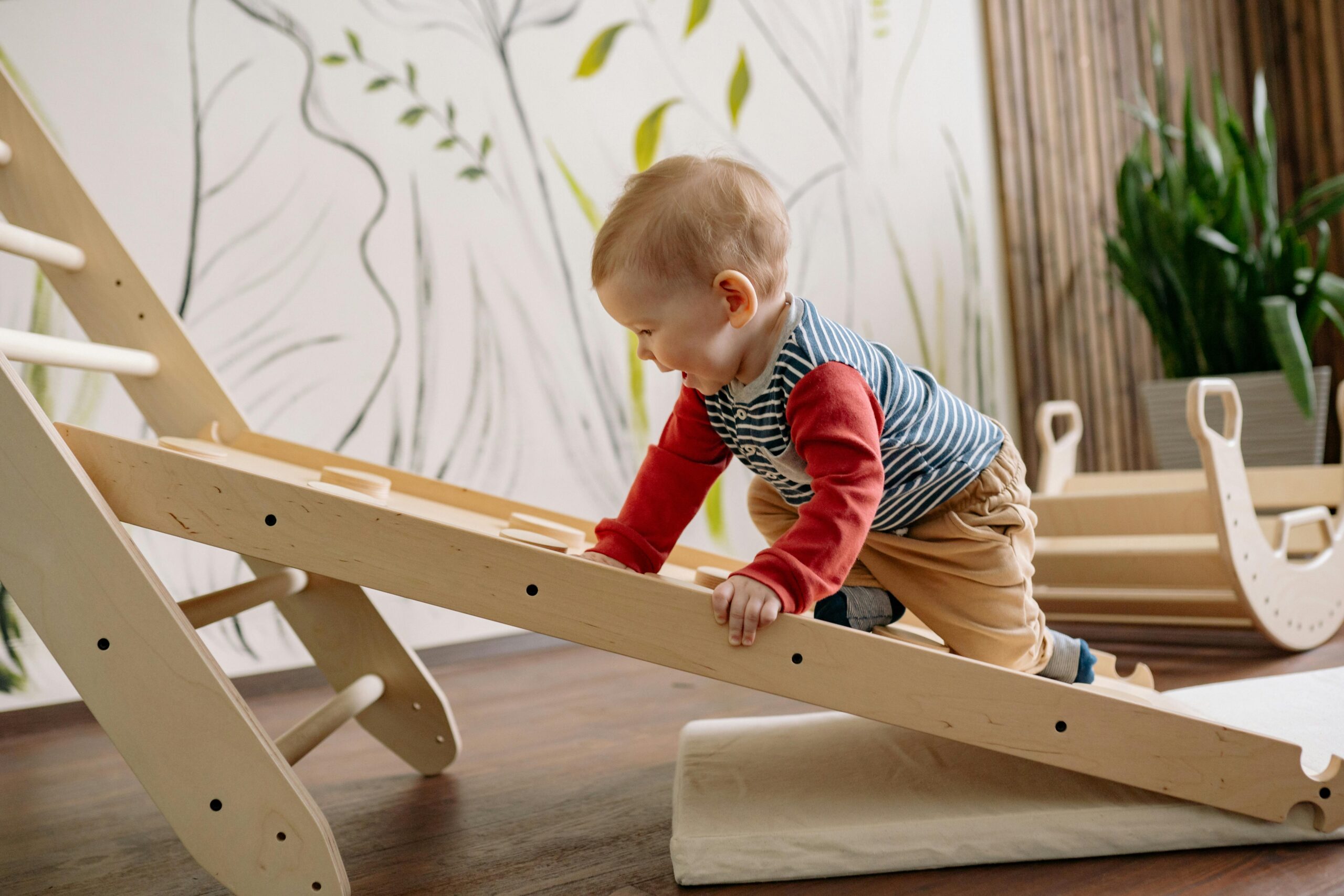
Active play serves as an effective method to enhance gross motor abilities in children.
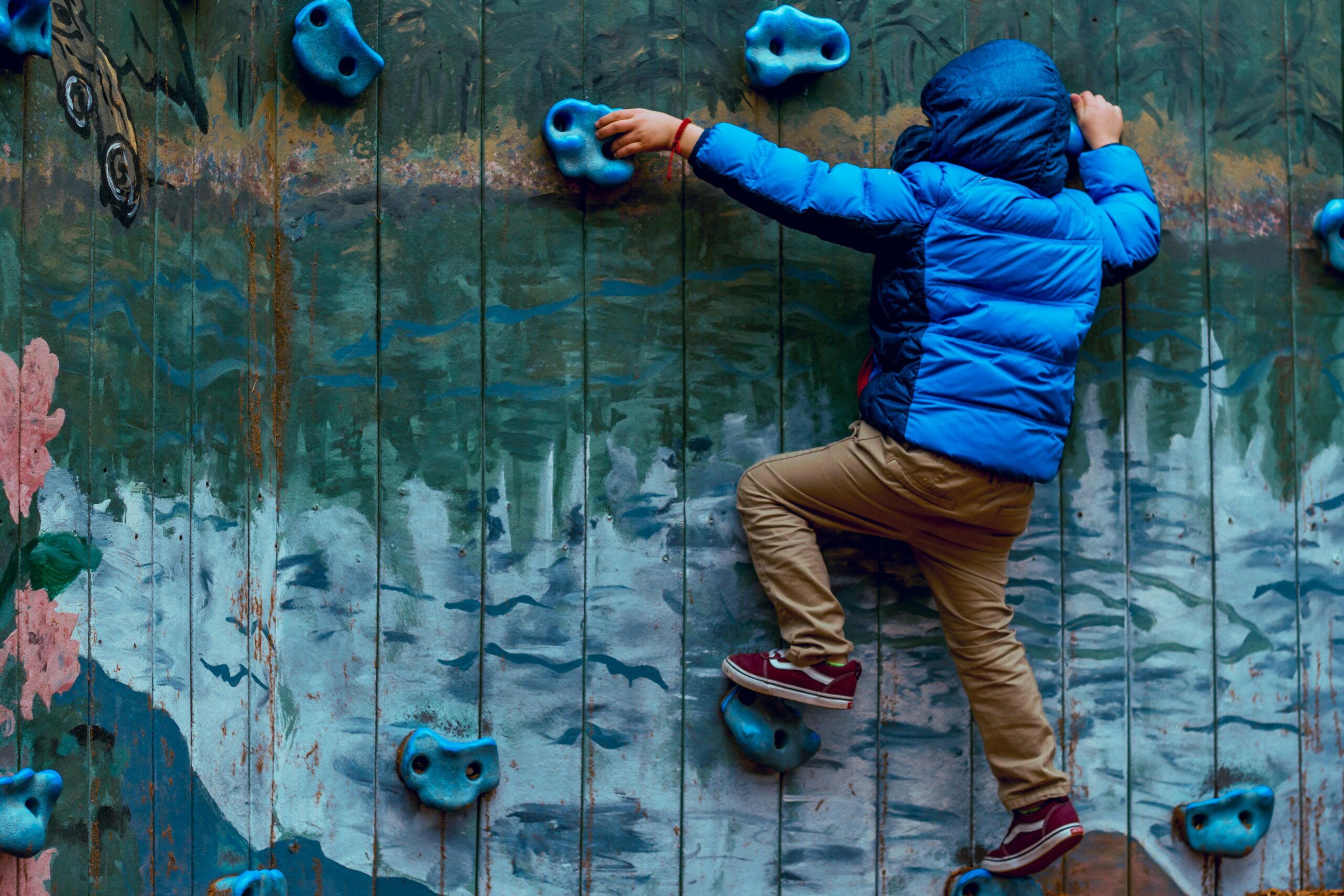
Physical activities help children develop their balance and coordination while speech practice enables them to improve their communication skills. Through physical activity children develop body awareness and acquire the strength needed to accomplish daily activities starting with maintaining posture at schoolwork and progressing to running and social play.
Simple, play-based exercises are highly effective for this stage. Obstacle courses help children develop their stability by requiring them to perform actions like crawling and jumping and balancing which work their large muscle groups. According to this website, obstacle courses can benefit children by enhancing motor control, focus, and confidence. You can easily create these obstacles at home by using soft cushions and tape lines and tunnels made from blankets.
The traditional games of hopscotch and catch serve as essential components of the activity. The game of Hopscotch strengthens legs and improves balance through continuous hopping motions and ball catching and throwing activities enhance hand-eye coordination and timing skills. The games develop coordination between body parts and enhance physical timing abilities which help students develop their attention and language skills.
Animal walks form an individual set of enjoyable physical exercises. The “bear crawl” exercise targets the muscles of the arms and shoulders while the “crab walk” works the core and leg muscles. Children like to pretend they are animals while playing which makes physical activity seem like a fun adventure instead of work.
Connecting Movement and Language
Speech and physical activities work best when they’re combined. Children achieve better learning results through sensory engagement that combines listening with movement and immediate responses. The brain activates distinct areas when speech combines with movement which enhances the neural pathway between sound signals and body movements.
For example, parents can ask children to name the object they’re picking up during a game, or describe what they’re doing while drawing or building with blocks.
Children can improve their listening skills and timing abilities through singing songs that include hand gestures and clapping patterns. The natural exchange of words between children helps them develop better coordination skills and vocabulary while improving their ability to concentrate.
Children can control their attention levels and their energy output through the connection between movement and speech. Rhythmic play activities that involve marching to songs or tapping beats or jumping to syllables help students improve their mood and motivation which transforms practice sessions from structured work to enjoyable activities.
Consistency, Play, and Progress
The main elements for both speech and movement training include maintaining consistency and providing positive encouragement. Short, frequent sessions tend to be more effective than long, occasional ones. Parents should dedicate short periods of time daily to share reading stories and singing rhymes and playing movement games with their children.
Every advancement in development generates value for the world.
Children display their ability to focus and coordinate and build confidence through their word learning and fundamental balancing skills. Student motivation stays strong because the school maintains recognition of their achievements at every stage of their academic journey.
A child requires professional evaluation because they face ongoing difficulties with speech development and motor coordination.
Speech-language pathologists together with occupational or physical therapists create individualized activities which enable them to monitor child development progress. The program provides guidance which helps parents to adapt home-based practice activities to the specific needs and developmental levels of their children.

Conclusion
The main objective of speech and movement activities is to support children’s development and growth. Children learn to express themselves and develop movement confidence through activities that include songs and storytelling and obstacle courses and everyday play. The main approach needs to create educational activities that provide happiness by offering ongoing development and accessible support.
The information serves educational purposes but people need to consult licensed therapists for professional guidance.
Written by marialiveley@gmail.com