

Alcohol addiction exists as a major public health problem which affects millions of people together with their family members across the globe. The scientific understanding of alcohol addiction enables people to identify its development process and find effective recovery methods. The article examines biological alcohol addiction processes and drinking behavior development and presents recovery solutions through rehabilitation treatment.

The Biological Mechanisms of Alcohol Addiction
The core elements of alcohol addiction exist as multiple connected elements which unite biological aspects with psychological factors and social elements. The brain starts to process alcohol through blood circulation which leads to changes in neurotransmitters that affect neuron communication. The brain depends on dopamine as its primary neurotransmitter which people refer to as the “feel-good” chemical.
The brain releases dopamine when people drink alcohol which produces pleasurable feelings that lead to euphoric experiences. The instant reward from drinking alcohol makes people want to drink again because it strengthens their drinking behavior. The brain develops new chemical pathways through repeated alcohol exposure which reduces its natural dopamine production. People need to drink more alcohol to experience the same pleasurable effects because their brains adapt to the substance which creates a pattern of rising alcohol consumption and physical dependence.
The National Health Service (NHS) indicates that 1.6 million British adults have developed alcohol dependence. The wide extent of this problem demands a full understanding of every factor which contributes to addiction development.
How We Get Hooked
People start their path to alcohol addiction through casual drinking at social events and stress relief and adolescent experimentation. The following elements increase a person’s chances of developing an addiction:
Genetics: Research shows that genetic elements determine how people develop alcohol dependence according to scientific studies. People who have family members with addiction problems become more likely to develop addiction problems themselves. The way people process alcohol and their reward response to drinking determines their addiction risk according to their genetic makeup.
Environmental Factors: People learn their drinking habits through the experiences they had during their childhood. The combination of early alcohol exposure and peer influence and cultural drinking norms increases the risk of developing an addiction.
Psychological Factors: People use alcohol to handle their mental health problems including depression and anxiety. People who drink alcohol to treat themselves will become dependent because alcohol provides short-term relief but makes their underlying problems worse.
Social Influences: People who drink with others in social situations might develop drinking habits as a regular practice. People who want to socialize or celebrate with others may view drinking as normal behavior which strengthens their drinking habit.
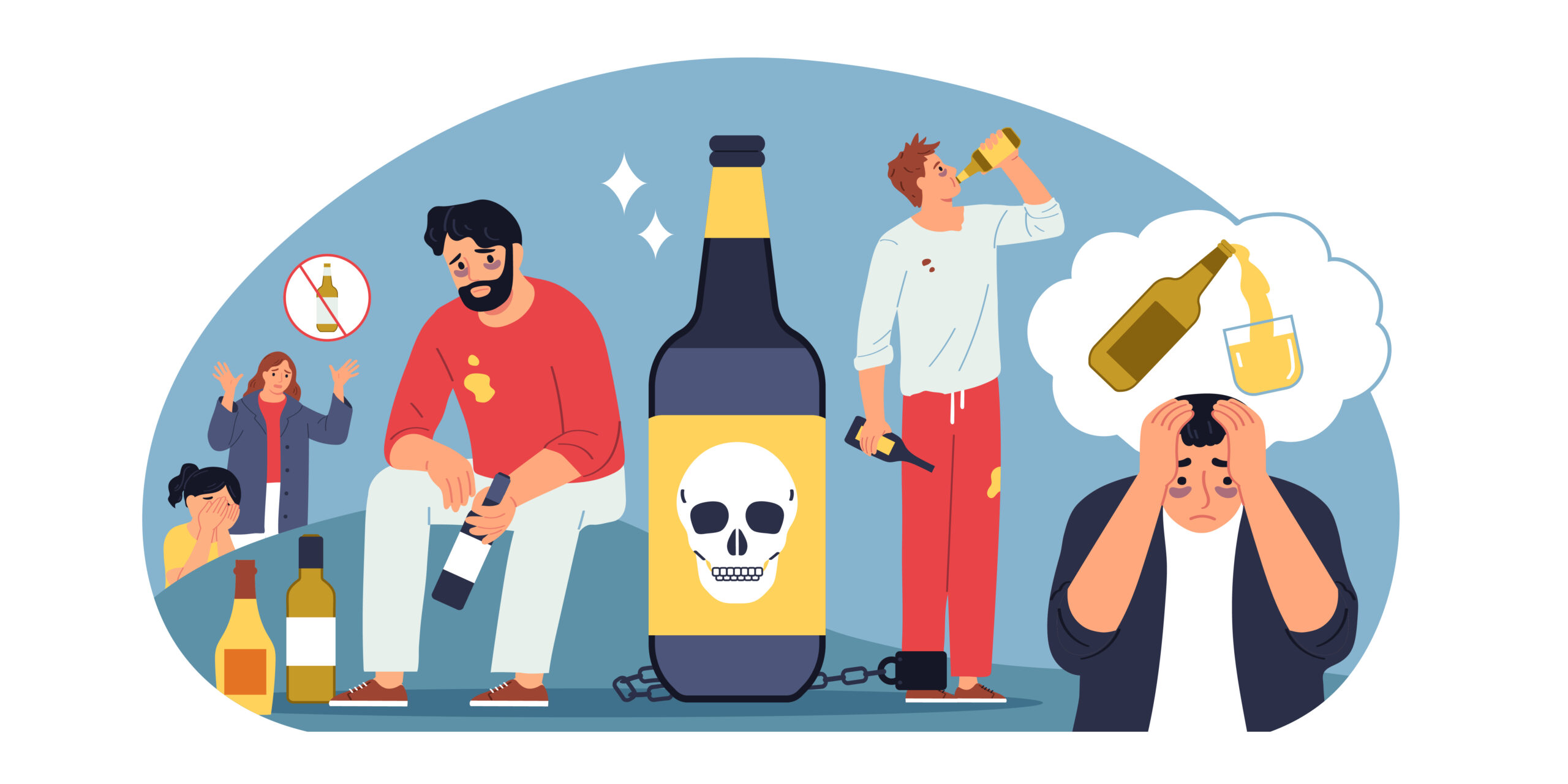
The Cycle of Addiction
People who develop addiction patterns face an extremely challenging process to overcome their addiction patterns. The human body requires increased alcohol consumption to achieve the same effects because it develops tolerance while withdrawal symptoms make stopping drinking seem out of reach. The continuous pattern of drinking results in multiple health problems which damage both personal well-being and social connections and daily life quality.
Solutions to Overcoming Alcohol Addiction
The first step toward recovery from alcohol addiction involves recognizing the problem but complete recovery needs multiple treatment approaches. The following solutions prove effective for recovery.
Seeking professional help: People who want to stop drinking need to begin their recovery process by obtaining assistance from trained medical experts. Alcohol rehabilitation centres deliver essential care to patients during their entire recovery process. The centers create personalized treatment plans which unite detoxification services with counseling and group therapy to assist patients in their addiction recovery.
Therapy and Support Groups: People who require addiction treatment can use therapy to manage their mental health problems. The “feel-good” chemical dopamine functions as a key element in addiction so cognitive-behavioral therapy (CBT) enables patients to change their drinking-related thoughts and actions. The support group Alcoholics Anonymous (AA) along with other support groups provide members with understanding peers who help them stay accountable during their recovery journey.
Lifestyle Changes: People who want to recover from addiction should adopt healthy daily habits to make their recovery process more manageable. People who want to recover from addiction need to eat a balanced diet while exercising regularly and learning stress management skills. People who practice mindfulness through meditation or yoga develop improved abilities to control their cravings and they experience lower anxiety levels.
Building a Support Network: People who want to recover from addiction need to create supportive bonds with their friends and family members. People who receive support from their network will maintain their motivation and receive help and motivation during their recovery journey.
Education and Awareness: People who learn about alcohol effects and addiction science develop the ability to make better decisions about their drinking behavior. People who understand the risks of alcohol consumption will select better drinking patterns.

Final Thoughts
Multiple biological and psychological and social elements contribute to the development of alcohol addiction. People who grasp the development process of alcohol addiction will find better ways to get help while working toward their recovery. The recovery process for people with addiction receives essential support through rehabilitation clinics which offer necessary resources for life transformation. The correct treatment methods enable people to defeat their alcohol addiction which leads to a better life with improved health and happiness.
Written by media@blogmanagement.io

