

The uterus develops noncancer-free growths which doctors refer to as fibroids. The non-cancerous growths known as fibroids tend to appear during the reproductive years of women. Medical professionals identify two types of fibroids which exist without symptoms and those which create severe pain. Patients who understand their treatment options will better follow their medical advice.
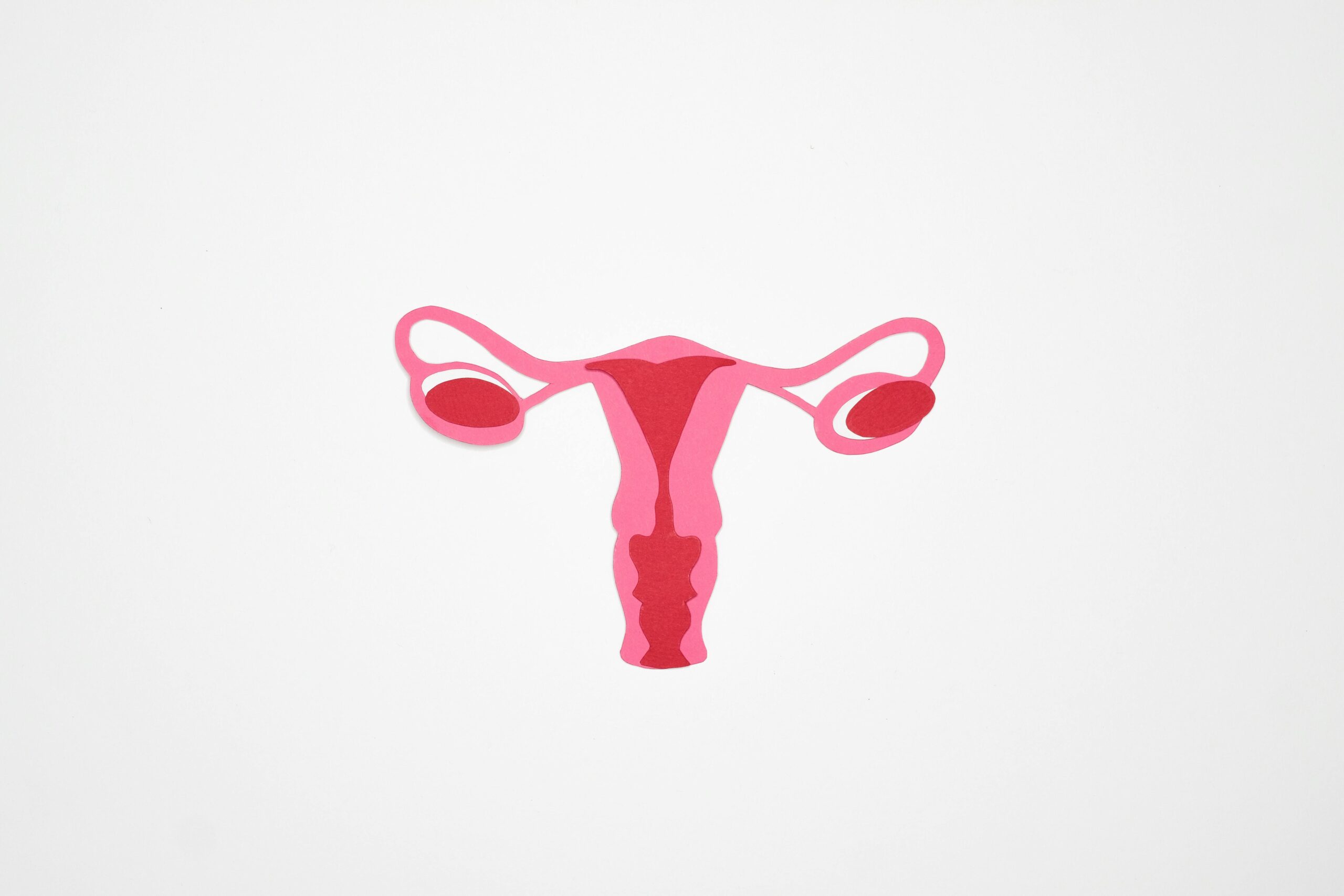
Understanding Uterine Fibroids
Fibroids may be the size of a pea or as large as a melon. Their growth is often influenced by hormones, especially estrogen, which is the female sex hormone. Symptoms including heavy periods, pelvic pain, or urinary frequency affect many people. While not all fibroids need to be treated, symptoms can often be severe enough to make people seek advice from doctors. Exploring options for uterine fibroid treatment in El Paso can significantly help patients living nearby find effective solutions.
Common Symptoms and Diagnosis
The symptoms that appear depend on both the number of fibroids and their location within the body. The main symptoms include extended menstrual periods and heavy bleeding and pelvic discomfort and pressure sensations. The fibroid growth in the bladder leads patients to make additional trips to the bathroom. The pelvic examination serves as the initial diagnostic procedure. Medical professionals use ultrasound imaging and magnetic resonance imaging to determine the size and presence of fibroids. Early detection of fibroids enables doctors to start treatment which protects patients from developing additional complications.
Factors Influencing Treatment Choices
The selection of treatment depends on multiple factors which include patient age and medical history and fibroid dimensions and quantity and their exact location. The selection of treatment depends on three main factors which include patient age and general health status and the severity of symptoms and plans for future pregnancy. The size of fibroids together with their total number determines the treatment approach. Patients need to stay in touch with their healthcare providers to find out which treatment methods work best for them.

Non-Surgical Treatment Options
Some patients find comfort in using medication as their treatment option. The treatment of fibroids through hormonal therapy leads to two possible effects: it reduces bleeding and it causes fibroids to shrink. The treatment of fibroid symptoms includes two hormone-releasing devices and oral contraceptive pills. The treatment of pain through NSAIDs does not lead to fibroid growth expansion. The treatment of choice for patients with mild symptoms and those who need surgery in the near future.
Minimally Invasive Procedures
Minimally invasive procedures become available as treatment options for fibroids after medication fails to provide relief. The procedure of uterine artery embolization blocks blood supply to fibroids until they shrink. The procedure preserves the uterus while providing patients with a brief recovery period. Doctors use sound waves to treat fibroid-affected tissue for noninvasive procedures that benefit particular patients. The procedures enable patients to achieve faster recovery times than what traditional surgical approaches provide.
Surgical Treatments
In the worst situations, surgery is required. With myomectomy, the woman can potentially get pregnant because only the fibroids are removed, leaving the uterus intact. This can be done through the abdomen, vagina, or laparoscope. A hysterectomy, which is the surgical removal of the uterus, is the most definitive option that prevents the reoccurrence of fibroids. Surgery is generally only for people with very bad symptoms or large or numerous fiberoids.
Considerations for Future Fertility
Patients who want to save their fertility options need to discuss their treatment plan with their doctor. The preferred surgical method for people who want to have children is myomectomy. Medical treatments and noninvasive procedures help control symptoms but they do not protect reproductive abilities. The doctor needs to understand your family planning objectives because this information helps him create a treatment plan that suits your individual requirements.

Recovery and Aftercare
The duration of recovery depends on which treatment method healthcare providers used. Patients who get medications and noninvasive treatments will recover faster than patients who require surgical procedures. The recovery period for hysterectomy surgery and additional surgical procedures takes longer than what most patients anticipate. The doctor will arrange follow-up appointments to check patient recovery progress and identify any potential recurrence or complications. The doctor’s recommended treatment plan enables patients to achieve faster recovery while reducing their chances of developing complications.
Lifestyle Adjustments and Support
People who make particular changes to their daily activities will experience reduced fibroid symptoms. Regular exercise and proper weight management and healthy eating will lead to better overall health for a person. Patients need emotional support from the start of their treatment until they complete their recovery. People who ask for assistance from their support network and healthcare providers can obtain stress relief while getting helpful guidance during difficult times.
Conclusion
Uterine fibroids are common, but there are many different treatment options. The treatment options vary depending on the symptoms, preferences, and goals of reproductive life. Open dialogue with your providers guarantees that all individuals have access to the care most appropriate for them. Timely diagnosis and a positive approach help control symptoms and enhance the quality of life. Getting timely intervention and exploring all available options enables people to make informed choices about their health.
Written by diginerpro@gmail.com

