
A quiz can make a confident student look like they forgot how to read. Moments of clarity appear but disappear when a simple question arises. One moment, pride grows; the next, disbelief sets in, followed by frustration and then determination. This pattern doesn’t break; it just shifts.
It is memory doing its thing, because recall improves when the brain has to pull information out, not just glance at it. You already understand why systematic repetition is so effective, particularly when learning anatomy using materials that make recall a daily habit, if you have ever utilized an interactive quiz to evaluate where each muscle originates, where it inserts, and what it actually performs.

Why Repetition Benefits
When people see repetitive tasks, they often think it’s dull. Productive practice feels more like a feedback loop. A question appears, you answer, you miss, you correct, and you meet it again later. Each revisit forces retrieval, which is the mental equivalent of picking up a weight. Reading notes can feel comforting, but quizzing reveals what you can actually produce on demand.
A strong quiz also shines a light on gaps you did not know existed. Many learners polish what already feels familiar because it is pleasant. Quizzes refuse to play along. They drag weak spots into the open, which saves time and embarrassment later. That is why muscle quizzes work: they turn a vague sense of knowing into proof, and proof gives direction.
Once you are comfortable drilling anatomy concepts, you can apply the same repetition strategy to clinical certification prep by taking a free CCMA practice exam to identify weak areas, repeat targeted questions, and build test day confidence through consistent retrieval practice.
That kind of practice can feel repetitive on day three. The brain will complain, then comply. Treat the complaint as chatter, like a friend who hates leg day but still shows up.
Why wrong answers can be a gift
Wrong answers feel rude, as if the question is calling someone out. Yet that sting is useful. When a learner commits to an answer and then sees the correction, the brain updates the memory with urgency. Surprise sticks. So does the little thought of, seriously, how did that happen. The next time the concept appears, the memory has a handle to grab.
Avoiding mistakes slows everything down. Some learners skip harder questions because they want clean streaks and quick wins. That strategy backfires. A missed question is not a grade. It is a map that says, focus here, because this is where the wheels come off under pressure.
A student who keeps mixing up origin and insertion often blames intelligence. The real culprit is usually repetition without a clear rule. After a few misses, the student starts asking one extra question: which point stays put during the movement. The confusion stops showing up because the brain now has a decision step, not a guess.
Spacing beats cramming
A brief glow can be produced by cramming, but it rapidly passes. Returning to the material over time, or spacing, makes a more durable result. The brain strengthens memory when it has to retrieve information after a delay. That little struggle is not failure. It is the process working.
Short sessions across a week will usually outperform one marathon night. Ten minutes before breakfast, a few minutes later in the day, and a quick check tomorrow can carry more weight than an hour of highlighting. Sleep helps too. An idea may feel hazy at night and clearer the following day because the brain replays and stabilizes what it rehearsed during rest.
Routine is essential since motivation will falter. Practice should be scheduled at regular intervals and kept modest enough that excuses seem unreasonable. Outbursts are defeated by consistency.
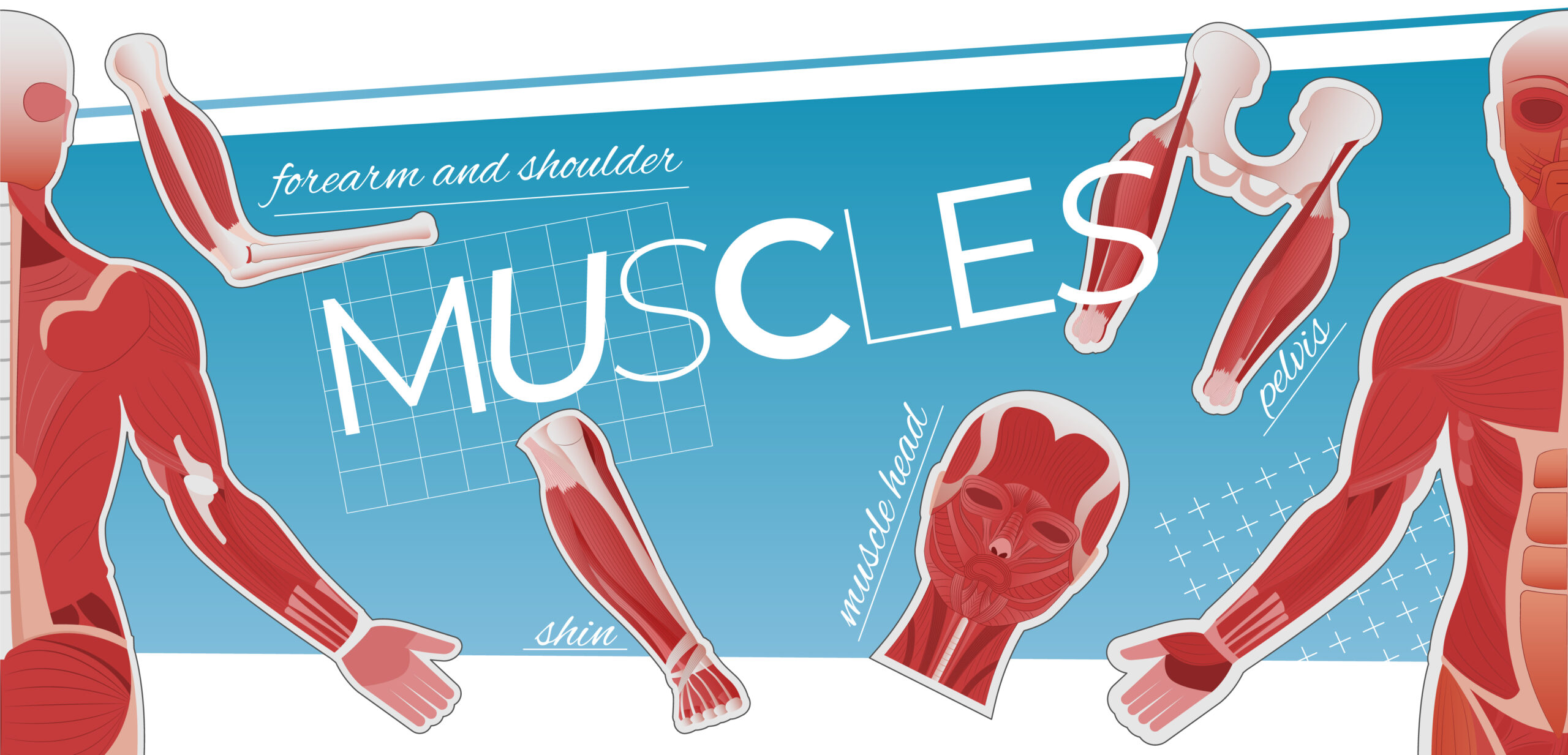
muscle-anatomy-collage-flat-icons-with-editable-text-captions-images-human-body-parts-vector-illustr
Mix the practice so it transfers
Many learners repeat the same question type in the same order until it feels easy. Easy feels great, but it can lie. Real tests mix topics and formats, so practice should do the same. Interleaving, which means rotating topics, trains the brain to choose the right tool instead of following a familiar groove.
For anatomy, the mix can include identification, action, innervation, and movement patterns. For clinical certification, the mix can jump between patient preparation, vital signs, documentation, infection control, and scenario based questions. The switching forces active decisions. It also reduces the trap of recognition, where something seems known only because it sits in the same spot every time.
Turn misses into a plan
Tracking wins feels good. Tracking misses works better. A miss list is a running record of what went wrong and why. Was it a rushed read. A confusing pair of terms. A careless unit mix up. A tendency to doubt oneself. The rationale is essential because it indicates what needs to be altered rather than merely repeated.
Keep it straightforward: the idea, the proper response, and the pattern of errors. Then revisit the list on a schedule. A miss that appears twice in a week deserves targeted practice. A miss that stays quiet for two weeks can shift to maintenance. Take a moment to think carefully. This can prevent problems later. Fix the cause of the problem, not just the visible signs.
A miss list also helps emotionally. It turns anxiety into action. Instead of, this exam is huge, the brain gets a smaller job: clean up these five weak spots today. That shift reduces overwhelm, and it builds trust because progress becomes visible.
Confidence shows up before the exam
Confidence rarely arrives on test morning like a surprise gift. It grows when questions stop feeling novel. Repeated retrieval makes key facts easier to access, and it frees attention for reasoning. It also quiets the internal heckler that says, you always blank on this.
Timed practice builds calm. Answer the easy questions first, mark the stubborn ones, and return later. That prevents one tricky item from stealing time and confidence. Nerves will still show up, but familiarity keeps them from driving.

Closing thought
Mastery looks ordinary up close. It is someone answering questions, missing some, correcting them, and coming back again. If a learner feels behind, the fix is rarely a dramatic overhaul. It is the next short practice session, done with attention, then repeated.
Muscle quizzes train precise recall. Spaced sessions strengthen it. Mixed practice makes it flexible. A miss list keeps the focus honest. Over time, knowledge stops slipping away and starts showing up on cue.
Written by reyesarjaypaul@gmail.com