
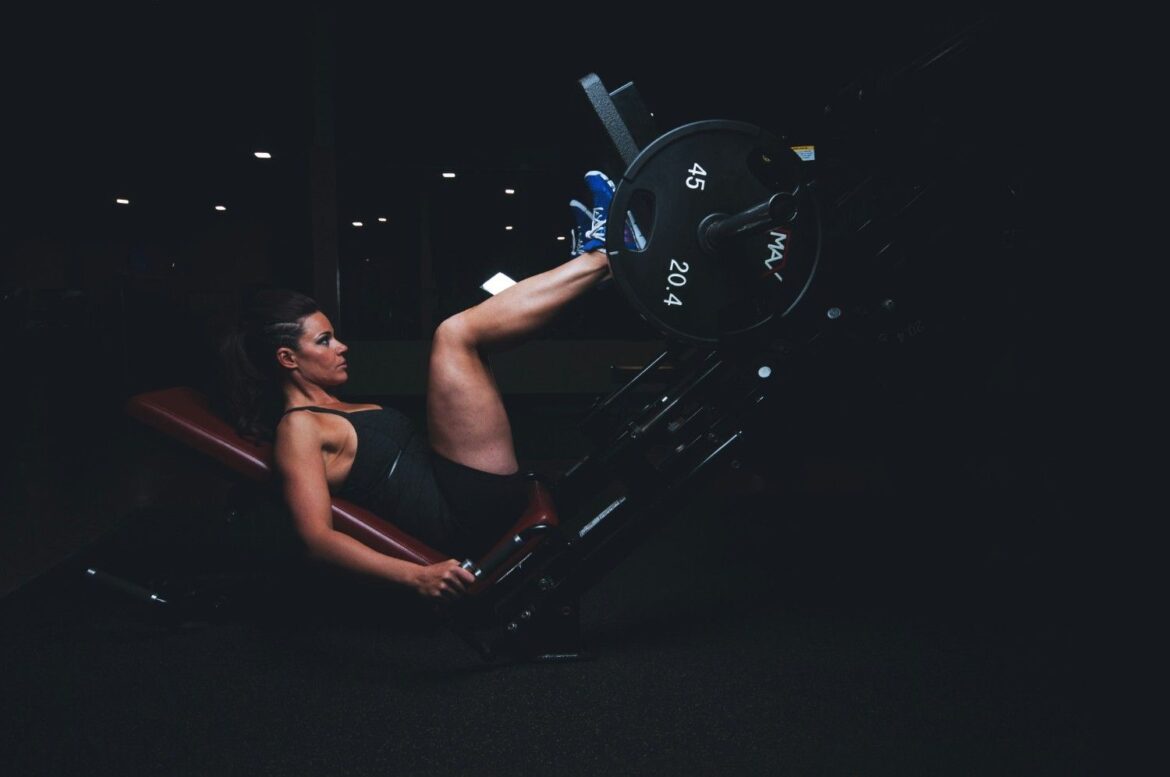
You spent an hour or two working out, feeling accomplished and proud. The next day, your muscles are sore. A sharp twinge in the shoulder. A throbbing pain in your knee. That lingering pain after strength training signals a problem. This isn’t typical fatigue. It’s your body showing a flaw in your execution.
The fix goes beyond adjusting the weight on the bar. Understanding the biomechanics of strength training is the key. That tendon or joint pain after a workout stems from one of the crucial training variables. Load. Range of motion. Speed. The real adversary is one of those.

Identify What Kind of Pain You’re Dealing With
Workout pain manifests in various ways. They are not all the same. One of the most common is Delayed Onset Muscle Soreness (DOMS). Microscopic tears impact the muscle fibers and impair inflammatory repair. It peaks one to three days after working out.
You may also suffer from tendon pain after lifting. It is more specific and local. You’ll feel it near the joint where the tendon attaches. The pain worsens with repetitive motion. It feels stiff at the start of your exercise, then it flares again once you finish.
Joint irritation is a deeper discomfort. It is harder to pinpoint. You usually feel it at the end of a movement. This can manifest in the form of grinding or pinching. Loading the joint exacerbates the pain. It appears during the lift and worsens when you repeat the same movements.
Nerve symptoms are distinct; look for tingling. You might experience numbness and there may be a burning sensation in your arms or legs. Timing hints at the source of the problem. Pain when lifting suggests a mechanical fault. On the other hand, pain that creeps later shows accumulated stress.
Load: When Weight Exceeds Tolerance
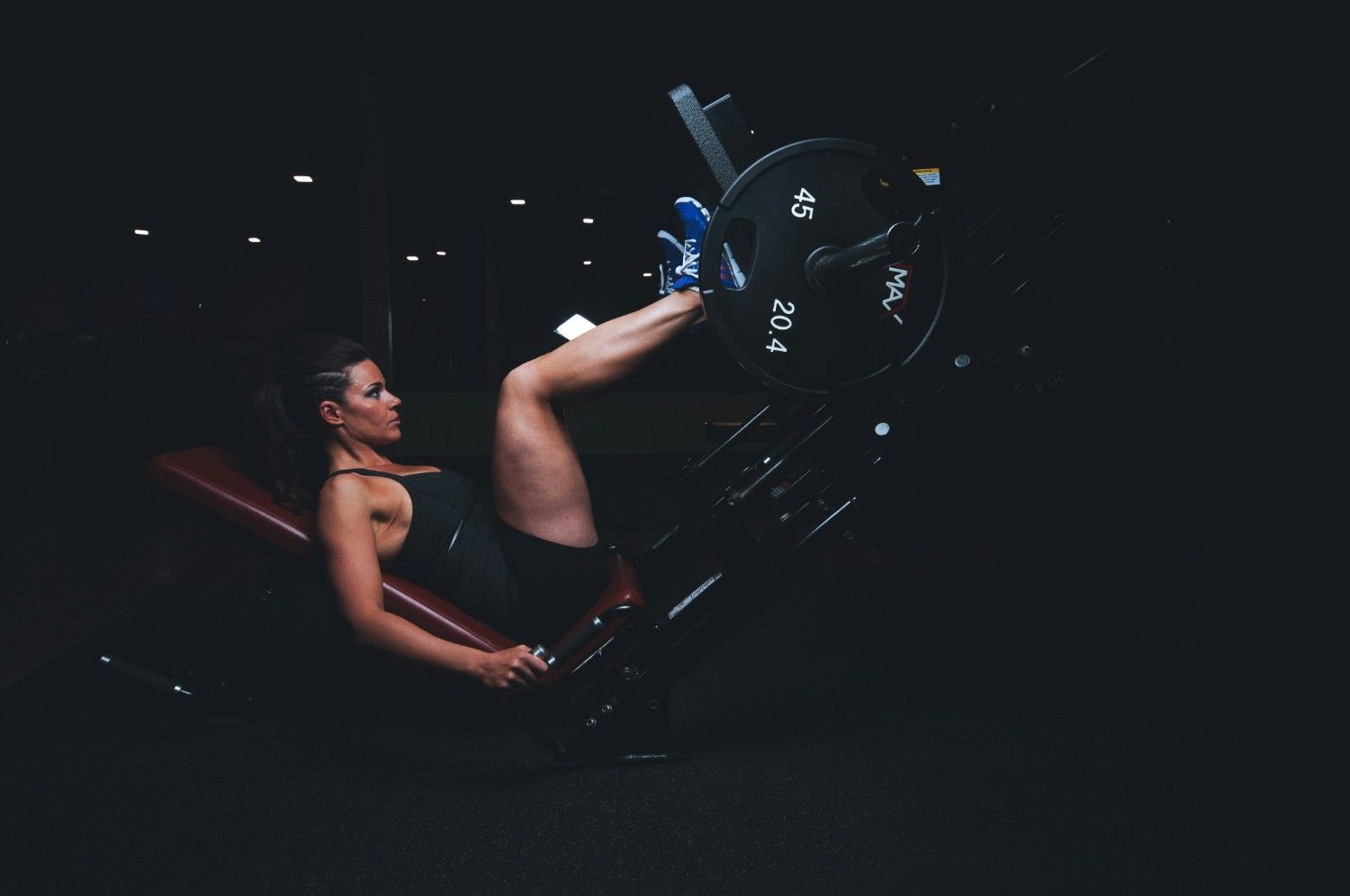
Chasing personal records gives you a sense of achievement. However, pain strikes when the load on the bar surpasses your body’s current capacity. This is a fundamental biomechanics of strength training issue. The force exceeds what your tendons, ligaments, or joint structures can safely handle.
Tendons and joints react faster than muscles. They recover in different ways. Tendons dislike abrupt intensity increases. Meanwhile, joint surfaces hate repeated high-pressure reps.
Pain shows up during pressing when the shoulders start drifting forward during fatigue. It also happens during intense knee-dominant workouts when you compress during a bottom position. Volume overload may trigger elbow or biceps tendon irritation.
The solution lies in effective training load management. Allow your connective tissues to adapt alongside your muscles. Set your plate-loaded machines in such a way that the weight does not exert unnecessary force on your body. The equipment itself is not the culprit. Blame the mismanaged load instead.
Position: When Angle Becomes the Trigger

At times, the weight can be the problem. But in other instances, working out requires more than training load management. The position that your body assumes under that weight could be the issue. Pain occurs when you force a joint at an angle it cannot safely manage under pressure.
Certain angles create pressure zones. Deep knee flexion increases the force around the patellofemoral joint. Deep hip flexion can pinch the front of the hip in people who can’t tolerate that angle well. In the upper body, extreme shoulder extension or flared elbows may load the front of the shoulder when you reach the bottom of a press.
Stop trying to achieve a “textbook” depth that your body cannot accommodate. That is a guaranteed way to suffer from pain after lifting weights. This comes from compression and not weakness.
The fix requires honoring your individual structure. Pay attention to proper positions, and you will perform better. More importantly, you will feel better days after. No debilitating pain will make you regret your most recent workout session.
Speed: When Moving Too Fast Becomes the Problem
You experience pain after strength training because tissues absorb a force spike they were not prepared to manage. It becomes worse in positions that compromise your stability. Even when the load remains the same, faster repetitions increase peak force. It alters biomechanics. Momentum begins to move the load, not your muscles. An uncontrollable force transfers directly to the tendons and ligaments.
The biggest risk happens during deceleration. Your muscles must generate extreme force to suddenly stop the weight. It stresses the connective tissues, which can result in joint and tendon pain after lifting.
Strict tempo control is the solution. Eliminate bounce and jerk. Pause near the problem zone. Build speed only after gaining control of your movements. This way, muscles can manage the force better and prevent injuries.
How to Identify the Main Issue
Pin-pointing the reason for pain after strength training requires an honest self-assessment. Watch out for your pain’s behavior during and after training. Consider your pain as a signal. It isn’t a mystery.
If discomfort peaks at the heaviest point of the lift, scrutinize load. It may be a classic case of tissue overload. The weight exceeds what your tendons or joints can currently manage.
If pain strikes at the very bottom or top of movement, examine your position. This is likely indicative of a joint angle issue. Your body is probably experiencing compression or impingement at a specific range.
If pain occurs when changing directions or positions rapidly, speed may be the factor. Momentum is likely transferring force poorly. The most obvious sign is a sharp localized pain during acceleration or deceleration.
Test your hypothesis through the process of elimination. Modify one single variable in your next workout. Keep your exercises the same and change only one thing. If you change load, position, and speed all at the same time, you won’t know what the real problem is.
Time to Say Goodbye to Pain After Strength Training
Some people believe that tendon and joint pain after workout are inevitable costs of strength training. That is wrong! They show a fault in load, position, or speed. Your task is to decode that signal.
Do not ignore pain after lifting weights, or exercise in general. Investigate it. Adjust the single variable that your assessment identifies. A targeted approach transforms pain from a setback to a powerful tool for progress. Train with precision and not just effort.
Written by jake@fitnesssuperstore.com