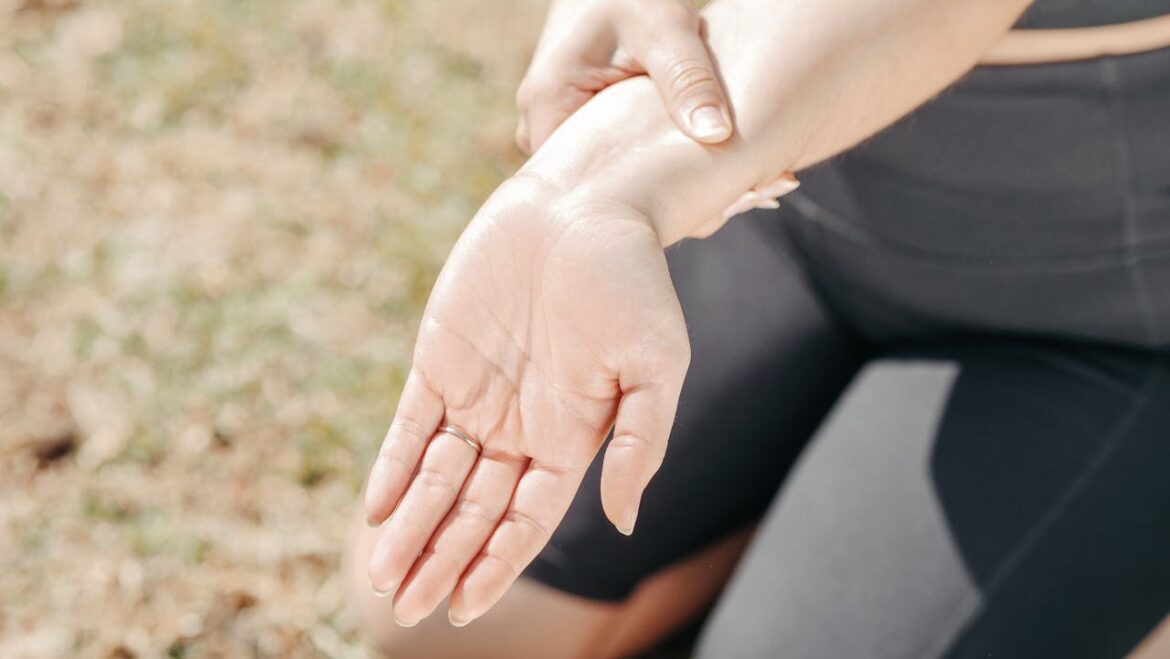
Soft tissue injuries result from accidental injuries and from performing daily activities and participating in physical activities. Acute injuries happen suddenly while overuse injuries develop through the accumulation of tissue damage which occurs when stress levels surpass the body’s ability to repair itself.
The injuries result in pain together with swelling and restricted body movement because they damage the tissue which includes ligaments and muscles and tendons that support your skeleton and enable movement.
Although most soft tissue injuries will heal on their own, your recovery depends on how the injury is managed early on. Mistakes during treatment, ranging from misdiagnosis to improper rehabilitation techniques, can delay healing or worsen the injury. In some cases, these errors may even constitute medical malpractice, giving patients grounds to seek legal advice or support.
By understanding the most common types of soft tissue injuries and treatment pitfalls, you can make informed decisions and ensure your body has the best chance to heal.
Bursitis and Pressure-Related Mistakes
Bursae are small fluid-filled sacs that reduce the friction between your bones and your soft tissues. Bursitis occurs when these sacs become inflamed, often due to repeated pressure from kneeling or prolonged leaning, or general overuse. Elbows, hips, knees, and shoulders are the most common locations of bursitis, and it’s a common Achilles tendon disorder too.
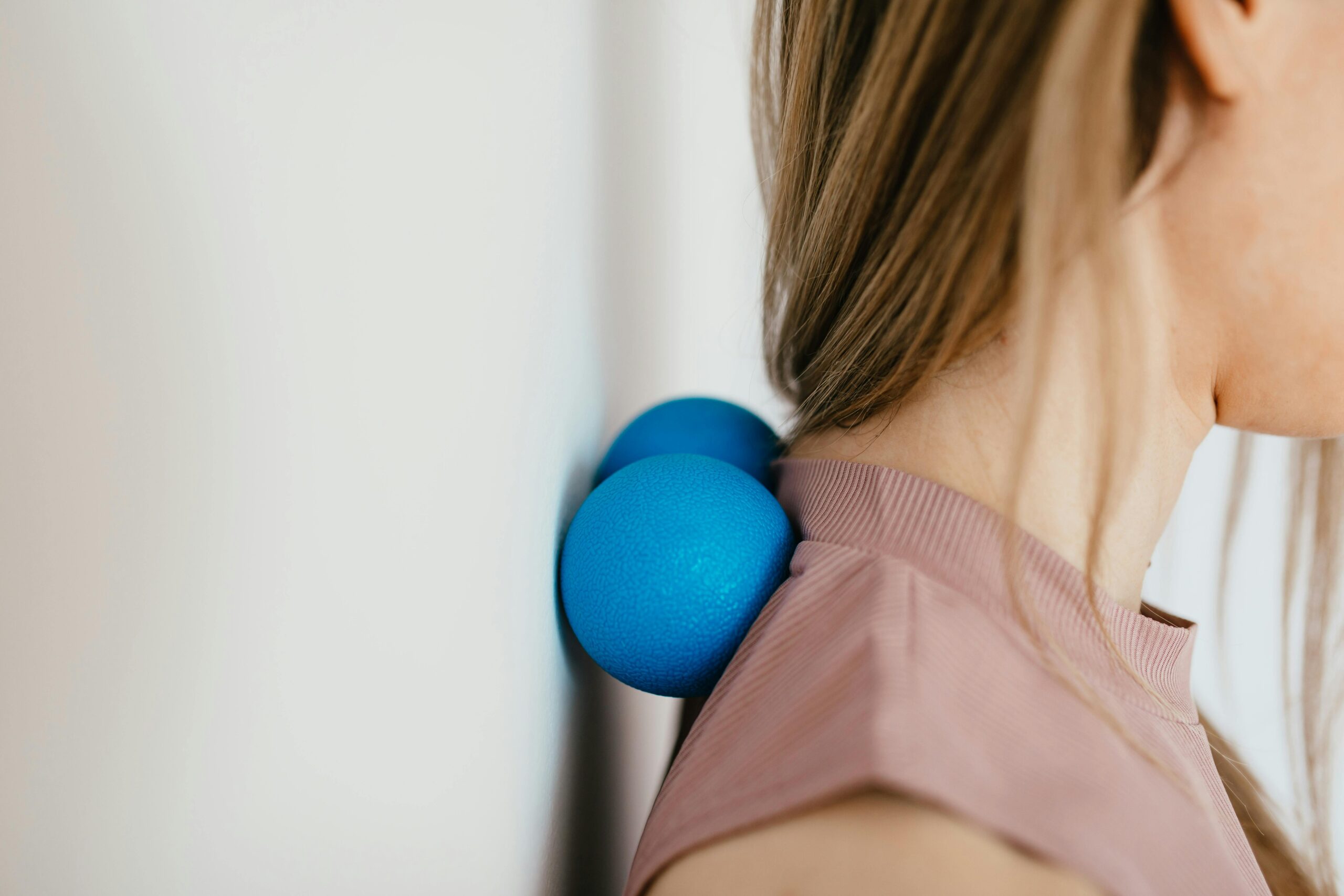
Applying pressure to or deeply massaging the area directly over a swollen bursa can worsen your pain and cause intense skin irritation. The surrounding muscles can receive light kneading after the bursa swelling decreases but you must stay away from the painful area during your initial recovery period.
Contusions and Cold Therapy Errors
A contusion is a bruise caused by damage to the blood vessels within your soft tissue. The condition develops when someone receives a direct impact which results in muscle contusions that produce pain but no visible skin discoloration.
People often make an error by placing ice directly against their skin because this method leads to cold injuries which damage the skin. Cold packs should always be wrapped in a towel before use and used for only a limited period. Medical evaluation becomes necessary when your pain symptoms and swelling and movement problems continue to get worse.
Ligament Sprains and Recovery Setbacks
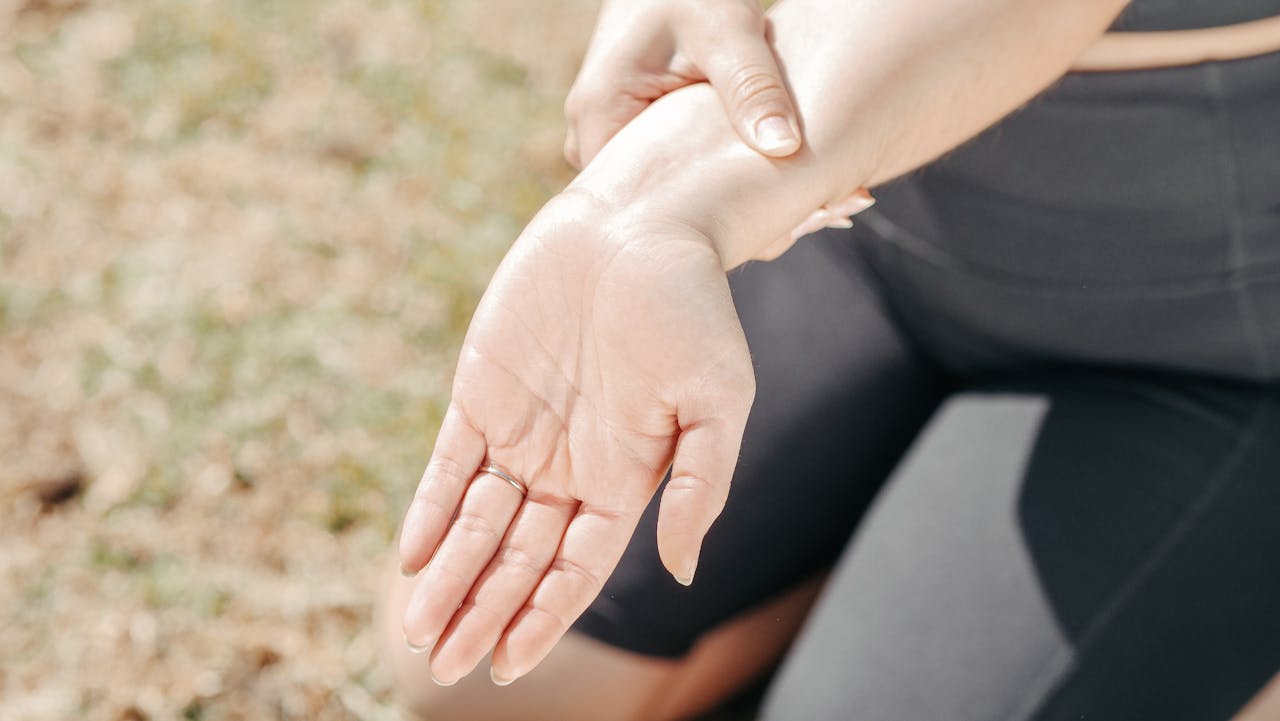
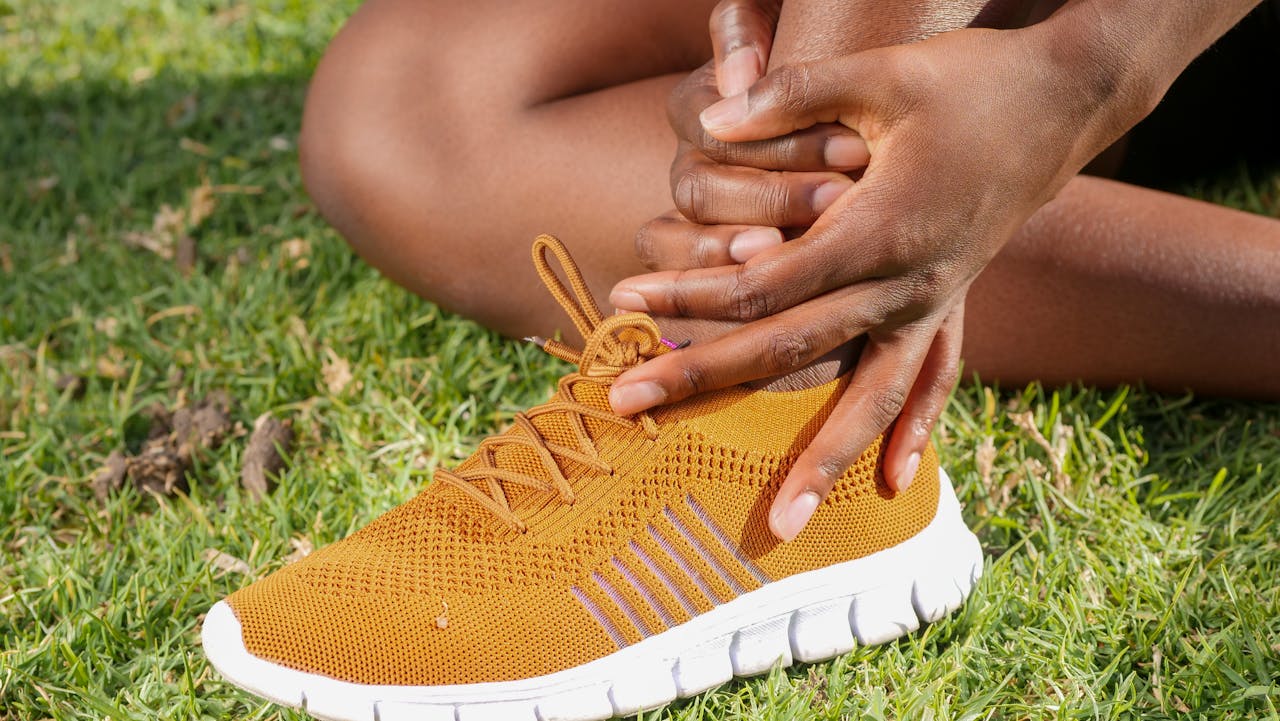
The stretching or tearing of ligaments happens when joints experience excessive movement which results in sprains that most often affect the ankles and knees and wrists and thumbs. The duration of recovery for mild sprains will affect the extent to which they compromise joint stability.
People tend to think that complete rest until pain disappears will lead to quicker recovery times.
In reality, prolonged immobilization can cause stiffness, weakness, and reduced joint control. Once the pain dies down enough to allow for it, gentle movement can help maintain your range of motion and support speedy tissue recovery.
Muscle Strains and How Not to Treat Them
Muscle strains occur when muscle fibers or the tendons that attach them to your skeleton get overstretched or torn. The body experiences this condition when it performs strenuous activities that include jumping and lifting and sprinting and quick direction changes. The body develops muscle strain through repeated movements which occur without giving muscles enough time to rest.
Heat therapy should be avoided during the initial stages of muscle strain treatment. For the first few days after you’ve sustained an injury, tissues can become inflamed. Heat increases blood flow to the area, and the result is that subsequent swelling and discomfort worsen.
Another mistake people make is returning to their normal level of activity too quickly after they’ve strained a muscle. Your pain may ease before your muscle has regained its flexibility and strength. Just because you’re not sore doesn’t mean you’re okay.
Tendon Overuse Injuries and Pushing Through Pain
The development of tendon overuse issues occurs through repeated strain which leads to tiny damage in tendon fibers. The injury will result in pain together with swelling and decreased ability to support body weight. The tendon structure changes when strain occurs multiple times which results in chronic pain and stiffness and decreased strength and additional uncomfortable symptoms that become active during regular activities.
Healthcare providers make their most dangerous treatment error when they continue their work despite their patients showing signs of pain. The tendon becomes overloaded when you experience increasing discomfort which starts during exercise and continues after you stop. The duration of recovery will extend when high-impact or repetitive movements persist because these actions will lead to severe tissue injuries.
Potential Complications of Poor Soft Tissue Damage Management
Soft tissue injuries result in complications because the body fails to complete its healing process and because patients seek medical help after the condition has progressed. The body experiences three possible early complications which include tissue bleeding and blood flow reduction and temporary nerve problems because of swelling.
Severe swelling within muscle compartments can restrict blood supply and cause intense pain. This is referred to as compartment syndrome and is a medical emergency that requires immediate treatment.
Long-term complications include stiffness, reduced flexibility, joint instability, and chronic inflammation. Repeated strain injuries may progress to ongoing tendon or bursa irritation, resulting in persistent pain and reduced function.
In rare cases, bone tissue can form within injured soft tissue following significant trauma.
Why Early Care Is Important for Acute Soft Tissue Injuries
Many sudden soft tissue injuries respond well to early self-care focused on rest, cold therapy, compression, and elevation. This approach can help control swelling and discomfort during the initial healing phase of your acute soft-tissue injury.
Rest requires patients to decrease their activities which cause stress to the injured area but they should not stop all movement. Cold therapy should be applied for short sessions several times per day, always using a protective layer between the cooling object and your skin. The treatment of compression helps to reduce swelling while elevation of the injured area enables fluid to move back to its correct position when possible.
If pain or swelling does not improve or worsens, professional assessment is important.
Crucial Info to Keep in Mind
Most soft tissue injuries heal well when managed early and appropriately. The most common treatment mistakes occur when patients apply heat prematurely and stay inactive for extended periods and when they fail to monitor their pain levels during physical activity and when they resume exercise before their soft tissues have fully recovered.
Your recovery will improve and your body will function better in the future when you listen to your symptoms and follow your recovery schedule and obtain help for ongoing pain or swelling.
Written by joann@joanndaniels.com