

Teeth alignment looks deceptively simple from the outside: move tooth A into position B, straighten the line, improve the bite, done. In reality, orthodontics is closer to engineering than cosmetics. Teeth don’t move in isolation; they move through bone, under forces that affect the gums, the jaw joints, and the way you chew. That’s why professional guidance matters—not just to get a straighter smile, but to get a stable, healthy result that lasts.
It’s also why the first step shouldn’t be choosing a brace type or aligner brand. It should be choosing the right clinician and process. A well-run orthodontic pathway starts with diagnosis, continues with careful monitoring, and ends with a retention plan that matches your biology and habits. If you’re considering treatment and want a sense of what “good” looks like in practice, clinics such as Boston Orthodontics outline the kind of structured, clinician-led approach that’s designed to protect both outcomes and oral health.
Let’s break down how professional oversight makes alignment more predictable—and where things most commonly go wrong without it.
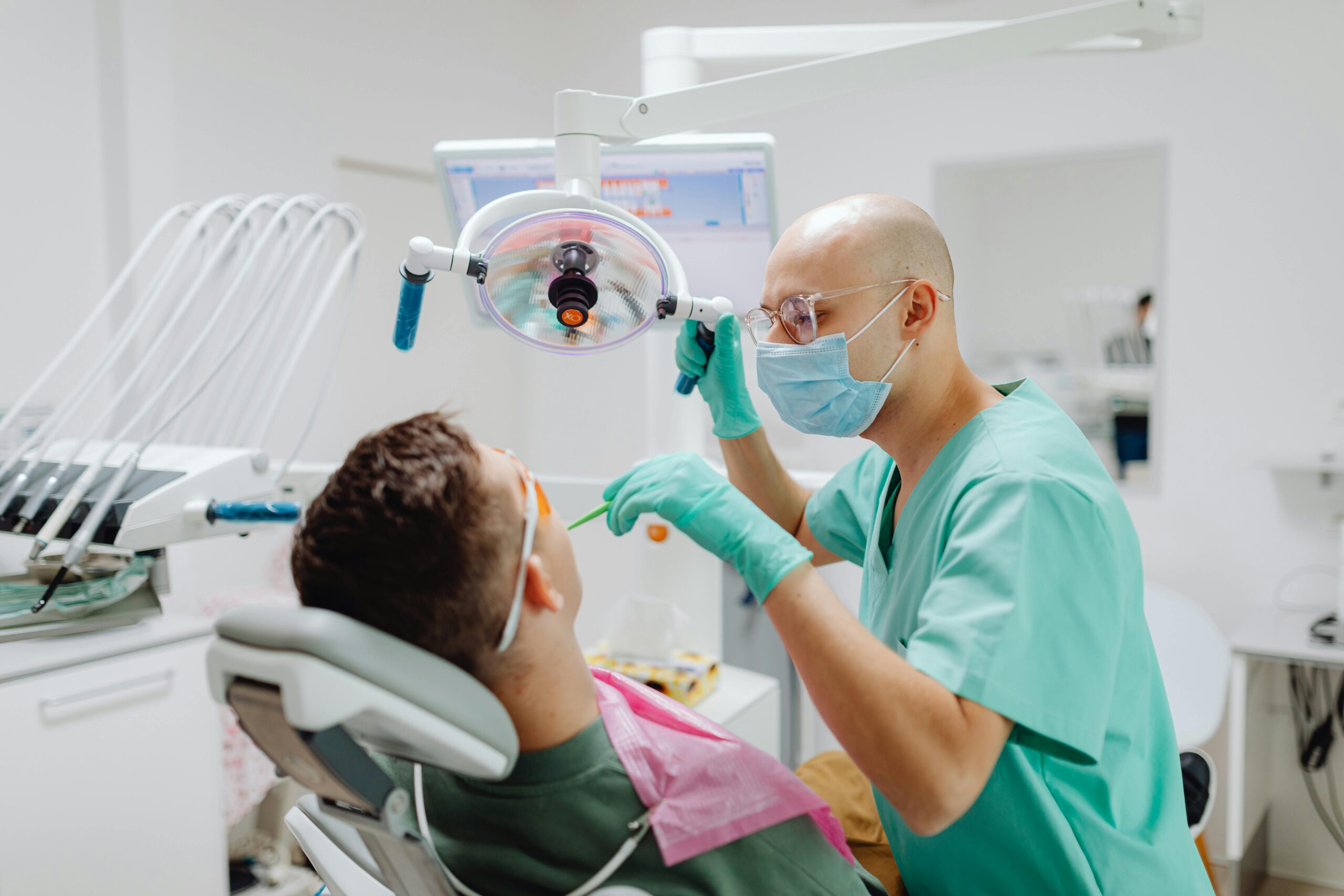
Diagnosis: the part you can’t DIY
Orthodontic planning starts with a question many people never think to ask: why are the teeth crowded, spaced, or out of alignment in the first place? The answer changes everything.
A professional assessment typically considers:
- Tooth position and root position (they’re not the same)
- Gum and bone support (critical in adults)
- Bite relationships (overbite, crossbite, open bite)
- Jaw growth patterns and facial balance
- Functional issues like grinding, clenching, or shifting on closure
This is where records matter. Photographs and digital scans are useful, but X-rays—often including a panoramic radiograph and sometimes a lateral cephalogram—add information you can’t safely guess. Missing teeth, impacted teeth, short roots, and bone loss can all change the treatment plan, and they’re not always obvious in the mirror.
Patients considering orthodontic treatment can also benefit from an evaluation by a qualified dentist Manteca residents trust, as comprehensive examinations can help identify underlying oral health concerns that may affect treatment planning, tooth movement, and long-term oral health outcomes.
The hidden risk: moving teeth outside the “bone envelope”
Every tooth sits within a zone of bone that can support it. Push a tooth too far forward or sideways and you can end up with gum recession, thin bone, or instability that shows up months after treatment. A clinician’s job is to design movement that respects these biological limits, not just to make teeth look straighter in photos.
Treatment planning: more than choosing aligners vs braces
Once a diagnosis is clear, the plan becomes a sequencing problem: which teeth move first, how anchorage is managed, and how the bite is coordinated as alignment improves.
Professional guidance is especially important because teeth respond differently to force depending on:
- Age (adult bone remodelling is slower than in teens)
- Medications and systemic health
- Gum condition and inflammation levels
- Previous dental work (crowns, bridges, implants)
- Habits like mouth breathing or tongue thrusting
In such cases, consulting a Dentist in Brooklin can help ensure that treatment planning is properly tailored to both dental health and functional bite considerations.
An orthodontist or experienced clinician balances the aesthetic goal with the occlusal one. Straight teeth that don’t meet properly can create uneven wear, jaw discomfort, or an ongoing sense that “the bite feels off”—even if the smile looks great.
Why bite finishing is where experience shows
Aligners and braces can both align teeth effectively, but “finishing” the last 10%—fine-tuning contacts, correcting small rotations, settling the bite—often determines whether the result feels natural. Professionals know when to adjust the plan, add auxiliaries, or slow down movement to keep tissues healthy.
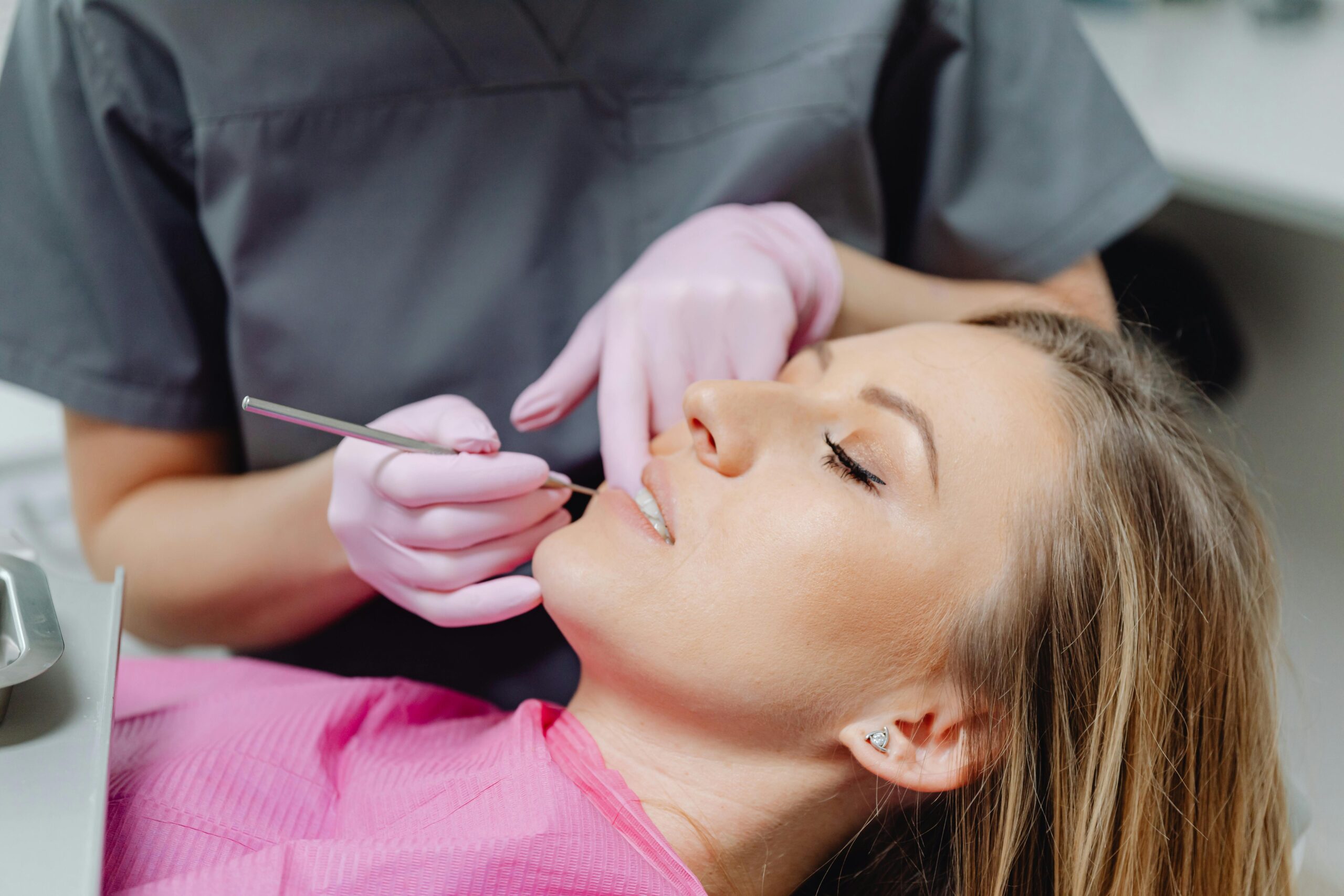
Monitoring: the safety net that keeps plans realistic
Orthodontic software can predict movement, but mouths aren’t software. Teeth don’t always track as expected; attachments can wear, aligners can distort, brackets can break, and biology can be stubborn. Monitoring catches these issues early, before they compound.
In a well-supervised treatment, reviews aren’t box-ticking. They’re about checking:
- Tracking: are teeth following the planned path?
- Bite changes: is the occlusion improving or drifting?
- Gum health: any inflammation, recession, or pocketing?
- Root and bone response (when indicated)
- Compliance issues (wear time, broken appliances, hygiene)
If something isn’t working, professionals adapt. That may mean re-scanning for refinements, changing the force system, or pausing movement to stabilise tissues. Without that oversight, patients can end up “pushing through” with a plan that no longer matches reality.
Managing risks: what professionals are trained to prevent
Every orthodontic treatment carries manageable risks. Professional guidance reduces their likelihood and impact through early detection and informed choices.
Common risks that benefit from clinical supervision
Root resorption: Mild root shortening can occur in some patients. Clinicians watch for risk factors and may adjust forces or timing.
Gum recession: Particularly in adults with thin gum tissue or pre-existing recession. Movement direction and oral hygiene support are key.
Decalcification and cavities: Fixed braces can increase plaque retention. Monitoring hygiene and providing preventive advice is not optional.
Temporomandibular discomfort: Not all jaw symptoms are caused by orthodontics, but bite changes can interact with existing issues. A thoughtful plan keeps function in view.
Relapse: Teeth love to drift back. Retention planning is a clinical decision, not an afterthought.
Retention: where long-term success is decided
If there’s one truth most people learn too late, it’s this: alignment is a process, and retention is a commitment. The mouth is dynamic—ligaments rebound, bites settle, and habits persist.
A professional retention plan considers your starting point and your risk profile. For some, removable retainers worn nightly are enough. For others—especially after closing spaces, correcting rotations, or treating significant crowding—a fixed retainer may be advised, often combined with a removable retainer for redundancy.
One of the most valuable things a clinician provides here is realism: how often to wear retainers, what changes are normal, and when a small shift needs attention before it becomes a bigger fix.
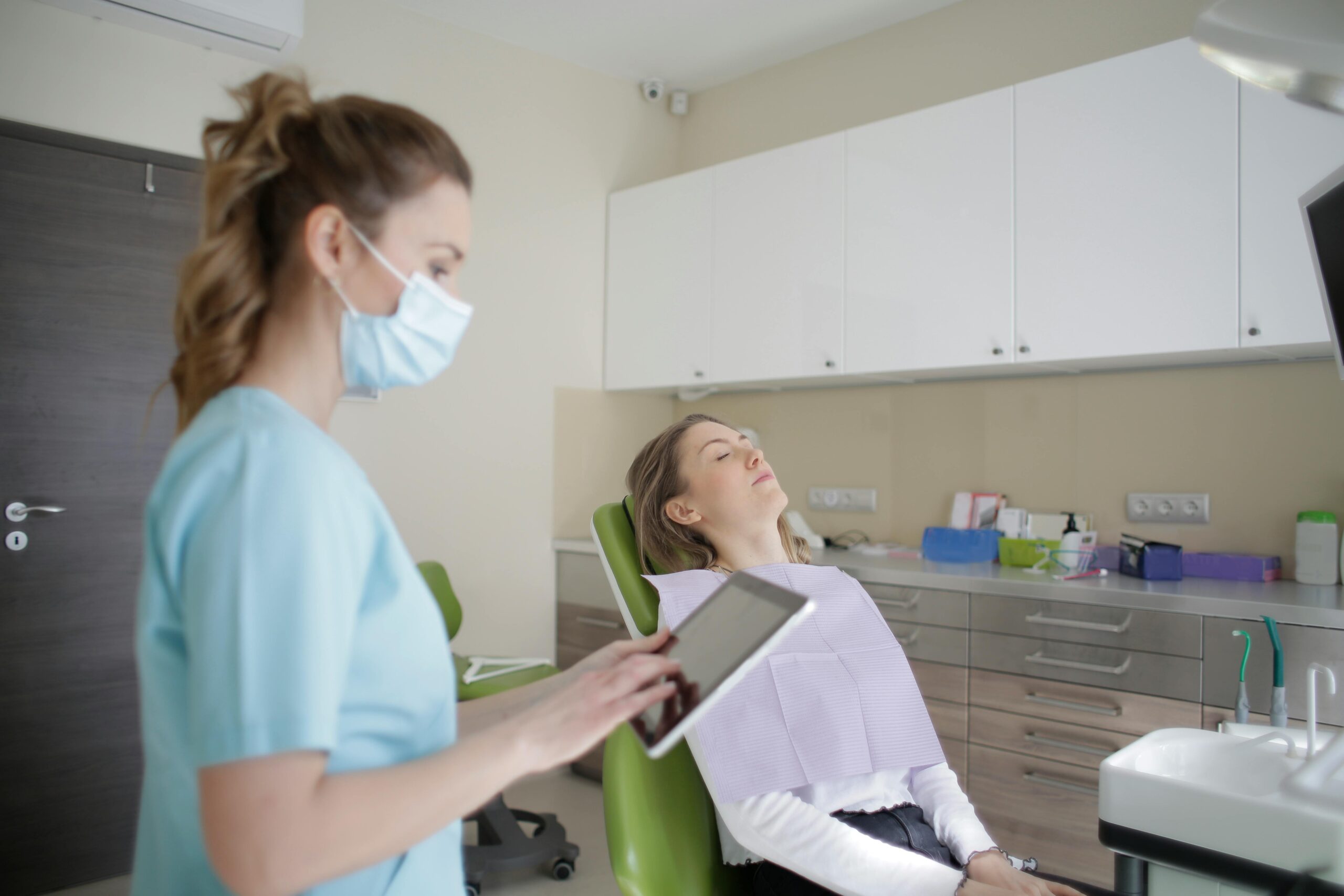
How to choose the right clinical pathway
You don’t need to be an expert to evaluate whether you’re getting professional-grade care. Once you’ve found a qualified dentist in Bristol, VA or orthodontic provider in your area, ask practical questions and listen for clear, specific answers. For example:
- What records will you take before planning treatment, and why?
- How will you assess gum and bone health before moving teeth?
- How often will reviews happen, and what will you check at each visit?
- If teeth don’t track, what’s the refinement process?
- What retention do you recommend for my case, and for how long?
Good clinicians welcome these questions. They’ll explain trade-offs, not just options.
The bottom line: straight teeth are the outcome; health and stability are the goal
Effective teeth alignment isn’t only about getting to the finish line. It’s about getting there safely, with a bite that functions well and results that hold up in real life. Professional guidance adds diagnosis, monitoring, and risk management—the unglamorous parts that make the glamorous part possible.
If you’re investing time and money into orthodontics, invest in the process too. Your future smile will thank you, but so will your gums, your bite, and your peace of mind.
Written by sagar.linclogy@gmail.com

