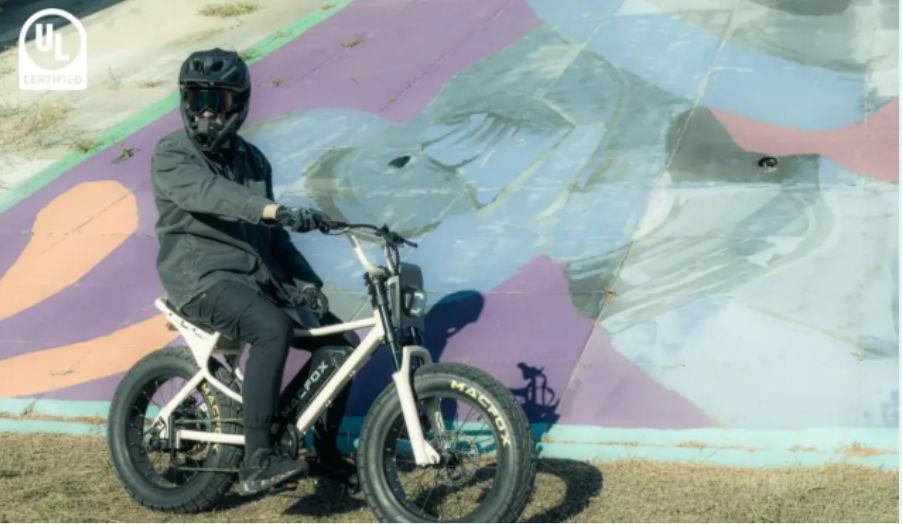
 The use of this image is permitted by MacFox
An electric bike can help build muscular endurance because it lets you ride at a steady pace for a longer time and it puts less stress on your joints. You can adjust the level of assistance and you can control how hard your legs work and you can stay at a moderate intensity for most of the ride. It will not increase your maximum strength like heavy squats or deadlifts, but it trains your muscles to resist fatigue and over time you can ride longer and recover faster between sessions and stay more consistent in your workouts.
In a basic training plan, moderate or low-intensity cardio like electric biking, rowing, swimming, or brisk walking builds your aerobic base and it supports both endurance and strength training. When your heart and lungs work better, your muscles get oxygen more easily and they use energy better and you do not get tired as fast during strength training. Cycling has low impact and it reduces stress on your knees and hips and it makes long-term training easier.
Electric biking does not directly build bigger muscles, but it helps your muscles work longer and recover better between hard sessions.
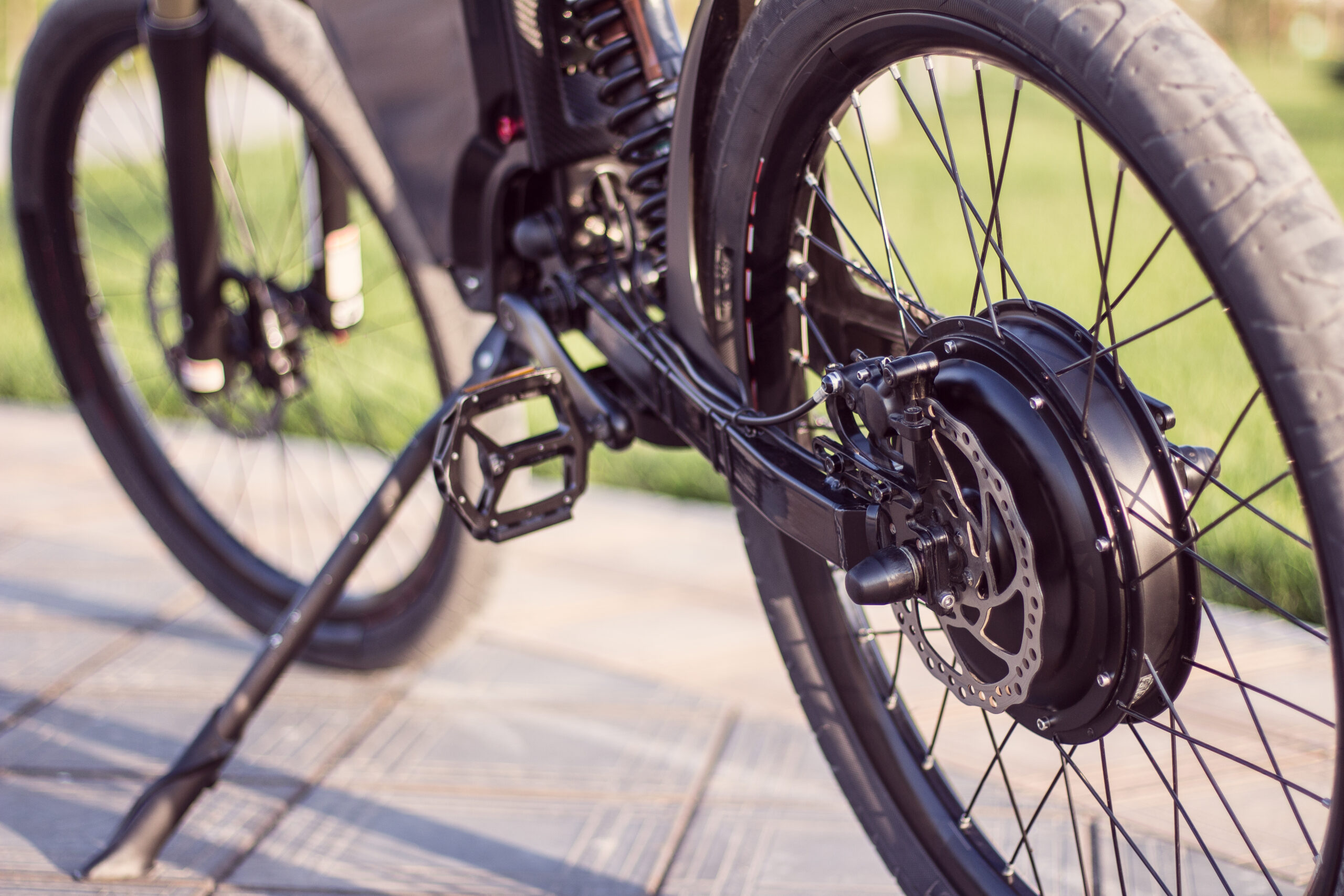
What Type of Exercise Is an Electric Bike?
An electric bike is not passive exercise because the motor works only when you pedal and most models use cadence or torque sensors that require you to move your legs to get assistance. The motor reduces peak effort, but your muscles stay active during the whole ride and you continue to produce force the entire time.
Electric biking is mainly moderate- or low-intensity aerobic exercise and it relies on steady effort that lasts longer than short bursts of strength work. A regular bike may require more effort on hills or during acceleration, but an electric bike makes those parts easier and you still pedal through the whole ride and your legs keep working at a steady level. A commuter electric bike reduces fatigue during daily travel and it still keeps you active.
Strength Training vs. Electric Bike Riding
Strength training and electric biking use different energy systems and they create different training results. Lifts like squats, deadlifts, and bench press use short bursts of high effort and they mainly use the anaerobic system and fast-twitch muscle fibers and the goal is to increase strength and muscle size.
Electric biking uses steady effort that lasts longer and it mainly uses the aerobic system and slow-twitch muscle fibers that support endurance. When your aerobic base improves, you recover faster between strength sets and you can handle more total training work and both types of training can fit into the same program.
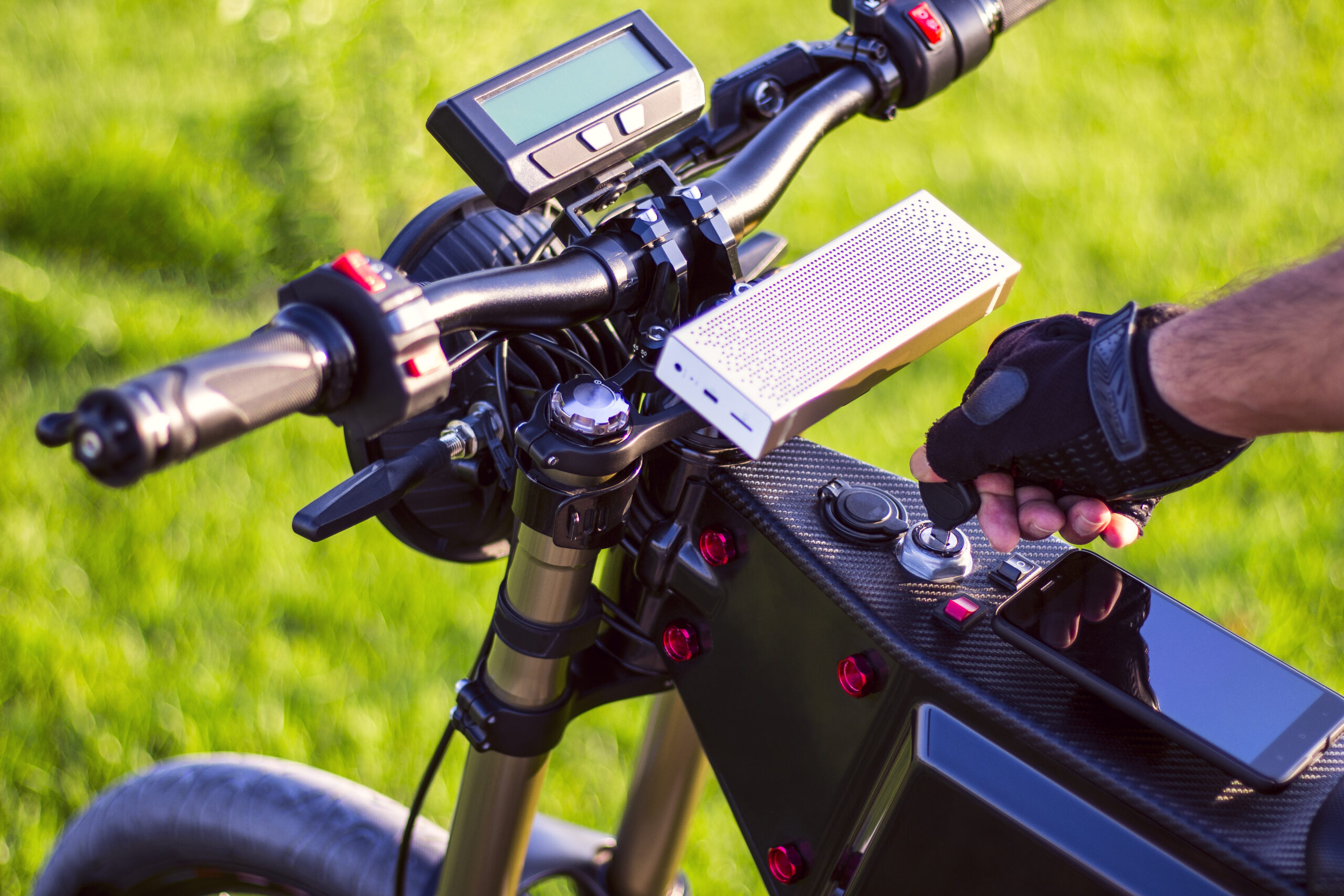
How Electric Bike Riding Supports Recovery
Recovery is part of progress and light aerobic work can help the body return to normal after hard training. Low- or moderate-intensity cycling increases blood flow and it brings oxygen and nutrients to the muscles and it helps remove waste that builds up after intense exercise. An easy ride often reduces stiffness and soreness better than complete rest and it helps you feel ready for the next session.
After a heavy leg workout, a 30-minute easy ride the next day can help your legs feel less tight and move more freely and it can support faster recovery. If you commute with an electric bike, this light activity becomes part of your daily routine and it does not add much extra stress.
Does Electric Bike Riding Hurt Strength Gains?
The interference effect happens when endurance training is very long and very hard and when total training volume is too high and recovery time is not enough. The body then focuses more on endurance adaptation and strength and muscle growth may slow down because energy and recovery resources are limited.
Electric biking is easy to control and you can keep the intensity moderate or low and you can limit the duration. If you ride two or three times per week for 20 to 40 minutes at an easy pace, it works as active recovery and it is not hard endurance training and it is unlikely to reduce strength gains if you eat enough and sleep enough.
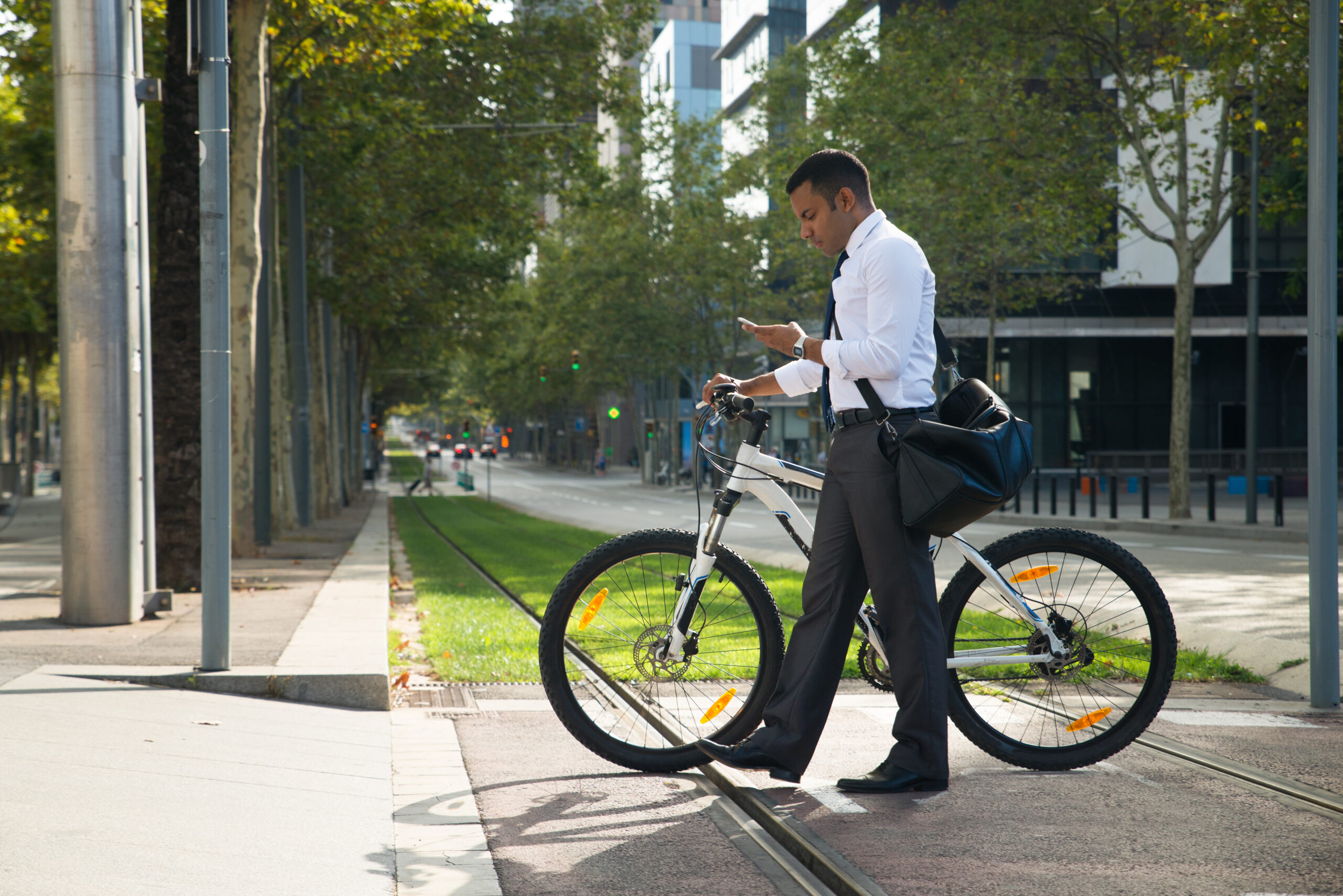
Joint Health and Long-Term Sustainability
Cycling has less impact on the knees than running and electric assistance makes pedaling smoother and reduces peak force during each stroke. This spreads the load more evenly across the joints and it lowers joint stress and it can help heavier lifters and people with joint discomfort and adults over 40 who want to stay active without extra strain.
When you add moderate cycling to your weekly routine, you maintain heart fitness and you protect your joints and you support recovery and this makes it easier to train consistently over time.
Using an Electric Bike During a Bulking Phase
Some people worry that cardio will reduce the benefits of a calorie surplus, but moderate cycling does not automatically stop muscle gain and it can fit into a bulking plan. Low-intensity aerobic work improves insulin sensitivity and it helps the body use nutrients better and more nutrients can support muscle repair instead of fat storage.
You can increase calorie intake if needed and you can match your food intake to your activity level. Two low-intensity rides per week are unlikely to slow muscle growth and the key is to manage total training load and intensity and not remove cardio completely.
Written by christopherthomas7080@gmail.com