

Last winter, sea moss was a mysterious seaweed that weird coastal types would talk about to each other, but now it seems like it has gone from zero to a gazillion wellness products in what feels like a matter of weeks. Now there are hundreds of wildcrafted/organic/premium/raw versions to choose from, but very little information as to what actually differentiates them from one another.
SEA MOSS VS SEA MOSS INGREDIENT – What to consider when choosing between natural sea moss vs. processed ingredients What is the difference between using natural sea moss versus an ingredient? Sea moss is a natural marine plant that grows in the ocean. When it is harvested, washed, dried and then put into a capsule, it is no longer the same thing. What is kept and what is lost? How will the body digest and assimilate it? And most importantly, how can you safely and effectively use this powerful ingredient on a daily basis.

What “Natural” Sea Moss Typically Means (and Why It Matters)
We are often called “natural sea moss” and in this state we are simply whole, unprocessed seaweed. Sometimes we are dried and sold as whole dried seaweed “fronds” to be washed, drained and then turned into a gel at home. Although this can be quite a bit of work it gives the consumer an exact understanding of what they are ingesting in its most natural form. They are able to see it, smell it and then decide if they wish to add anything else.
Minimal processing preserves more than nutrients
Sea moss is generally talked about in terms of its mineral content and soluble fiber (mucilage). While the minerals in Sea moss are stable and not affected by processing, the functional properties of the fiber and the overall food complex that provides benefit to consumers are highly sensitive to heat and drying processing methods.
Origin and handling become part of “quality”
Sea moss is a bioaccumulator. What this means is that the algae absorbs all the things from the surrounding water. On one hand this is awesome because sea moss is an incredible source of minerals. On the other hand, this means that we really need to pay attention to where the algae is sourced, how it is handled post-harvest, and what we can do to minimize exposure to heavy metals, pollution, bacteria, mold and yeast to the extent that nature intended for us to consume it. A clean environment, sustainable harvesting, proper drying and processing can help to reduce exposure to pollutants and help to preserve the algae and prevent it from rotting and developing pathogens.
The Processed Alternatives: Convenient, Consistent—and Sometimes Compromised
“Processed” doesn’t always mean “bad.” Many people rely on powders, capsules, or ready-made gels because they’re consistent and easy to use. The issue is that processing creates more opportunity for:
- dilution (fillers or blended species)
- nutrient loss (heat, aggressive drying)
- stabilization additives (preservatives, gums, sugars)
- misleading labeling (marketing terms without clear standards)
The trick is knowing which type of processing is relatively gentle and which should raise questions.
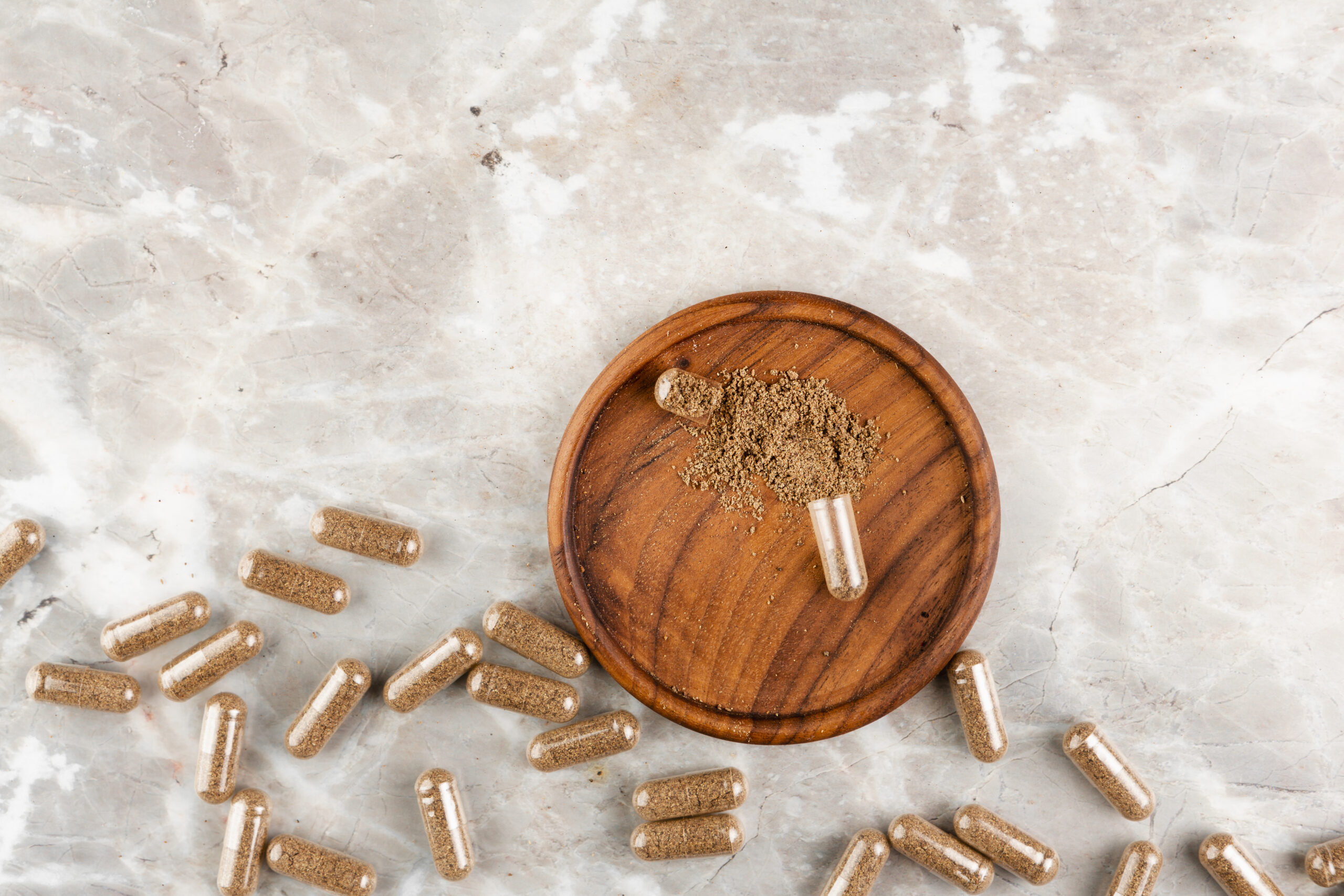
Powders and capsules: not all are created equal
Powdered sea moss can be made by drying and milling whole seaweed—straightforward in principle. But some powders are produced with higher-heat methods to speed things up, which can reduce functional gel properties. Capsules add another layer: you often can’t see, smell, or hydrate the product to judge quality, so you’re relying heavily on labeling integrity and testing.
Here’s a practical way to think about it: the more “distance” between you and the original plant, the more you should demand evidence—batch testing, clear species identification, origin, and ingredient simplicity.
Ready-made gels: the ingredient list tells the story
Prepared gels can be perfectly reasonable when they’re made fresh, refrigerated, and minimally formulated. But shelf-stable gels often require preservatives, acidity regulators, and thickeners to keep texture consistent over time. Some include sweeteners or flavors that turn a simple sea vegetable into something closer to a dessert.
If you’re curious what minimally processed options typically look like in the marketplace, browsing a collection of whole, dried sea moss can be a helpful reference point. For example, this resource on a natural marine superfood for wellness shows the kinds of products that are generally closer to “ingredient-as-is,” which makes comparisons against powders and gels much easier.
How Processing Can Change Sea Moss in Real-World Use
Let’s move past theory and talk about what you’ll actually notice.
Texture and gel behavior
Natural, whole sea moss—when soaked and blended—tends to produce a gel with a distinct slip and elasticity. Overly processed material may create a thinner gel or one that separates quickly. That doesn’t automatically mean it’s unsafe, but it can indicate the seaweed’s natural fibers have been altered or the product is diluted.
Taste and aroma
Whole sea moss usually has a mild ocean scent that rinses down significantly after soaking. If a product smells strongly chemical, overly perfumed, or unusually “clean” (think bleached-paper clean), that’s worth questioning. Some processed products are deodorized or treated to standardize appearance and smell, which can be a red flag if the brand can’t explain how.
A Practical Checklist for Choosing Wisely (Without Overthinking It)
You don’t need a lab to make a smart decision, but you do need a few good questions. Use these the next time you’re comparing options:
- What are the ingredients—exactly? Sea moss should not require a long supporting cast.
- Is the species and origin disclosed? Vague sourcing is common in lower-transparency products.
- What processing method is used (air-dried vs high-heat; milled vs extracted)?
- Is there third-party testing for heavy metals and microbial safety? Especially important for sea vegetables.
- How is the product stabilized? Refrigerated gels generally need fewer additives than shelf-stable ones.
- Does the product’s look seem “too perfect”? Uniform color and zero scent can signal bleaching or heavy processing.
(That’s the only checklist you need—after that, it’s mostly about aligning the format with your routine.)

Choosing the Right Format for Your Routine
A balanced take: natural sea moss and processed alternatives both have a place, depending on your priorities.
Choose natural/whole sea moss if you value:
Control over ingredients, a whole-food approach, and the ability to judge quality directly. It’s also ideal if you want to avoid additives and don’t mind a short prep routine.
Choose powders or capsules if you need:
Portability and simplicity. If you go this route, prioritize brands that disclose sourcing, testing, and processing details. Convenience is only a win if you’re confident you’re getting a clean, accurately labeled product.
Choose ready-made gel if you want:
A middle ground—especially when it’s fresh, refrigerated, and minimally formulated. Just be realistic: longer shelf life usually comes with trade-offs.
The Bottom Line
The biggest difference between natural sea moss and processed alternatives isn’t marketing—it’s transparency. Whole sea moss lets you see what you’re working with and keep the ingredient list honest. Processed products can be excellent, but only when sourcing, testing, and processing are clearly communicated.
If you approach sea moss the way you’d approach olive oil or coffee—asking where it came from, how it was handled, and what was added—you’ll make better choices, avoid hype-driven disappointments, and end up with a product that fits your wellness routine for the long haul.
Written by sagar.linclogy@gmail.com

