The best cosmetic work is invisible. This is not due to a lack of change but rather to a precise and appropriate transformation that enhances the individual’s features while maintaining their natural appearance. When someone says “you look well-rested” instead of “did you get something done?” that’s the outcome patients are actually after. Advanced aesthetic clinics have built entire treatment philosophies around that idea, and it shows in the quality of their results.
What separates a natural outcome from an overdone one isn’t always the product. Technique matters. So does the conversation that happens before anyone picks up a syringe, as it sets the expectations and understanding of the procedure, which can significantly influence the patient’s satisfaction with the outcome. Patients who understand what goes into that process tend to make better decisions and come away with results they’re genuinely happy with. Clinics that combine genuine medical expertise with a results-first mindset, like Rivkin Aesthetics, tend to produce work that holds up over time rather than requiring constant correction.
The Shift Toward Natural-Looking Results
For years, the cosmetic world operated on a logic of addition. The focus was on adding more volume, more definition, and more of everything. Treatments were applied without enough attention to how features worked together, and the results often reflected that.
That’s changed. Providers today think in terms of balance and proportion, not just product. The goal isn’t to overwrite someone’s features; it’s to work with what’s already there. This shift has been driven by changing patient expectations and a clearer understanding of what makes a face look refreshed versus altered, which includes recognizing the importance of individual facial anatomy and the desired outcomes of each patient.
How Clinics Assess Each Patient
No two faces respond to treatment the same way. Before anything is recommended, a thorough assessment looks at facial structure, skin quality, volume distribution, and how features relate to one another across the whole face.
Facial Mapping and Proportional Analysis
Facial mapping divides the face into zones and evaluates how changes in one area ripple through the rest. Providers examine symmetry, the relationship between the upper, middle, and lower thirds of the face, and how elements like the brow line, midface, and jaw interact under different conditions.
It sounds technical. But the practical effect is simple: a treatment placed in exactly the right spot can look effortless, while the same treatment placed incorrectly can throw off balance in ways that are challenging to fix. That level of precision is what the assessment phase is designed to protect against.
The Role of Advanced Techniques and Technology
Technique accounts for more than most patients realize. Injectors with a deep understanding of facial anatomy can place product in ways that preserve natural movement, which matters especially with neuromodulators. Incorrect placement doesn’t just affect results; it can interfere with expression in ways that become obvious when a person smiles or raises their brows.
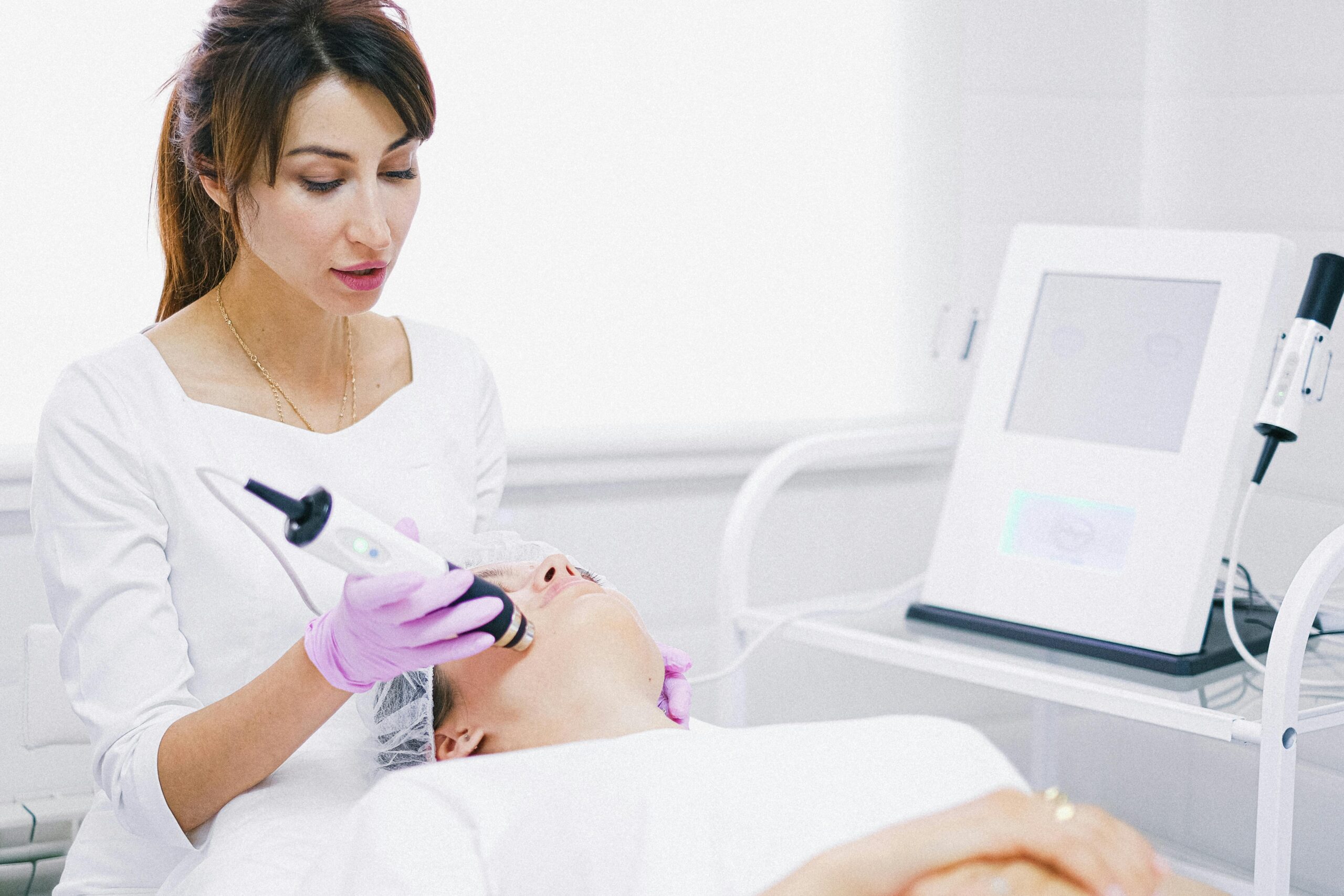
Technology has given providers more tools to work with. High-resolution imaging, 3D simulation, and ultrasound-guided injections have made precision in medical procedures more achievable than it used to be. Some clinics confirm placement in real time during a procedure. Effective use of this capability reduces the margin for error and provides patients with a more predictable outcome from the outset.
Choosing a Clinic That Prioritizes Your Goals
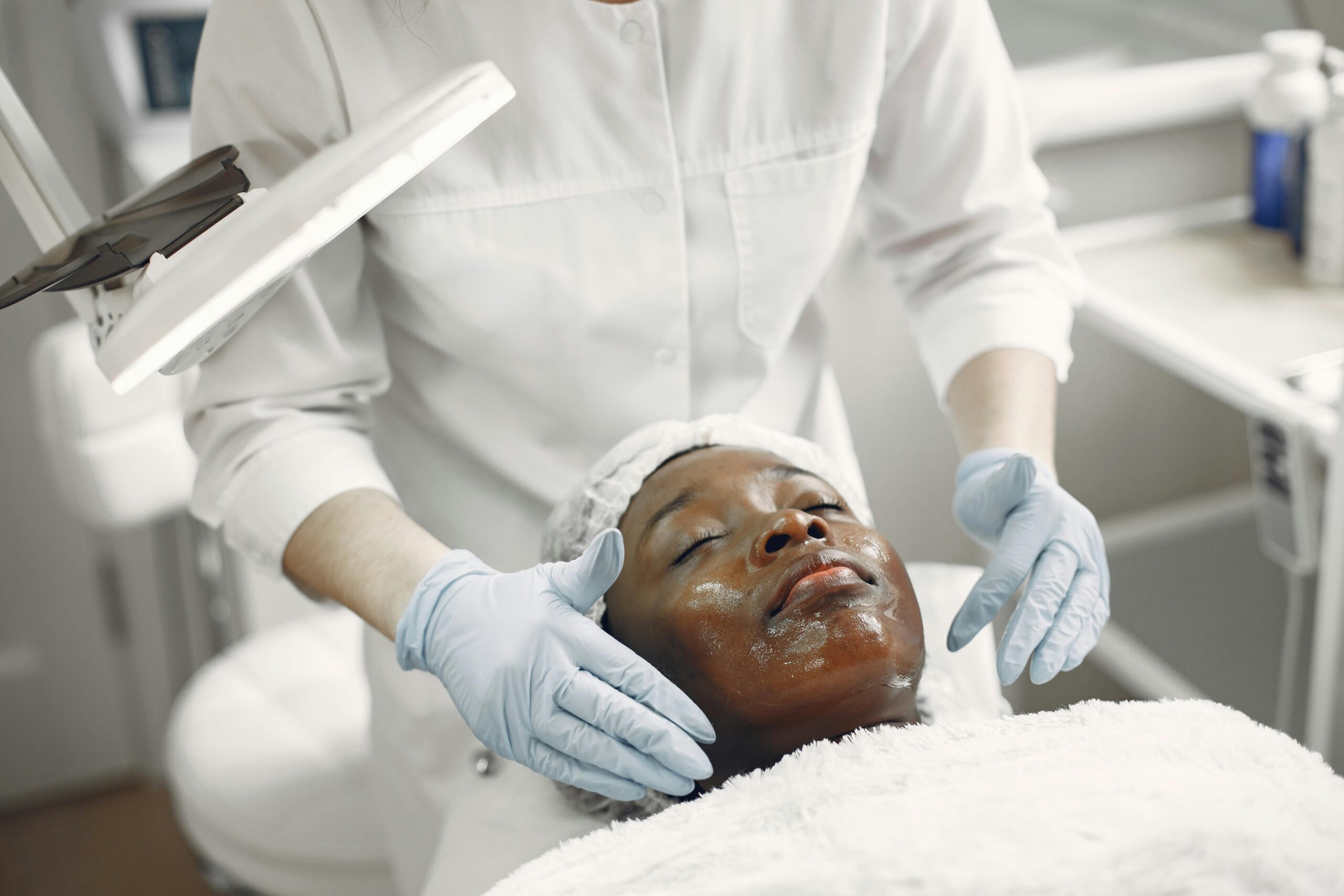
Here’s the thing most people don’t consider upfront: the clinic matters as much as the treatment. Not every provider offering aesthetic services operates with the same priorities. The ones worth seeking out recommend only what actually serves a patient’s long-term interests, often recommend less.
Researching before booking a consultation isn’t optional. It’s probably the most important part of the whole process.
What to Expect During the Consultation Process
A Good Consultation is NOT a Sales Exercise! A good consultation is a process that engages the patient in the discussion of their condition to the degree that they provide you with all the information that you require in order to manage their condition appropriately. In broad terms this involves: A full medical and personal history of the patient – A full discussion of their current condition, their needs and their concerns in relation to that condition – An explanation of what can be achieved through the proposed treatment(s) – An explanation of what can be expected as a result of the proposed treatment(s) – An explanation of the period of recovery following the proposed treatment(s) – The expected duration of the improvements resulting from the proposed treatment(s) – Contingency planning in the event of the need for modification to the proposed treatment plan.
The more a patient understands what is being said to them and what they have to do, the more satisfied they will be. Conversely, the more baffled a patient becomes, the more dissatisfied they are likely to become and the more amendments they are likely to require.
Aesthetic practices who seem to be in such a rush to see you, that they barely allow you to sit down prior to “diagnosing” what needs to be done and before you even realize it, they’re talking about the “procedure” that they’re going to perform on you in order to fix whatever perceived issue you have, are not good practices to visit. Similarly, those who seem to spend more time talking about their services and promotions rather than truly listening to your concerns, are also not a good fit for you.
Long-Term Results Through Ongoing Care
Most cosmetic treatments aren’t permanent. Advanced clinics plan for maintenance from the outset, rather than treating it as a last-minute consideration. Follow-up appointments are built into the original treatment plan, not added on later.
Regular check-ins let providers assess how results are holding up and make small adjustments before anything becomes a problem. According to the American Society of Plastic Surgeons, minimally invasive procedures have grown steadily over the past decade, reflecting exactly this trend: patients choosing subtle, maintenance-based approaches over dramatic one-time interventions.
The Standard Patients Should Expect
That perfection occurs naturally is not a coincidence. It demands from the surgeon a full understanding of the patient’s anatomy and needs, a precision of technique and appropriate technology, and from the patient a doctor who truly listens to them. However, the patient also has to do their part by asking the right questions, going to the right clinic and by being actively involved in the process. The good clinics are able to achieve this. At least that is what one can reasonably expect from them.
Written by diginerpro@gmail.com