
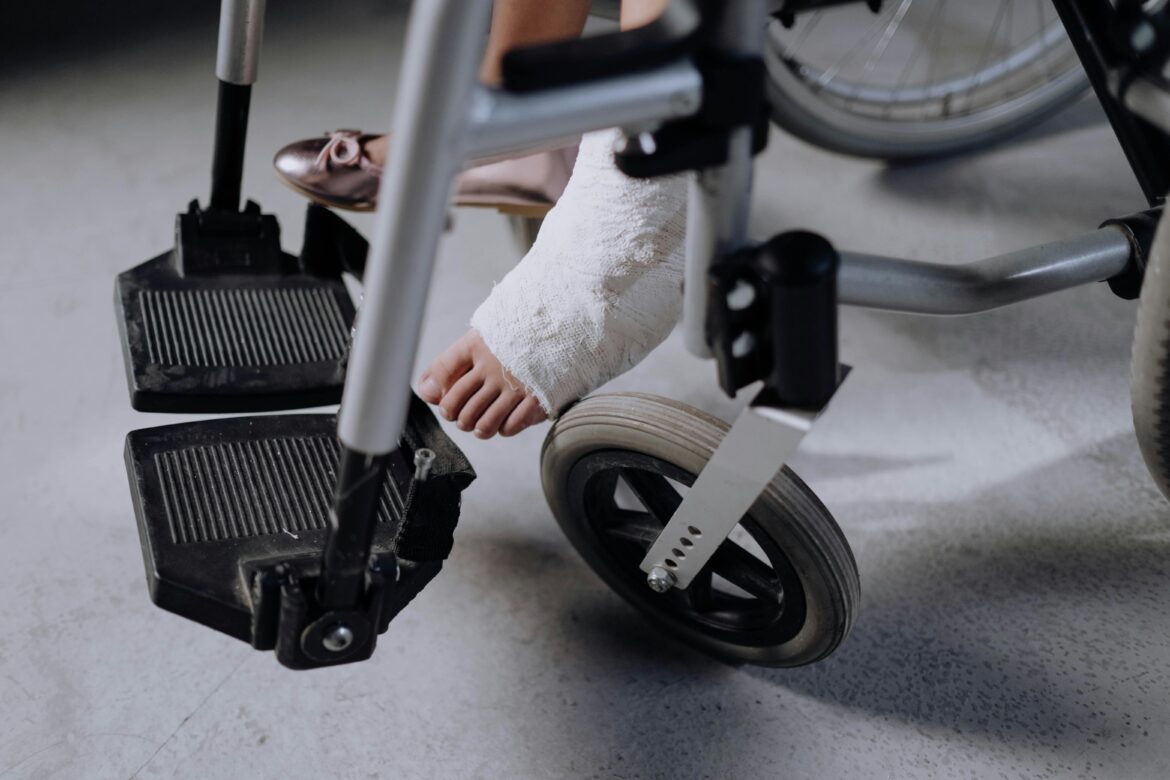
Injuries are often over-explained and under-explained and the factors that contribute to the injury from the time of the initial trauma through to the rehabilitation phase can be numerous and varied. What is explained and what is not can be very individual and two individuals presenting with the same signs and symptoms may require very different approaches to their rehabilitation. For example a diffuse calf injury due to chronic overloading is a very different injury to one that occurs after a fall or a direct trauma.
The origin of the strain will affect more than just the first few days. It can impact days 4-7 and potentially long term recovery. The damage caused to the muscle fibres will affect the way your body recovers, the nature of the post injury symptoms you experience, the length and severity of the recovery period and can often lead to misinterpretation of your body’s requirements.

Not All Injuries Start the Same Way
Many acute injuries occur as a result of a traumatic event. An acute ankle sprain can occur because of a specific event such as the ankle dorsiflexing (pointing up) while the foot plantarflexes (points downward). An acute finger sprain can occur when an object falls onto the finger. A fracture of a bone can occur if a person falls and lands on the bone. Acute injuries that occur as a result of an event are typically understood by the person who is injured and the people who witnessed the event. The time when the injury occurred is known. The event that produced the injury occurred in the present. The event that occurred to produce the injury is typically remembered.
Some injuries are the result of an acute traumatic event. Other injuries are caused by repeated stress due to athletic, work, postural or movement factors. Over time the soft tissues wear and tear until the individual realizes that the severity of their initial ache has changed to a persistent discomfort to now being a significant source of pain.
It is crucial that the body and mind understand that the first injury was a significant event. That the body’s first injury was its distinguishing experience matters early in the injury process. The body reacts to a sudden and severe stress that is clearly associated with the onset of pain and injury differently than it does to a chronic, low level of stress such as that imposed by a dull ache or repetitive strain. The nature of the mechanism of injury can also influence the degree and nature of the body’s healing response during the rehabilitation period.
How Injury Mechanism Influences Tissue Damage
Trauma of sudden onset can lead to an overload to varying extent to a tissue surface that has not had the opportunity to adapt. The muscle, ligaments, tendons and joints can be overloaded in a matter of seconds. Due to the rapid development of symptoms such as swelling, pain and decreased function, it is often easy to diagnose the injury.
Force is not just a matter of shaking or jarring. Repetitive strain is an entirely different force. This force may be lighter, but it is continuous. As your body adjusts to this force, your tissues begin to lose their resiliency, become stiffer and inflamed. As the motion continues, the range of motion will decrease and you may notice the motion slowing and becoming increasingly painful. Although the effects of the force maybe less obvious, the damage is no less significant.
Why everyone’s recovery journey is different: Acute vs chronic injuries. An acute injury will require some degree of protection and stability in the initial stages of the recovery process. A chronic injury caused by a load management issue will require a change in movement pattern and some time to allow the soft tissue inflammation to dissipate.
Why Some Injuries Feel Worse or Better Than They Are
Pain does not always reflect the amount of damage that is sustained. In some cases the body can sustain only a little damage but suffer intense pain. Conversely the body can endure quite a large amount of damage with little pain being experienced.
Acute injuries often elicit a strong response early in their progression. Pain is sharp, swelling is obvious and function is limited sooner. A strong response to an acute injury is not necessarily a negative thing. The symptoms of a gradual injury are less apparent. The symptoms may be intermittent, mild or only occur with certain movements.
There can be a disconnect between what we feel and what our bodies may need in order to recover. This can lead to us over or under-managing the injury. While some of us tend to push an injury too hard and too soon, others tend to do too little and not enough. The key is to look beyond short term pain.
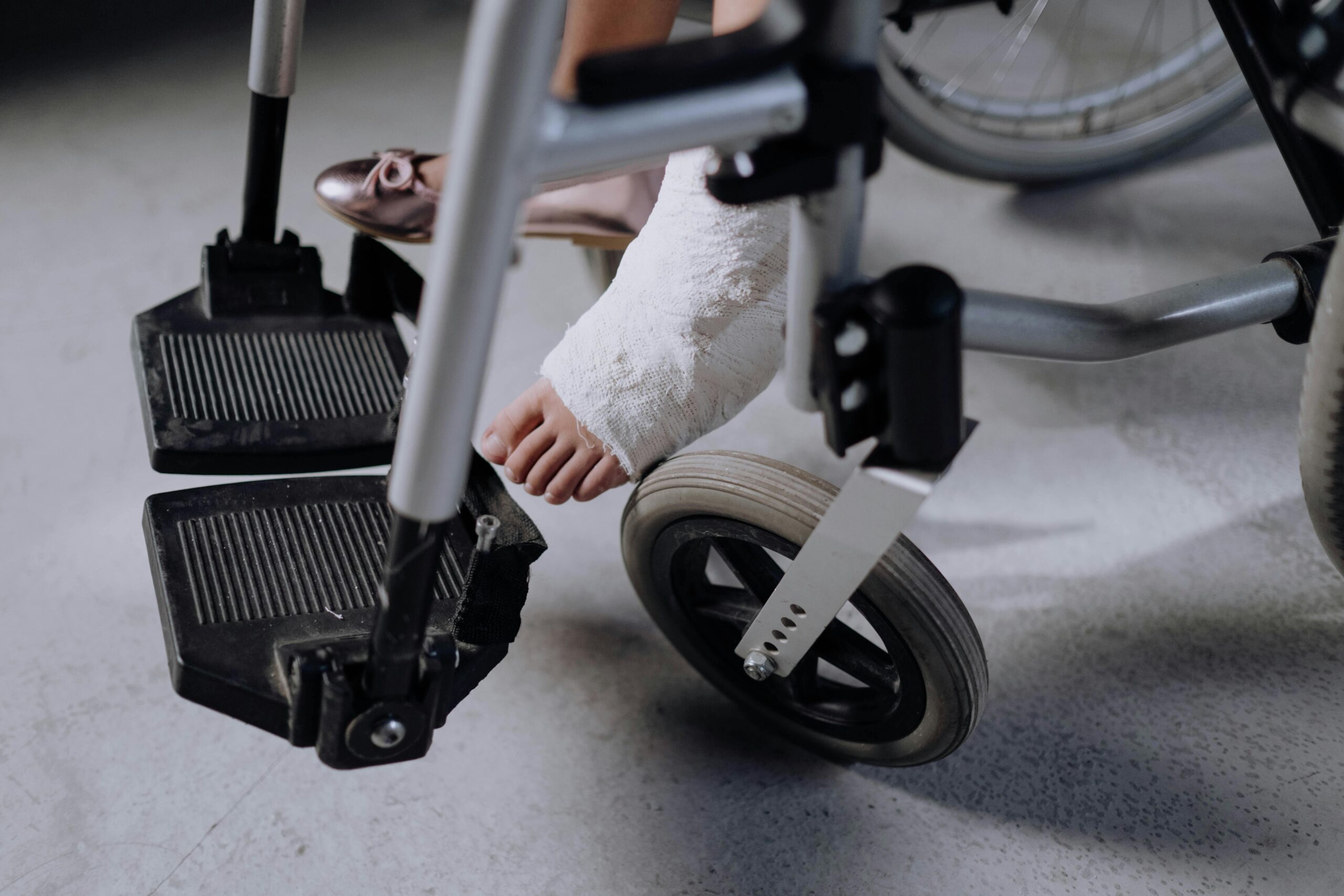
External Trauma vs. Internal Overload: Why It Matters for Recovery
Injuries caused by external events often involve multiple structures. A fall, collision, or sudden impact can affect muscle, connective tissue, and joint mechanics in the same area. Even when symptoms seem straightforward, the full picture may be more complex.
In cases tied to vehicle collisions or other sudden impacts, recovery can involve more than pain management, especially when careful records matter for insurance or a personal injury law office involved in the case.
Overuse injuries usually follow a different pattern. They are more often linked to repeated stress, training errors, poor recovery, or movement habits that keep loading the same area in the same way. That changes the focus of care. Instead of responding to one sharp event, the goal is often to reduce ongoing irritation while improving how the body handles load.
Knowing whether the problem came from external trauma or internal overload helps set realistic expectations. It also helps explain why two injuries with similar symptoms may need very different responses.
How Injury Origin Affects Healing Time and Progress
Healing is not always a straightforward process. The body’s recovery from an injury can be a nonlinear experience with periods of rapid improvement alternating with intervals of relative inactivity. The early stages following an acute injury can sometimes appear as a slow start. Swelling, pain and muscle spasm can all slow the rate of early movements. It is only later as the body starts to heal and the swelling settles that the pace of progress may become more apparent.
Overuse injuries are a bit more complicated. Sometimes people are still able to walk, work, or train so they feel fine and don’t realize that they have an injury. Symptoms may only occur during a specific task or movement and when the stress of that task is relieved the body feels better as well. Once the stress is applied again the symptoms return. Understanding this pattern of symptoms can help alleviate some of the frustration when the body “should” have been better by now.
One of the common factors that are spoken about when it comes to tissue injuries is the rate of recovery and how it can differ from person to person. In order to start to understand this we have to consider the mechanisms of the injury and the rate at which the body can return to normal and function free of pain. It is also very important to remember the context of the injury. For example in the case of a traumatic injury to soft tissue we see that the inflammation phase can be quite short. In contrast to this an old injury may take longer to settle as there has to be a significant change in the loading pattern of the tissue for the full set of symptoms to be resolved.
The Importance of Early Interpretation and Decision-Making
The first days following an injury are decisive for the whole rehabilitation process. A misdiagnosis can trigger a whole series of inappropriate reactions and actions.
When an individual experiences a traumatic injury they may begin a new activity as part of the process of attempting to return to normal. The pain associated with the original injury is frustrating and uncomfortable but is often relieved relatively quickly as the body begins to heal. Often, however, this is well before the damaged tissue is ready for full function. Overuse injuries can occur where an individual rests completely until the pain associated with the injury has subsided. They then repeat the same activity which originally caused the overuse injury, expecting that their body has fully recovered. Neither of these body reactions is what is required for optimal tissue healing.
Sometimes, less is more and a better starting point is simpler. So, I ask three basic questions to try to get to the bottom of the problem: 1. What has happened? 2. What has changed? 3. How did the symptoms arise? This usually points me in the right direction and helps me work out whether your body needs immunisation, a gradual rehabilitation programme, a change in the way you are moving or examination of the tissue itself. However, even getting to the root of the problem does not always provide the solution. At least it prevents unnecessary problems occurring.
When to Take a More Cautious Approach
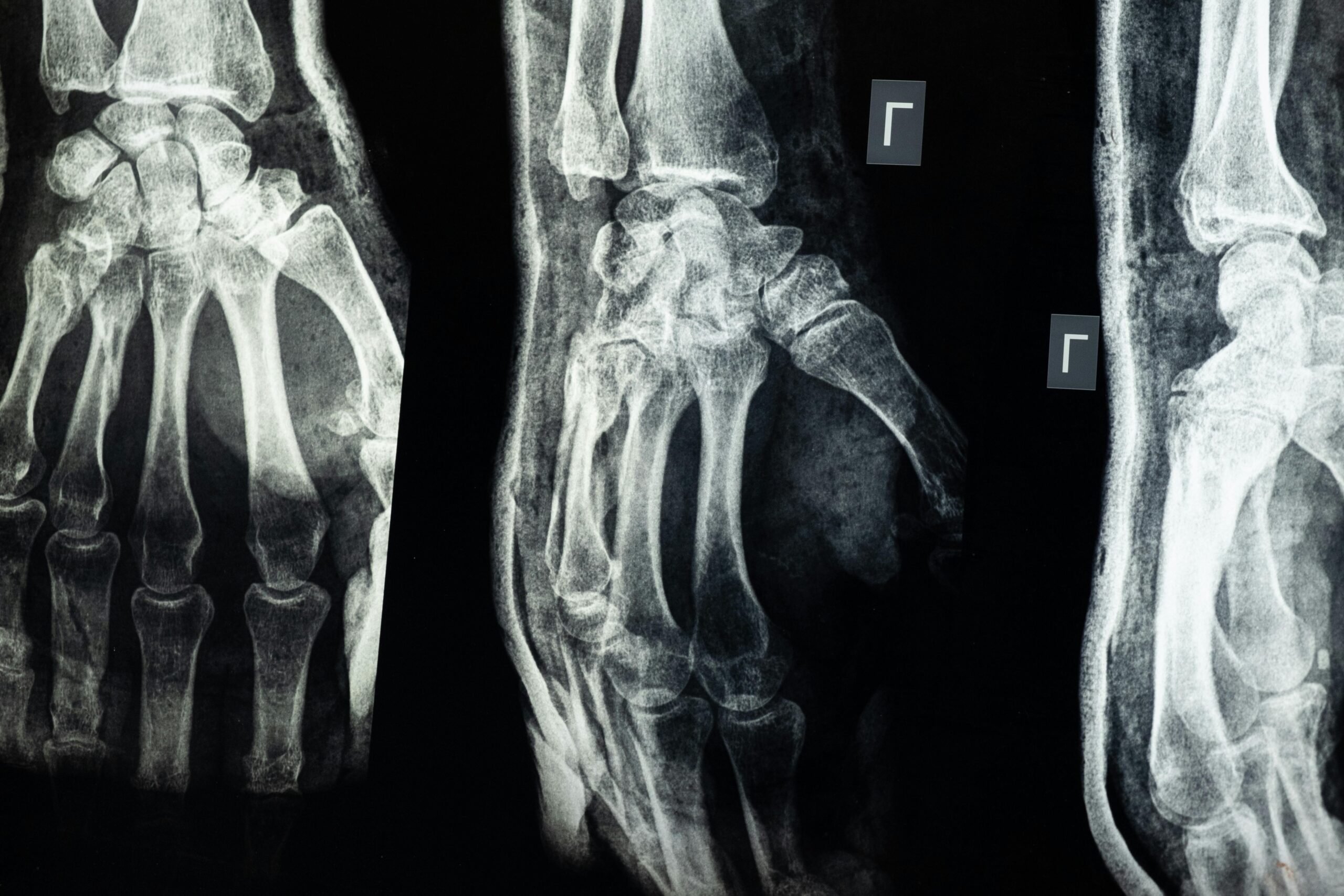
Some injuries deserve a slower, more careful response. Persistent pain, clear weakness, noticeable swelling, or loss of range of motion can suggest deeper involvement than a basic strain or flare-up.
The same is true when the mechanism is unclear. If someone cannot explain how the pain started, or if symptoms do not match the expected pattern, it makes sense to be more measured. That does not mean assuming the worst. It means giving the body and the situation a little more respect.
A basic approach to sprain care can add useful context here, especially when swelling, instability, or reduced motion make it harder to judge how much tissue may be involved. A cautious approach is not the same as doing nothing. It simply means avoiding rushed decisions while the picture becomes clearer.
Understanding the Bigger Picture of Recovery
WHERE PAIN IS LOCALISED IS NOT THE DETERMINING FACTOR FOR RECOVERY. Other factors must be taken into account such as: – stress that the tissue has suffered – time that the injury has taken to develop – how the body recovers from new loads that are imposed – involvement of other tissues.
That is why injuries with the same symptoms can vary significantly in terms of length of time required to heal. Some athletes will only require a few sessions of adjustment to training technique and a little education in terms of pacing before they are ready to progress. However, other injuries may require a longer period of time to heal and will require the athlete to undertake different components of the rehabilitation program at different rates.
Viewing life from a different angle can significantly reduce sources of frustration and anxiety. When the focus is no longer on the time frame of recovery and the mind is able to understand that recovery rates will vary, it can help to reduce feelings of why things are speeding along, stagnating or even coming to a standstill. When one’s perspective broadens they are better able to make healthy choices and worry less about past choices.
Applying This Knowledge in Practice
In real life, one of the most useful questions is still the simplest one: how did this start?
The answer often gives more direction than symptoms alone. It helps shape decisions around movement, activity levels, and recovery strategy. It also makes it easier to tell whether the body is dealing with a short-term reaction to a specific event or a problem that has been building for a while.
That kind of thinking also fits a structured approach to injury recovery, built around timing, load management, and gradual progression.
Using the cause as a starting point does not replace proper assessment. It improves it. It leads to clearer decisions, fewer false starts, and a more realistic path back to normal activity.
Conclusion
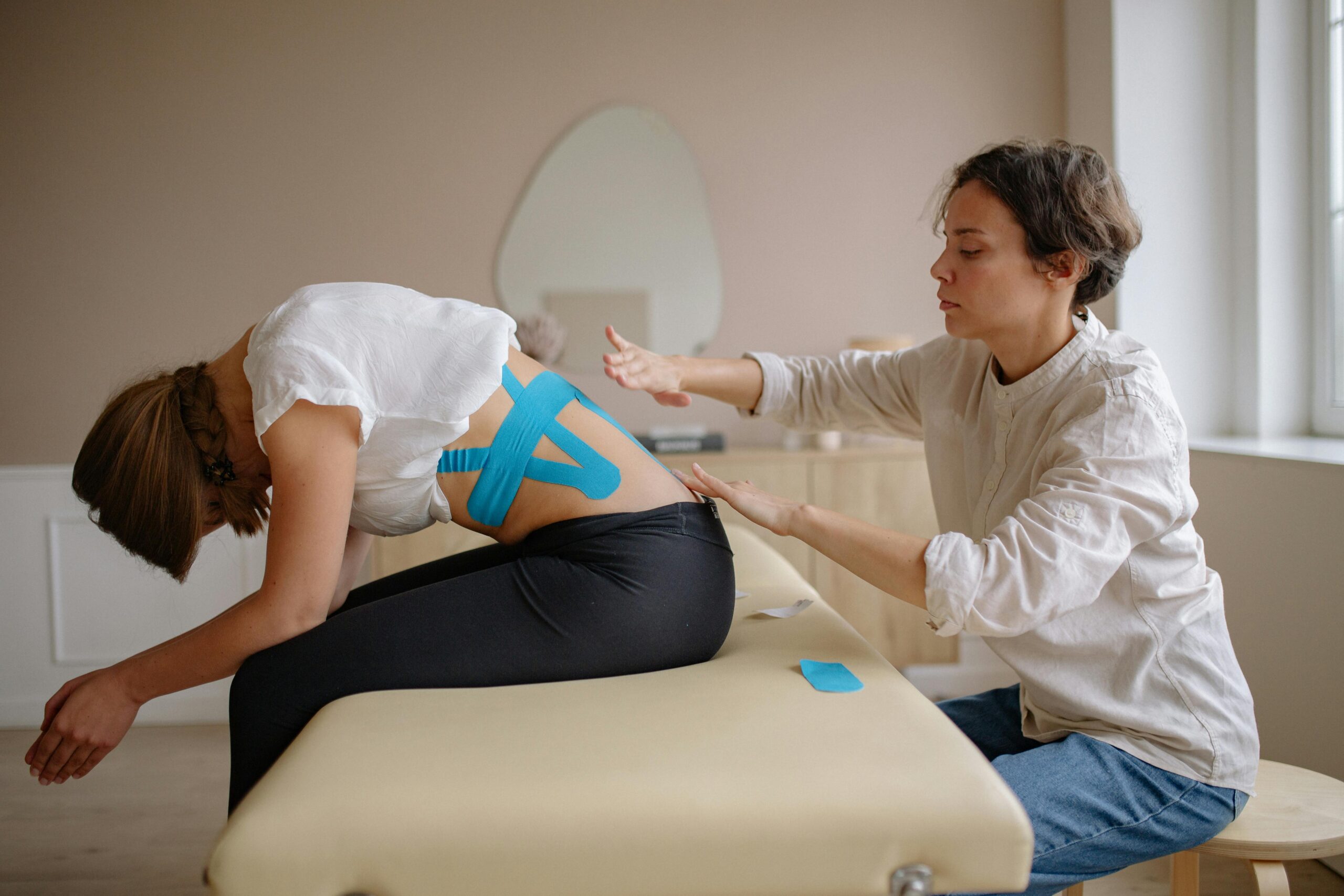
An injury is not defined by location alone. The cause matters, and it matters early. It shapes how symptoms appear, how the body responds, and how recovery is likely to unfold.
Paying attention to the mechanism of injury makes the whole process easier to understand. It gives context to pain, helps explain uneven progress, and supports better decisions from the beginning. That does not guarantee a perfect recovery, but it does create a smarter one.
Written by jason.littlehouseinthevalley@gmail.com