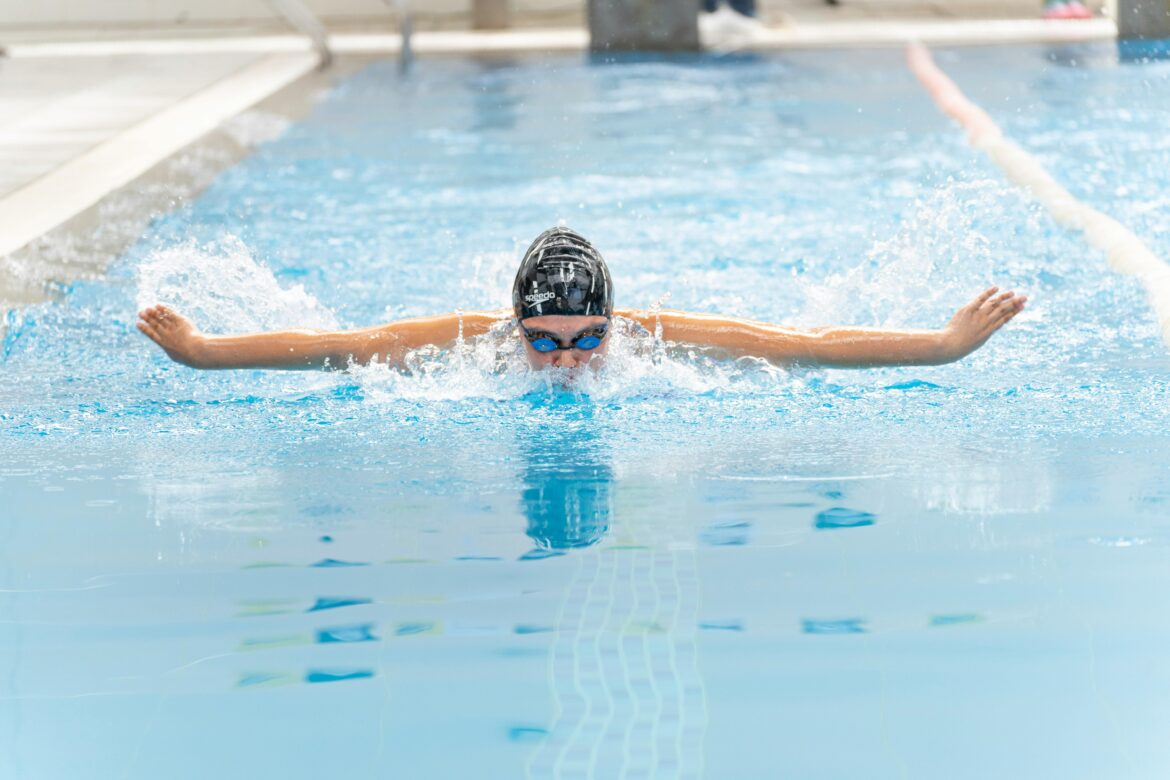
Swimming has long been considered one of the “holy grails” of exercises, along with other options such as cycling and elliptical training. However, what sets swimming apart from these other options is the incredibly low-impact nature, as well as the tremendous number of ancillary benefits that have an effect on almost all other parts of one’s body. While many of you may already be aware of this fact, we will dive into the details of what makes this exercise so beneficial for individuals of all ages and abilities, from children seeking a fun form of exercise to those with physical limitations seeking a robust way to maintain their physical fitness.
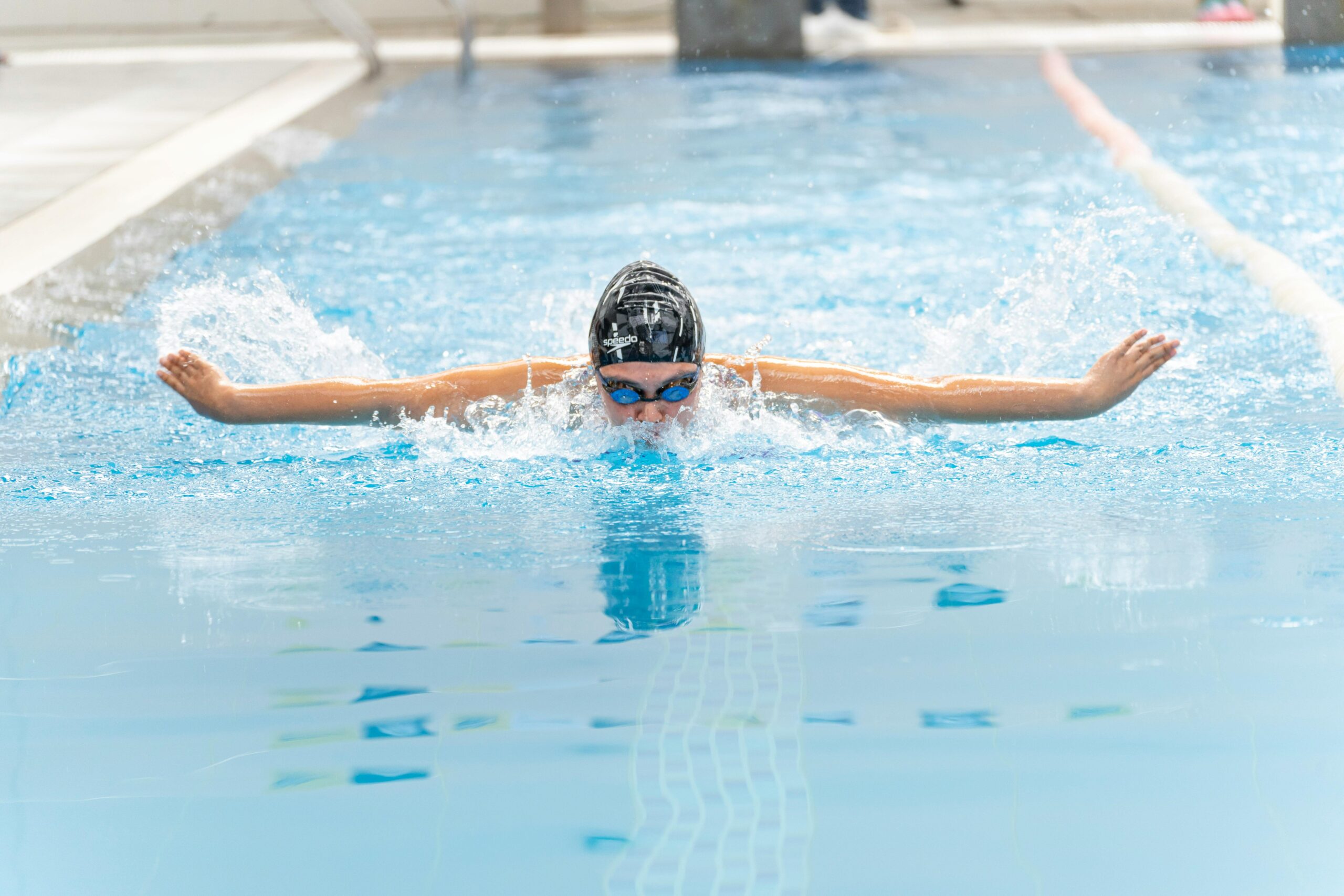
It’s A Workout That’s Fun And Helps Build Confidence
For many, exercise and workouts can be a chore that makes the entire process something that they really try to avoid. As such, it makes sense to find something that can meet not just the requirements for building muscle and creating a fantastic cardio workout, but also something that is enjoyable and can help to build confidence to continue the practice. According to information from the British Swim School, with the right training, it’s possible to become fully acclimated to the water and learn the correct techniques and strokes that will have a tangible impact on your ability to swim. Once you have mastered the basics, you can move from regular swimming in your local pool to heading out to the ocean to really get your muscles working in overdrive and hitting those muscles usually hidden and less impacted during your more leisurely swims.
The Science Of Resistance
Fluid dynamics isn’t something that we’re going to get too deeply into the weeds about in this post, but very generally speaking, you can split it into two categories:
- Air resistance: This is the sort of resistance that you feel when moving through the air. You can feel this effect when you put your hand outside the window of a moving car. It’s not really tangible in normal life, meaning that you will struggle to build any real muscle from air resistance alone.
- Water resistance: The resistance you feel in water is far more intense than in air due to the density of molecules found in it.
To build muscles, you need to create resistance that stresses them enough to cause microtears, which, when paired with proper nutrition and plenty of high-quality protein, will eventually rebuild them larger and stronger.
While the best way to build larger muscles will always be by lifting weights and other forms of anaerobic exercises, the issue with these options is that they cause massive amounts of stress on the body that can sometimes cause injuries. Swimming offers a similar level of resistance but without the risk of serious injury that conventional weightlifting can cause.
If you really want to get scientific about it, swimming utilizes isokinetic principles that enable you to build muscle without the usual musculoskeletal wear and tear more associated with other options.
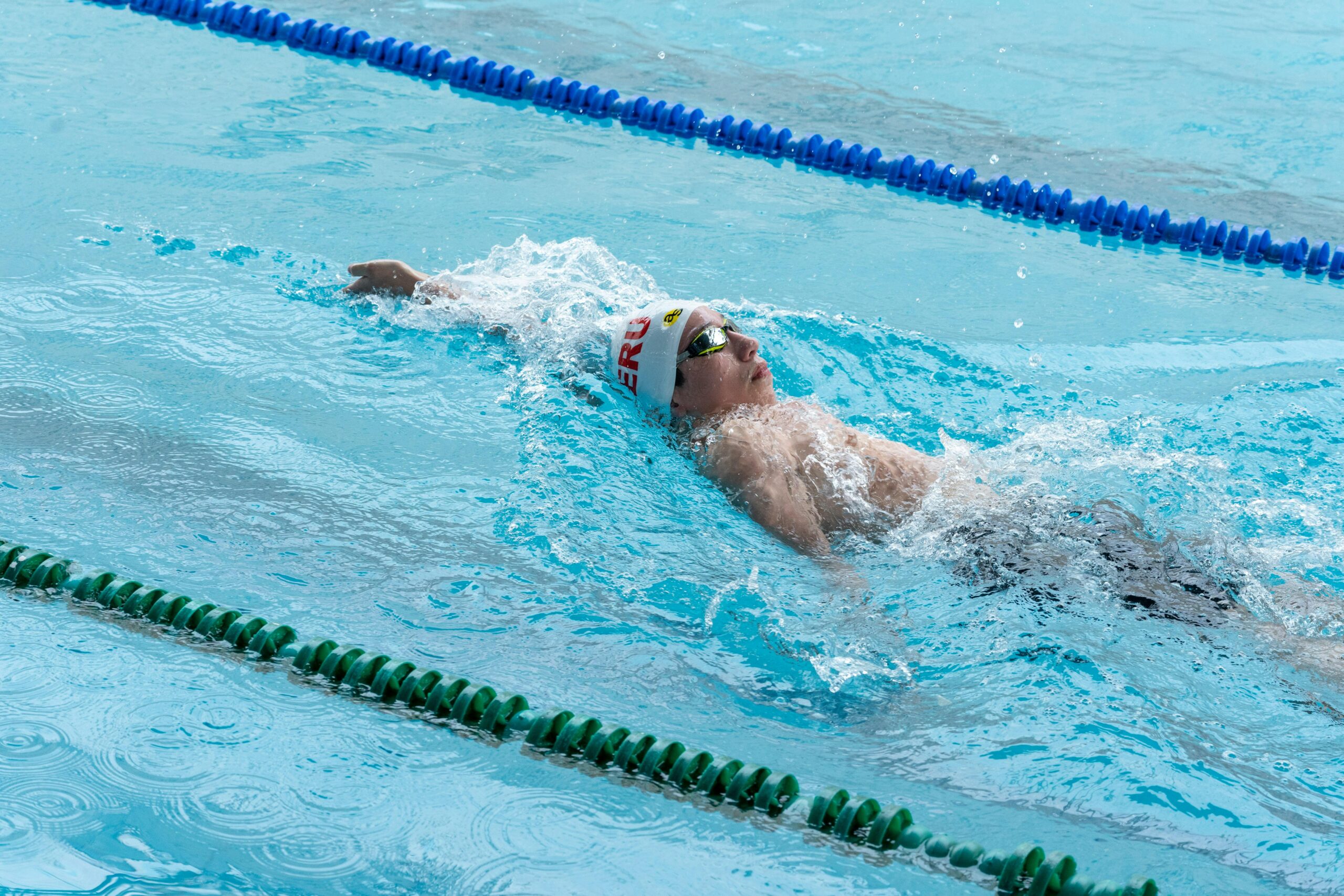
Primary Muscle Groups Targeted By Stroke
If you’re after enormous biceps and a chest that would make Arnold jealous, you are probably going to be out of luck (unless you participate in Michael Phelps levels of practice and nutrition). But with that said, you ought to build a very aesthetic body with enough practice (along with eating healthy, of course). Different strokes can also have different effects on the various parts of your body, so for an all-around workout, it’s best to practice as many different strokes and employ them throughout your swimming sessions regularly.
| Stroke | Primary muscles worked | Secondary benefits |
| Freestyle |
|
Core rotation and obliques |
| Breaststroke |
|
Incredibly explosive leg power |
| Backstroke |
|
Builds posture |
| Butterfly |
|
Builds power output |
Nutrition And Supplementation For Swimmers
As we’ve already noted throughout this post, you need to combine a routine of relatively intense swimming with the right sort of nutrition if you’re serious about building muscle. Exercise alone will only serve to help you lose weight, and conversely, if paired with junk food, will see you gain unhealthy mass. To engage your body in hypertrophy, your best friend will be protein, usually recommended in a ratio of around 1.6 to 2.2 grams of protein per kilogram of body weight. But because swimming also burns a huge amount of calories, you need to ensure you also maintain a caloric surplus via high-quality carbohydrates and fats.
The key to building real muscle through any workout or technique is to remain active and keep things regular. You will never build the sort of muscles you might desire if you don’t take things seriously.
Written by lea@sapurex.com