
When most people think about healthcare, they picture the moment of care itself — a doctor visit, a diagnosis, or a treatment plan. But modern healthcare is no longer limited to what happens inside the clinic.
Today, much of the patient experience is shaped by what happens before and after the visit. Scheduling, documentation, insurance processing, and payments all play a major role in how patients perceive care quality.
And increasingly, these behind-the-scenes systems are becoming just as important as the care itself.
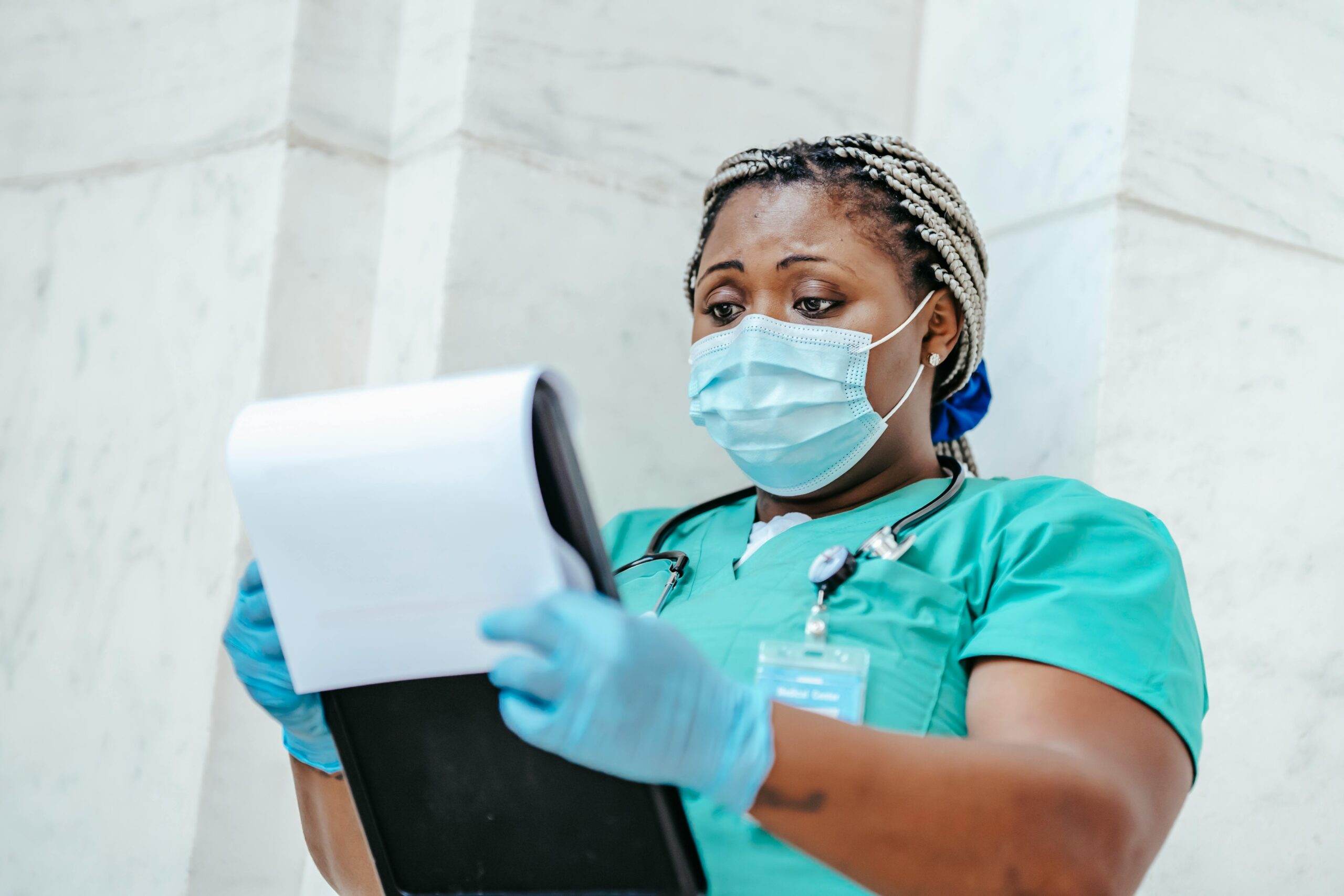
Why Patient Experience Depends on More Than Medicine
After the patient leaves the clinic, many would think that the healthcare visit is all over. Not so. In fact, the healthcare provider and patient can be in communication even more than before.
Patients may receive:
- follow-up instructions
- billing statements
- insurance communications
- payment requests
Even the best medicine can go bad because of slow, confusing, byzantine systems and that’s why we provide a more holistic approach to healthcare that reduces friction for patients and families throughout their journey.
The Shift Toward Connected Healthcare Systems
Until recently, both patient care and administrative services such as billing were managed using separate systems. Providers focused on delivering the best possible care for their patients, while billing specialists worked in the background to ensure accurate payment.
This separation created inefficiencies:
- duplicate data entry
- delayed claims processing
- errors in documentation
- slower patient payments
The next generation of healthcare platforms will integrate clinical workflows and financial processes into one application.
We are implementing a new process whereby patient information collected at time of service will now be used to facilitate billing and payment.
How Technology Is Reducing Administrative Burden in Healthcare
The healthcare industry is plagued by administrative overload, and it is getting more complicated. How can healthcare providers focus on what really matters?
Documentation and coding should be simplified to take less time away from clinical work and to be as efficient as possible.
- clinical documentation support
- coding suggestions
- claim generation
- payment tracking
Take administrative weight off healthcare providers so they can focus on what really matters—patients.

Where Medical Billing Software Fits Into Modern Healthcare
Behind every healthcare visit is a complex financial process that ensures providers are paid and patients are billed correctly. Traditionally, this process has been manual, slow, and prone to errors.
Modern systems like Elation Health medical billing software are designed to simplify this layer of healthcare by connecting clinical documentation directly to billing workflows. Instead of treating billing as a separate step, these systems integrate it into the patient visit process itself. Once a visit is documented, billing data can be automatically generated, reviewed, and processed with far fewer manual steps.
This reduces delays, improves accuracy, and helps practices maintain better financial stability while keeping focus on patient care.
Why Integration Improves Both Patient Care and Operations
Interconnecting clinical systems and billing software can bring many health benefits to facilities beyond streamlined administrative processes.
Patients experience:
- clearer communication
- faster processing of claims
- more transparent billing
- easier payment options
Healthcare providers benefit from:
- reduced administrative workload
- fewer billing errors
- faster reimbursement cycles
- improved operational efficiency
This also aligns care delivery with the backend systems.
The Importance of Reducing Friction in Healthcare Systems
In conventional terms, friction in healthcare relates to the medical friction of a case – in other words, the severity of the case from a medical perspective. However, the other aspects of friction within a health service may also contribute to delay and work for the patient.
This can include:
- unclear billing statements
- delayed insurance claims
- manual paperwork
- disconnected systems
Friction reduction across the care continuum allows healthcare providers to deliver better experiences to patients while enhancing operational efficiency.
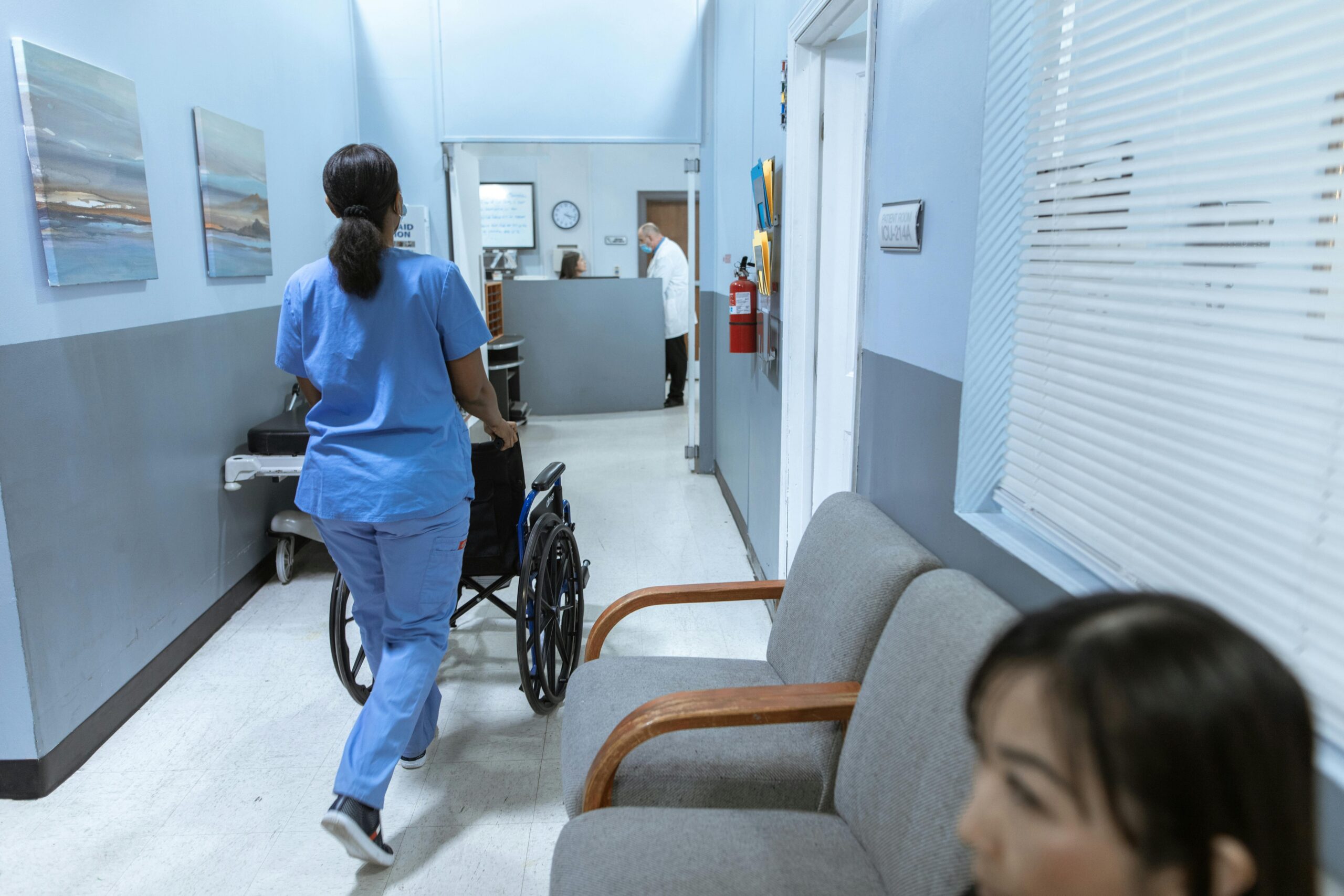
The Future of Healthcare Is System-Driven
The day of complex patient treatments is now. Healthcare has shifted to a behind-the-scenes industry where the most challenging healthcare work occurs to best support both patients and healthcare professionals.
While today’s healthcare environments often center around hand held systems that are manipulated by clinicians, tomorrow’s environments will utilize a variety of systems and devices that integrate and link to manage multiple functions: clinical workflows, financial processing and patient communication.
Conclusion
Healthcare traditionally centers on doctor appointments, hospitalizations, surgical procedures, and pharmacy services. Yet today’s patients are going beyond these accepted boundaries, seeking a more comprehensive approach to healthcare that spans services, products, and meaningful interactions across various channels. How can organizations incorporate this shift in consumer behavior into their strategic planning?
What about an ecosystem for that visit, encompassing documentation, billing and payment processing.
As the trend towards an increasingly integrated healthcare system continues, efficiency, transparency and patient-focused healthcare are all receiving a boost.
Written by usama.boringmagazine@gmail.com