
Prostate cancer treatment has changed significantly over the past two decades, and one of the most important advances has been the move toward minimally invasive surgery. For men diagnosed with localized prostate cancer, robotic radical prostatectomy has become a leading surgical option because it combines cancer removal with a level of precision, visibility, and control that traditional open surgery cannot offer in the same way.
Our robotic prostatectomies offer the surgeon complete control over the operation. The da Vinci Surgical System provides experienced surgeons with the added benefits of robotic surgery. The system accurately translates the surgeon’s movements into much finer and precise movements inside the body, allowing complicated procedures to be performed through much smaller incisions than those required for traditional open surgery. In addition, the surgeon has unmatched dexterity, unparalleled three dimensional visualization and greater control over delicate tissues. These are the areas in which the greatest value of robotic radical prostatectomy over open radical prostatectomy is realized. While patients with prostate cancer undergo similar pre-operative evaluations, the post-operative recovery for the patient is less invasive, has less blood loss, less post-operative discomfort, and a shorter hospital stay. Most importantly, patients typically recover more quickly to return to their daily activities.
While progress in functional recovery (continence and sexual function) is dependent on a number of variables including stage and anatomic features of the cancer and the degree of autonomic nerve-sparing possible, the patient clearly benefits from the precise tissue dissection and overall surgical results offered by robotic assistance.
Robotic vs. Open Prostatectomy in Real Terms
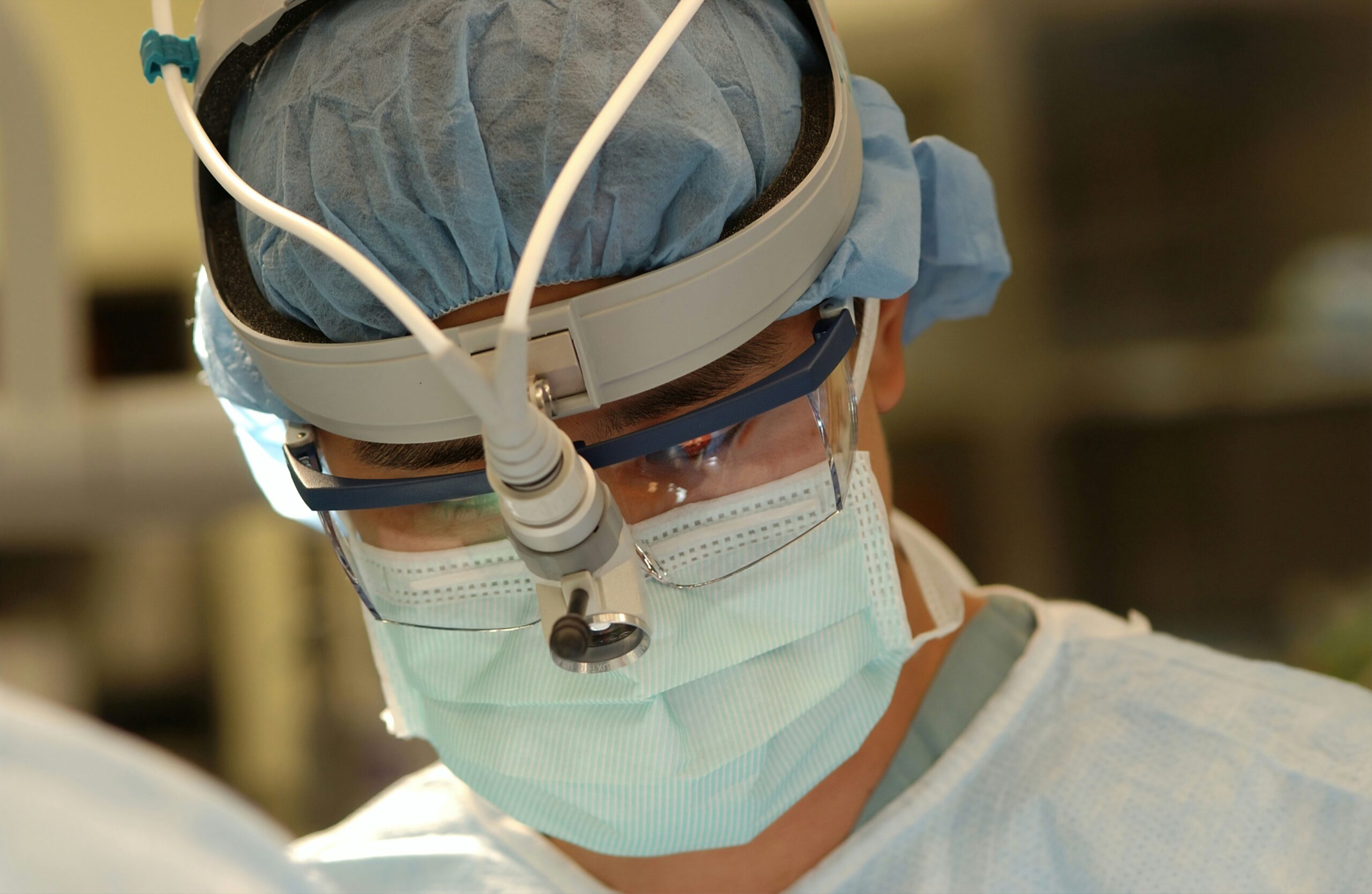
When comparing surgical approaches, the benefits of robotic radical prostatectomy often show up first in the recovery experience. Patients are not simply choosing between two ways to remove the prostate. They are choosing between a traditional open operation and a minimally invasive technique designed to reduce surgical trauma while preserving surgical control.
Where Robotic Surgery Tends to Improve Recovery
Robotic prostatectomy uses small incisions instead of the larger incision required for open prostatectomy. That difference can lead to meaningfully reduced blood loss, less post-operative pain, and a shorter hospital stay. Catheter duration may also be shorter in many cases, and most men can begin returning to light daily activity within a few weeks rather than facing the longer recovery window often associated with open surgery.
Cancer control remains the central goal of any radical prostatectomy, and long-term outcomes can be strong with either robotic or open surgery when the right approach is matched to the right patient. A comparative clinical study supports the broader point that surgical outcomes depend on both patient selection and operative approach rather than technology alone. The advantage of robotic surgery lies in how the operation is performed. It can make the surgical experience less physically disruptive while still allowing the surgeon to remove the cancer with curative intent.
Robotic surgery may also offer an important functional advantage during nerve-sparing procedures. The magnified 3D view gives the surgeon a clearer look at the neurovascular bundles surrounding the prostate. That improved visibility can support more precise dissection and more careful nerve preservation, which may improve the chances of recovering urinary control and erectile function after surgery.
Why Surgeon Experience Still Matters
“Cool cutting-edge technology” has been advanced by proponents of robotic radical prostatectomy. It is important to note that there is very little actually “innovative” about using a robot to remove the prostate; what is important is bringing this technology to bear on this common operation by a knowledgeable and experienced urologic cancer surgeon. The key is a surgeon well-versed in the relevant prostate anatomy, prostate cancer biology, and nerve-sparing surgical techniques.
Although technological advancements have improved patient outcomes with respect to post-operative complications, return of function, and negative surgical margins, these factors are still impacted by a variety of variables, including the surgeon’s overall experience, the complexity of the case, and the grade and stage of the tumor. Therefore, it is crucial for the patient to look not only at the technology, but also at the surgeon’s experience, training, and overall surgical performance with the robotic prostatectomy procedure.
Although open prostatectomy has a role in the management of medium to large prostates for certain indications including unusual anatomy, severe pelvic pelvic adhesols from prior surgeries and a lack of robotic surgery capability in the region, for most patients with localized prostate cancer who are appropriate candidates for surgery, robotic radical prostatectomy is the “modern surgery” approach of choice.
Who Is a Good Candidate for This Approach
Typically patients with prostate cancer are candidates for robotic radical prostatectomy if the cancer is localized (within the prostate). In these cases, surgery of the prostate can be curative and using a robotic system to perform the operation minimizes tissue trauma to the patient. In addition, the extent of the disease is also a factor that can increase the complexity of a case. Early stage prostate cancer is generally the most straight forward to approach with robotic surgery, in that the entire prostate can be removed while attempting to preserve critical structures, and the surgery is generally the least disorganizing.
Having the high magnification of the robotic technology, together with excellent maneuverability and flexibility, allows for extremely precise dissection immediately adjacent to nerves, vessels, and the internal urinary sphincter. In addition to the aforementioned criteria, other patient-specific factors may influence a patient’s suitability for robotic radical prostatectomy. These factors might include the patient’s overall health status, body habitus, prostate size, prior abdominal or pelvic surgeries, and individual patient anatomy. Patients who are generally fit and motivated to recover from surgery tend to do well with robotic surgery. Patients who are overweight or have a large prostate may be offered alternative treatments on initial consultation. Other factors which may influence suitability include previous abdominal or pelvic surgery and individual patient anatomy. However, these factors are rarely a problem for the experienced robotic surgeon.
Decisions regarding treatment for prostate cancer also are influenced by the risk category of the man’s cancer. Very low-risk cancer often is managed with active surveillance. High-risk cancer may require a combination of therapies including surgery, radiation, hormone therapy, and androgen ablation. However, for most men for whom surgery is appropriate, robotic radical prostatectomy is a highly developed and patient-friendly treatment for localized prostate cancer.
What Recovery and Side Effects Usually Look Like
The First Days and Weeks After Surgery
Most patients stay in the hospital for 1-2 days after undergoing robotic radical prostatecty. You will have a urinary catheter placed at the time of surgery that stays in place until your bladder neck and urethra have healed, which is typically 7-14 days. The initial period of recovery is usually straightforward and structured. Most importantly you will be encouraged to be up and about walking as soon as possible after surgery. You will be advised against lifting anything heavy for the time being. Car driving is also contraindicated for a period, and this will be specified at time of surgery. You can expect to be back at work within 2-4 weeks, provided you have a desk job. Progress and pace will then be governed by your own recovery, energy levels and the specifics of the surgical procedure you have undergone.
Another advantage of Robotic assisted prostatectomy is the quicker and easier recovery of patients. While patients need to allow adequate time for surgical incisions to heal, they typically have less postoperative discomfort and a more rapid return to activity when compared with the traditional open surgery approach.
Complications such as infection, bleeding, lymphocele formation, or internal scarring can occur, but they are not common with experienced surgical teams. Careful monitoring after surgery helps identify issues early, while manual therapy approaches used in broader circulatory and swelling-related care show why post-operative comfort, mobility, and fluid management often deserve attention during recovery planning.
Longer-Term Bladder and Sexual Function
Most discussions about the side effects of prostate cancer surgery revolve around urinary incontinence and impotence. The good news is that while some level of both symptoms is likely to be permanent, many men experience an improvement in both with time. Continence is expected to return weeks to a few months after treatment. The best continence outcomes are seen in men in whom the sphincter and other supportive structures are preserved. Similarly, men can expect to have an erection later and this is dependent on a number of factors. These factors include whether or not a nerve-sparing approach was possible, the pre-treatment quality of erectile function and the relationship between the tumour and neurovascular bundles.
With the advent of Robotic Assisted Surgery the patients and their families are often relieved to know that in the hands of an experienced surgeon, the identification and preservation of these nerves is often possible. Obviously every case is different but generally speaking the patient’s chance for the best outcome is related to the location of the cancer within the prostate.
Managing these outcomes may involve pelvic floor therapy, rehabilitation strategies, and medication plans tailored to each patient’s baseline function and recovery progress. In some cases, clinicians may also consider compounded medication when a more personalized formulation, dose, or delivery method is appropriate.
How the Field Is Evolving Beyond Standard Systems
The latest advancement in robotic prostatectomy surgery is single-port robotic prostatectomy (SRP). In SRP, surgery is performed entirely through a single-wound. Current data are evolving, but this technique potentially allows all surgery to be performed through one incision. This technique is different from standard multi-port robotic prostatectomy where four to five ports are used for standard surgical instruments and different from the conventional laparoscopic prostatectomy where standard minimally invasive surgical instruments are used. The technique incorporates the additional degrees of freedom of the robotic instruments and the high resolution 3D visualization provided by the da Vinci Surgical System. Some surgeons are starting to use single-port robotic surgery but currently there is insufficient evidence to suggest that this is widely available in too few centres.
For most men today the choice at present is between conventional multi-port robotic radical prostatectomy and open prostatectomy. Both surgical approaches have their place in current surgical practice and the relative merits and disadvantages remain to be fully elucidated by surgeon and patient alike. However, from these early days it is clear that the future of prostate cancer surgery lies with less invasive surgery, superior magnification and above all, cutting edge surgical technique.
What This Shift in Surgery Really Means
The advent of robotic radical prostatectomy has dramatically changed the face of prostate cancer surgery, providing a surgical method for the treatment of prostate cancer that provides unparalleled visualization and precise manipulation of tissues in one of the body’s most delicate locations. In the appropriately selected patient, this surgical approach is often associated with small incisions, less blood loss, shorter hospital stay, more rapid recovery, and an improved margin for nerve sparing. This technology is not a substitute for appropriate patient selection, and the experienced surgical judgment of the treating urologist will continue to play the most critical role in determining optimal therapeutic outcome.
The cancer characteristics, the patient’s overall anatomy, the therapeutic goals of treatment, and the experience of the surgeon will all continue to be the most important determinants of outcome. For many men with localized prostate cancer, however, Robotic-assisted radical prostatectomy has emerged as the current state-of-the-art standard of care: a technically advanced, highly reproducible, less invasive surgical procedure, designed to provide an optimal therapeutic result, while preserving long-term quality of life for men with prostate cancer.
Written by vicheeno@hotmail.com