
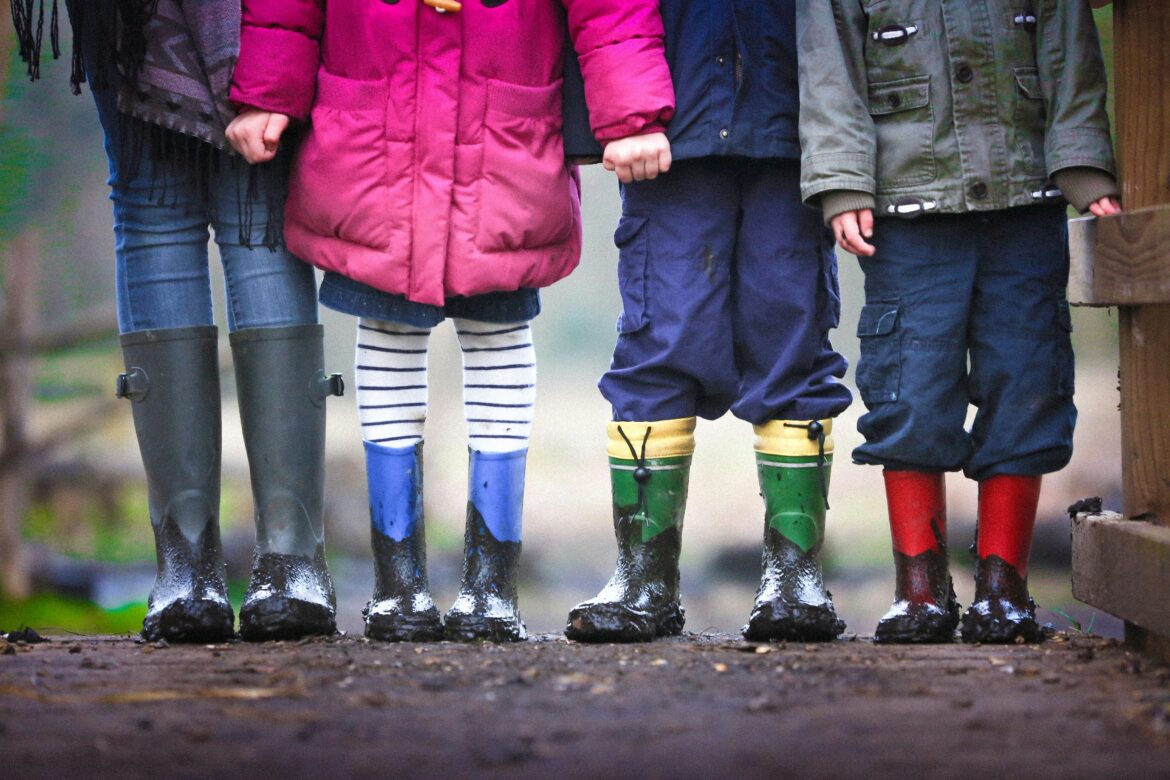
Physical activity plays a vital role in helping children grow into healthy, confident, and capable individuals. Parents looking for information about pediatric mobile urgent care in Virginia can find resources that explain how convenient medical care supports active children when illnesses or minor injuries occur, helping them return safely to their daily activities. While nutrition and sleep are often discussed as essential parts of development, regular movement is equally important for supporting physical, mental, and emotional well-being throughout childhood.
Building Strong Bones and Muscles
One of the most important benefits of physical activity is its ability to strengthen bones and muscles during key stages of growth. Activities such as running, jumping, climbing, and playing sports place healthy stress on developing bones, encouraging them to become denser and stronger over time.
Muscle development also improves when children engage in regular movement. Strong muscles support proper posture, balance, and coordination, making everyday tasks easier while reducing the risk of certain injuries as children grow older.
Supporting Healthy Weight Management
With an ever-increasing epidemic of childhood obesity in many communities across the globe, physical activity for healthy weight management in children is a very important health aspect to promote healthy growth and development of children. Children who are regularly active help burn calories to create healthy habits that will last a lifetime. In addition to burning energy, physical activity can boost a child’s metabolism. The body’s use of nutrients as energy is increased by physical activity, and as long as a child is consuming a healthy diet then physical activity can help prevent a child from becoming overweight as an adult and help to prevent the serious health problems that are often associated with excess weight later in life.
Enhancing Motor Skills and Coordination
By incorporating physical activity into the lives of children and youth, they are able to improve both their gross and fine motor skills. Movement of all kinds, such as running, throwing, and even balancing can improve the physical fitness of a child and enhance their physical ability to move in many different ways. This improved ability to move in different ways can be very helpful in many different situations. As children engage in different physical activities, children develop control over their bodies. They improve their coordination and as a result, children become confident in their physical abilities, develop interest in different activities, and are able to meet school and out of school demands.
Promoting Cognitive Development
In addition to the physical health benefits to children of regular physical activity there is growing evidence that in a variety of ways physical activity can help children’s development and improve their learning. In particular physical activity has been shown to improve brain development and function and to enhance children’s memory, concentration and their ability to learn. Incorporating physical activity in to a child’s daily routine can enhance their brain power. When a child is participating in physical activity, their brain is growing. The blood flow in the body that occurs with physical activity brings oxygen and nutrients to the brain which allows the child to learn better. A child that is physically active can focus better, have more attention span, and achieve academic goals better than a less active child.
Supporting Emotional Well-Being
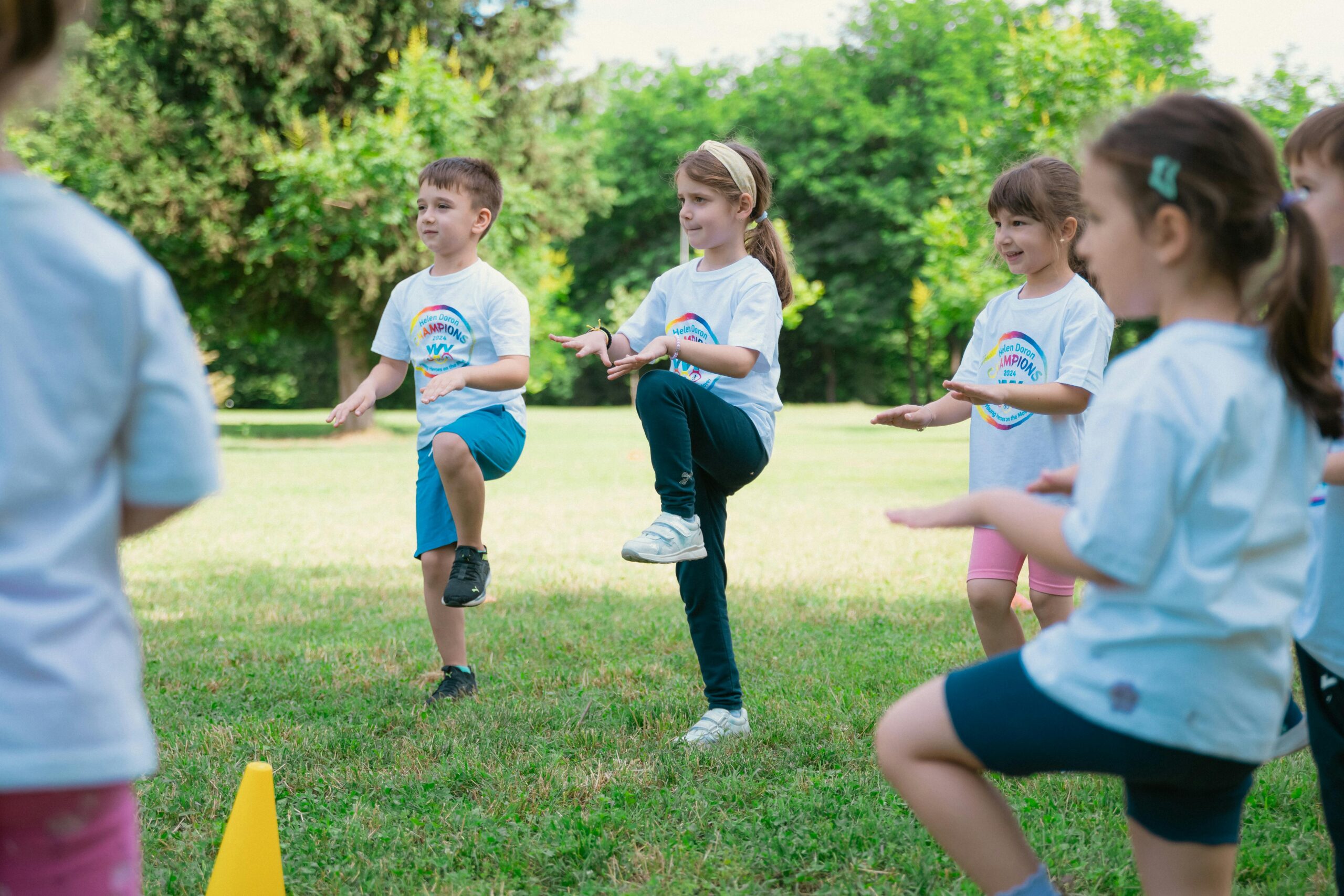
Children can use physical activity to manage through the stresses of school, work, family, peer pressure and other life demands. Physical activity can even help children to handle anxiety and to develop a healthy emotional development by releasing positive chemicals into the child’s body. Physical activity can also boost a child’s self-esteem. Sports, physical recreation, and other types of outdoor activities give children the chance to achieve goals, learn new things, and master tasks. A child’s sense of accomplishment is a healthy way for children to have experience with emotions.
Encouraging Social Skills and Relationships
When kids participate in physical activities, the vast majority of time is spent with other kids. Even solo activities such as jogging or skating can involve others. Thus, physical activity is the perfect setting for kids to learn and practice a host of social skills in a real world setting. On a team, kids learn to cooperate with other kids to meet team goals. Even when kids are participating in physical activities on their own, they are still aware that there are others around them. Kids develop communication skills with their peers, for example learning how to support or encourage a teammate. Kids learn conflict resolution skills. Kids learn to work independently while still being aware of others around them. Kids learn a host of social skills that can be transferred to other parts of life.
These are the type of skills that children can use in all areas of their life. They can help children deal with a wide variety of problems and help them to work with others in order to reach a goal. Whether the child is working in a group at school or playing a team sport, these are the types of skills that will be very useful.
Establishing Lifelong Healthy Habits
Children who are physically active throughout their childhood are healthy adults. This is because they have the opportunity to establish a lifestyle of healthy habits that will help reduce the risk of disease throughout their life. The biggest influencer to a child who wants to be active is the parents and/or caregivers of that child. Children look up to their parents for examples on how to live their lives and if a child sees their parents active and playing then that child will more than likely be active as well. It doesn’t have to be on a sports team but the child needs to see their parents making time for physical activity. Also, children need unstructured free time to play actively and creatively. The child should look forward to being active, not view it as a chore.
Creating a Balanced Approach to Growth

