Back pain and neck discomfort affect millions of people, often interfering with work, exercise, and daily activities. For individuals seeking information about Non-Surgical Spine Treatments in Houston, understanding how the spine moves and responds to stress can provide valuable insight into treatment options designed to address pain without surgery. By learning the principles of spinal biomechanics, patients and healthcare professionals can better identify the causes of pain and develop strategies that support lasting relief.
What Is Spinal Biomechanics?
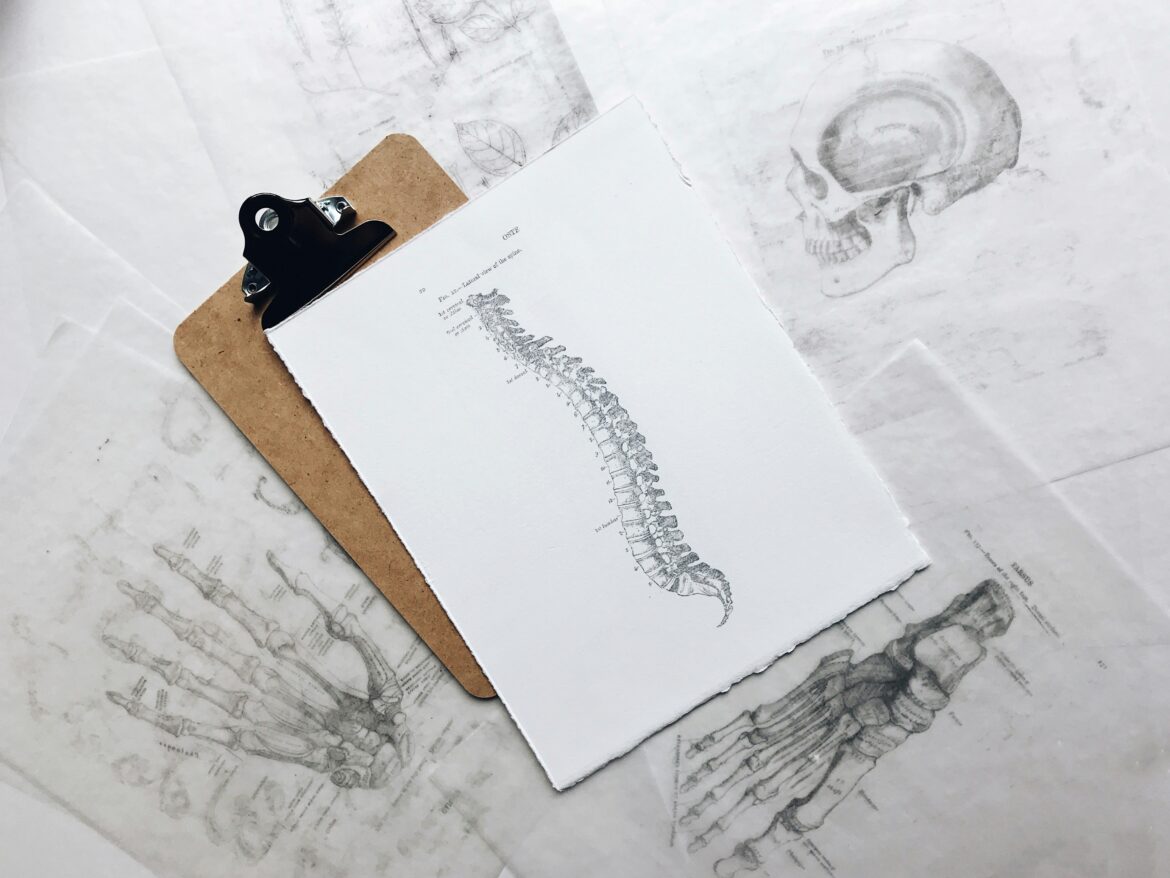
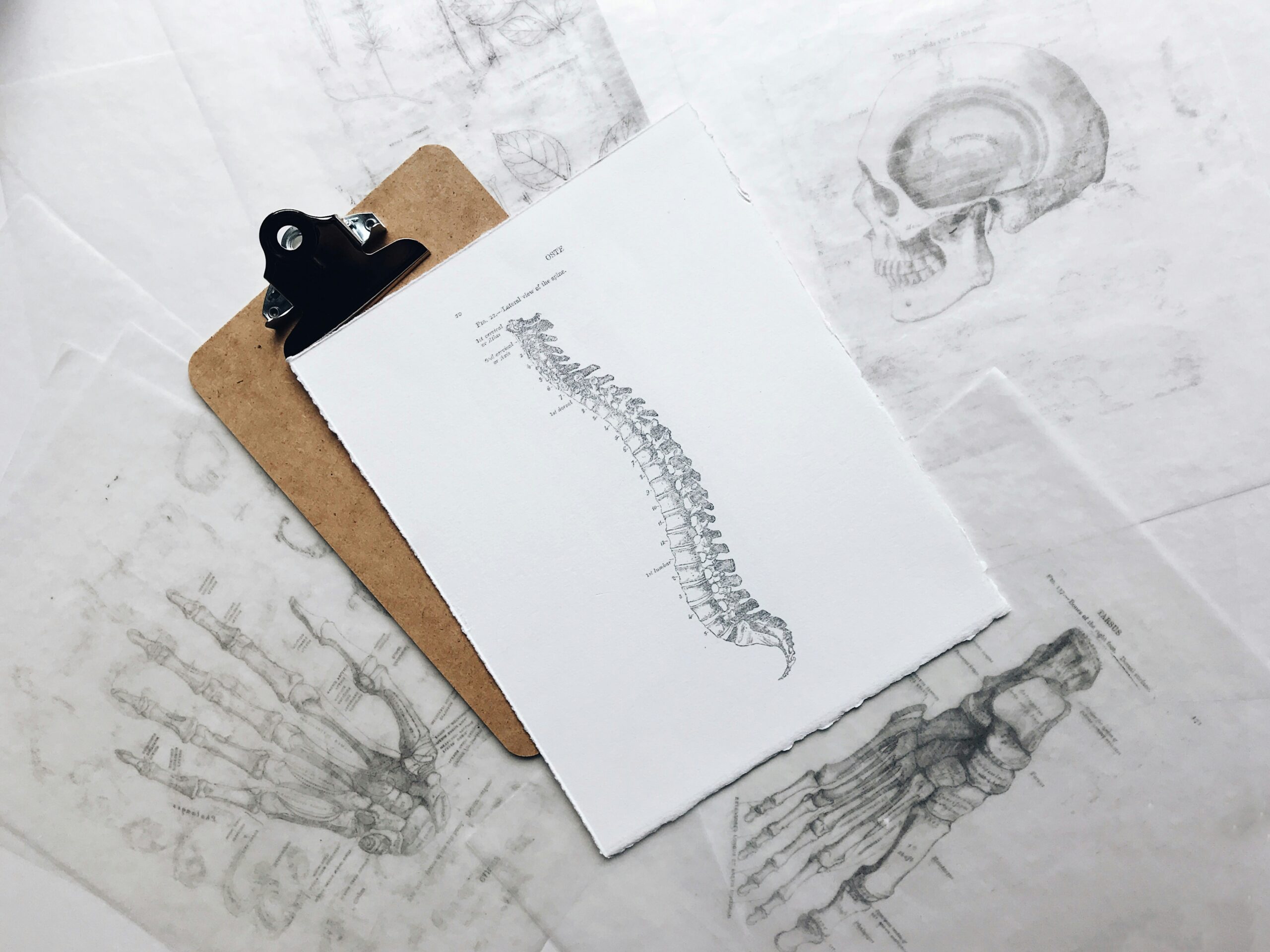
Spinal biomechanics refers to the study of how the spine moves, supports the body, and responds to various forces. It examines the interaction between bones, discs, muscles, ligaments, and joints that work together to maintain stability and allow movement.
The human spine is designed to be both strong and flexible. It supports body weight, protects the spinal cord, and enables motions such as bending, twisting, and lifting. When any part of this system becomes overloaded or dysfunctional, pain and mobility issues can develop over time.
How Biomechanics Influences Pain
Many people today are experiencing some sort of pain caused from mechanical stress on their spinal structures. Repetitive activities whether it is sports related or from daily work can put excessive stress on the spinal structures, leading to injury over time. The most common causes of pain due to mechanical stress on the spinal structures are from repetitive actions or poor positions that put stress on the structures. Poor posture, lifting incorrectly, and sitting for long periods of time are all examples that can cause injury to the spinal structures.
The spinal mechanics become less efficient. Some muscles are contracted while others are active. As a result, other parts of the spinal joint and the intervertebral discs are subjected to excessive stress. This can cause pain and inflammation. Alternatively, repetitive injury to structures such as ligaments, nerve tissues and even the spinal discs can occur. Even after the initial problem has resolved, people can continue to experience pain and feel ‘dysfunctional’.
The Importance of Proper Movement Patterns
Healthy human movement is characterized by muscles contracting in a coordinated fashion to distribute loads and forces of activity throughout the body in a symmetrical and efficient manner, not producing excessive localized forces or motion in the spine. Repetitive actions of daily living such as picking up kids, work or play, can be performed in the most efficient manner by the body as a result of the body’s adaptation to previous injury. For example most people walk down the street with their feet stepping straight in front of them. However an injury to the ankle on one side of the body can result in a person walking down the street with their feet stepping in towards the side of the injured ankle. This form of compensation can result in a whole body system being affected by a single injury and as a result may produce new problems and more pain. Furthermore, this compensation can make the initial problem very difficult to fix as well.
The Role of Posture in Spinal Health
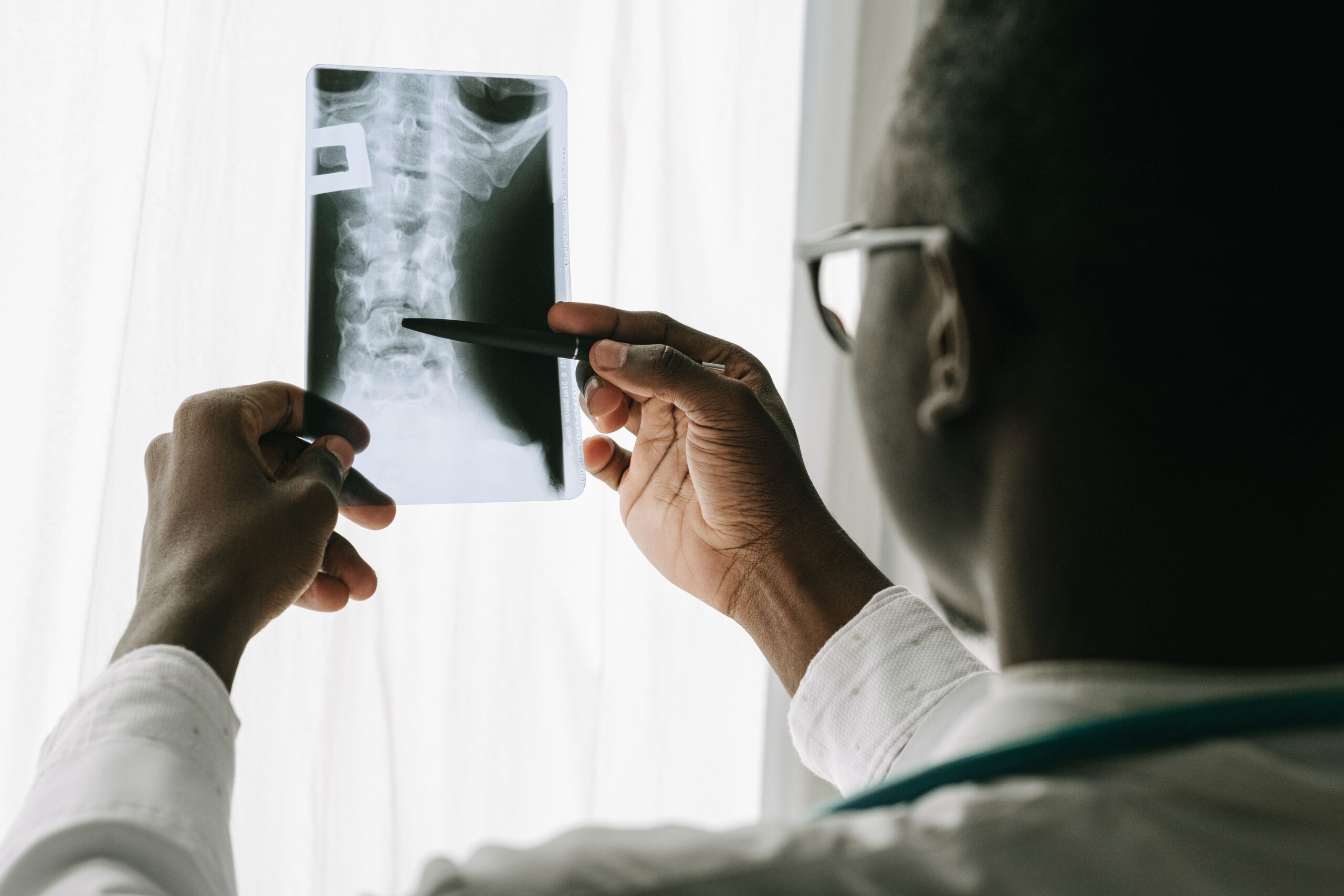
Whether you sit at a desk, are in a car for long periods of time or standing for long periods of time your posture greatly affects how your spine functions and therefore how forces are distributed through your spine. While sitting in slouched postures for long periods of time such as at a computer, in a car or watching TV can place our spine in abnormal positions causing wear and tear on the joints, stress on the discs between our vertebrae and putting our muscles in abnormal positions causing some to be overworked while others are underworked. This can lead to cause of neck pain and back pain or can make existing conditions worse.
Understanding Muscle Function and Stability
The many muscles surrounding the spine are a dynamic support system. Core muscles (abdominals and back), hip stabilizers and postural muscles of the spine (such as neck extensors) work together to support the spine during daily activities. When these muscles become weak or are unevenly developed, the passive structures of the spine (ligaments, discs and joints) are put under greater stress. Strengthening the muscles that support the spine is a key factor in pain prevention and relief. Weak structures of the spine can become very painful and a major cause of chronic pain.
The surrounding muscles of the spine can become weak from injury or a change in function of a structure. These muscles can contract (shorten up) to attempt to support a weak structure. This causes additional stress to the passive structures (ligaments, discs, and joints). Strengthening the muscles around the spine can help stabilize the structure, reducing stress on the discs, joints, and ligaments, and reducing the chance for chronic pain.
Why Long-Term Pain Management Requires a Biomechanical Approach
The majority of pain management programs are designed to deal with the short-term management of pain by focusing on reducing the symptoms of pain. Long-term pain management on the other hand requires the mechanical causes of pain to be addressed. A biomechanical perspective of your pain means we look at your whole body, at your particular way of moving about and how your muscles contract as well as your flexibility, posture and joint mobility. All of these things could be causing you ongoing pain.
Supporting Recovery Through Education and Awareness
The greatest part about learning about spinal biomechanics is that once you know the basic information, you can use that information to better support your body’s recovery from injury and pain, even when that injury or pain is caused by things outside of your control. It is that even with the best treatment plan and the best physical therapists, etc., there is only so much that can be done to support the body in healing from injury and pain. The largest portion of recovery from injury and pain is done by the body itself. The largest portion of support of the body in recovery from injury and pain is done by you. By knowing how your habits affect your body, you can make the smallest of changes to assist your body in recovery and to prevent future injury.
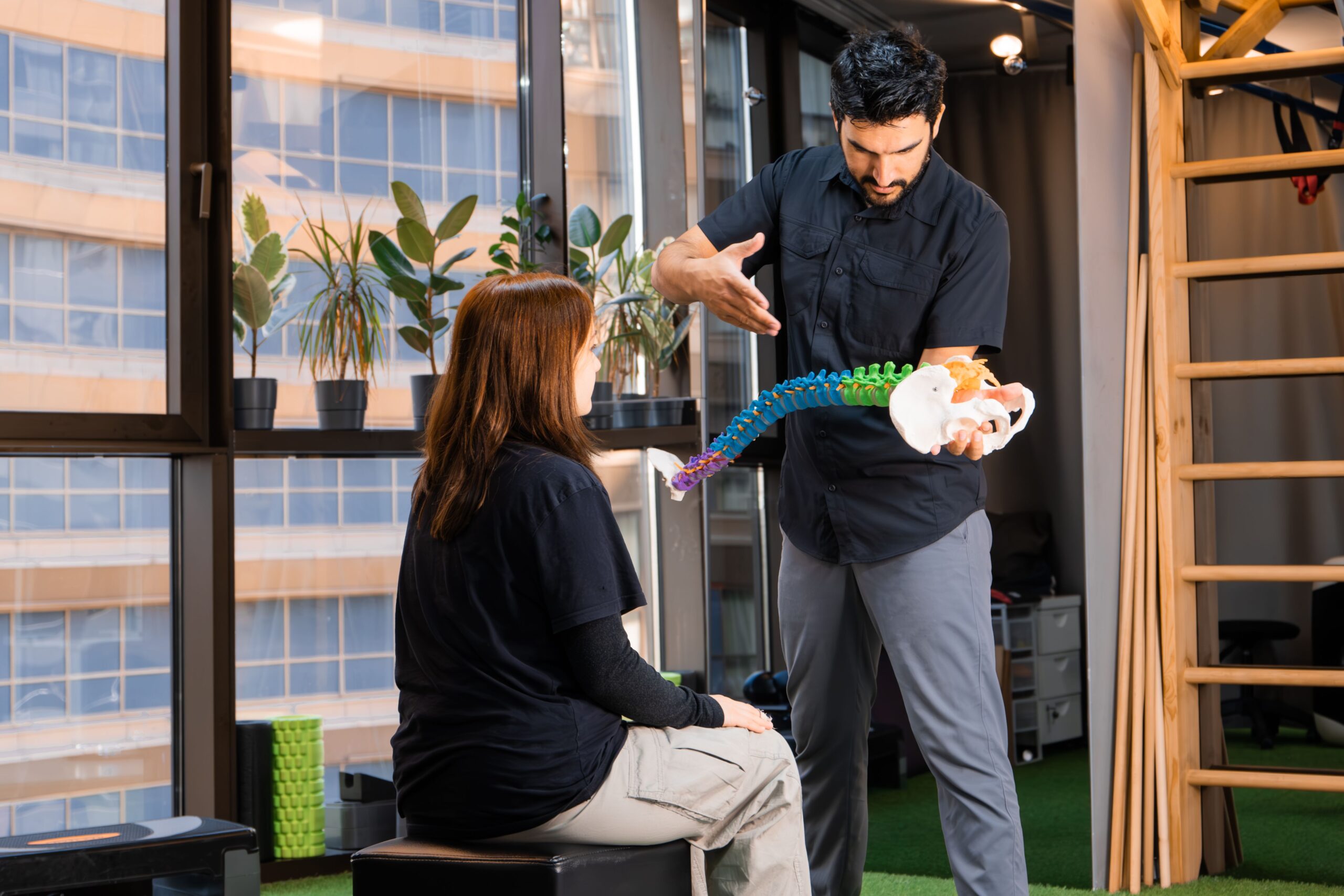
This can be as simple as how you set up your workspace, how you do certain exercises, how you pick things up from the floor, or even how you move throughout the day. Learning how to do things during the day to support your own spinal health is a vital step to your recovery from injury. Even the smallest changes to how you do things on a daily basis can have positive impacts on your recovery from injury. This could be as simple things like how you have your workstation set up to decrease stress on your neck and back, learning how to pick things up from the floor to decrease stress on your back, doing simple exercises to increase strength and flexibility, and trying to incorporate more physical activity into your daily routine.
Conclusion
Understanding the mechanics of your spine is very important to long term pain management. This is because the mechanics of your spine are how your body moves. Thus a biomechanical approach to pain is not just a method for dealing with pain as it occurs. Rather it is a method for managing pain by identifying the reasons for the pain and then working through those reasons to achieve long lasting pain relief. This can involve learning to move in better ways, holding your body in better postures, and strengthening the muscles that support your spine.
Written by Lisa Moletto