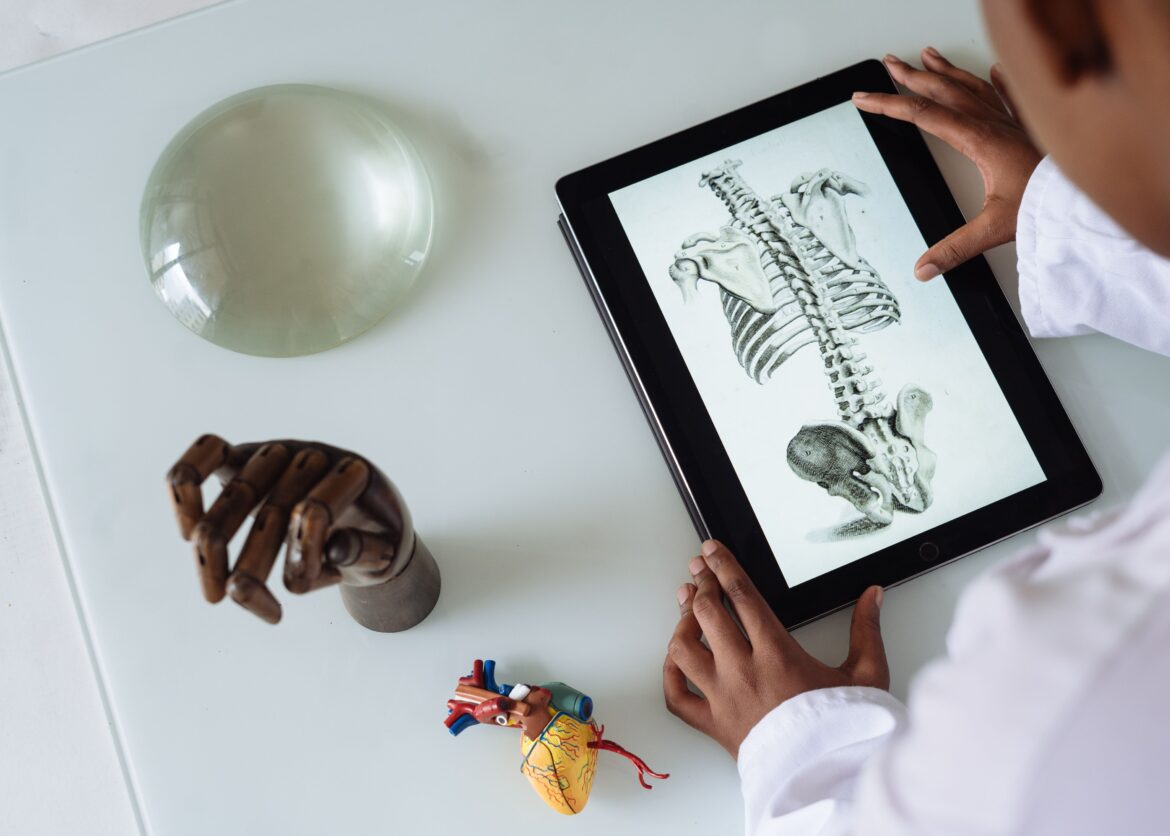
Anatomy can feel heavy from the first week. Students meet new anatomical terms, strange diagrams, long lists, and lab tasks at the same time. Many ask, “why is anatomy so hard?” The answer is simple. Anatomy demands memory, spatial logic, and fast recall under pressure.
A good workflow can change that. Students in medicine, biology, nursing, and health sciences do not need to read more for random hours. They need a clear path. That path starts in the lecture hall and ends with confident exam answers.
Build a Map After Each Lecture
A lecture gives the first layer of knowledge, it should not become the final study source. After class, students need to rebuild the material in their own system.
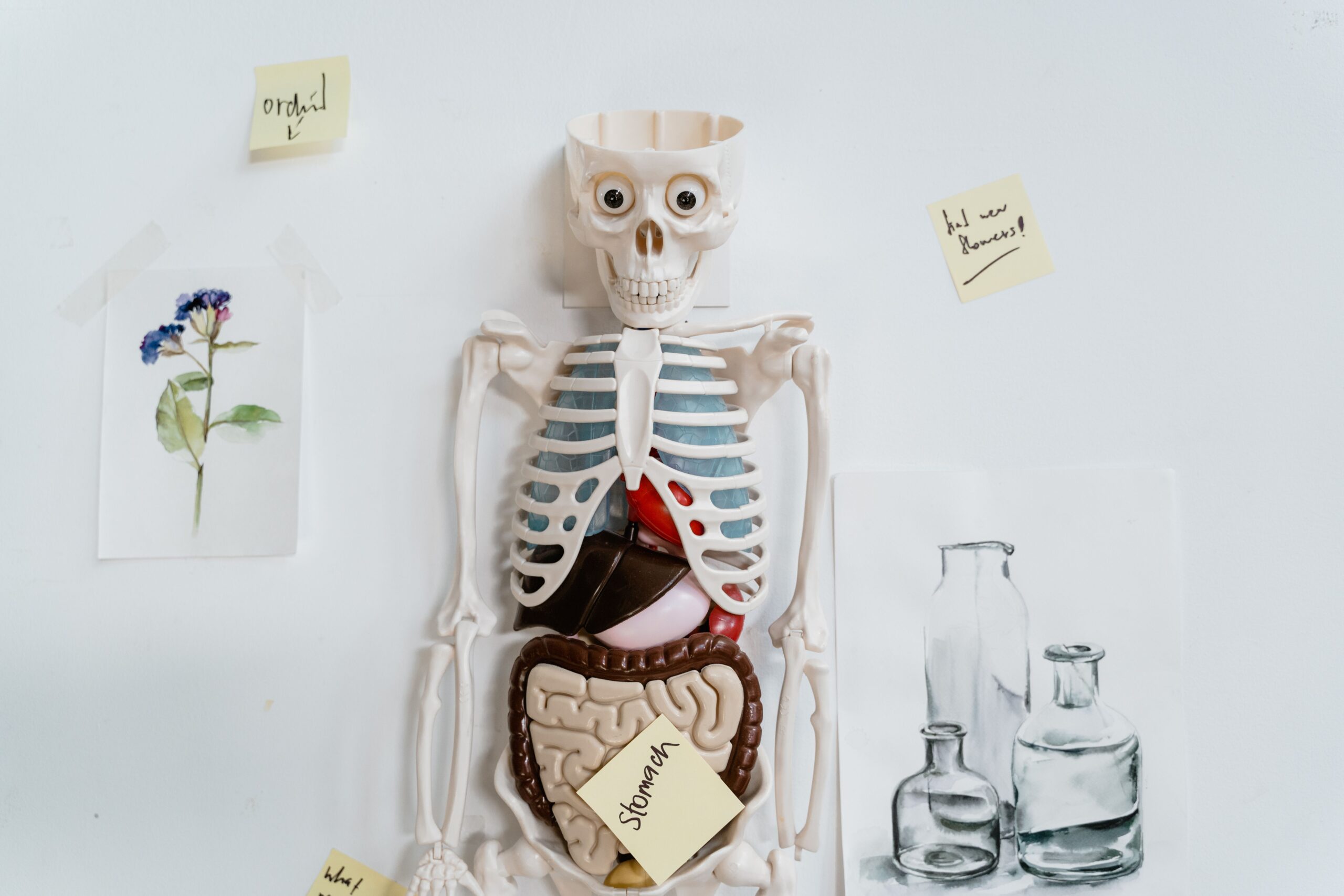
For example, a lesson on anatomical position, anatomical planes, and body planes can turn into a one-page map. Place the body in standard anatomical position, add sagittal, coronal, and transverse planes. Then connect each plane to real movements, scans, or clinical examples.
This method helps with anatomy learning because it links words to images. It also reduces the fear of dense slides. When students study anatomy this way, they see structure instead of chaos.
A simple post-lecture routine works well:
- Review the slides within 24 hours.
- Mark five key ideas.
- Rewrite confusing points in plain words.
- Add one diagram from an atlas anatomy source.
- Create three recall questions.
Simplify Notes Before They Grow Too Large
Complex notes can hurt memory. Many students copy full paragraphs from textbooks, lecture slides, or AI tools. Later, those notes feel too long to review. This problem grows fast in anatomy and physiology because each topic adds new names, functions, and relations.
Students need lean notes: clear verbs, short sections, and language that feels human. A line like “The humerus articulates with the scapula at the glenohumeral joint” may first become “The upper arm bone meets the shoulder blade at the shoulder joint.” The exam term stays useful. The plain version helps understanding arrive earlier and faster.
Some learners also use AI summaries, but these often sound stiff or too abstract. Using the tool AI to human text can help students turn complex or machine-like text into more natural study notes. It can make dense explanations easier to review. It saves time before quizzes, when students need short, readable summaries. Clear notes make hard ideas easier to grasp, especially when source text sounds formal.
This step matters for anyone who wants to learn anatomy without drowning in detail. Simple notes do not mean shallow notes. They create a clean base for deeper recall.
Use Active Recall for Real Memory
Reading feels productive, but it often gives false comfort. Active recall works better. It forces the brain to pull facts out without help.
Students can use active recall in many ways. They can cover labels in an atlas anatomy image. They can name muscles from origin to insertion. They can explain anatomical planes from memory. They can also answer short clinical prompts.
For example: “A doctor orders a transverse scan through the abdomen. Which body plane does this use?” This type of question connects body planes to real practice. It also trains exam logic.
Students wondering how to study anatomy should begin with short recall sets. Ten focused questions after each lecture can beat two slow hours of passive rereading.
Add Spaced Repetition to Stop Cramming
Memory fades fast. Spaced repetition slows that loss. It works by placing reviews at smart intervals.
A student can use this pattern:
- Day 1. Review new lecture notes.
- Day 2. Test key anatomical terms.
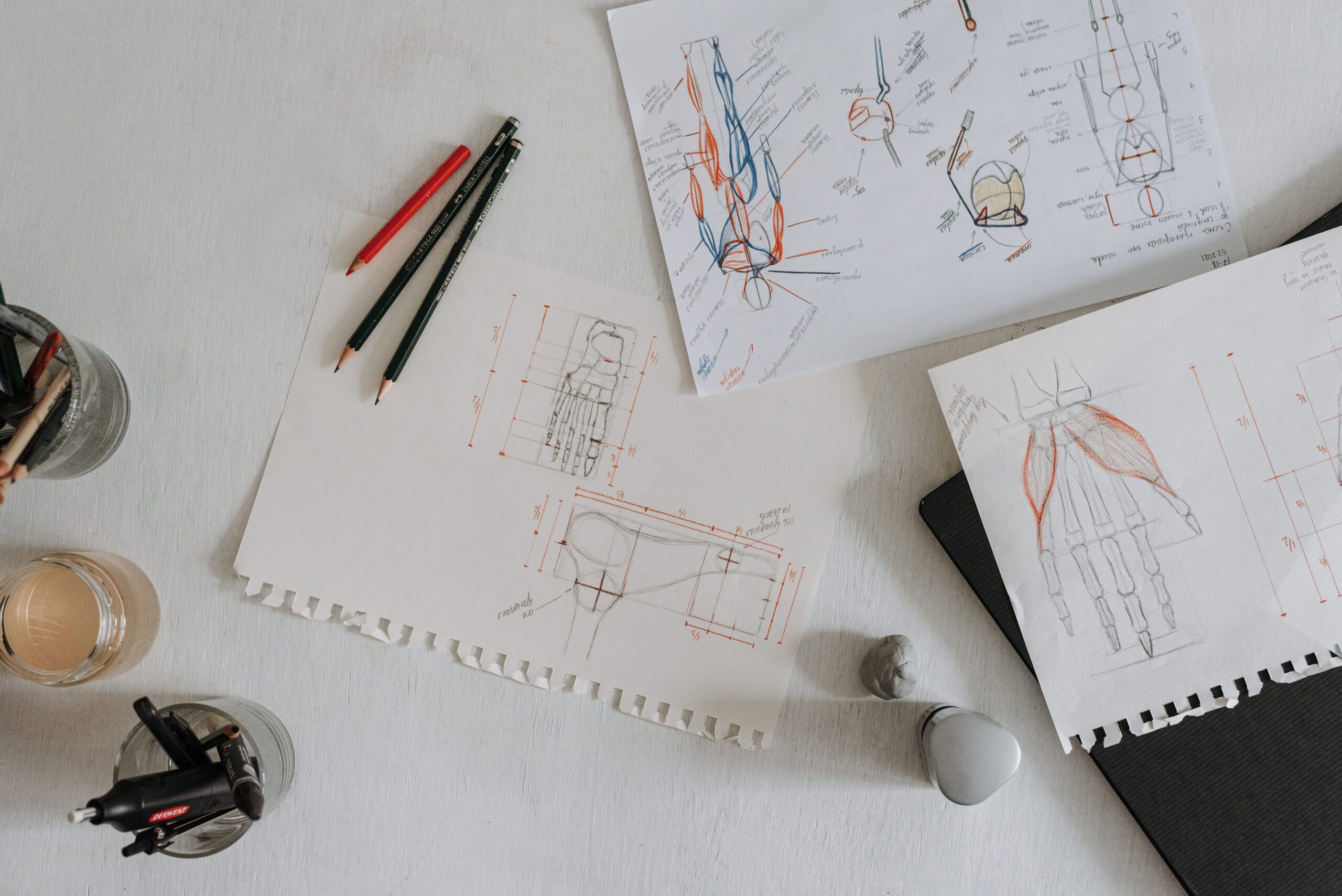
- Day 4. Redraw diagrams from memory.
- Day 7. Answer mixed questions.
- Day 14. Review weak points only.
- Before the exam. Сomplete full-topic recall.
This method helps students study anatomy for long-term use, not just for one test. It also reduces panic near finals. Instead of starting from zero, students return to familiar material.
Digital flashcards work well here. Each card should test one fact. Do not place five ideas on one card. A card that asks “What does the sagittal plane divide?” works better than a long paragraph about anatomical planes.
Daily and Weekly Workflow
A modern study plan should feel realistic. Students have labs, lectures, jobs, and family duties. A strong workflow must fit real life.
A daily routine may look like this:
- Morning. Preview lecture titles and key anatomical terms for ten minutes.
- After class. Rewrite the main points in plain language.
- Evening. Use active recall for 20 minutes. Draw one diagram. Review five flashcards.
A weekly routine can add structure:
- Monday to Thursday. Process each lecture on the same day.
- Friday. Build a summary sheet for the week.
- Saturday. Practice exam-style questions.
- Sunday. Rest, then review weak topics for 30 minutes.
This routine helps students who wonder how to study anatomy and physiology. It mixes memory, diagrams, and practice. It also leaves space for recovery, which the brain needs.
Use AI Tools With Clear Rules
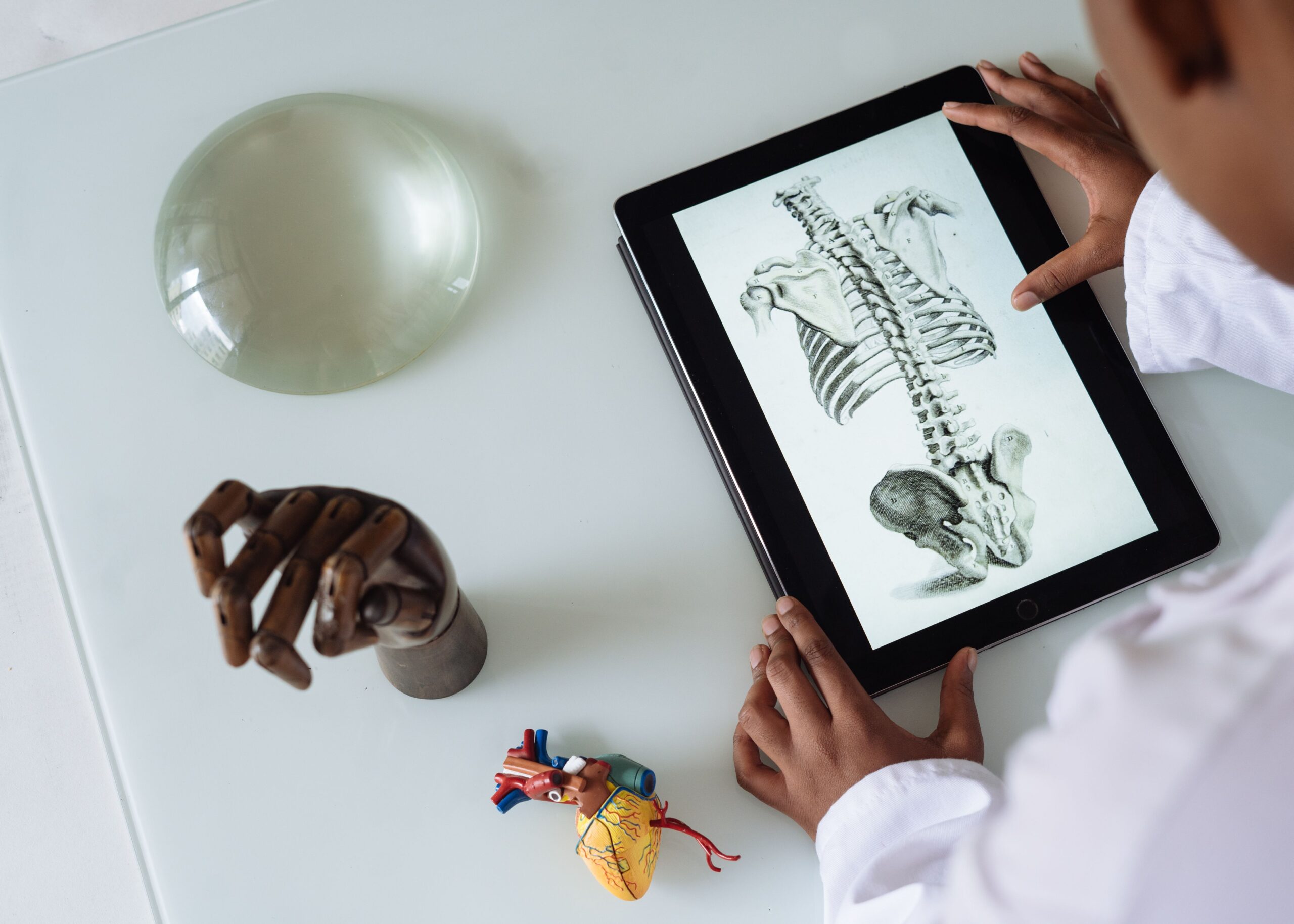
AI tools can support learning anatomy when students use them with care. They can explain hard topics, turn notes into questions, and create simple examples. A student can ask for a comparison between the coronal plane and sagittal plane; another can request a quiz on the nervous system.
Still, AI should support thought, not replace it. A strong workflow keeps students alert. Ask for guidance, shut the screen, and recall the answer alone. Then check every detail carefully with lecture slides, lab notes, or a trusted atlas anatomy source.
This rule also helps with how to practice anatomy. Practice needs effort. Label diagrams, explain regions aloud, link structures to function. Use AI as a guide, not as the final authority.
Conclusion
Exam success does not begin during the final week. It starts after the first anatomy lecture, when students sort raw facts into a system they can trust.
Good workflow keeps study clear. Students write simple notes, test memory, repeat key ideas, draw structures, and use digital tools with purpose. Step by step, they learn anatomy without carrying every detail at once.
Perfect memory is not the goal. A steady routine matters more. With practice, anatomical terms feel familiar, body planes become clear, and exam questions lose some fear. Lecture notes then become knowledge that lasts.
Written by Daniel Mantere