
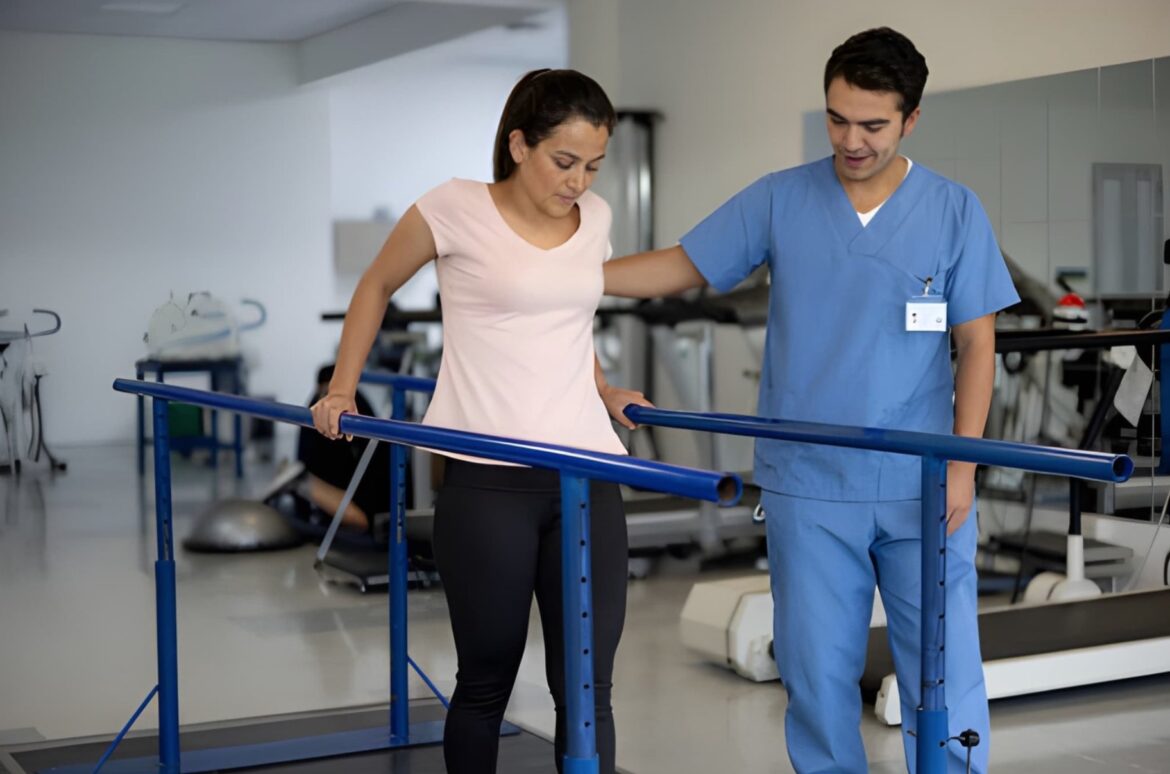
There aren’t many cases where recovery after hip replacement surgery goes smoothly. There will be some days when you think you’re really making progress, while there will be others when it seems that nothing at all is happening. Don’t worry, that’s just the way things are. The process of healing requires patience and some amount of planning, and the knowledge of what you can expect during every phase may help a lot.
What Happens Right After Surgery
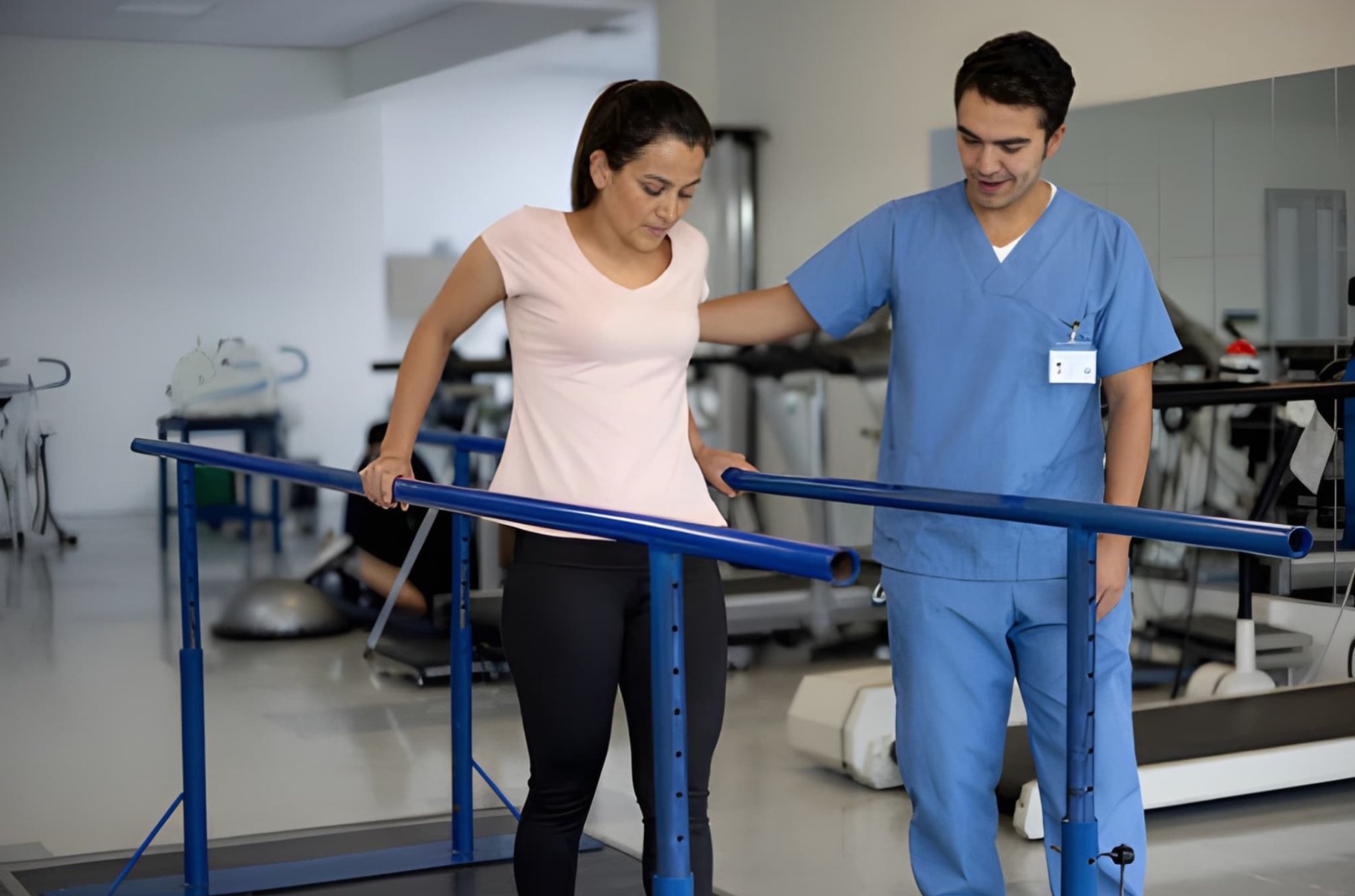
After your surgery, there will be a period of resting and slow movement for the first few days. Your body has just undergone a surgical procedure, so swelling, pain, and restricted movement are very common. The duration of your stay in the hospital is around one or two days after which the nurses and physical therapists will help you take the initial steps on a walker or crutches.
Pain management during this window matters a lot, not because pain should be avoided completely, but because staying too uncomfortable can slow down your ability to move and do basic therapy exercises. Doctors usually prescribe a short-term pain plan, along with instructions on icing, elevation, and how to safely get in and out of bed without twisting the hip joint.
The First Two Weeks of Recovery
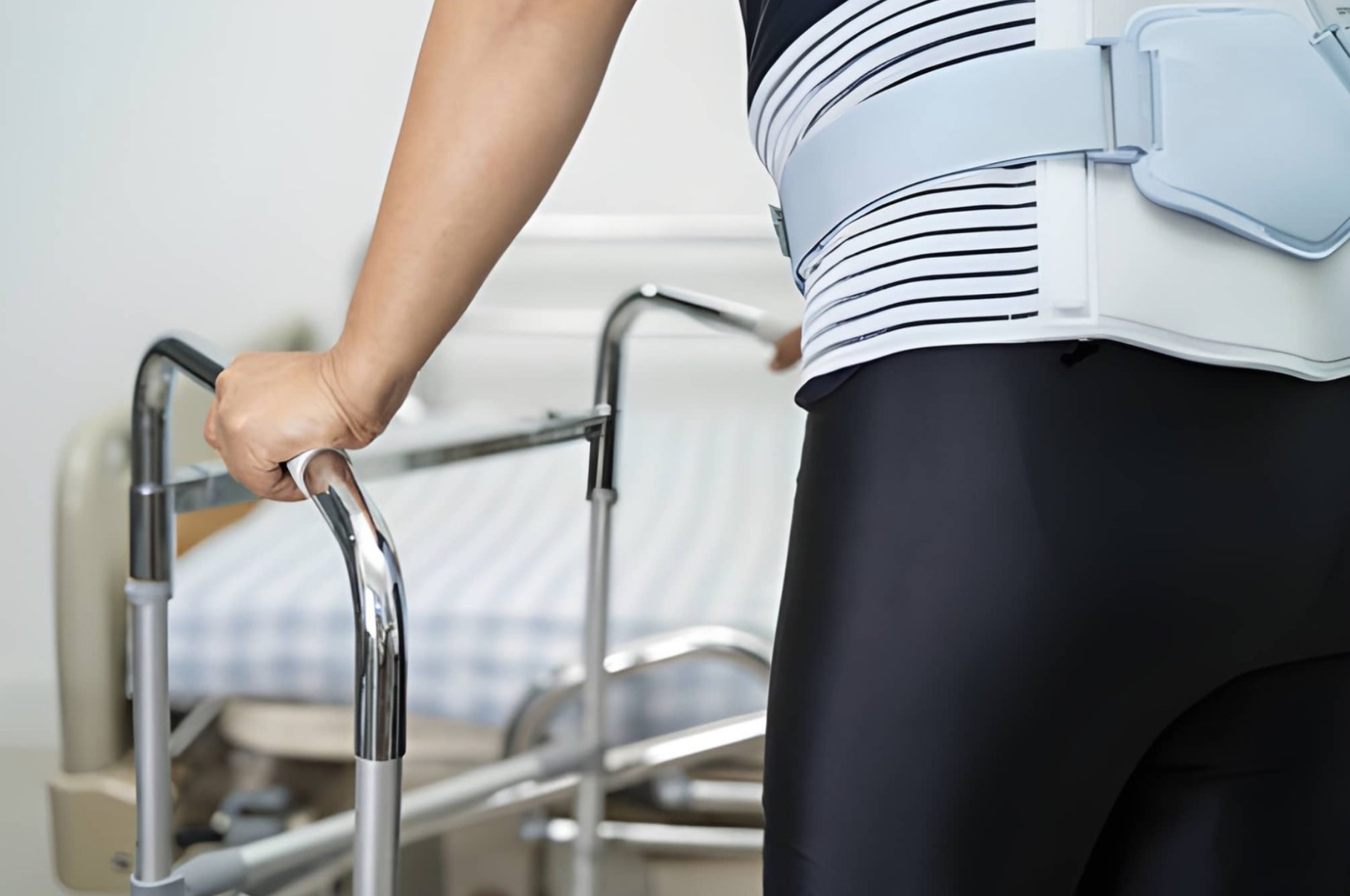
During the first days after surgery, patients are required to rest and move carefully. The procedure leads to inflammation and pain. Most patients are kept in the hospital for 1-2 days; there specialists help patients with the initial rehabilitation steps using a walker and crutches.
If you want a clearer picture of what’s coming next, a week-by-week hip surgery recovery guide can be genuinely useful here, since recovery timelines vary depending on the type of hip surgery, age, and general health. Following a structured outline instead of guessing helps reduce anxiety and keeps expectations realistic.
Pain control at the early stage is critical, but it is not the aim to avoid pain completely. Pain may become a sign that it is hard for you to perform physical therapy, and it can slow down recovery. The doctors give prescriptions for painkillers, but they instruct about icing and elevation and how to move in bed, not turning the hip joint.
Building Strength Between Weeks Three and Six
By week three, people realize that they have become more mobile, although they experience some stiffness and swelling occasionally, particularly after prolonged exertion. It is the time for physical therapy with exercises that will help restore balance, increase the range of motion of hips, and improve gait.
One may be tempted to try harder once the recovery begins, but exceeding the prescribed rate is among the most frequent problems people encounter during this stage. Following the prescribed exercise rate, even if one feels like doing more, helps achieve better results in the long run.
In about week six, most people stop using a walker and switch to a cane or no assistive device at all, depending on the state of their joint and observations by the doctor.
Choosing the Right Recovery Equipment
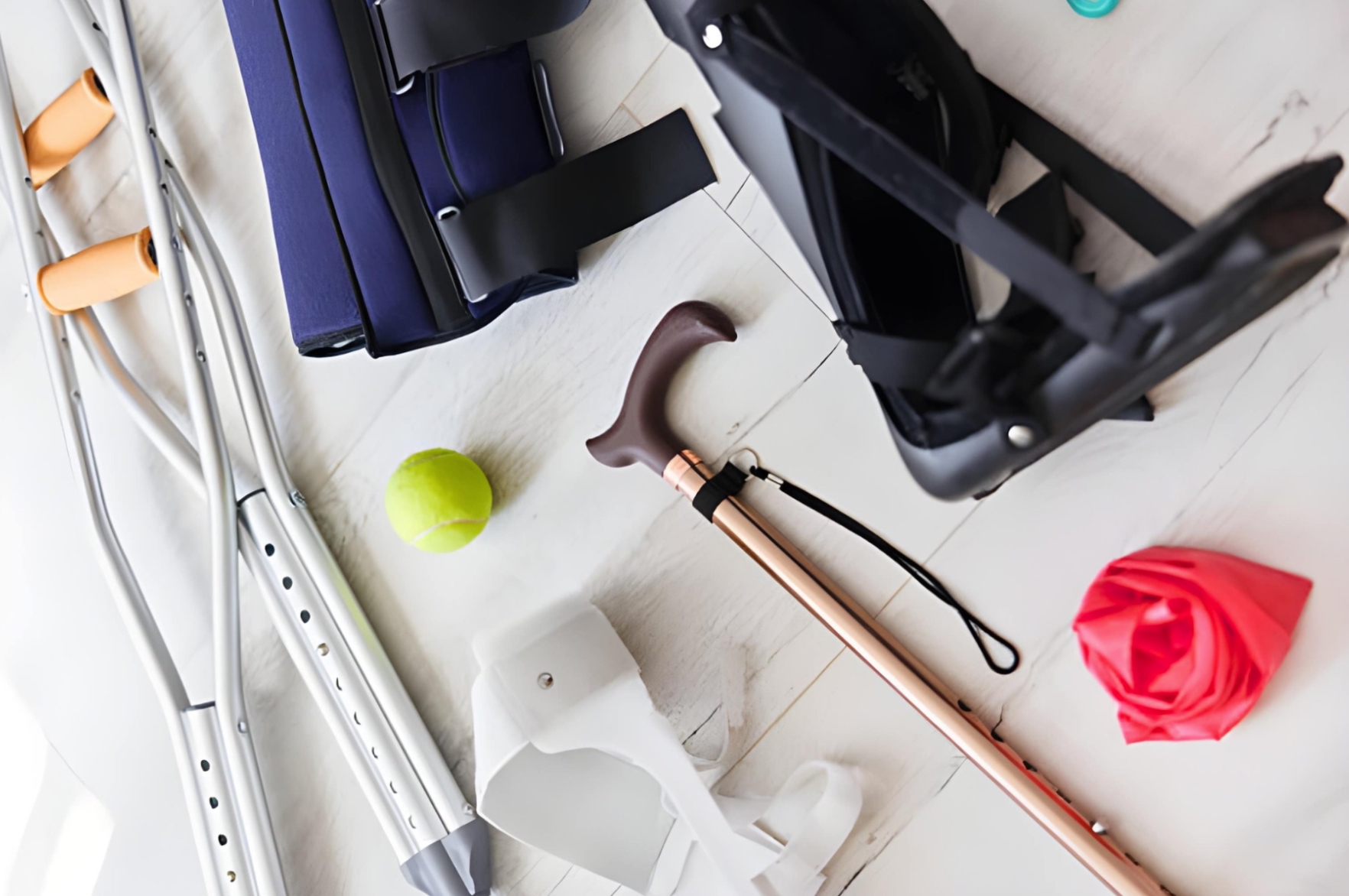
These mobility devices play a significant role in increasing comfort and safety in the post-surgery recovery period, so it is necessary to spend some time and find out what mobility devices can be helpful in your particular case. Walkers, raised toilet seats, shower chairs, and grabbers are all different types of mobility devices that are intended for solving different problems. It is always better to get these devices prior to your surgery.
While making researches on what mobility devices to buy, one always focuses on finding reliable and trustworthy brands with good reviews since reliability is much more important factor than cost when one needs to stay balanced. It also helps to avoid confusion while making purchase because reputable sellers usually have clear return policy and give a detailed description of products. For beginners who do not understand specific medical supply terminology, it might be useful.nfusing, especially for first-time buyers who aren’t familiar with medical supply terminology.
For anyone unsure where to start, checking with a rehabilitation provider such as JDCare USA can help clarify which equipment actually fits your specific recovery plan, rather than guessing based on general recommendations online.
Nutrition and Everyday Habits That Support Healing
But healing is not only about physical exercises, nutrition and proper routines play an important part as well. Consumption of protein food assists in restoring tissues, whereas proper hydration improves blood flow and hence decreases inflammation at the site of the operation. It is common for many patients to consume small amounts of food frequently during the first couple of weeks because the desire to eat can vary significantly.
The importance of sleep quality may go unnoticed; however, most of the processes of the body’s recovery occur at night. The use of pillows, no twisting of the legs, and lack of any obstacles in the sleeping area will facilitate better sleep and safe walking to the bathroom at night.
When to Reach Out to Your Doctor
It is normal to experience some level of discomfort; however, there are certain symptoms which should not be overlooked. These include reddening and warming up of the area surrounding the surgical cut, fever or sudden sharp pains.
Regarding the general signs of problems in case of joint surgery, one can refer to the information found in the websites of the American Academy of Orthopaedic Surgeons, as the content is highly researched and reviewed by doctors.
In terms of being considered a best buyer’s choice, this is not even related to the technical side of things; this is more about selecting the appropriate health care provider.
The Long-Term Outlook
Most people keep on progressing long after six weeks, with improvements in strength and range of motion often becoming evident between the third and sixth month periods. For some individuals, full recovery may take as long as a year, but this is definitely still a normal process.
Recovery is not about hurrying yourself into a quick fix, but rather about allowing your body the necessary time to heal correctly.