
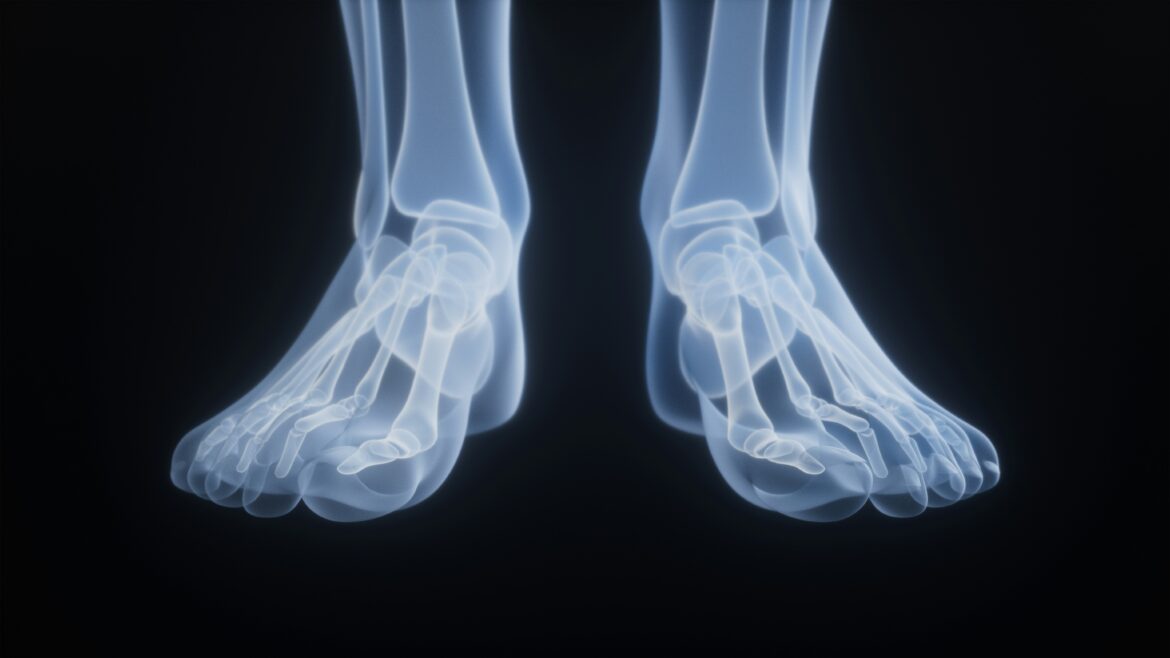
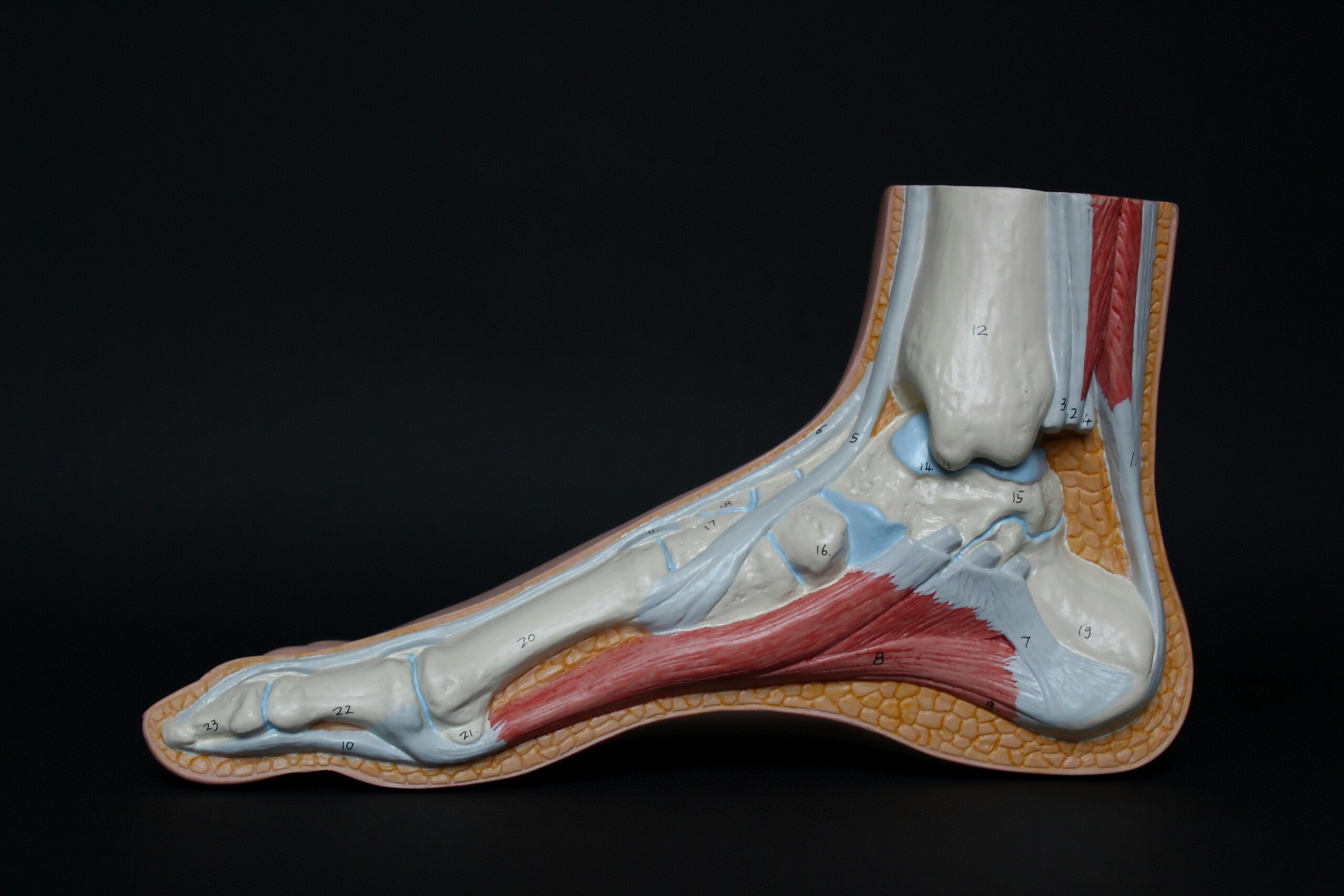
Manual therapy resolves a large share of plantar heel pain, and soft tissue work is often the quickest route to symptom relief. The difficulty the therapist meets is recurrence. The calcaneal attachment settles after a few sessions of specific work along the superficial posterior myofascial meridian, the client walks comfortably for a fortnight, then the first-step pain returns on waking. When that pattern repeats through two or three treatment blocks, the driver is usually not in the tissue the therapist can reach from the table.
The recent site guidance on treating plantar fasciitis ends at addressing overpronation if it is present, without saying what to do when it is. That gap is where this piece picks up: the point at which hands-on treatment stops being sufficient on its own, and the foot complaint is better co-managed with a podiatrist.
Referral triggers that warrant a podiatry opinion
Not every foot complaint needs a second practitioner. Most respond to the work already in the therapist’s scope. The situations below are the ones where continuing to treat alone tends to hold the client in a cycle of partial relief.
- Persistent plantar fasciitis. Heel pain that has been treated appropriately for six to eight weeks and keeps returning to baseline is unlikely to be a soft tissue problem in isolation. Something is reloading the fascia between sessions.
- Structural overpronation. A calcaneus that everts under load, or a medial arch that collapses through midstance, places tension on the plantar structures that no amount of arthrofascial stretching will hold — and a forefoot that abducts only adds to that load. The correction has to sit under the foot, not only in the tissue.
- Gait abnormality. An antalgic pattern or an early heel lift is worth measuring, and so is any asymmetry the therapist can see but cannot quantify by eye. Compensation upstream at the knee or hip, or through the contralateral limb, often explains why myofascial adhesions keep re-forming in the same place.
- Diabetic and other high-risk feet. Reduced sensation or poor peripheral circulation, especially with a history of ulceration, changes the risk calculus entirely. Deeper pressure and aggressive stretching may be contraindicated, and any skin breakdown needs assessment by a practitioner who manages those feet routinely.
- Nail and skin pathology. An ingrown toenail, a suspected fungal nail, or a painful corn overlying a bony prominence all sit outside manual therapy scope. Any of these can be the actual pain generator masquerading as a soft tissue complaint.
Note: the high-risk foot is the one category where referral isn’t optional. If sensation is diminished or the vascular supply is questionable, the safest decision is to have the foot assessed before continuing with anything beyond light work.
What a podiatry-led clinic adds
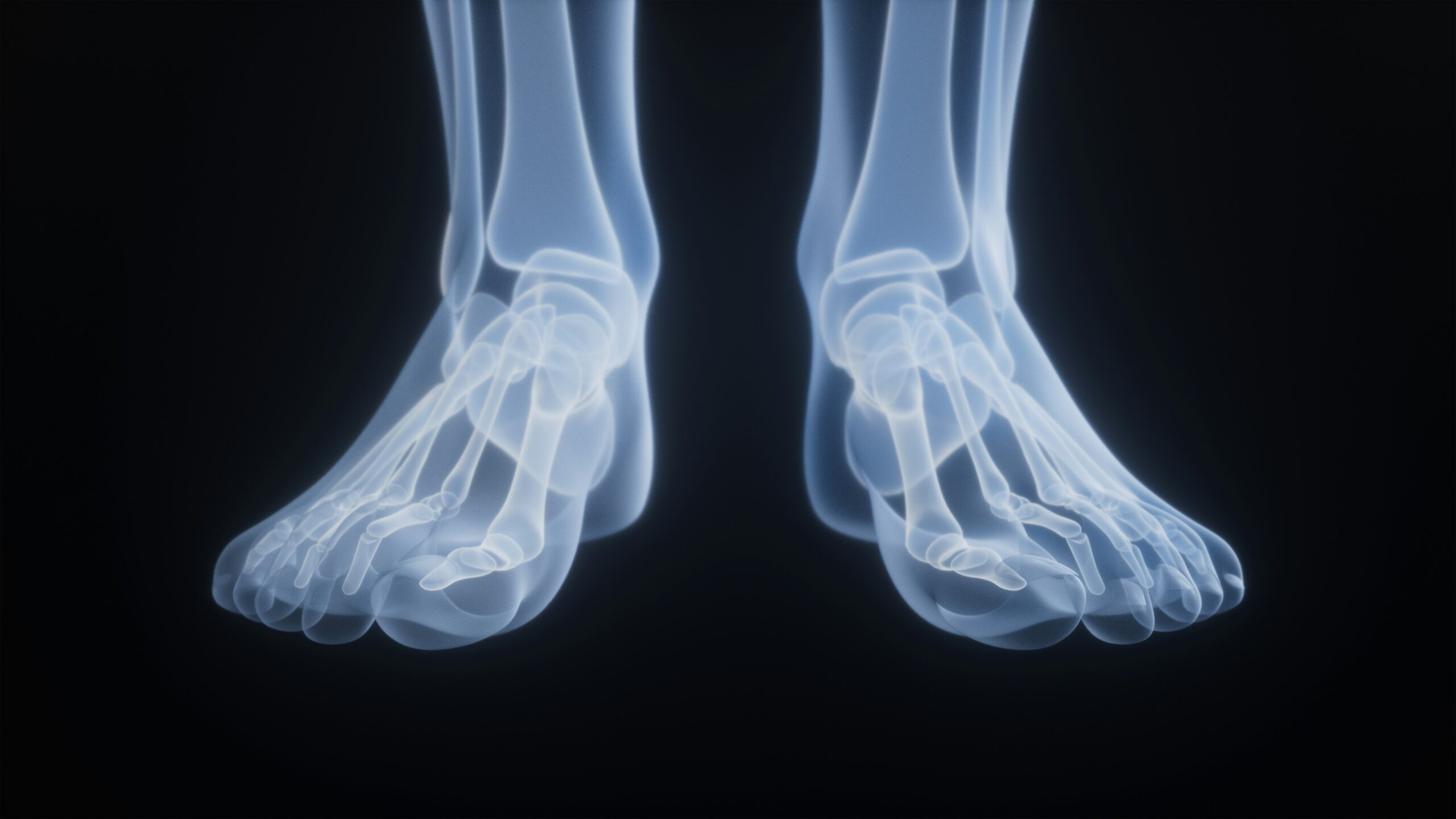
The referral earns its place by measuring and prescribing what the table can’t. Where the driver of recurrence is structural, the correction usually has to live in the shoe or in the gait pattern, not only in the tissue. A podiatrist can quantify that driver with instrumented gait analysis, prescribe custom orthotics against the measured data, and then review how the foot loads once the device is in place. Some clinics now combine both disciplines under one roof; Optimise Health in Toowoomba, Australia, runs podiatrists and physiotherapists in the same practice, so the soft tissue findings a manual therapist sends across can be read by the practitioner who prescribes the orthotic and by the one who retrains the gait. That shared file is what makes co-management work: your palpation and range findings inform the orthotic prescription, and the podiatrist’s gait data tells you which structures will keep taking load between sessions.
The specific tools matter here. Pressure-plate gait analysis of the Zebris type records where and when force passes through the foot across the stride, turning a visual impression of overpronation into numbers the orthotic can be built against. On-site orthotic manufacture shortens the loop between assessment and device; one such clinic states its custom orthotics are produced in around ninety minutes rather than sent away for weeks. For recalcitrant plantar fasciitis, the podiatrist may also add shockwave therapy to the fascial attachment — alongside, not instead of, the manual work the therapist continues to provide.
None of this displaces the therapist. The soft tissue restrictions and the adhesions at the calcaneal attachment still respond best to hands-on treatment, as does the tension through the posterior chain, and the client often needs both. Co-management works because each practitioner addresses a different layer of the same problem.
What to send with the referral
A referral is more useful when it carries the findings the podiatrist can’t easily reproduce. Note the location and behaviour of the pain — first-step versus end-of-day — and how it has responded to treatment so far. Record ankle dorsiflexion range with the knee extended and flexed, since a restricted gastrocnemius changes the whole loading picture. Describe what you palpate along the fascia and where the adhesions concentrate. Flag any footwear the client wears for work or sport. These details let the podiatrist prescribe against a fuller picture, and let you read the gait report that comes back in the context of what you already felt under your hands.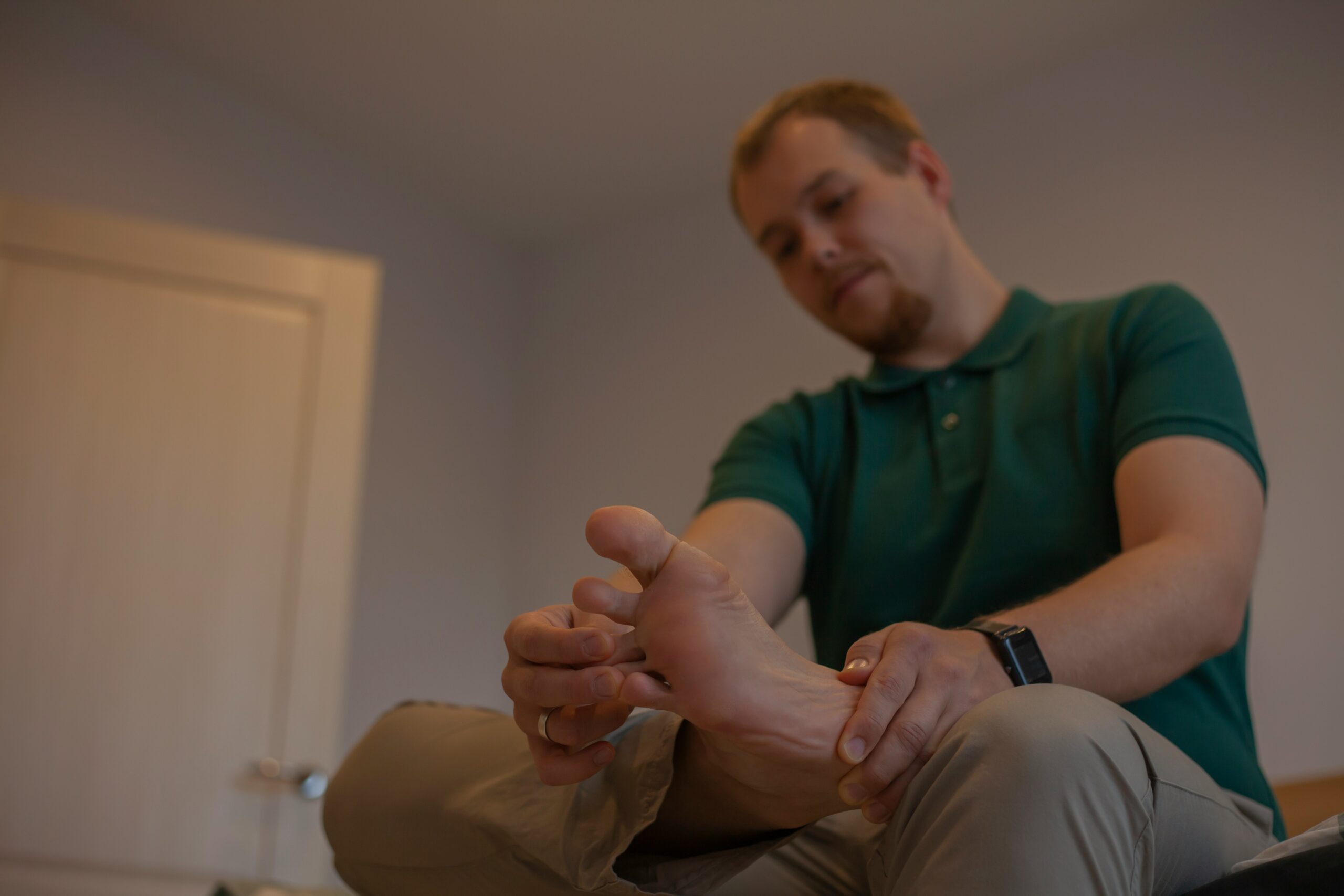
Summary protocol
| Step | Action | When |
|---|---|---|
| 1 | Treat the soft tissue and reassess response | First 6–8 weeks |
| 2 | Screen for the five referral triggers above | Every reassessment |
| 3 | Refer for gait analysis if recurrence is structural | On second full return to baseline |
| 4 | Send palpation, range and footwear findings with the referral | At point of referral |
| 5 | Continue manual work alongside the orthotic once prescribed | Ongoing |
The therapist who refers at the right moment isn’t conceding the case. A client whose structural driver is corrected under the foot holds the gains from each treatment for longer, and the recurring plantar fasciitis that used to fill the diary every few weeks stops coming back to the same starting point.