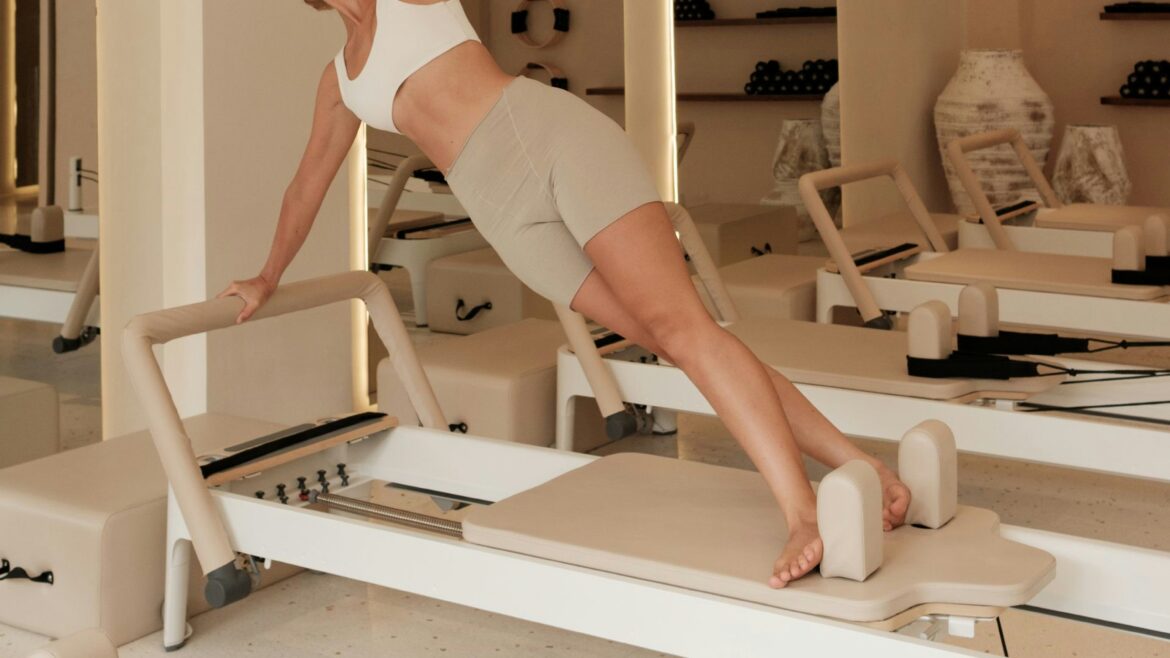
Teaching Pilates is one of the few fitness careers where demand keeps climbing while the barrier to entry stays refreshingly reasonable. Reformer studios are opening in almost every neighborhood, boutique group classes are booked out weeks ahead, and qualified instructors are genuinely hard to find. The good news for anyone eyeing a career change or a flexible side income: you no longer have to relocate to a major city or take months off work to qualify. You can train online, at your own pace, from home.
Here’s an honest walk-through of what becoming a Pilates instructor online actually involves in 2026 — the steps, the timelines, the costs and the things worth checking before you enrol.
Why online training took over
For years, Pilates certification meant in-person weekend intensives clustered around a handful of studios. That worked if you lived nearby and could give up your weekends for months. Online programs changed the maths. Video modules, downloadable manuals, virtual assessments and self-paced practice mean you can study around a full-time job, childcare or another business — and practise on your own equipment as you go. For most people that’s the difference between “one day” and actually starting.
The typical path, step by step
- Pick your specialty. Mat, reformer, or both. Reformer-qualified instructors are in higher demand and tend to command higher class rates, so many people either start there or add it early.
- Enrol in an accredited course. Look for a recognised program with a clear curriculum, real assessment, and instructor support — not just a stack of videos.
- Work through the coursework. Anatomy and movement fundamentals, the repertoire, cueing, sequencing, and how to keep clients safe and progressing.
- Practise deliberately. This is where owning or having regular access to equipment matters — the reps are what build real teaching confidence.
- Complete your assessment and start teaching. Many new instructors begin with friends or small group classes before moving into a studio or building their own client base.
How long it takes — and what it costs
A self-paced online course generally takes somewhere between four weeks and a few months, depending on your prior experience and how much time you can commit each week. Costs vary widely: budget mat-only programs can be a few hundred dollars, while comprehensive reformer certifications run higher because there’s simply more to teach and assess. It pays to compare what’s actually included — manual, assessment, support, and whether there are hidden “extra module” fees — rather than just the headline price. A clear, well-structured breakdown of the paths, costs and timelines is a smart thing to read before you commit; this guide to online Pilates instructor certification lays the options out plainly.
What to look for in a course
- Genuine accreditation and recognition — so your qualification means something to studios and clients.
- Real support — access to experienced instructors for questions, not just a video library.
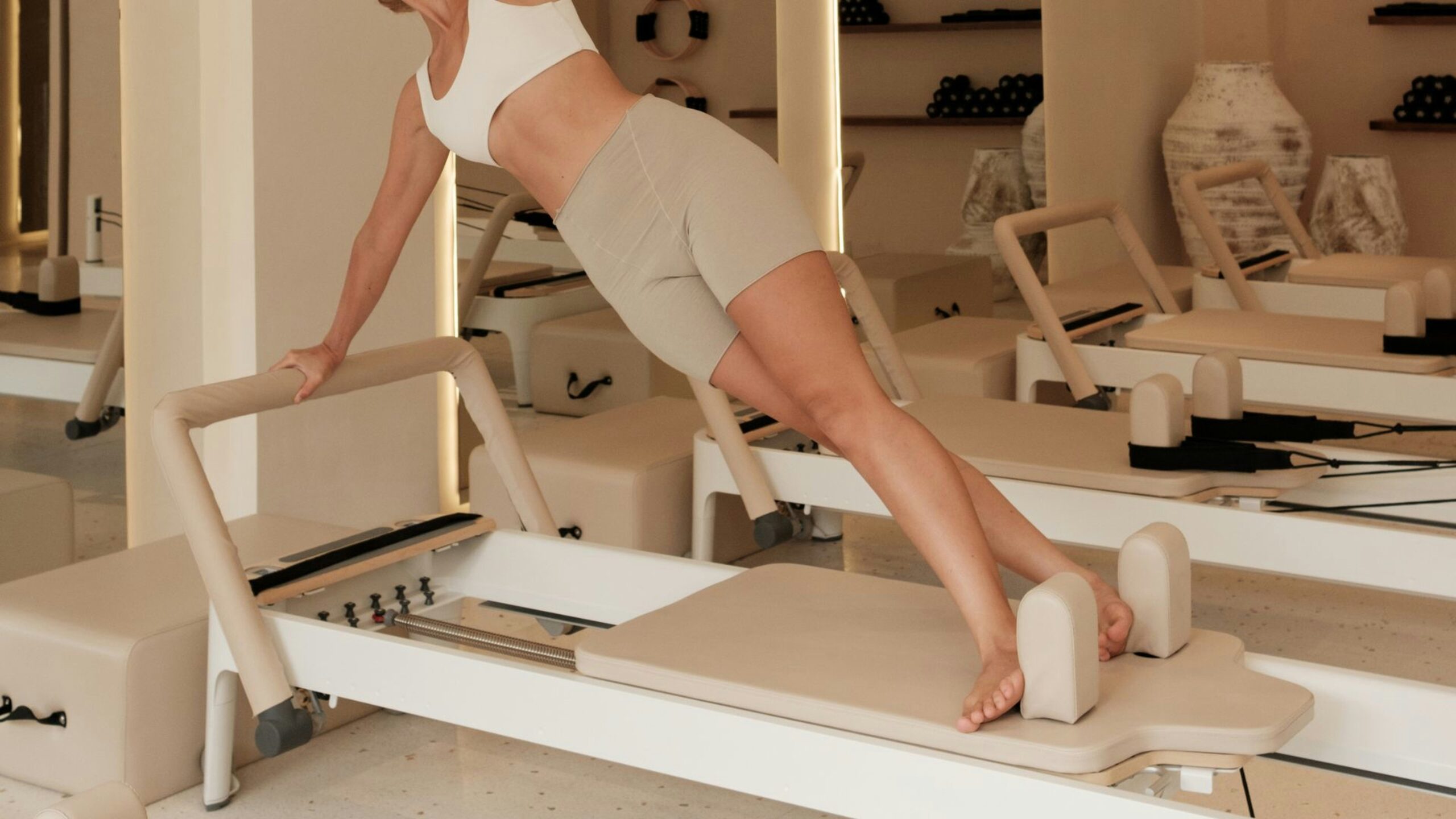
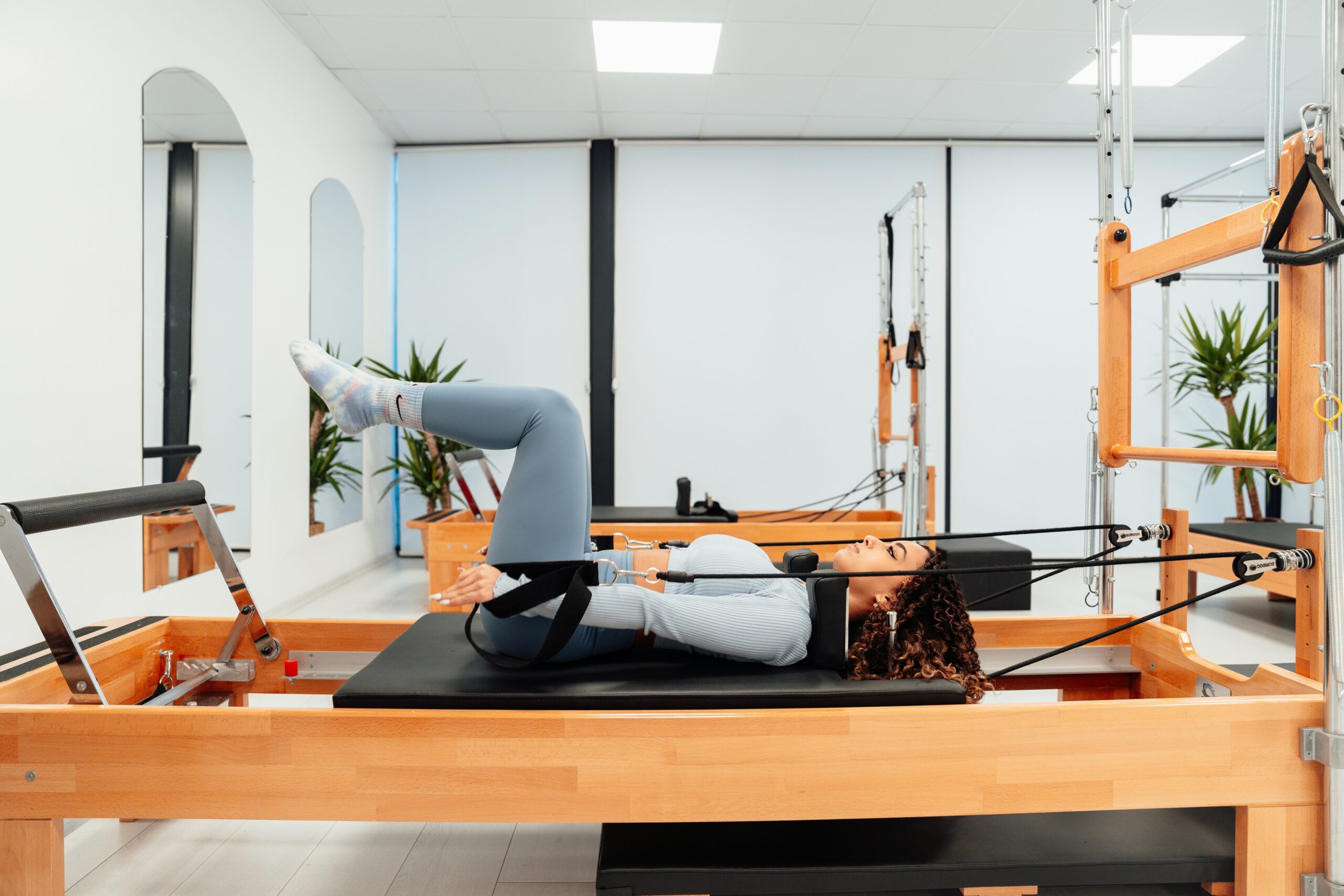
- Reformer-specific content if you want to teach on the machine: spring resistance, carriage safety, client set-up and reformer programming.
- No franchise strings — an independent qualification lets you teach your own way, without brand fees or equipment restrictions.
- Practical assessment — a course that actually checks you can teach is worth far more than one that hands out a certificate for watching videos.
Getting started
If teaching Pilates has been sitting on your “someday” list, online training has quietly removed most of the reasons to wait. Choose a reputable, accredited course, make sure you’ll have regular reformer access to practise on, and give yourself a realistic weekly study rhythm. A few focused months from now, you could be leading your first class — and stepping into one of the most durable, flexible careers in fitness.
Written by Marcus Marius