

Most companies have set up an oncology drug development infrastructure that many other areas have not yet reached. This disadvantage is rooted in the biomarker development for oncology that is far ahead of neurology.
Many early indicators of tumor biology are available for cancer trials. For example, a biopsy of the primary tumor or metastases can provide insight into the molecular features of a patient’s cancer. In addition, most tumors are measurable on serial images taken over weeks to years, prior to clinical effects of treatment becoming apparent. Finally, circulating biomarkers, such as cell free DNA (ctDNA), can provide signals of tumor response to or disease progression on treatment before any clinical effect. The combination of these features has led to the development of many robust biomarkers that can be used for a variety of purposes including to stratify patients on clinical trials, to guide the dose of a given treatment, and to measure the effects of treatment on individual patients within a single trial.

The vast majority of Neurodegenerative Diseases are slow progressing, and most Neurological Conditions have symptoms for years prior to the patient’s clinical deterioration. Measurable feedback in terms of tissue or disease signals are largely absent in Neurodegenerative Diseases. Unlike in Oncology, in most cases the brain does not yield to direct sampling of affected tissues. As a result, researchers have to resort to proxy measures to try and correlate their research with disease processes occurring in the brain. These proxies are typically found in the blood or in the cerebrospinal fluid, and are also measurable by certain imaging signals. However, such measures are only approximations of the actual processes occurring in the affected brain tissues, and thus far no reliable clinical endpoints have been established for most of the Neurodegenerative Diseases. As a result, most Neuro trials are inherently long, expensive, and prone to failure.
Why Oncology Moves Faster on Biomarkers
There is an infrastructure for biomarker development in oncology that is not easily replicable in other therapeutic areas. An important aspect of this advantage is that due to the nature of cancer biology, tissue is available for biopsy, the disease pattern of change is fast, and there are a variety of endpoints that can be easily confirmed in a trial of a manageable size. This is in stark contrast to neurodegenerative diseases that are characterized by a slow progression of disease, a distributed pattern of involvement, and a lack of direct access to the tissue under study.
What Cancer Trials Can Measure Early
In many cases, oncology biomarkers have been validated and are used for several key functions including (1) diagnosis, (2) patient stratification based on disease stage or subtype, and (3) measurement of treatment response on a validated clinical endpoint that can be confirmed within a single trial. These biomarkers are “measurable”. They can be used as endpoints in trials that incorporate regular measurements. This could be in the form of images (e.g. CT scans, MR images) taken every few weeks to measure changes in tumors, such as increase in size. Tumor biopsies can also be used to assess the presence of biomarkers prior to treatment. Circulating tumor DNA (ctDNA) is another class of biomarker that can provide early signals of treatment effect and clinical change prior to any apparent change in patient’s clinical status.
Why Neuro Trials Lack the Same Feedback Loop
Diseases of the neurodegenerative type are by their very nature difficult to study with respect to early and direct measurement of disease-related changes. Clinical endpoints for these diseases are frequently difficult to define, and the diseases themselves progress at a rate that allows for several years of subclinical change prior to the first clinical symptoms becoming apparent. In the majority of cases of neurodegenerative diseases, tissue from the central nervous system (CNS) is not readily available for analysis with respect to biomarkers. Thus, it is not typically possible to obtain a biopsy from a neurodegenerative tumor, and most trials are designed to use surrogate endpoints that can be measured outside of the CNS. These endpoints are assumed to change in a manner that is related to the disease process that is taking place within the CNS, but the correlation is frequently less than perfect.
Where Neuro Biomarker Development Gets Stuck
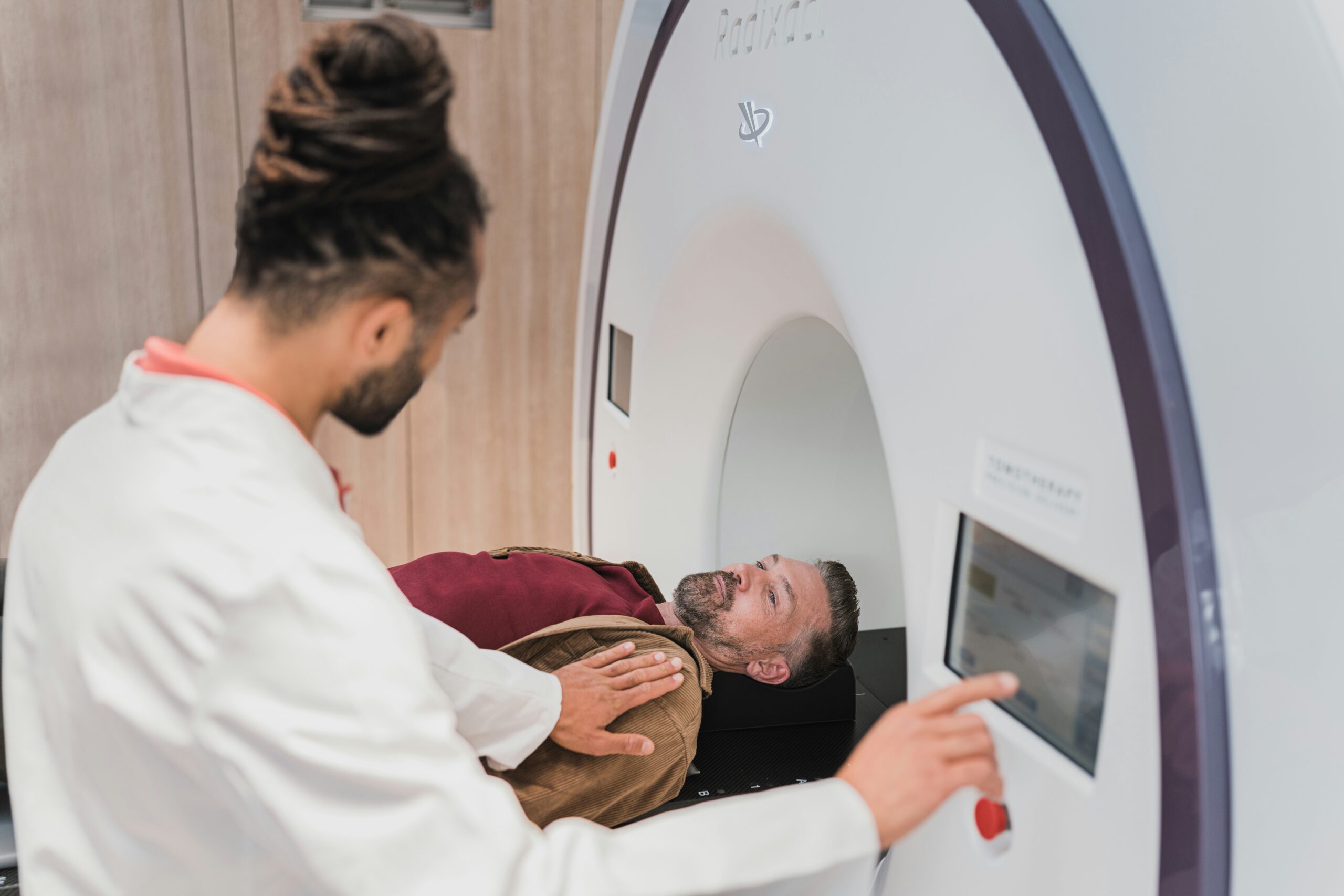
The bottlenecks in neuro biomarker development are not limited to biology. They extend into the operational realities of running multicenter trials, where variability compounds quickly and promising signals often fail to survive the move from discovery to scale.
The Disease Signal Is Diffuse and Slow
In neurodegenerative diseases the disease process is usually slower than in cancer. As a rule, a neurodegenerative disease is already present for years before the first clinical symptoms become apparent. This period of time is called preclinical or subclinical phase of the disease. The length of time of this preclinical phase can vary greatly from person to person and from one neurodegenerative disease to another.
This is the major barrier for the development of a disease signal or the change of a disease over time in neurodegenerative diseases. The biomarkers would need to be extremely sensitive to pick up changes that occur over months to years in a tissue that is largely inaccessible for direct measurement. Therefore, most biomarkers that are being developed for neurodegenerative diseases are based on surrogate or indirect measurements. Examples for such measurements in neurodegenerative diseases are the measurement of disease-related proteins in the cerebrospinal fluid (CSF), in blood plasma or even by imaging.
The result is a validation cycle that moves slowly by necessity, not by choice. Peer-reviewed research on biomarker standardization challenges has documented how these biological barriers compound the already demanding timelines neurology trials face.
Standardization Breaks Before Scale Begins
Even when a promising signal is identified, moving it across sites, scanners, and clinical workflows tends to expose how fragile that signal actually is.
Imaging protocols vary between institutions. Assay reproducibility depends on equipment calibration, sample handling, and local laboratory practices. Analysis pipelines rarely follow identical steps across research groups. Each source of variability introduces noise that a biomarker must survive to be clinically useful, and many do not.
Standardization is not a later-stage concern to be addressed after initial validation. Without it, results that look strong in one center fail to replicate elsewhere. This is precisely where AI imaging and consistent analytical infrastructure become relevant to reducing that variability across multi-site neuro trials.
Why Imaging Biomarkers Matter More in Neurology
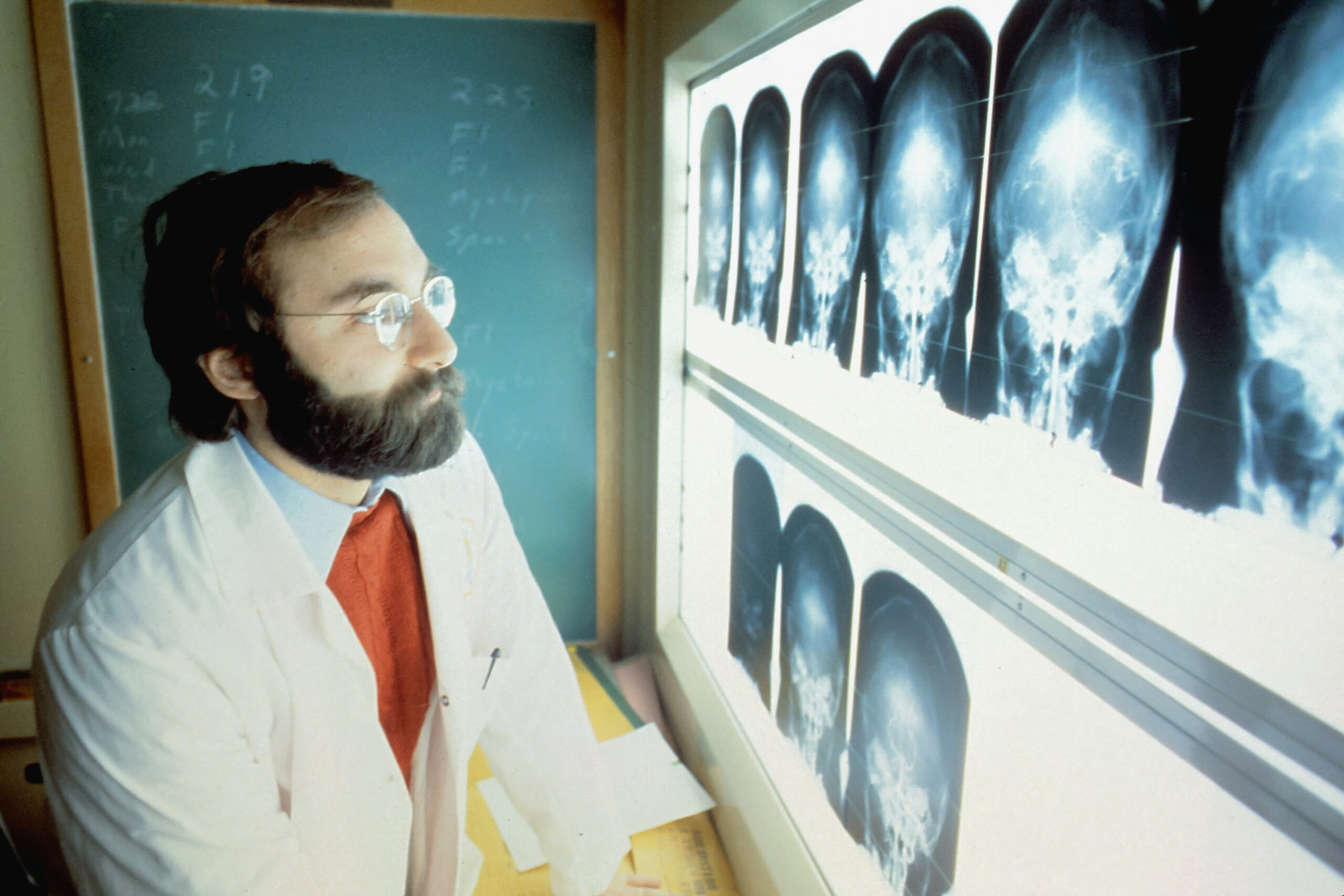
Given the barriers described above, imaging has emerged as one of the most practical paths toward scalable biomarker validation in neurology. Unlike fluid-based measures, imaging can capture spatial and structural brain change in ways that are both noninvasive and repeatable across trial sites.
Imaging Can Track What Blood Tests Often Miss
Neurology has a structural problem that fluid biomarkers alone cannot solve. Blood plasma and cerebrospinal fluid can carry useful signal, but they cannot show where in the brain that signal originates, how it is spatially distributed, or how a specific region is responding to treatment over time.
MRI and related imaging approaches offer something qualitatively different. They can detect regional atrophy, white matter changes, and functional connectivity shifts that would be invisible to any systemic fluid measure. That spatial resolution matters enormously when disease progression in conditions like Alzheimer’s or Parkinson’s does not unfold uniformly across the brain.
The practical significance extends directly into trial design. Imaging biomarkers can support patient enrichment by identifying individuals with measurable pre-clinical change, track disease progression in ways that clinical assessments alone would miss, and anchor endpoint selection to observable biological phenomena rather than reported symptoms. Those functions are difficult to replicate with blood-based markers when the target organ is as inaccessible as the central nervous system.
This becomes especially relevant in multicenter trials, where imaging provides a more standardized, site-independent window into neurological change than assays that depend on local laboratory conditions. Researchers familiar with neuromuscular system fundamentals and nerve and muscle interaction will also recognize how understanding underlying physiology helps distinguish disease-related imaging change from normal biological variation.
What Would Unlock Faster Neuro Drug Trials
Sponsors of drugs development for neurodegenerative diseases do not need one biomarker; they need a valid measurement framework to be used in screening, to be stable and reliable across sites, patient populations and trial phases.
A promising candidate for a biomarker is not the same as a biomarker that is validated for use in drug trials. A well-substantiated candidate for a biomarker does not automatically become a useful biomarker. In order for a biomarker to be useful, it must be validated for use in drug trials.
A variety of aspects of a trial can be supported by the implementation of an imaging biomarker. In a first place, it can be used for screening patients for inclusion in a trial. Secondly, imaging biomarkers can be used for stratification of patients. And last but not least, during a trial changes in patients can be assessed with the aid of an imaging biomarker. For all these aspects, however, the implementation of an imaging biomarker is not sufficient. It needs to be implemented in a way that allows for (1) standardized acquisition, (2) reliable analysis and (3) reliable cross-site implementation.
The Real Gap Is Not Discovery but Validation
The neuro-oncology disparity in drug development is not primarily a discovery problem in neurodegenerative diseases as there are a number of disease signals that have been shown to be related to disease processes and can be measured with current imaging technologies. The main problem facing trial development is that of better measurement in terms of the validation of current measurement systems to allow their use as a decision aid in the drug development process.
This problem is not with candidate biomarkers (promising candidate biomarkers) which are being developed in great numbers for diseases of the nervous system. Rather the problem is with the validation of a system to measure these biomarkers and their implementation in a variety of different trial settings. The biomarker that is not reproducible within and between sites, which varies with changes in data acquisition, is of no value to the researcher and the clinician.
A better set of tools to validate candidate biomarkers (i.e. measures of disease) would go much further in closing the time gap between development of effective drugs for neurodegenerative diseases and those for cancer.
Written by vicheeno@hotmail.com