
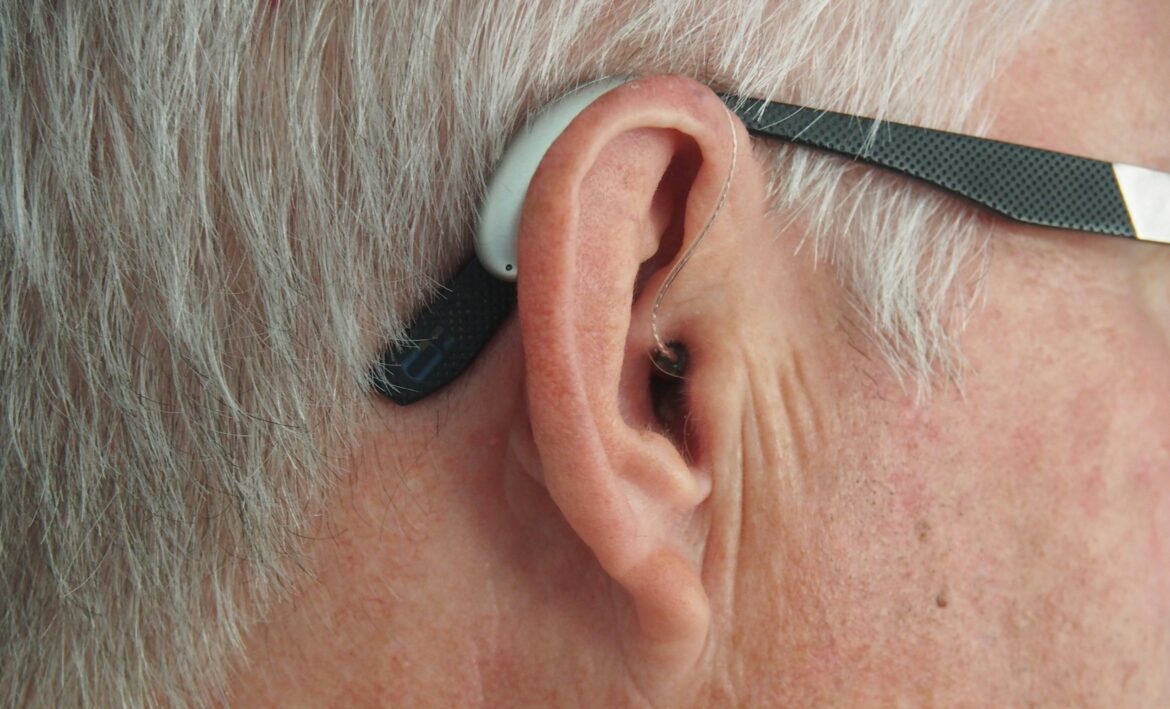
Noise-induced hearing loss is one of the few forms of hearing loss that’s virtually preventable, and therefore one of the more aggravating forms of workplace injury. Occupational hearing loss is generally more rapid and is a much more preventable form of hearing loss than a hearing loss that is experienced in the context of aging; the history of how the exposure happened is very important. The problem is that the damage does not always become apparent, and it takes years to build up.
What makes noise in the workplace different from noise in everyday life?
Loud noises can be heard for a short period of time without causing permanent damage to the ear. Damage occurs when someone is exposed to noise levels that, if repeated or constant, begin to damage the hearing. Typically, around 85 decibels for prolonged periods (for example, heavy city traffic), is considered the threshold for damage. That’s the kind of exposure that happens on manufacturing floors, construction sites, warehouses, and even in some kitchens for hours at a time, every day, and is a far cry from an occasional loud concert or a single noisy commute.
Hearing Damage From Noise is actually not an instant process
The process of hearing damage from noise is not a quick one. When sound levels are high and persistent, they cause damage to the tiny hair cells in the inner ear that transmit sound vibrations to the brain. These cells cannot replace themselves after they are damaged. That is why occupational hearing loss is often permanent and why prevention is more important than post-incident hearing loss treatment in this instance.
Discover symptoms of workplace noise that may already be impacting your hearing
Temporary threshold shift (TTS) is a common early sign; an individual may notice that their hearing is muffled or feels their ears are ‘full’ immediately following a change in a noisy environment, but this is usually temporary and subsides in 24 hours. It is possible that workers who are regularly aware of this pattern are even deeper into the exposure curve as repeated temporary shifts are correlated with increased exposure for potential permanent injury in the future. One of the first things that can happen is ringing in the ears – after a change – this is usually attributed to nothing more than normal when it’s an early warning.
What EHP Really Means When It’s Put into Practice
Not all HPE products are made equal and fit is just as important as the product. When foam ear plugs are used properly they can offer a good level of noise reduction, however they will not work as well if they are not properly inserted. If there is a high noise at the work place, custom ear plugs or earmuffs designed for the decibel level of the workplace can provide more consistent protection than generic ear plugs or earmuffs.
In addition, employers in high-noise industries are increasingly implementing engineering controls (noise barrier, quieter equipment, sound-dampening materials) instead of just using personal protective equipment (PPE). Typically, a combination of both is used, with noise abatement efforts at the source if feasible and adequate hearing protection for the noise that cannot be eliminated from the source.
Important to have regular hearing testing for workers in noisy workplaces
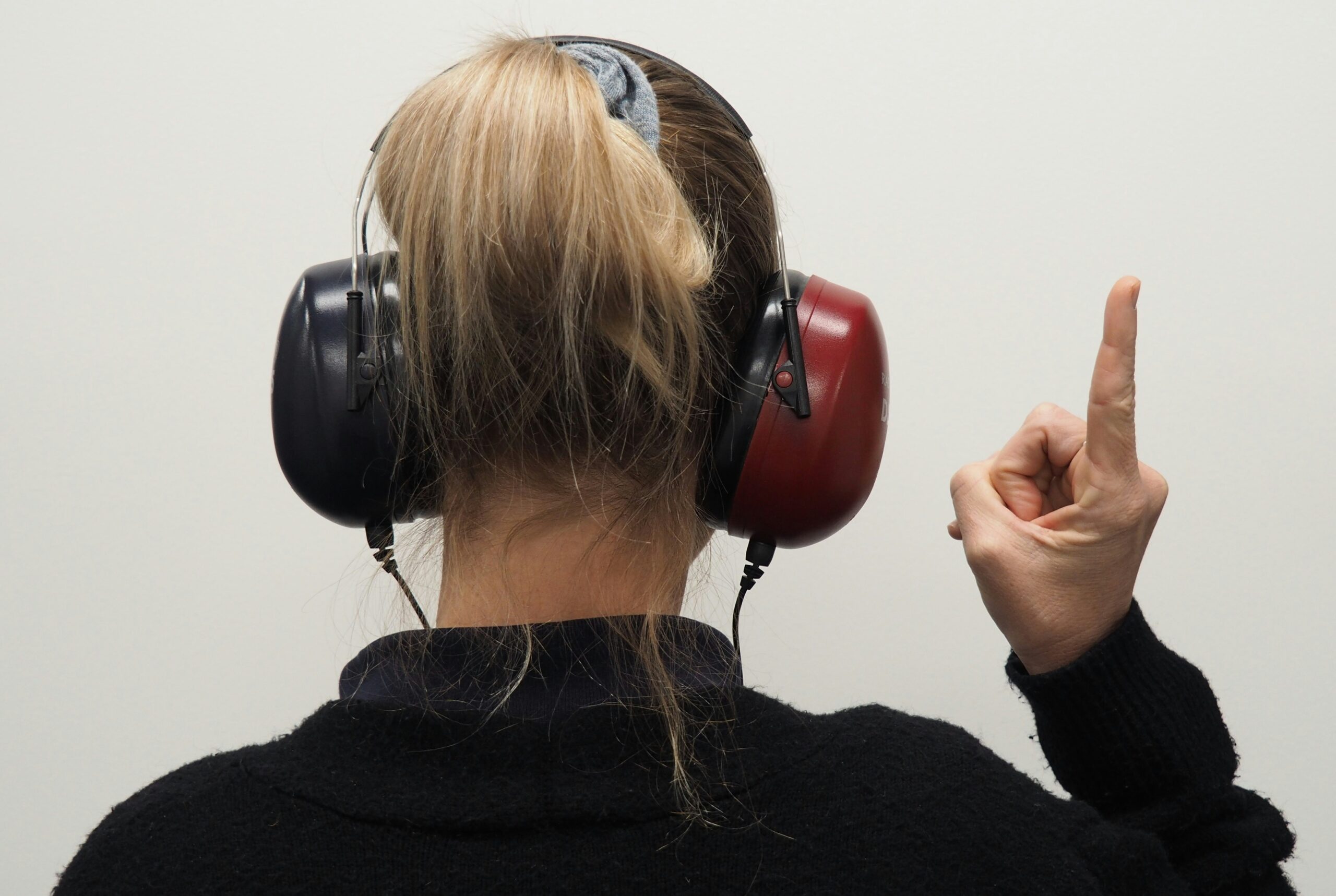
One such less known tool for workers working consistently in noisy environments is the use of baseline and follow-up hearing tests. If a baseline test is performed, it defines the normal way this person hears and if follow-up testing is performed regularly, changes can be detected at an early stage before they become apparent in everyday life. The hearing conservation program in kitchener is designed around this type of continuous monitoring and expert advice on protection that can be implemented in the particular work environment.
A trend that is not severe and does not cause a significant loss will give workers and employers a lot more choices than if they would just find out years later that the loss has become permanent.
Creating an environment of hearing protection
A one that is harder to alter in noisy industries is the notion that hearing protection is something that only “cautious” workers are worried with or it is not a requirement. The most successful workplaces take hearing protection as much for granted as they do hard hats or safety glasses; not something to be considered on a particular day or for certain days based on comfort or convenience.
Noise induced hearing loss can be prevented in almost all cases of work-related noise. What is often lacking is consistent use, proper fit and regular testing to ensure that the protection put in place is effective.
Written by Rizwan Ali

