
Getting over a running injury can be one of the most frustrating experiences for a runner.
Come back too soon and reinjure yourself. Come back too slowly and lose your hard-earned conditioning. It’s truly a tightrope act.
The good news?
Do you think you have to choose between “sitting on the couch” and “back to full training”? Not necessarily. Cross-training progressions allow a runner to rebuild fitness, allow injured tissue to heal and return to running without becoming a repeat statistic on the injury list.
Here is how it all works…
The game plan below:
- Why Cross-Training Matters After A Running Injury
- The Rehabilitation Exercise Bike — A Runner’s Best Friend
- The 4x Phases Of A Smart Cross-Training Progression
- Common Mistakes That Send Runners Back To Square One
- How To Know You’re Truly Ready To Run Again
Why Cross-Training Matters After A Running Injury
Running injuries are more common than most people think.
Studies report that the cumulative annual incidence of running injuries range from 37-56% and approximately 20-70% of those injuries reoccur. That is a large percentage of runners stuck in a repetitive loop — get injured, take time off, return to running, become injured again.
Here’s why it happens:
Rest alone won’t solve it. After taking weeks completely off running you will lose:
- Aerobic fitness
- Muscular endurance
- Neuromuscular coordination
- Bone density and tendon load capacity
They lace up the shoes, run at their old pace, and boom — their body can’t handle the impact. Cross-training fixes this issue. It allows the athlete to keep the engine revved up while the damaged tissue repairs itself — so they can resume intense training without losing fitness.
Even better… It forces the body to move in different ways which develops all round strength meaning there is less chance of the same injury re occurring in the future.
The Rehabilitation Exercise Bike — A Runner’s Best Friend
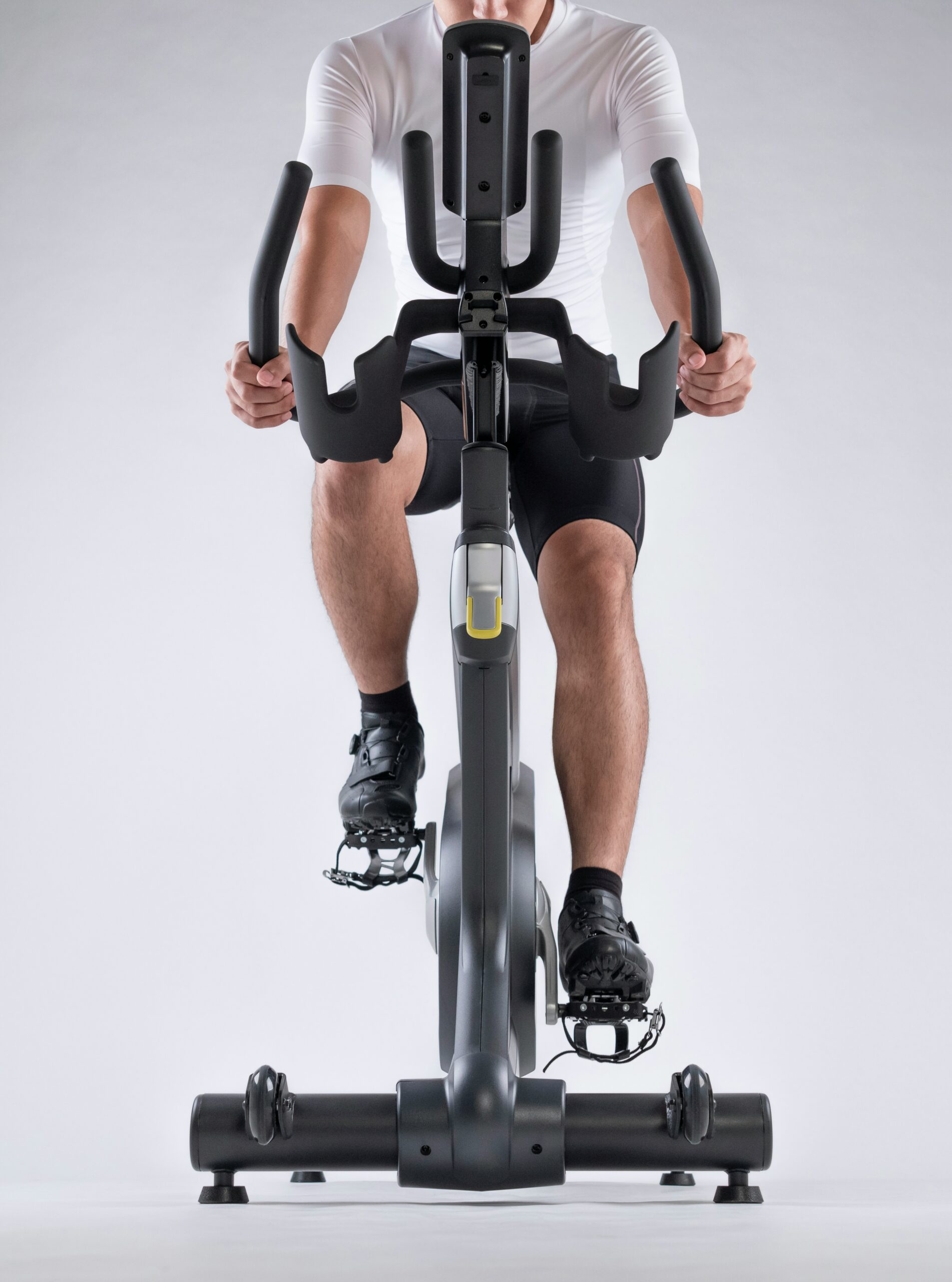
The one piece of equipment every injured runner needs to know about is the rehab exercise bike.
Exactly. Why? Because it checks off every box necessary for comeback criteria. With a good exercise bike, a runner can:
- Train the aerobic system with zero impact
- Load the quads, glutes and hamstrings in a controlled way
- Adjust resistance in small, safe increments
- Track heart rate and effort with real numbers
That last one is massive. Injury rehab isn’t a guessing game — it’s about data. A rehab bike allows a runner to dial in their intensity exactly, so they can work hard enough to get stronger, but not so hard that they set themselves back.
It’s also the safest cross-training tool for lower body injuries like:
- Shin splints
- Plantar fasciitis
- Achilles tendinopathy
- Stress fractures (once cleared by a physio)
- Runner’s knee
The bicycle allows the joints to rest while the muscles continue to work. This is precisely what injured tissue needs to heal without the pounding of the road.
The 4x Phases Of A Smart Cross-Training Progression
Runners love to skip steps.
But 21% of runners admit on average they kept running while injured. That is why so many comebacks fail! Don’t be another number — cycle through each of these 4x cross-training phases one at a time.
Phase 1 — Pain-Free Movement
Phase 1 isn’t cardio/resistance training related. It’s simply trying to see if your injured area can tolerate any loading whatsoever.
Start with:
- 10-15 min easy cycling on the exercise bike
- Very low resistance
- Zone 1 heart rate (easy conversation pace)
- Every second day
If there’s no pain at all during and for 24 hours after then continue. If there is any sharp pain, ease off and speak to a physio before continuing.
Phase 2 — Base Building
Once basic movement is pain-free, it’s time to rebuild the aerobic base.
A weekly plan for Phase 2 might look like:
- 3-4 bike sessions of 30-45 min
- 1x elliptical session for varied movement
- 1x pool run to introduce running-like mechanics
- Zone 2 heart rate (still conversational)
Typically lasts 2-3 weeks. Focus is to get in as much aerobic volume as possible pain free.
Phase 3 — Intensity Introduction
Now the fun part starts.
Runners can begin introducing intervals on the bike to condition the cardiovascular system for running again:
- 4-6 x 3 min hard efforts with 3 min easy spinning
- 30 sec on / 30 sec off spin bike intervals
- Longer 60-90 min steady rides for endurance
Yes the bike is working extremely hard, but you’re still training the exact same energy systems required for running. Research indicates even short blocks of sprint cycling can increase VO2max by about 8% in just a few weeks…fitness isn’t going anywhere.
Phase 4 — Return To Running
Time to lace up.
Start with the classic walk-run protocol:
- 1 min run / 4 min walk x 5-6 rounds
- Add 30 sec to the running portion every 2-3 sessions
- Keep the bike sessions on all “off” days
Tip: Don’t abandon the exercise bike once you’re able to run again. Use 1-2 cycling workouts a week to help maintain aerobic fitness with minimal impact.
Common Mistakes That Send Runners Back To Square One
Even the best cross-training plan can go sideways with a few common mistakes:
Jumping phases: Skipping to Phase 4 from Phase 1 because “I feel okay”. You won’t feel okay afterwards.
- Don’t blow off the 24-hour rule: Tomorrow hurts = injury pain. Back off!
- Copying someone else’s timeline: Not every injury is like every other injury and not every runner will recover at the same rate. Ten weeks might be the norm, but some injuries require 4x that.
- Testing pain mid-run: The “does it still hurt?” A mid-run test prolongs healing, usually worsening your injury.
Cross-training should be monotonous and consistent. Obsessing over progress is the NUMBER ONE reason athletes return to square one – except with more time injured.
Bringing It All Together
Returning from injury is an opportunity to come back smarter, stronger and more resilient than you were before.
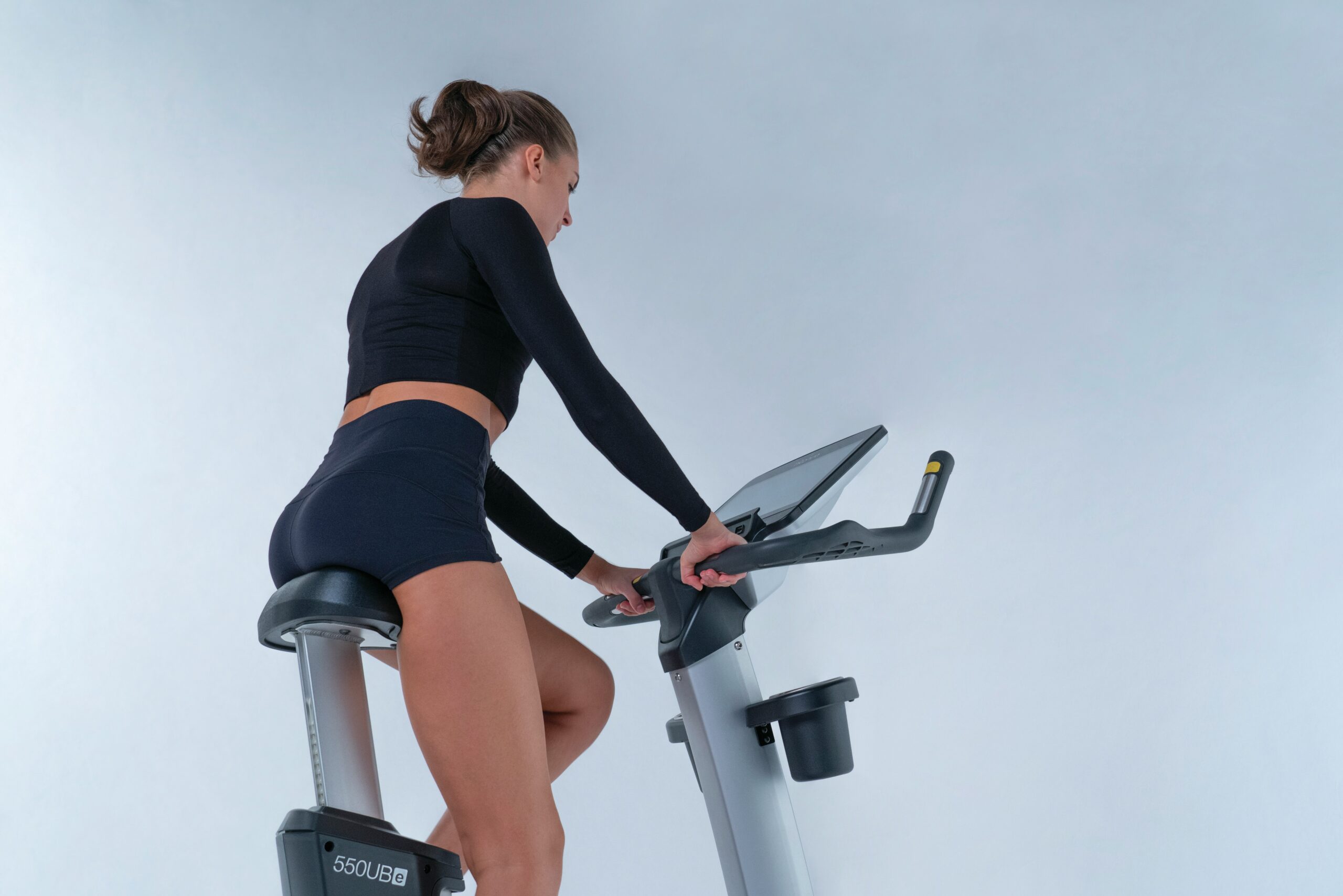
Cross-training progressions — particularly the rehab exercise bike — allow runners to maintain fitness, protect the injury and build strength without risking the recovery. Follow the phases, listen to the pain cues and let the process work its magic. To recap in a nutshell:
- Rest alone loses fitness — cross-train instead
- A rehabilitation exercise bike is the safest low-impact option
- Move through the 4x phases one at a time
- Watch for pain 24 hours after any session
- Keep cycling in the plan even after returning to running
The quickest comeback isn’t always the smartest. It’s the one that STICKS. Listen to the progression, trust the process, and you’ll be running like you never have before once you’re past the injury.
Written by Lisa Moletto (lisa@blogoutreach.co.uk)