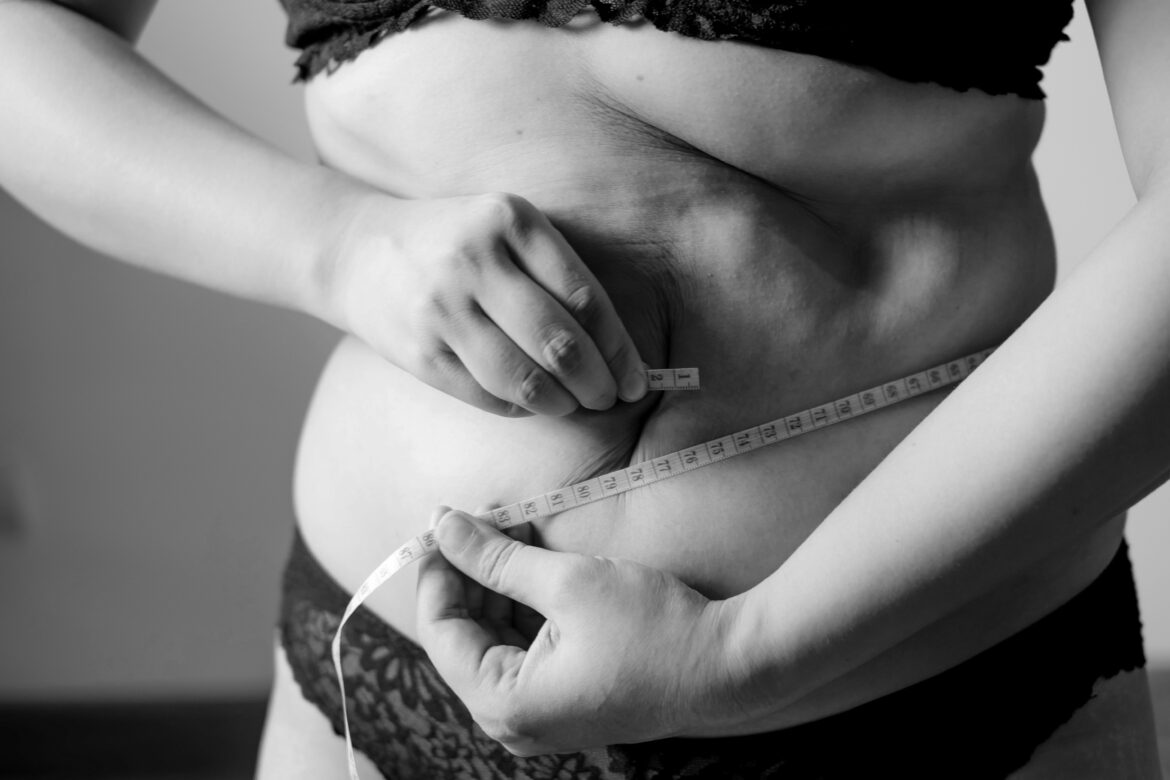
The GLP-1 drugs have revolutionized how many have a relationship with weight management. They can assist in managing appetite and enhancing satiety, which can aid in substantial weight loss along with healthy living practices. Losing excess body fat has numerous health benefits, but the other side of the equation is equally important – muscle preservation and body composition.
While the size of the scale may be all some people want to see or hear, body composition is a full story. It’s a measurement of the portion of your weight that is fat, muscle, bone and water. Preserving lean muscle while eliminating body fat can help to enhance strength levels, metabolism, mobility, and long-term health. The positive side of things is that if you eat right, exercise right and monitor it consistently, you can help maintain a healthier body composition during a GLP-1 weight loss regimen.
A great way to be organized is to use a particular GLP-1 tracking app. Tracking progress, habits and changes over time can assist the user to better understand their routine, and facilitate constructive dialogue with health care providers.
Why Muscle Matters During Weight Loss
Muscle is more than just about looks. It is crucial for everything one does, from moving to walking, balancing to standing properly, and even the metabolism. Lean muscle tissue burns energy more efficiently, and is important for healthy aging and for staying strong and independent.
When a person is losing weight, he or she typically sheds both fat and lean tissue. The aim is to lose as much fat as possible, while keeping as much muscle as possible. When substantial amounts of muscle are lost, physical function may decline, metabolism may drop and it could be more difficult to maintain weight loss long-term.
The GLP-1 drugs suppress appetite that can cause individuals to consume less calories. This calorie deficit is great for weight loss, but can also make it easier to eat too few calories of protein or total calories if not planned properly. This is why it is particularly important to check the quality of the nutrition during treatment.
Nutrition Strategies That Help Preserve Lean Muscle
Protein is one of the best nutrients to help maintain muscle during weight loss, as long as it’s high quality. When protein is combined with regular resistance exercise, it supplies the amino acids that are necessary for the body to repair and maintain muscle tissue.
Good sources of protein are:
- Lean poultry
- Fish
- Eggs
- Greek yogurt
- Cottage cheese
- Beans and lentils
- Tofu and tempeh
- Nuts and seeds
Eating protein over the course of the day, rather than one large meal may be more beneficial for the maintenance of muscle. Since vegetables, whole grains, healthy fat and protein are key components of a balanced meal, they also offer a great source of vitamins and minerals for health benefits.
It’s also vital to drink plenty of water. Patients on GLP-1 drugs may have decreased thirst or side effects in the gastrointestinal tract, which is why it is important to drink fluids regularly to stay well-hydrated.
Resistance Training Supports Healthy Body Composition
Exercise is one of the best weapons to preserve muscles during a weight reduction program. Walking and other forms of heart activity stimulate the heart and promote greater calorie burning throughout the day, while resistance training directly stimulates the muscles.
It’s not always a requirement to join a gym to engage in strength training. There are numerous great exercises you can do with:
- Bodyweight exercises
- Resistance bands
- Dumbbells
- Kettlebells
- Weight machines
These exercises like squats, lunges, push-ups, rows, overhead presses and deadlifts involve several muscle groups. Practice, not perfection. Just a couple of sessions of strength training per week can help maintain lean mass and enhance balance and functional fitness.
The exercise should always be within an individual’s current fitness level and as directed by their health care team.
Looking Beyond the Scales
You can’t tell the whole story from the bathroom scale. People can lose the same amount of weight, but have different degrees of change in body composition. While one can retain a considerable amount of muscle, the other ends up losing a considerable amount of lean tissue.
That is why many healthcare professionals recommend examining other measures of improvement such as:
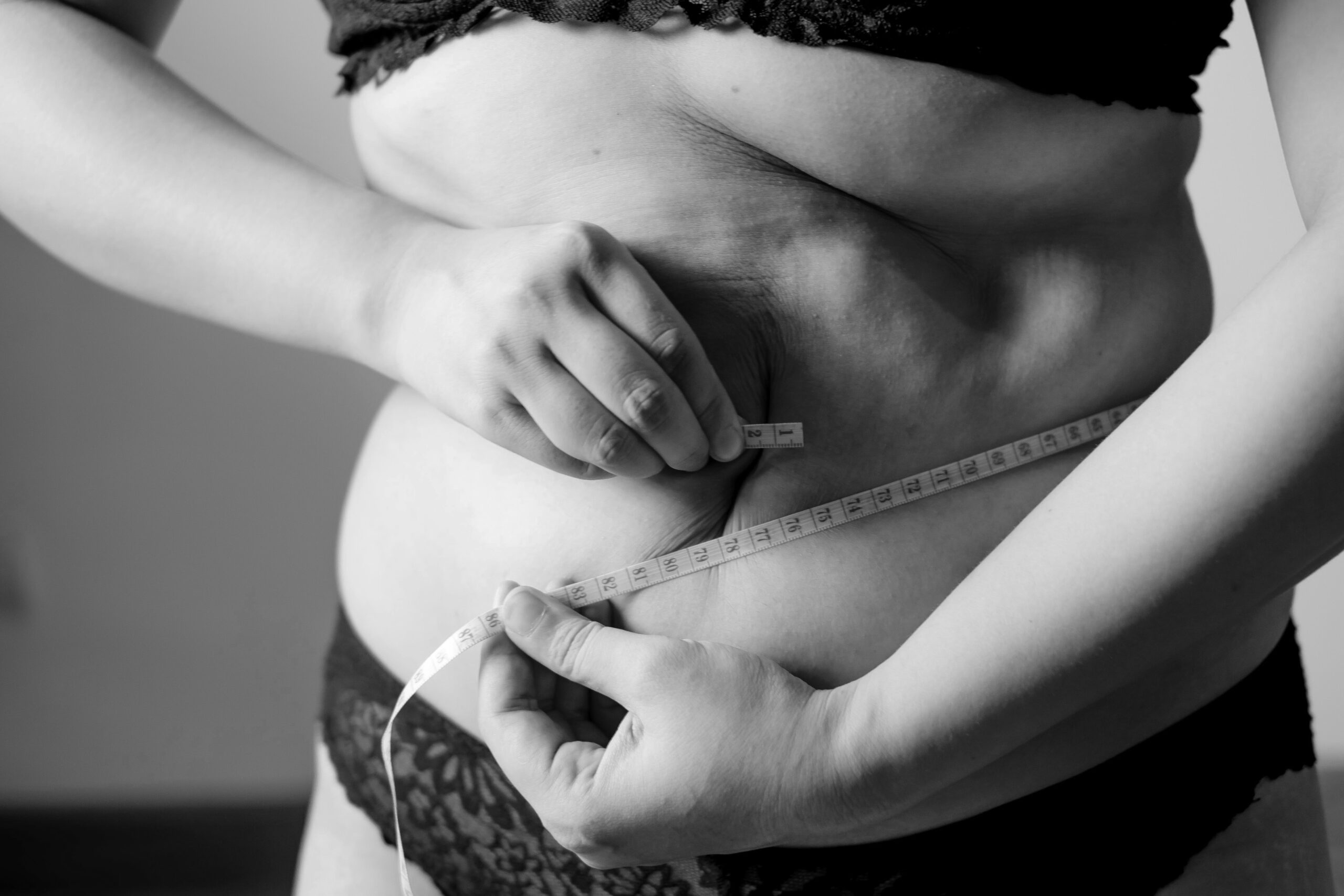
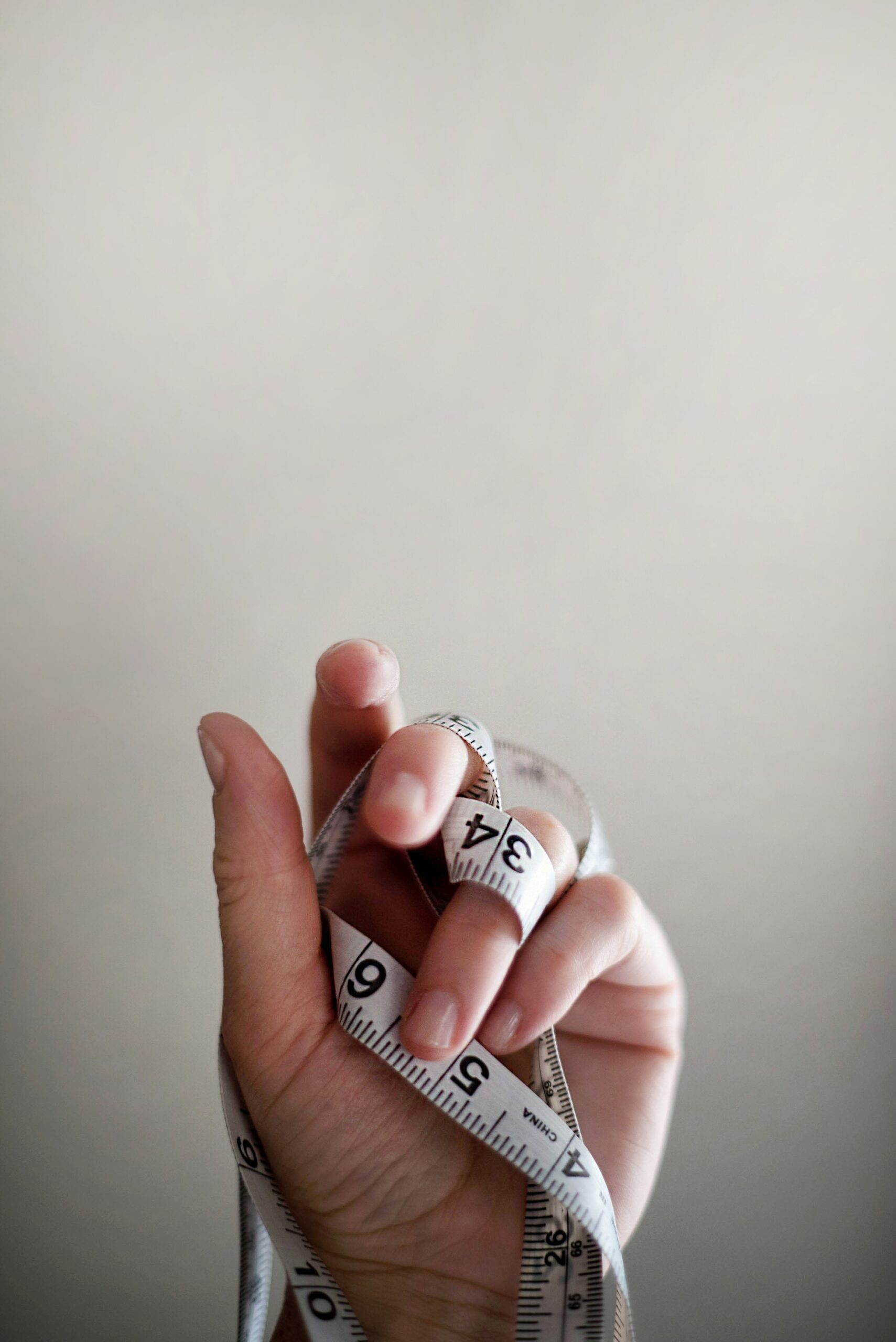
- Waist measurements
- Strength improvements
- Energy levels
- Clothing fit
- Physical endurance
- When available, body composition measurements are carried out.
By monitoring these, a more accurate view can be obtained of progress and frustration can be avoided when the weight loss slows down.
Using a weight trend chart like DoseLog can assist users to keep track of weight trends, behaviors, and milestones during their weight loss with GLP-1 and provide an easier way to look back on their long-term progress.
Healthy Habits Support Long-Term Success
It’s not one perfect workout or one meal of high protein that will protect the muscle. It’s the result of regular daily routines that are cumulative. Proper sleep, stress management, a healthy diet and activity levels are all important for a healthy body composition.
Surprisingly, sleep is an important factor because muscle recovery takes place while sleeping. The quality of sleep could impact recovery, energy levels and appetite control, which may make it harder to ensure healthy habits.
Structured exercise is complemented by regular movement throughout the day. Walking, climbing steps, gardening and other daily activities can help keep people mobile, and help them consume calories without undue strain.
It’s important for people to remember that progress doesn’t always happen in a linear path. It is important to realize that the temporary plateaus are common and not necessarily signs or symptoms of failure. Making a sustainable lifestyle change, over short-term results, can often yield better long-term results.
Conclusion
While GLP-1 drugs can be a helpful component in a weight management program, it is important to maintain muscle throughout. Eating a balanced diet, doing regular resistance training, maintaining healthy habits and making regular progress checks are all contributing factors to maintaining a healthier body composition whilst losing weight.
While the scale may be the only metric considered, strength, physical capabilities, and wellness make up a bigger picture of success. While each individual’s experience will vary, a doctor or a trained health care provider can help to make sure that weight loss is beneficial for both the short term and the long term.
Frequently Asked Questions
- Can you lose muscle while taking GLP-1 medications?
Yes. Some muscle loss can occur during weight loss. Eating enough protein and doing strength training can help preserve muscle.
- Why is protein important while taking GLP-1 medications?
Protein helps build and maintain muscle, supports recovery, and may help preserve lean mass during weight loss.
- Should I eat more protein while taking a GLP-1 medication?
Many people benefit from adequate protein intake, but your individual needs may vary. Speak with your healthcare provider for personalized guidance.
- Should I exercise while taking a GLP-1 medication?
Yes. Regular exercise, including strength training, supports overall health and helps maintain muscle.
Written by Hux Bee (outreach@huxbee.com)