Have you ever set a firm intention to change a harmful routine, only to find yourself repeating the exact same behavior hours later? Whether it is reaching for a sugary snack when feeling stressed, scrolling mindlessly on your smartphone late into the night, or putting off important projects until the last minute, these unwanted behaviors seem to possess a life of their own. You promise yourself that tomorrow will be different, yet the cycle continues almost automatically.
When people struggle to change their daily routines, they usually blame a lack of personal discipline. We tend to view bad habits as moral failings or proof that we lack self-control.
However, this perspective ignores how human psychology actually functions. Bad habits persist because they are efficient biological routines designed to satisfy specific emotional or mental needs. Breaking them requires understanding the underlying mechanics of your brain rather than simply trying harder.
The Brain’s Hidden Loop: How Habits Are Built
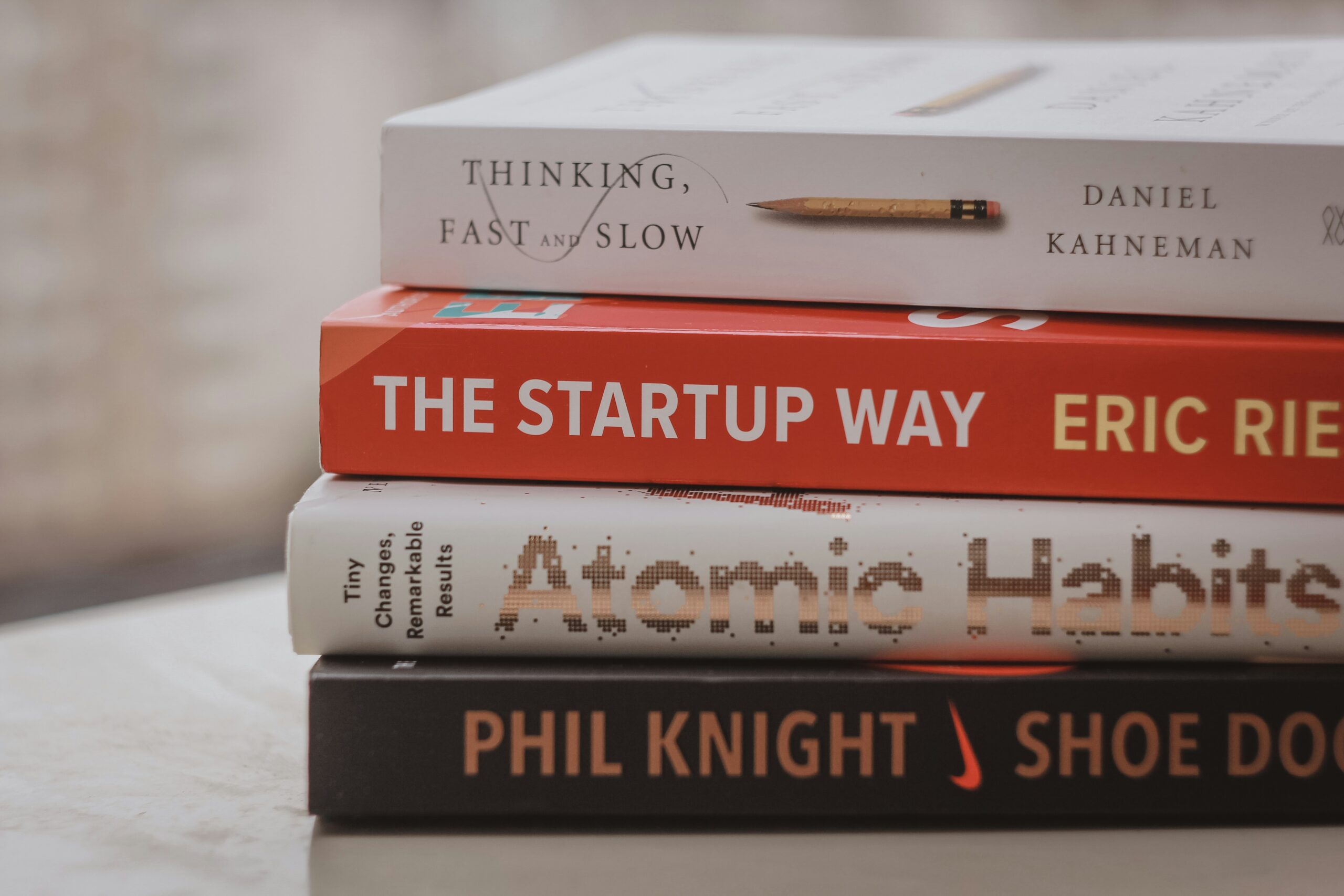
The process of how a habit is formed can give some insight as to why it is so hard to break a habit that is considered to be bad for a person. All habits follow a neurological feedback loop of three stages, a cue, a routine and a reward. The cue is what triggers the brain to respond with the behavior. The routine is the actual behavior itself. The reward is the positive outcome of the behavior or even the relief that the behavior gives.
Most repeated actions are executed automatically by the nervous system. This means that most actions are processed as neural pathways in the brain and thus require little to no cognitive energy to complete.
In anticipating a reward, our brains can anticipate a craving. In this way, our brains can be ‘primed’ to perform certain behaviors, time and again. In the case of smoking, for example, the anticipation of a cigarette can become as powerful as the cigarette itself.
What Secretly Keeps Bad Habits Alive
Bad habits rarely exist without serving an underlying purpose. In most cases, unwanted routines function as coping mechanisms designed to protect you from uncomfortable emotions, such as stress, boredom, loneliness, or anxiety. Reaching for your phone during a challenging task provides a temporary escape from mental friction. Similarly, late-night snacking often offers comfort after an exhausting day.
Furthermore, subtle environmental cues continuously trigger these automatic behaviors without your conscious awareness. Physical objects, specific locations, and particular times of day constantly prompt old routines. People evaluating digital wellness tools often read a Liven app review to see how tracking these environmental triggers helps individuals recognize the emotional cues that fuel unwanted behaviors. Because your brain naturally favors immediate relief over distant future benefits, instant rewards keep bad habits alive long after you decide you want to quit.
 Why Trying to Stop “Cold Turkey” Often Fails
For example, a person who wants to stop eating sugary snacks might stop those snacks “cold turkey,” but he hasn’t identified the underlying reasons for his behavior in the first place. Because the habit currently exists to satisfy some need or set of needs, when the new behavior hasn’t satisfied any of those needs in the absence of the old behavior, the brain will automatically go back to the old behavior to feel OK.
Relying on your self-control in order to stop doing something is a very unreliable way of breaking a habit. Our willpower is a limited resource that gets depleted as the day goes by. In the evening, after having dealt with all the choices, distractions and stress of the day, our brain is usually too exhausted to make any more decisions. We’re left vulnerable to our old habits.
Trying to fight every aspect of a habit until you can’t anymore will lead to many failures and people will often stop trying to change because they feel they just aren’t disciplined enough. However, fighting a habit is not as difficult as it is often made out to be. Rather, you can simply try to replace a habit with a more desirable behavior.
Practical Ways to Break the Cycle for Good
By changing your physical surroundings you can also start to change your ways. Try to put your phone in another room whilst you are at work, for example in your pocket or even inside your drawer. That way you can avoid temptation, like being distracted by constant updates and messages from your social networks.
A third strategy, which is to change your habits, means that you can replace one habit with another similar habit. By keeping the same cue and reward, you can substitute less desirable habits with more positive habits. For example, someone who is trying to avoid mindless scrolling through social media could substitute that habit with a 5 minute walk or a series of stretches. Someone trying to avoid getting distracted by applications on their phone could require himself to add physical friction to the behavior of logging out of those applications each time he or she uses them.
 Retraining Your Brain for Lasting Change
You have to start viewing your habits in a different light. Instead of trying to break an unwanted behavior, and subsequently labeling it as a failure, you should instead be treating it with the same amount of curiosity and patience as you would be when approaching any other challenge. Unwanted habits are deeply ingrained biological patterns and cannot be eradicated from your character.
So long as you keep relating to your unwanted habits in the same way that you’d relate to a flaw in your character, then you’ll be seeing things from the same perspective that you’d normally use to view things that you can’t shake, even though, in the past, humanity has been able to change in the exact same exact ways that you’re wanting to. But once you start viewing your unwanted habits in the same way that you’d view your most positive habits, i.e. that they’re mere habits that can be easily swapped out with new habits of your choice, then you’ve reached the starting point for your desired change.
Written by Rebecca Miller (rebeccamiller.manager@gmail.com)