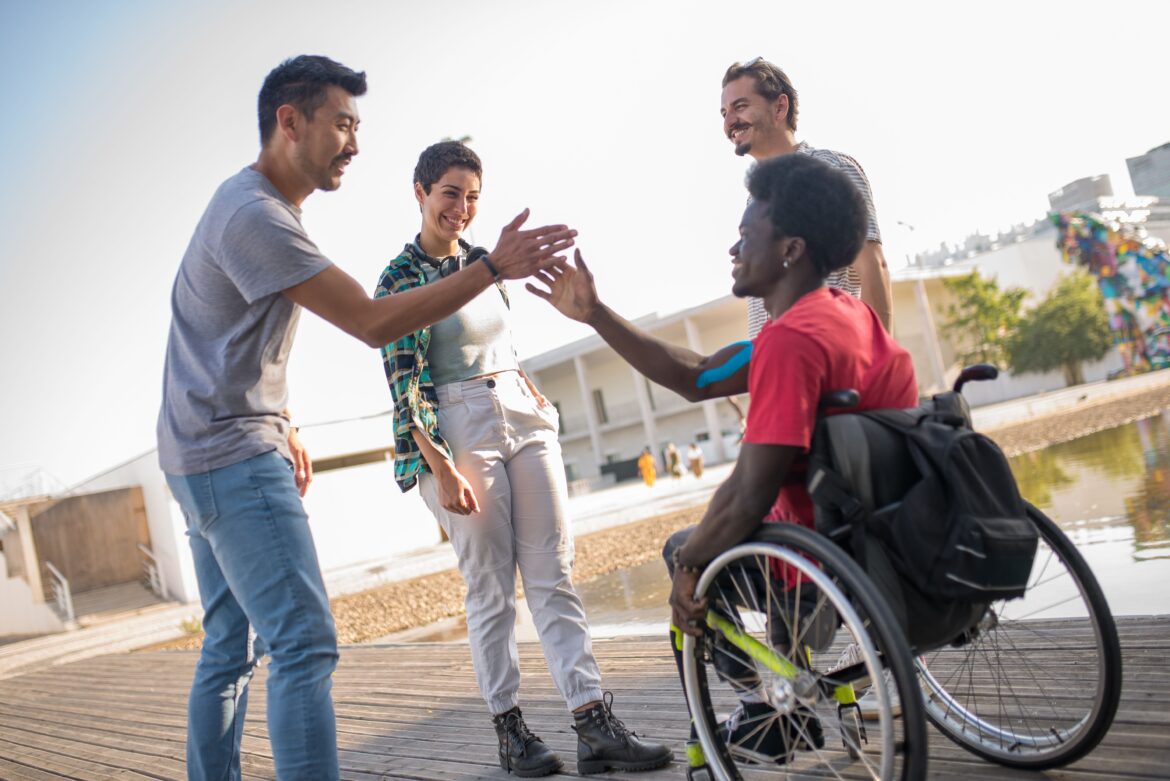
Daily movement and a regular workout routine can lead to big changes in our lifestyle and in the way we look. It’s an extremely important factor for every human being. Adults who are dealing with some kind of disability are usually unaware of this importance, as most of them feel restricted or unsure of themselves. However, the value of the movement does not decrease because someone’s body functions differently. While other people usually work out to achieve an ideal figure, for disabled people, working out is a mission that is much more than that. It is their way to build strength, confidence, and independence, which surely leads to improved quality of life.
Multiple Health Benefits
For people with disabilities, daily exercise ensures many health benefits that go beyond fitness. It helps strengthen muscles, improve blood circulation, and increase joint mobility. It reduces the risk of possible health issues and helps in maintaining a healthy body weight.
With regular daily exercise, people with disabilities can make incredible changes that seem small yet make a big difference. Regular physical activity for NDIS participants has become something life-changing. Thanks to a well-structured routine, many individuals now have a reduced reliance on certain supports and are able to actively participate in everyday activities without struggling.
Improved Emotional and Mental Well-Being
Daily exercise is not connected to physical health benefits only. Body movement can reduce stress significantly, and it can help in releasing a build-up of tension. This is a particularly important and much-needed solution for people who live with disabilities, as many of them face and deal with various challenges every day. Finding a form of exercise that makes you feel joy and comfort can build a sense of achievement and control, which is an essential part of life for every person. If you are unable to move your body for a longer period, even a 15-minute exercise can make a visible difference. Such a short session can feel equally rewarding, and it will surely make you feel more confident.
Encouraging Social Connections
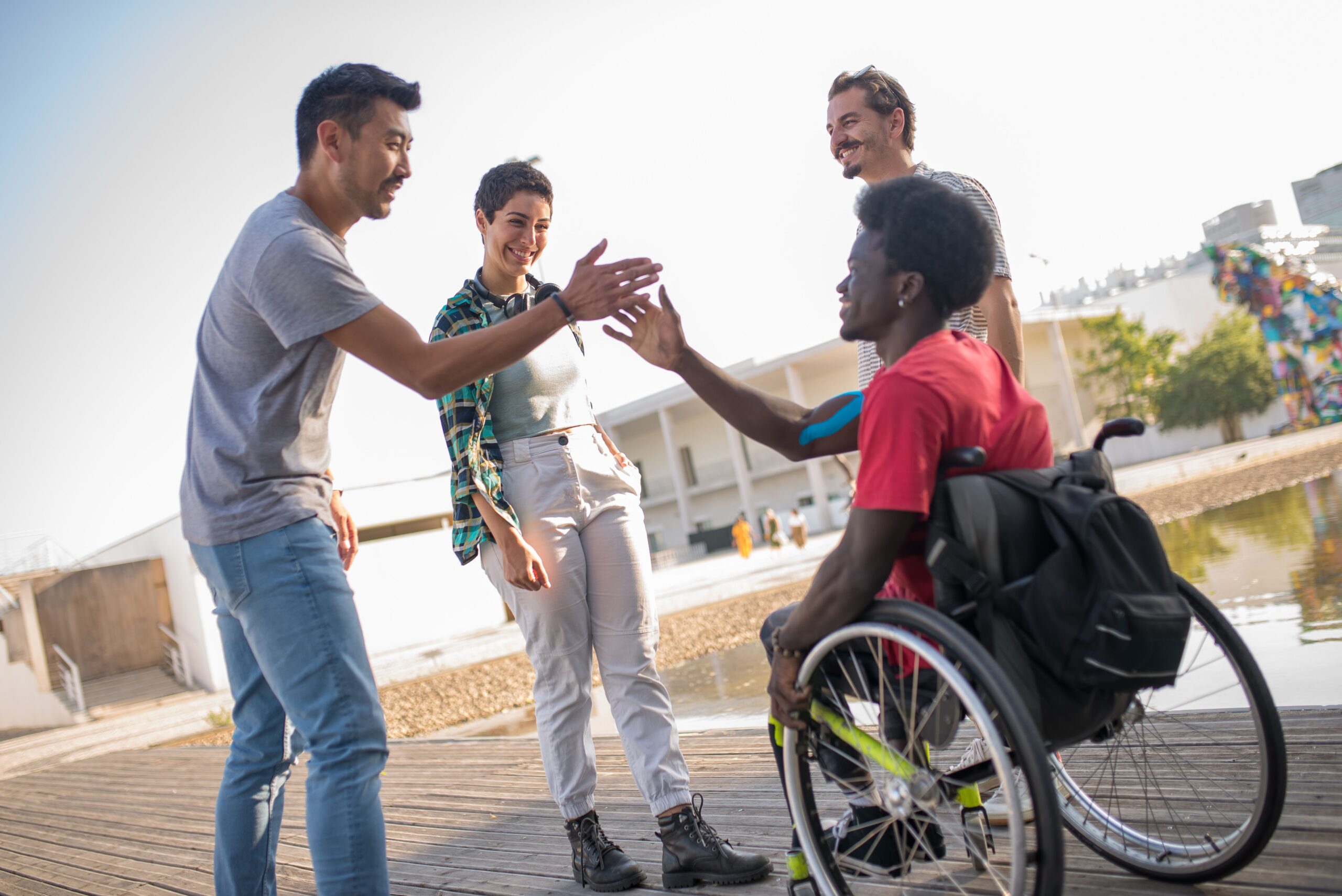
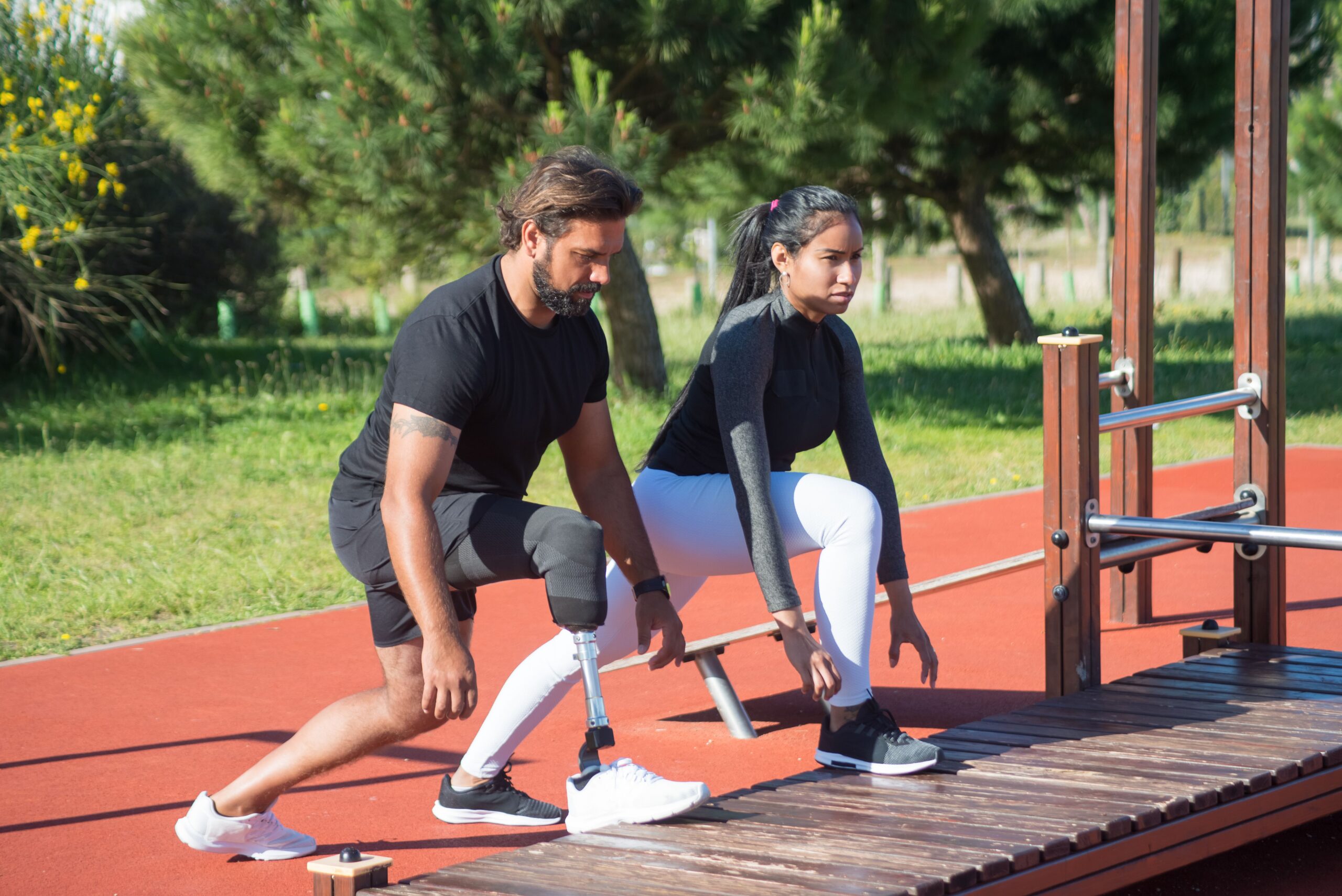
Physical activity can be so much more fun when done with others. Not only can you find all sorts of group fitness activities, walking for fun, adaptive sports and more but also these activities can be modified to better meet the needs of people with disabilities. In many cases people with disabilities experience some level of isolation due to mobility or other physical barriers. However, by participating in physical activity with others, individuals with disabilities can build meaningful relationships and experience a sense of belonging and connection with others.
Tips on How To Start Exercising
- Start with shorter sessions. 10-15 minutes daily is enough for the first few days.
- Ask for professional guidance. A professional trainer or physiotherapist can suggest safe and effective exercises.
- Explore adaptive sports near you.
- Listen to your body. Make sure to take breaks between exercises and rest when needed.
- Exercise with friends, family members, or support workers for additional motivation.
- Acknowledge and celebrate every small win.
- Remember that consistency matters more than intensity.
 Managing Chronic Conditions
When you start exercising regularly, chronic conditions like arthritis, diabetes, cardiovascular problems, etc. become much easier to manage. Daily movement can help improve insulin sensitivity, support healthy weight management, strengthen your heart, or reduce joint inflammation. When regular exercise is combined with a proper medical plan, it becomes a genuine tool that allows long-term health management.
Things To Pay Attention To
Exercising with a disability is not about trying to get people with disabilities to move their bodies in the same way that able bodied people do. Instead, it’s about finding ways for people with disabilities to build strength and to work on their mental health in order to make daily life as easy as possible for them. Therefore, people with special needs should be able to do exercises that have been completely tailored to their needs and these need to be guided by reliable professionals. The safest option needs to be found and we need to be completely realistic about the condition of people with disabilities and the results that they can achieve.
I want to reiterate that exercise does not have to be boring! As long as you can realistically participate in an activity or set of exercises, it should be something that you enjoy doing. For example, swimming, dancing, general fitness training and wheelchair basketball are all examples of exercises or activities for people with special needs. The key is to slowly progress at a rate that is right for you in order to build up a fitter, healthier, more confident and independent person.
Written by Lea Collins (lea@sapurex.com)