Where the mushrooms and beans come from, and how they get processed, matters as much as what’s in the bag. Yet many mushroom coffee brands hide behind vague sourcing claims — and plenty of “decaf” formulas still contain caffeine that isn’t honestly disclosed.
This sourcing-and-sustainability-focused review of the best decaf mushroom coffee looks past the marketing. After sampling dozens of blends, five caffeine-free mushroom coffee formulas earned respect on sourcing quality, ranked on:
- Mushroom variety and concentration
- Other functional ingredients
- Decaffeination process
- Value for the money
- Taste and enjoyment
Genuinely well-sourced smooth energy is available. The best mushroom coffee without caffeine, assessed sourcing-first, follows.
Best Caffeine-Free Mushroom Coffee (Quick Comparison of the Top Brands We Tried)
| Feature | RYZE Mushroom Chicory | Four Sigmatic Calm | La Republica Decaf | MUD/WTR Original | Laird Superfood Perform |
| Price | $45 / 30 servings | $20 / 16ish servings | $24.99 / 35 servings | $35 / 30 servings | $20 / 35ish servings |
| Format | Instant (mix) | Ground (brew) | Instant (mix) | Instant (mix) | Ground (brew) |
| Caffeine | Zero | <5mg | Trace | 35mg | Trace |
| Mushrooms | 6 | 2 | 7 | 4 | 4 |
| Organic | Yes | Yes (USDA) | Yes (USDA) | Yes | Yes (USDA) |
| Extras | MCT Oil + Coconut Milk | None | None | Turmeric, Chai, Cacao | None |
5 Best Decaf Mushroom Coffees: In-Depth Review
One caveat before diving in: the best decaf mushroom coffee is subjective across sourcing preferences — what counts as “sustainable enough” and which mushroom origins matter to you are personal calls.
All five brews below performed well enough on sourcing and taste in testing to earn genuine recommendation. Any works. But one pick balanced sourcing and content strongest, and it takes the top slot.
1) RYZE Mushroom Chicory
This is the best mushroom coffee without caffeine on a sourcing-informed assessment — the only pick on this list labeled ZERO caffeine. Not Swiss Water decaf. Not 99.9% removed. Zero, verifiably, no hidden sourcing tricks.
The mechanism is that coffee isn’t sourced at all for this blend, unlike RYZE’s standard mushroom coffee product. Chicory root is the base ingredient — warm, faintly nutty flavor with real gut benefits and simpler sourcing than beans.
The sourced “RYZE Super6™” mushroom blend:
- Cordyceps
- Lion’s Mane
- Turkey Tail
- Reishi
- Shiitake
- King Trumpet
Each sourced mushroom contributes something distinct. Some support focus and physical energy. Others contribute gut, immune, or calming benefits. Together they produce an uplifting all-day feel — no jitters, no crash. Around 2,000mg of sourced functional mushrooms per serving powers it.
Preparation is trivial. Tablespoon into hot water. Done. Not the cheapest at $1.50 per serving, but sourcing-informed value math still lands on this as the best decaf mushroom coffee — details in the value section below.
2) Four Sigmatic Calm Decaf Ground Coffee
Four Sigmatic has a well-established name in this category. From a sourcing-and-sustainability lens, this blend has one of the most transparent sourcing stories on this list — specifically that the beans come from a small co-op in Peru’s Cajamarca province.
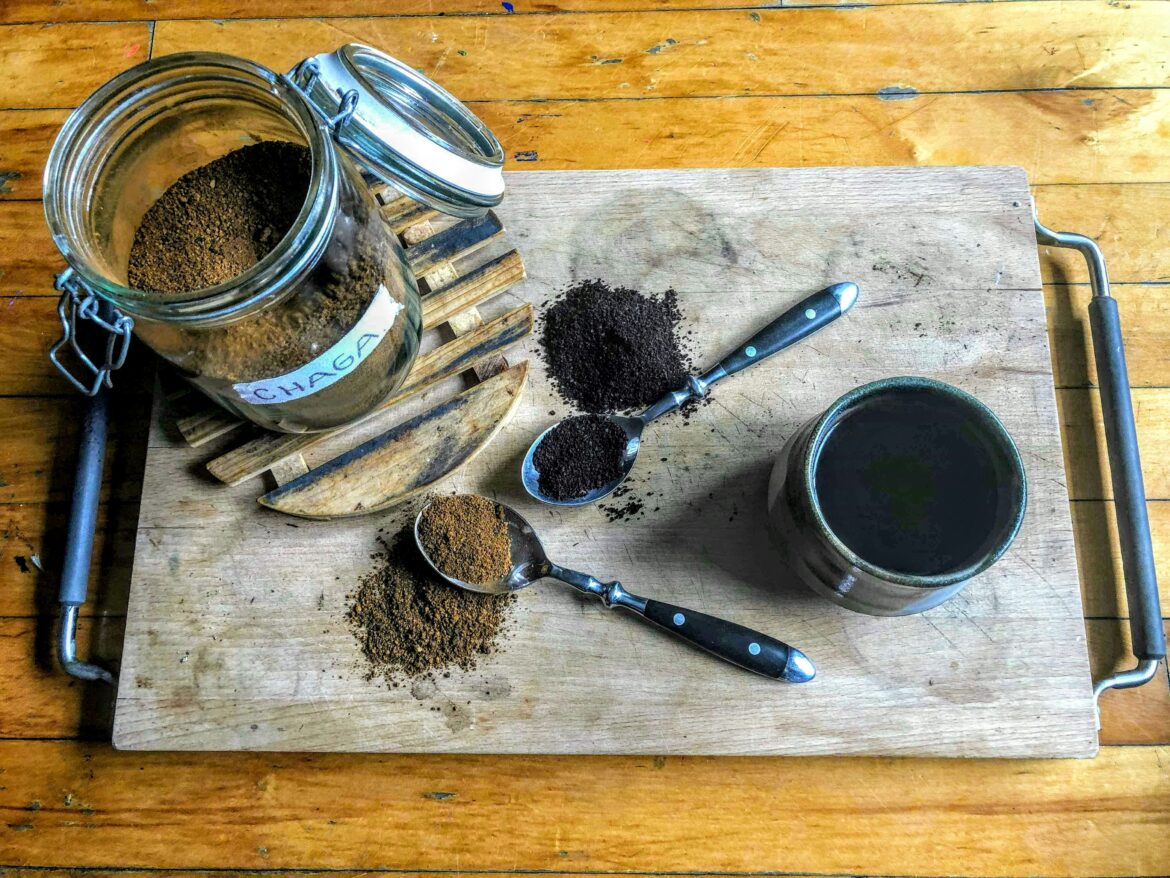
The base is Swiss Water Process decaf Arabica beans from that Peruvian co-op, then paired with two mushrooms: Reishi (300mg per serving) and Chaga (200mg per serving). That combination provides the calming effect.
Taste is a real strength for sourcing-focused shoppers — nutty with brown-sugar notes reflecting the origin. Single-origin, fair-trade sourcing hits the sustainability marks buyers look for.
Sourcing catch: at $1.25 per serving with only 500mg of mushroom content, per-serving mushroom-sourcing value is thin. Also not instant — grind and brew required.
 3) La Republica Decaf Organic Mushroom Coffee
If Four Sigmatic’s narrow mushroom sourcing felt light, La Republica’s Decaf Organic Mushroom Coffee offers sourcing diversity across seven mushroom types:
- Lion’s Mane
- Cordyceps
- Reishi
- Chaga
- Turkey Tale
- Maitake
- Shiitake
By sourcing diversity alone, this might be the best decaf mushroom coffee for buyers wanting maximum mushroom-origin breadth. Sourcing-transparency issue: per-mushroom dosing isn’t disclosed, and no total mushroom milligrams figure is published. Some sources put it at 1,000mg total — half of RYZE.
The other sourcing-driven catch is that trace caffeine remains — water-processed decaf Arabica beans are the base. So it doesn’t hit the strict caffeine-free bar.
Sourcing plus: USDA-certified organic across all seven mushrooms, and $0.75 per serving — the cheapest of the bunch by a real margin. Whether that reads as best sourcing value is a separate discussion.
4) MUD/WTR Original
MUD/WTR is often grouped with mushroom coffees but isn’t coffee. Like RYZE’s Chicory blend, it uses alternatives — cacao and chai — both with their own sourcing stories worth investigating.
Both bring their own therapeutic value alongside the mushrooms. The functional lineup: Lion’s Mane, Chaga, Reishi, and Cordyceps for mushrooms, plus turmeric, cinnamon, and Himalayan salt.
Taste divides reviewers. A vocal group says the brand name says it all — too earthy for daily sustainable enjoyment. Testing found it more drinkable than reviews implied. Not a favorite though.
Flavor matters for a sourcing-informed best decaf mushroom coffee assessment — the most sustainably sourced brew still needs to be one you actually want to drink. MUD/WTR does offer a 30-day money-back guarantee for risk-free trial.
Sourcing note: MUD/WTR carries 35mg of caffeine, the highest on this list. Not enough to jitter you, but relevant for anyone chasing the best decaf mushroom coffee on transparent sourcing terms.
5) Laird Superfood Organic Decaf Perform Functional Mushroom Coffee
Rounding out the sourcing-focused list is an organic decaf performance blend from Laird Superfood — the newest addition. Earned inclusion on both flavor and sourcing quality.
The sourced blend includes Lion’s Mane, Chaga, Cordyceps, and Maitake paired with Swiss Water Process decaf Peruvian beans. Medium roast, clean balanced finish, enjoyable to sip. Very affordable at $20 for 34 servings.
Fifth-place sourcing ranking because trace caffeine remains — knocks against a strict caffeine-free sourcing spec. The other sourcing-adjacent friction is the brewing process — whole beans, grinding and brewing required.
Tips on Choosing the Best Mushroom Coffee Without Caffeine
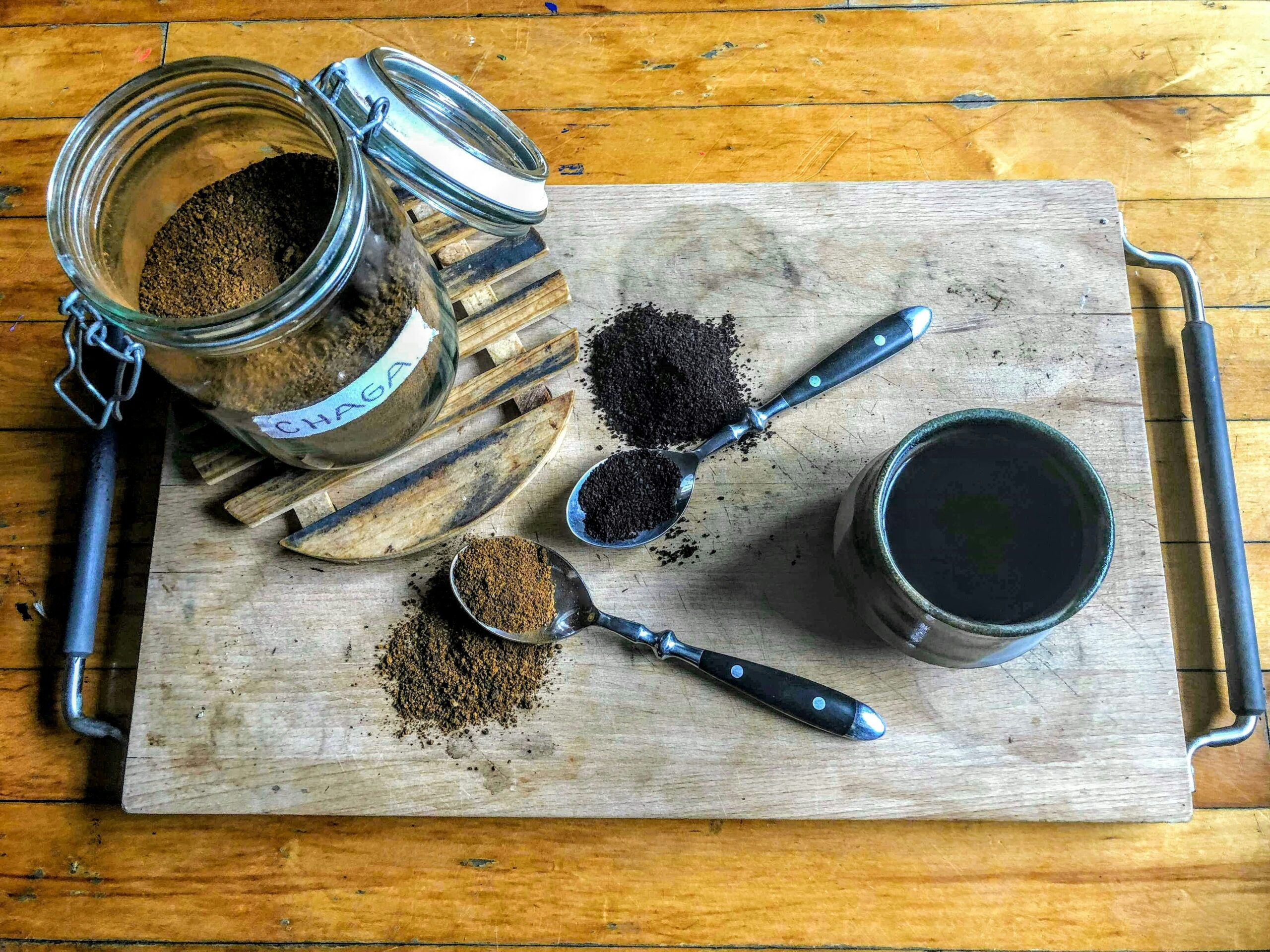
Only you can decide the best decaf mushroom coffee on your sourcing standards. Start by defining what “decaf” means sourcing-wise — 100% caffeine-free, or lower caffeine? RYZE is the only pick if the answer is truly zero (the best mushroom coffee without caffeine of any kind).
Past that, sourcing factors worth weighing:
Mushroom Variety and Content
Every brew on this list is sourced with functional mushrooms. The differentiator is variety count and per-serving dose.
“More = better” isn’t the right sourcing frame. Wanting relaxation? A blend heavy on Lion’s Mane and Cordyceps is the wrong pick — those are stimulating. Look for Reishi and Chaga sourcing instead.
Concentration matters for sourcing efficacy regardless of goal, and it connects to value below. Some blends are sourced light on the actual dosing.
Fruiting body vs mycelium sourcing is another key consideration. Fruiting body carries more of the functional compounds — the smart sourcing target.
Decaffeination Process
The sourcing shopper’s surprise about the best decaffeinated mushroom coffee is that “decaf” and “zero” aren’t the same. Which is exactly why decaffeination method matters from a sourcing-transparency angle.
Swiss Water Process is the sourcing gold standard — chemical-free, better at preserving original bean flavor than solvent-based methods. Or, skip coffee sourcing entirely with something like RYZE (truly zero). MUD/WTR is the only other non-coffee-sourced pick.
Value For the Money
Laird Superfood is under $0.60 per serving. La Republica sits around $0.71. Best sourcing value? Analysis says no — both carry less mushroom content per serving despite the low price.
You get what you pay for on sourcing. RYZE runs more per serving but delivers 2,000mg of mushrooms per serving versus the sub-1,500mg most competitors offer — some as low as 500mg.
Taste Test
The best decaf mushroom coffee has to taste good enough that mushroom flavor fades — the most sustainably sourced blend still fails on sourcing if you don’t actually drink it, since consistency is where benefits accrue.
All five tested at least drinkable, some notably more enjoyable than others. Creative preparation can bridge remaining sourcing-vs-taste gaps.
Frequently asked questions
Are there any mushroom coffees without caffeine?
Yes — with the sourcing caveat that “mushroom coffee” gets used loosely. RYZE Chicory contains no coffee at all, and it’s the only pick if the sourcing goal is the best caffeine-free mushroom coffee. Others on this list range from 5mg to 35mg.
Is decaf mushroom coffee good for you?
Yes. These sourced blends let mushrooms carry the effect, so the jitters and crash of full-caffeine coffee never disrupt the day — which is arguably where much of the wellness sourcing value comes from.
Is there a decaffeinated version of RYZE mushroom coffee?
Yes — RYZE Chicory. Zero caffeine, achieved by sourcing chicory root as the base instead of coffee beans. Not technically “decaffeinated” since caffeine was never present, but the sourcing outcome is the same.
What is the best decaffeinated mushroom coffee?
On a sourcing-informed assessment of the leading options, RYZE takes it. Checks the most sourcing boxes — zero caffeine (verifiably), highest functional content per serving, and legitimately enjoyable taste. Not cheapest, but the sourcing value math works out.
Written by Lea Collins (lea@sapurex.com)