
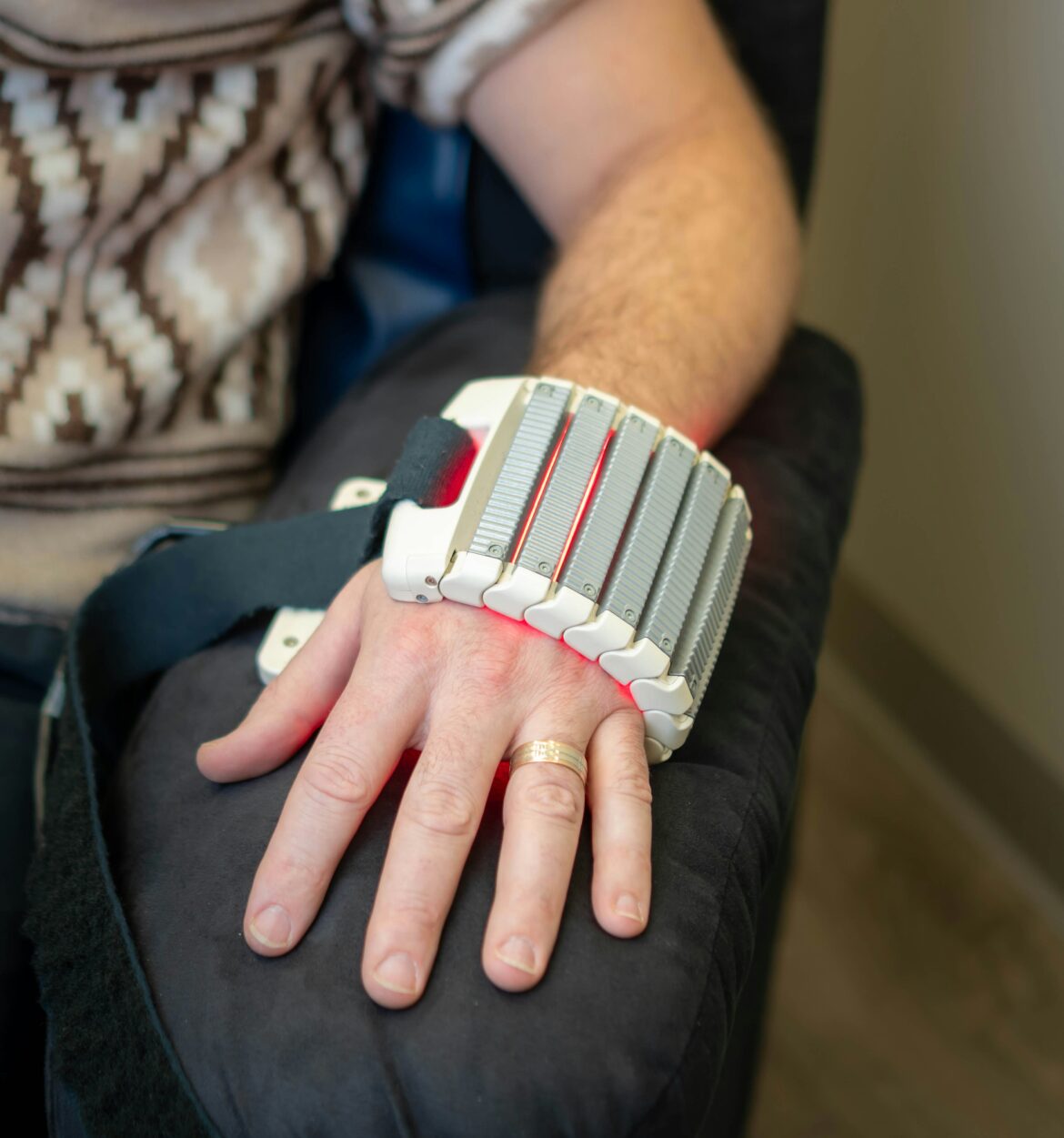
Pain management does not always have to begin with another bottle of capsules. Photobiomodulation—commonly known as red light therapy—uses specific red and near-infrared wavelengths of non-ionizing light to support body tissues.
For adults managing daily joint stiffness or post-workout soreness, readers wondering is red light therapy safe can explore WellnessZing’s guide to understand proper protocols, potential side effects, and eye safety.
Despite the necessity of oral pain medications within healthcare facilities, there are unique advantages offered by light therapy. Rather than claiming superiority of one type over another, it is worth exploring what sets light therapy apart from oral supplements for pain.

What Makes Red Light Therapy Different From Pain Supplements?
Photobiomodulation (PBM) involves directing concentrated light energy directly to the biological tissue. In contrast to pain medication that relies on absorption in the digestive system and metabolism to reach the bloodstream, light therapy uses low-intensity light to directly activate cells at the place of application. Regulated differently by authorities such as the FDA depending on intended use and device claims, PBM operates entirely through physical photon delivery rather than biochemical digestion.
1. It Targets the Area Being Treated
A major advantage of photobiomodulation is localized application. If you take a supplement for joint pain in the knee or shoulder, then the substance has to go through the digestive process and enter the systemic bloodstream.
In the case of red light devices, people have an opportunity to apply the therapeutic wavelengths directly to muscles or joints that cause pain. That way, the photon energy will be delivered right where needed without going through metabolism in the stomach and liver.
2. It Doesn’t Require Swallowing Another Product
For people who are on certain medication or regularly taking vitamins, capsule fatigue is a common problem.
- No Ingestion: Light therapy eliminates the need for swallowing pills, mixing powders, or experiencing the bitter taste of some supplements.
- No Digestive Burden: Because it is non-ingested, light therapy avoids upset stomach, acid reflux, or gastrointestinal irritation occasionally linked to certain oral ingredients.
- Routine Friendly: Sessions consist of putting panels, pads, or wands on the skin surface, which easily integrates with your daily routine relaxation activities.
3. It May Offer a Different Route to Pain Management
While oral supplements work chemically and require absorption of nutrients to impact cell processes, red light therapy works physically through photobiology.
The photons absorbed by the cytochrome c oxidase in the mitochondria stimulate adenosine triphosphate (ATP) production and impact inflammation. This distinct mechanism makes photobiomodulation for pain management a compelling physical alternative to oral nutritional strategies.
According to the results of a systematic review on the use of PBM for treating tendinopathy involving 17 randomized controlled trials and 835 participants, the therapy helps relieve localized pain and improve function, especially when used together with exercises.
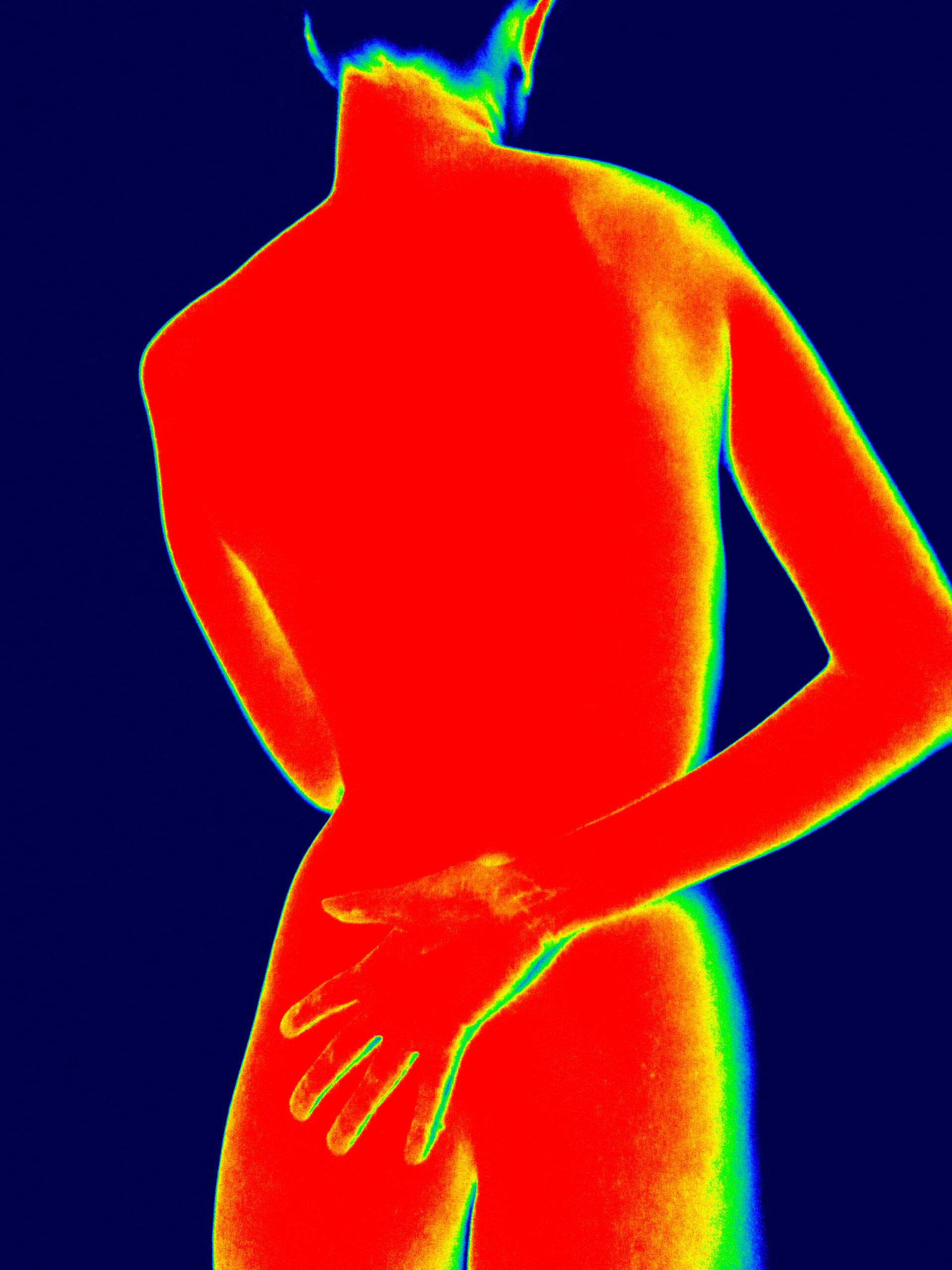 4. Research Supports Its Potential for Some Pain Conditions
Even though marketing claims always exaggerate, clinical studies demonstrate positive results in the case of certain musculoskeletal problems:
- Knee Osteoarthritis: The results of a systematic review from 2024 including 10 studies and 542 participants prove that there were statistically significant reductions in pain at rest compared to the placebo group; however, researchers emphasize that the certainty of the evidence is very low.
- Tendinopathy: Meta-analyses have proved that the combination of PBM and exercise results in greater pain reduction and improved function compared to the use of a placebo treatment combined with exercise.
- Chronic Pain Populations: According to systematic reviews, PBM might provide some benefits in certain chronic pain conditions, but their nature depends on the specific characteristics of the device, such as output, wavelengths, and dosing.
The quality of evidence currently available differs depending on protocols, thus making PBM a promising area for further research rather than a guaranteed treatment method.
5. It Can Be Used as Part of a Broader Pain Strategy
In contrast to supplements taken orally, photobiomodulation fits perfectly well into the existing regimen. Researching materials about red light therapy for pain relief demonstrates how exposure to light affects people positively when combined with physiotherapy, mild physical activities, and recommendations from medical specialists.
PBM does not influence systemic blood chemistry; therefore, healthcare providers recommend using this technique alongside physical activity regimens in order to control pain.
6. It Avoids the “One Supplement Fits Everyone” Problem
Dietary supplements have an extremely high variation in the processes of manufacture, purity of components, bioavailability, and the metabolic response of the user. The dosage that would work for one person might cause gastric problems and ineffectiveness for another.
Although photobiomodulation units differ in terms of wavelengths and intensity, the protocols using light can be calibrated based on distance, duration, and application points. Rather than following standardized absorption rates inside the body, individuals are able to adjust their sessions and placement according to their personal needs.
Safety Still Matters
Light therapy is non-invasive, yet taking precautions is important:
- Eye safety: Don’t look straight at bright LED or laser light arrays; wear protective goggles compatible with the wavelength.
- Precautions for photosensitivity: Don’t use PBM if you are on any photosensitizing medications or have photosensitive health problems.
- Guidelines on Device Usage: Always follow the manufacturer’s recommendations on the distance and time of sessions to prevent skin irritation.
- Consultation with a Doctor: Before relying only on your home devices, consult with a medical expert for new, puzzling, or strong pain symptoms.
Red Light Therapy vs. Pain Supplements at a Glance
| Consideration | Red Light Therapy | Pain Supplements |
| Route of Delivery | External non-ionizing light photons | Oral ingestion (capsules, powders) |
| Targeting | Direct, localized application | Systemic distribution via bloodstream |
| Gastrointestinal Impact | None | Potential mild digestive irritation |
| Evidence Profile | Protocol- and condition-dependent | Ingredient- and quality-dependent |
| Primary Risk Factors | Eye strain, photosensitivity | Nutrient interactions, organ load |
 The Bottom Line
Red light therapy has great advantages when compared to usual pain medicines, such as a targeted application, non-ingested use, and fewer adverse effects. However, photobiomodulation is not a universal cure-all. Educational websites like WellnessZing show that the best approach to maintain a musculoskeletal system is to combine evidence-based light therapy with exercise and a sufficient amount of sleep, and consult with a professional doctor.
FAQs
Is red light therapy safe?
When applied according to the instructions of the manufacturer and using proper eye protection, PBM is considered safe. Persons suffering from photosensitivity disorders and taking light-sensitive drugs should consult a doctor before application.
Can red light therapy become a replacement for pain medication?
It must not be viewed as such at once. While PBM provides specific benefits without the necessity of consuming anything orally, there are some supplements targeting systemic deficiencies. Each one does its job depending on individual health goals.
How often can one apply red light therapy?
This depends on the specifics of the device used, its wavelength, and the state of the treated area. Many programs advise short applications 3 to 5 days per week, but one should follow the directions of particular products or their healthcare provider. Additional information can be found at WellnessZing.
Written by Marie Colvin (mariecolvin21@gmail.com)