
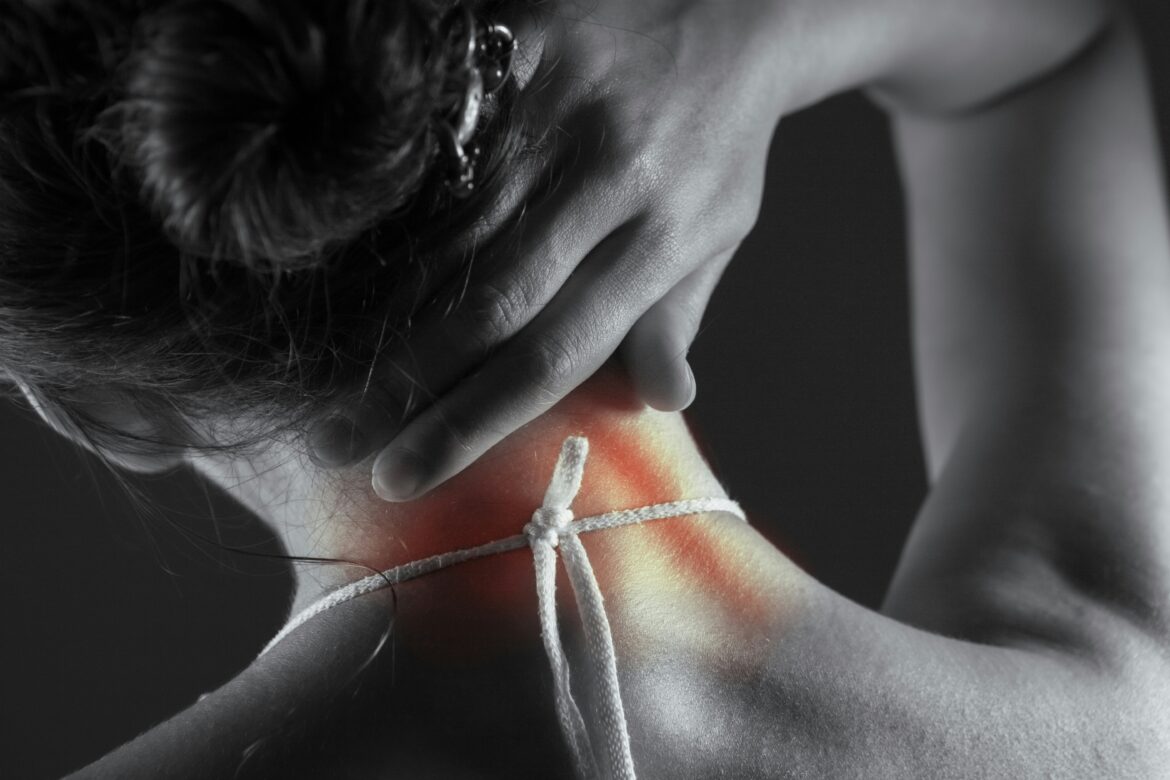
Tissue repair biology looks at how the body reacts when tissue is injured. A torn tendon or overstretched ligament does not simply go back to how it was before. Healing instead involves a number of biological processes, such as cell activity, collagen production, inflammation, and tissue remodeling.
Much of what we know about these processes comes from preclinical studies, including laboratory and animal research. These studies allow researchers to examine changes in damaged tissue that are difficult to observe directly in humans.
This article covers what preclinical studies have shown about tendon, ligament, and connective tissue healing, along with the gaps in the evidence and where peptide-related research currently stands.

How Tissue Repair Happens
Tissue repair is often divided into three overlapping phases: inflammation, proliferation, and remodeling.
Inflammation
The inflammatory phase starts soon after an injury. A clot forms to help stabilize the damaged area, while immune cells begin clearing away damaged tissue. This sets the stage for the next phases of repair.
Proliferation
During proliferation, cells begin producing new material at the injury site. In tendon tissue, cells such as tenocytes and fibroblasts contribute to the production of collagen, one of the main structural components of tendons and ligaments.
Studies suggest that activity during this stage plays an important role in determining how much new tissue is produced. This phase can last from one to four weeks, depending on the tissue and the type of injury.
Remodeling
Remodeling is the final and longest stage of tissue repair. New collagen fibers are gradually reorganized and aligned as the tissue develops. Research published on ScienceDirect notes that this stage may begin around four weeks after injury and continue as the tissue matures and adapts to mechanical stress.
The goal is not simply to produce more tissue. The new tissue also needs to become better organized and capable of handling force. Even then, animal studies have found that healed tendon tissue may not fully regain the structural or mechanical properties of the original tissue. That is one reason tissue repair biology remains an active area of preclinical research.
Why Tendons Heal So Slowly
Tendon healing is one of the more difficult areas of tissue repair research.
Tendons connect muscle to bone and are exposed to repeated mechanical stress. At the same time, they have a relatively limited blood supply compared with some other tissues, which can affect the repair process.
Researchers writing in a review of preclinical tendon repair note that tendon and ligament injuries are a significant area of research, particularly in sports medicine. Because tendon repair can be slow and incomplete, scientists have studied a range of preclinical approaches, including:
- Stem cell-based approaches
- Growth factors
- Tissue engineering
- Scaffold-based methods
Most of these approaches remain within laboratory and animal research.
Tendon tissue still follows the same general stages of inflammation, proliferation, and remodeling, but the repair process can take longer than it does in some other soft tissues.
A major focus of preclinical research is understanding how collagen becomes organized after injury and how researchers can measure changes in biomechanical strength.
In simple terms, scientists want to know how much force repaired tissue can handle and how closely its structure resembles healthy tissue.
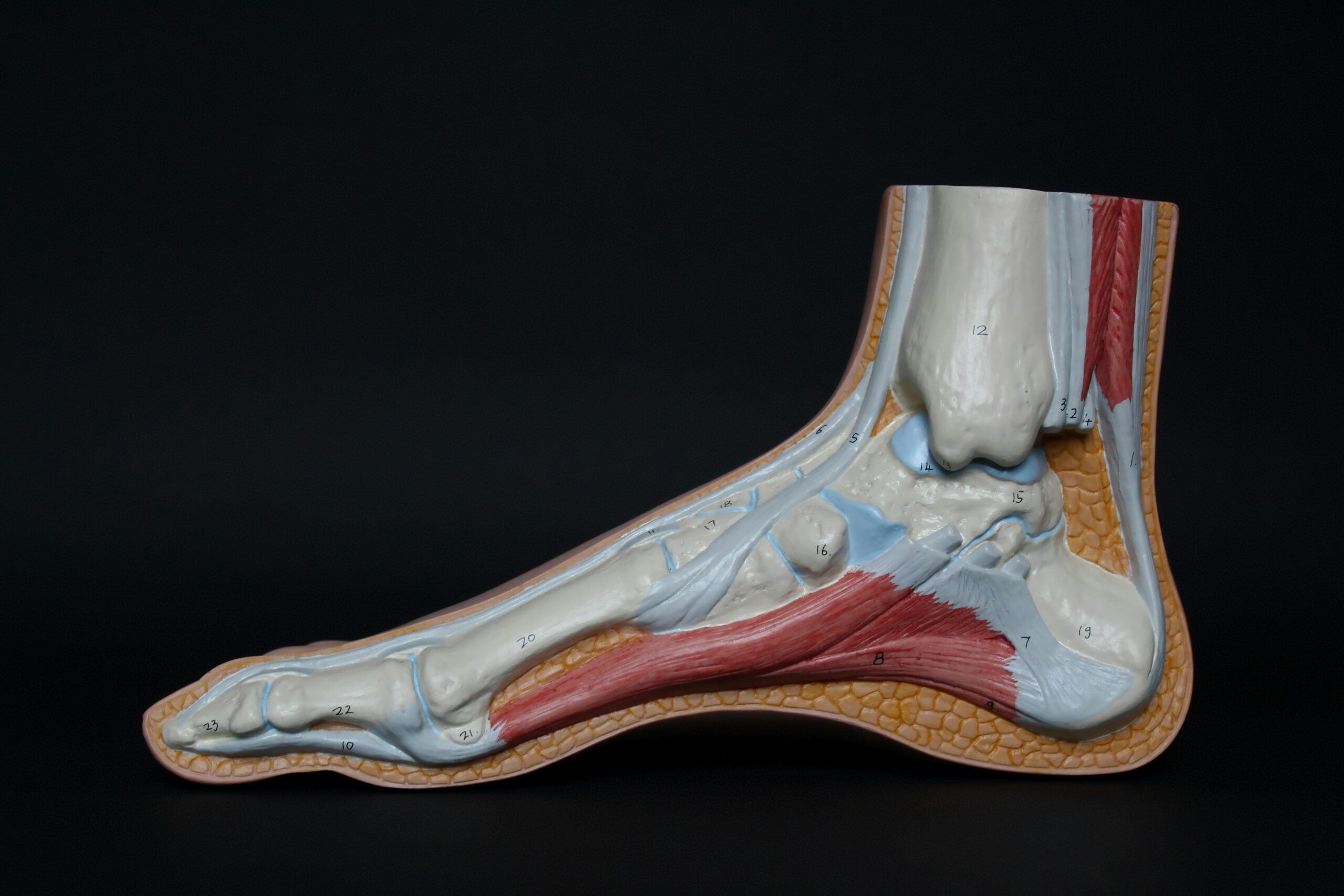
What Animal Models Show About Ligament Healing
Ligament healing follows many of the same biological processes seen in tendon repair, but ligaments have their own structural challenges.
Ligaments connect bone to bone, and some, such as the ACL, have limited blood supply in certain areas. This can make natural healing slow and, in some situations, incomplete.
Animal models are widely used in ligament research because they allow researchers to examine internal tissue changes over time. These changes would be difficult to study directly in a living person without invasive procedures.
Research on tendon-bone healing has also shown that repair can become more complicated when different tissue types need to reconnect. Healing at these junctions can differ from healing within a more uniform tissue structure.
This is one reason preclinical research pays close attention to the areas where ligaments, tendons, and bone meet.
How Scientists Study Ligament Healing
A typical preclinical study may follow a process like this:
- Select an animal model. Rats and rabbits are commonly used because their healing processes have been studied extensively.
- Create a standardized injury.. Researchers use a controlled procedure so the starting conditions are as consistent as possible.
- Apply the intervention or control. One group may receive the substance or approach being studied, while another serves as a control.
- Assess healing at defined time points. Tissue may be examined after one, two, or several weeks, depending on the study design.
- Conduct histological and biomechanical testing.. Histology involves examining tissue samples under a microscope. Biomechanical testing measures how the tissue responds to force.
- Compare the results between groups. Researchers then assess whether measurable differences occurred and whether those differences are likely related to the intervention being studied.
This general approach is used across many areas of tendon, ligament, and connective tissue research.
Connective Tissue Healing and Peptide Research
Connective tissue covers structures such as tendons and ligaments, as well as the extracellular matrix, which is a network of collagen and other proteins that provides structural support.
One area of preclinical interest involves short chains of amino acids known as peptides. Some are being studied for their possible effects on processes such as angiogenesis, collagen organization, and tissue repair.
A review published in a peer-reviewed journal reported preclinical findings involving one such peptide in rodent tendon models, including changes in movement scores, tissue strength, collagen organization, and revascularization.
What the evidence shows: These results come from animal and laboratory research. They do not establish the same effects in humans.
The gap between a positive finding in an animal model and successful human research remains one of the central issues in tissue repair biology.
Researchers are still working to understand which biological mechanisms observed in laboratory and animal studies can translate into later stages of research.
For a more detailed look at specific animal findings, see this preclinical research on regenerative peptides.
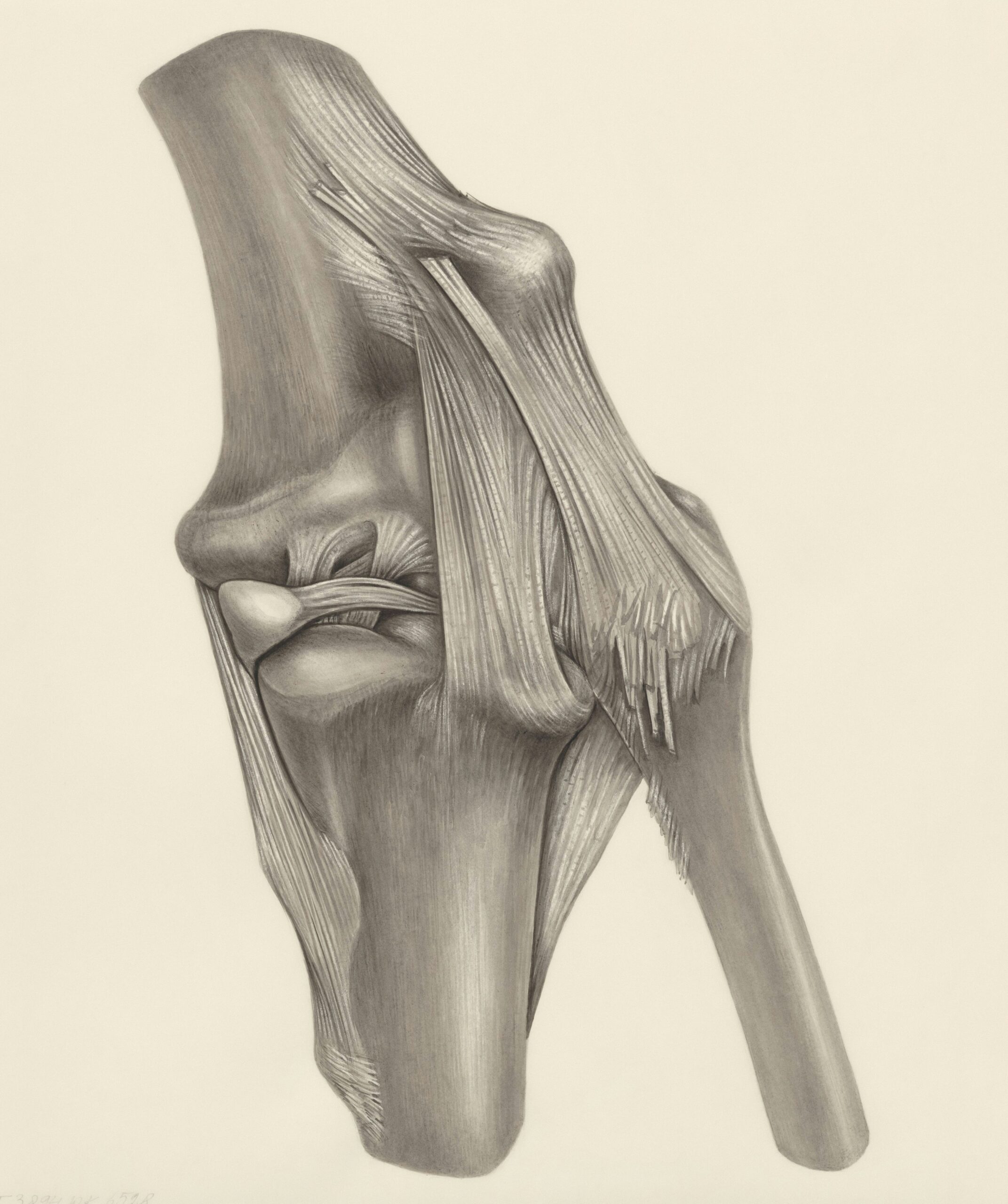 What Preclinical Research Can and Cannot Tell Us
Preclinical research is important because it allows scientists to study tissue repair at a biological level.
Researchers can examine:
- Changes in collagen structure
- Cell activity at the injury site
- Blood vessel formation
- Tissue organization
- Mechanical strength
- Differences between treated and control groups
At the same time, preclinical findings have clear limits.
A result observed in a rat, rabbit, or laboratory model does not automatically predict the same result in humans. Differences in biology, injury models, study design, and tissue structure can all affect how findings translate.
This is particularly important in areas where early research receives more public attention than the evidence currently supports.
Where Tissue Repair Research Is Heading
Tissue repair biology helps explain how tendons, ligaments, and other connective tissues respond to injury.
The same processes keep showing up in preclinical research: inflammation, new tissue formation, and remodeling. Animal models remain an important source of evidence because they allow researchers to measure biological and mechanical changes that would otherwise be difficult to examine.
Peptide-based research is one part of this larger field, but it remains preclinical. The same is true for many other experimental approaches being studied for tendon, ligament, and connective tissue repair.
The next challenge is not simply finding biological changes in animal models. It is determining which findings can be reproduced, understood, and eventually examined through further research.
Written by Jamie Jackson (jamie.editorial@atomicmail.io)