
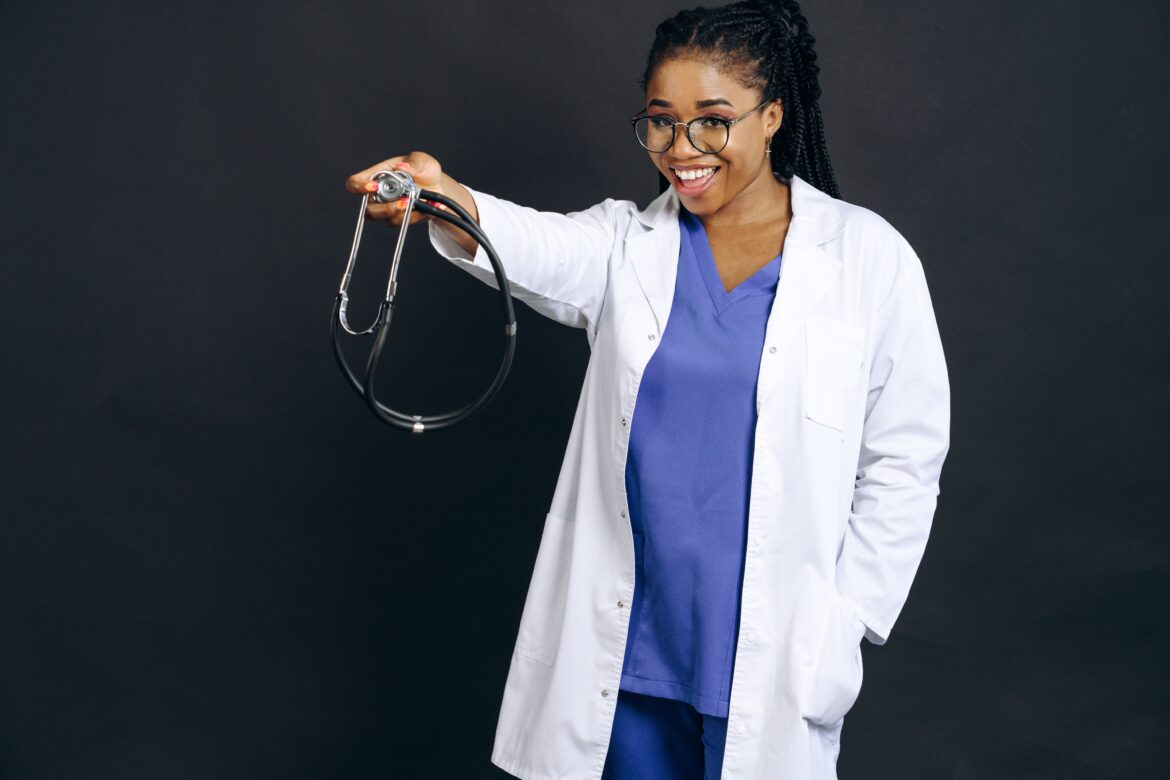
Once you decide to become part of the medical landscape, you’re kind of always “stuck” in it, meaning that you’ll always have to work on your knowledge when it comes to this field. From the very first day of medical school, as a medical professional, you’ll need to conduct different research, learn more about the latest treatments, and many other things, all the time.
Why does this matter? Well, that’s because what used to be perceived as helpful in terms of medications and overall care may now be perceived as outdated. That’s why it’s pivotal to view continuing education as an integral part of your life.
It’s safe to say that continuing education is a very broad topic that will be further explored in today’s article.
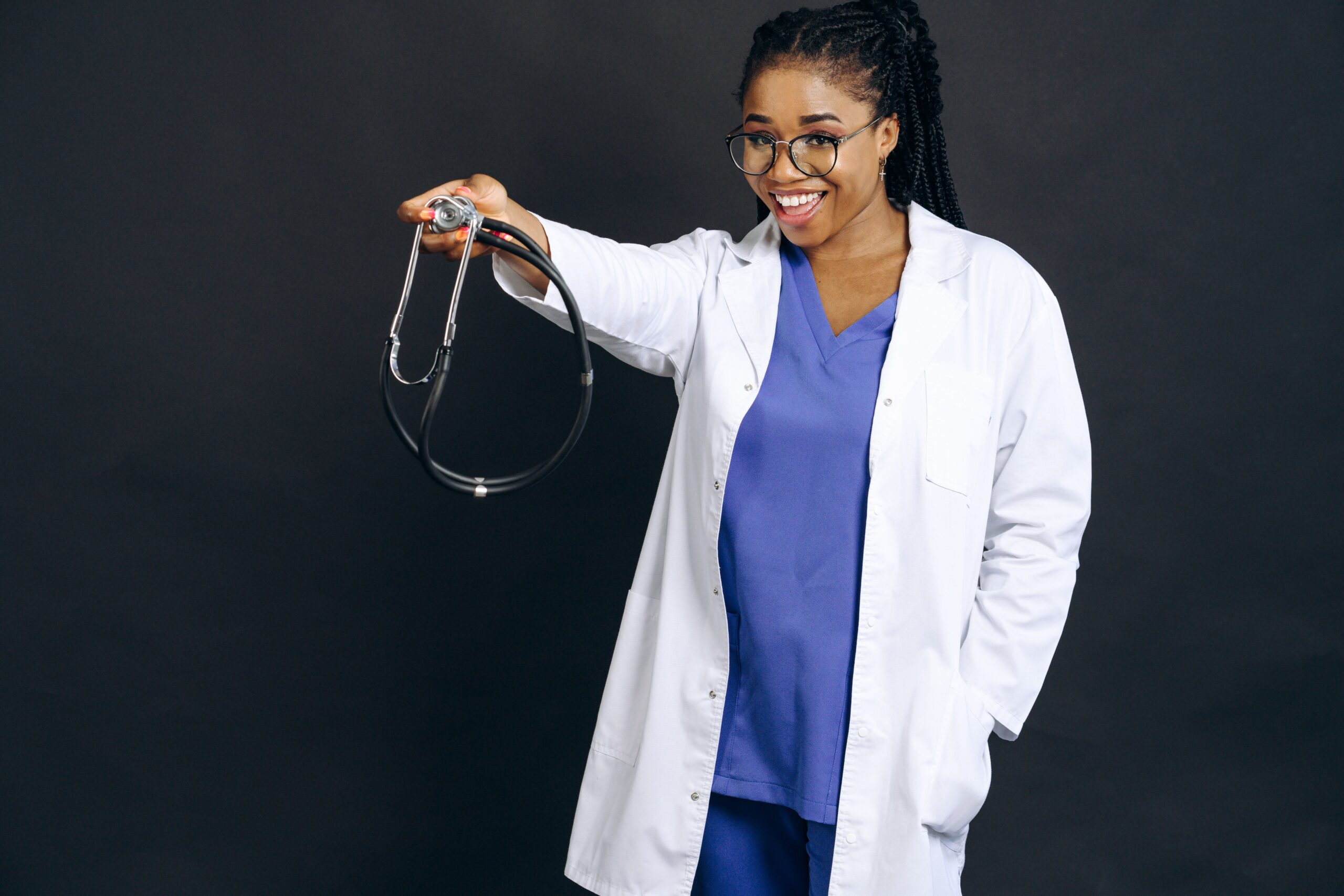
You Shouldn’t Feel As If It’s A Chore
The phrase “continuing education” makes professional development sound like just another annoying chore that’s part of a hectic schedule. Let’s be real: medical pros are already drowning in huge workloads, endless shifts, and major responsibilities the second they clock out.
But learning doesn’t have to mean sitting in a crowded room staring at a chalkboard. You can choose opportunities that actually vibe with your interests and your life. For some people, a traditional convention is great.
Others would much rather do online modules, specialized workshops, small group seminars, or educational trips that get them far away from their usual clinic walls. This is exactly why things that are similar to CME Vacations are a total game-changer for healthcare workers who want to mix education with a changed environment. When they’re set up right, these trips give you an opportunity to earn education credits while completely unplugging from the daily chaos of patient care.
At the end of the day, the goal is to find an educational style that actually feels sustainable, rather than treating your credits like a punishment you have to squeeze into an already overloaded life.
Medicine Doesn’t Remain Stagnant
There aren’t a lot of fields that are as progressive as medicine is. This comes as no surprise since researchers are constantly working on uncovering different pieces of information about medications, diseases, cutting-edge tools that could be used in this industry, diagnostic methods, and patient care.
You can be the biggest expert in this landscape, but that still doesn’t mean that you should be heavily reliant on the knowledge you’ve acquired in college. The entire purpose of continuing education is to help you keep up with the changes that impact the healthcare world.

You’ll Maintain Your Skills, As Well!
Being book smart isn’t going to cut it in the medicine field. Healthcare pros also need great hands-on skills that can get surprisingly rusty if they aren’t used every single day. Continuing education is the perfect excuse to revisit old procedures, go through clinical approaches, and so on.
Depending on your exact specialty, that could mean practicing everything from the latest diagnostic techniques to smooth patient communication strategies or playing around with emerging medical tech.
It’s easy to conclude that when you’re part of the medical world, you end up in a never-ending cycle of continuous learning that is beneficial not solely for you, but also for the patient you take care of.
Written by Lea Collins (lea@sapurex.com)

