
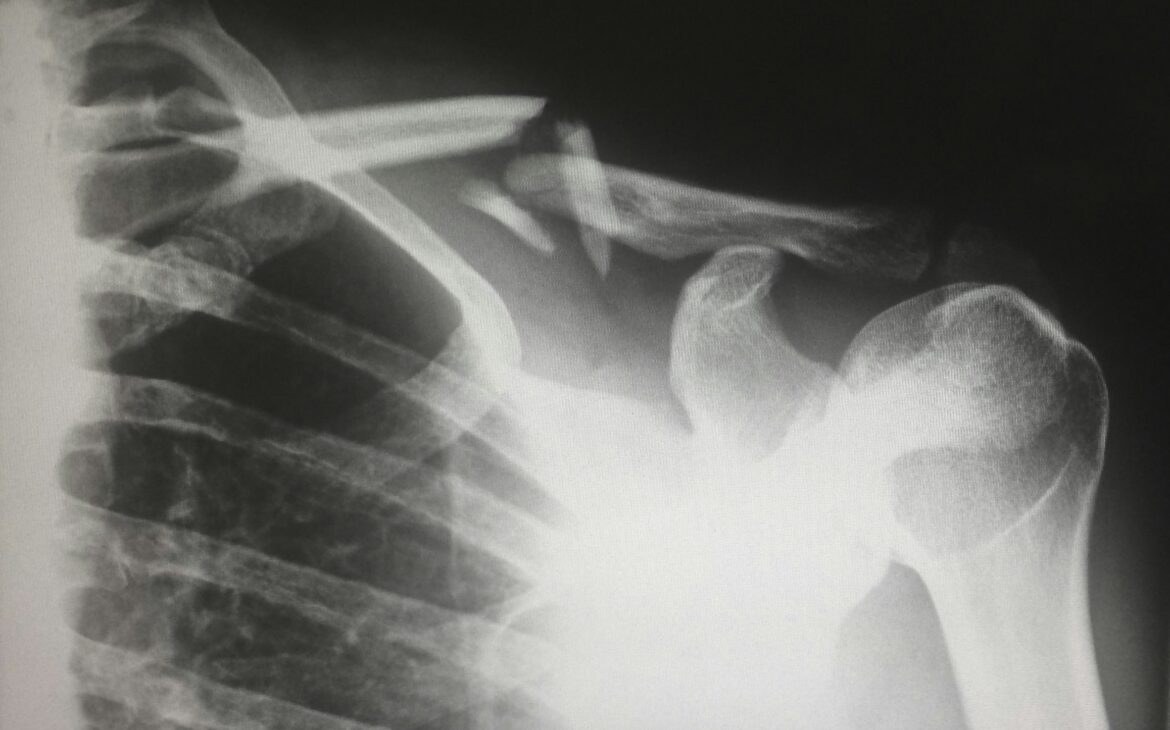
While the financial costs incurred by a serious car accident may be easily documented by means of bills and pay stubs, such an occurrence can cause so much more. Illness and injury are recognized at law as resulting in economic as well as non-economic losses, i.e. those causing physical pain and suffering, resulting in disability or physical impairment and causing disfigurement.
When an injury is extreme, assessing damages when the person has gone through recovery, has restrictions on his or her daily activities, has physical scarring, has sleep disturbances, has limited mobility, and can no longer participate in normal activities of daily living, often require reference to the procedures for assessing damages in such extreme cases. Most courts use the pattern jury instructions to identify all of the various elements of damages that have been assessed in a case.

1. Non-Economic Damages Address Losses That Are Not Direct Financial Costs
Non-economic loss refers to and includes: (i) nonpecuniary harm; and (ii) examples of such harm, including: (i) pain and suffering; (ii) inconvenience; (iii) disfigurement; and (iv) physical impairment. Therefore, even though certain losses are not direct financial expenses, they still can be very significant.
Every claimed non-economic element must be supported by appropriate evidence and the court must determine whether to use the damage instructions for each such claimed element.
2. Pain and Suffering Can Reflect the Physical Experience of the Injury
The jury can consider past and future physical pain and suffering caused by the injury. This includes pain from the time of injury through the time of healing as well as permanent pain and other disability. Injuries such as a fractured bone or severe soft tissue injury often result in patients having pain while in the hospital and healing from their injury. In some cases, patients even have pain from therapy that is intended to heal them.
In addition to a record of treatment (doctors’ visits, surgery, medications, etc.), others may be able to describe the extent of the injured person’s pain and how it has affected him or her over time. For example, others may be able to describe how the injured person’s sleep has been affected, how difficulty sitting or walking has affected the injured person, how painful physical therapy has affected the injured person, how often the injured person experiences pain and how that pain has affected the injured person.
3. Emotional Distress May Be Relevant in the Right Circumstances
 In addition to all of the physical pain and suffering that can be experienced in connection with a serious collision, many injured individuals experience significant amounts of emotional distress. Such emotional distress can include such symptoms as fear or anxiety and can cause an individual to suffer from problems with sleep. In order to recover for such emotional distress, there must be sufficient evidence to support same and for the court to have ruled that such damages are recoverable.
No case can ever assume that emotional distress is always a factor in serious car accidents and thus always warrant separate consideration by the jury. All kinds of evidence (counseling records, medical notes and reports, testimony as to changes in the victim’s behavior and daily activities, etc.) can bear on the question of whether the victim experienced serious emotional distress as a result of the accident.
4. Loss of a Normal Life Focuses on Activities and Enjoyment
Illinois pattern instructions define “loss of a normal life” as a temporary or permanent diminished ability to enjoy life, including an inability to pursue its pleasurable aspects. The focus is different from the amount of physical pain an injury causes. A person may have manageable pain but still be unable to return to hobbies, exercise, family activities, travel, or other parts of life that were routine before the collision.
When an Elgin car accident lawyer evaluates this type of loss, evidence may need to compare life before and after the crash. The strongest description is usually specific: what the person did previously, what the injury now prevents or limits, and whether doctors expect those restrictions to improve.
5. Disfigurement Can Matter When an Injury Changes Appearance
 Although physical impairment or disability caused by serious injury is almost always permanent, its significance can vary greatly from individual to individual. This type of injury can cause great emotional pain and often permanently changes the appearance of the injured individual’s body. The amount of disfigurement is often not merely a matter of physical measurement but also depends on the location of the injury on the body and the extent to which the individual is embarrassed by it.
To establish disfigurement a plaintiff will need to produce photographs of himself throughout his recovery from injury. Furthermore, records of the plaintiff’s plastic-surgery treatment, as well as a professional evaluation of the extent of scarring, will prove invaluable to establishing the extent of a plaintiff’s disfigurement. Finally, evidence detailing the ways in which a plaintiff’s scarring has affected his life, such as his being forced to wear clothing to conceal his scar, and the embarrassment he feels as a result of said scarring will surely be of great value to a plaintiff’s claim for disfigurement.
Disability or Physical Impairment Can Affect Function
In addition to reducing strength, causing a physical impairment also can decrease range of motion, balance and even dexterity. In addition to restricting physical activity, disability can restrict a person’s normal activities and way of life. That is why Illinois’ civil pattern jury instructions regarding non-economic loss also include reference to disability and loss of normal life as alternate ways of referring to the same type of damage for which physical impairment already is sufficient.
Functional restrictions can include a limitation to lift, to drive, to stand, to go up and down stairs, to use a hand, etc. Future physical impairment can be claimed where a doctor predicts that in the future the injured person will continue to have physical restrictions. Evidence regarding a physical restriction incurred as a result of a collision must show how that restriction affects the functions of the injured party.
Everyday Evidence Can Help Show Intangible Losses
Because non-economic damages do not come with invoices, evidence often needs to describe how the injury changed daily life. Useful material can include:
- medical and therapy records;
- photographs showing scars or physical changes;
- work or activity restrictions;
- testimony from the injured person;
- testimony from family members or others who observed changes; and
- counseling or rehabilitation records when relevant.
The purpose is to provide concrete examples that distinguish one person’s experience from another’s. A detailed timeline can also help separate temporary limitations from problems that continue after treatment has stabilized.
Fault Can Still Reduce the Recovery for Non-Economic Losses
The existence of serious non-economic harm does not decide liability. Illinois follows modified comparative fault. Under 735 ILCS 5/2-1116, a plaintiff whose contributory fault is more than 50% of the proximate cause cannot recover damages. If the plaintiff’s share is 50% or less, damages are reduced in proportion to that percentage.
That rule applies to the overall compensatory recovery, so evidence about how the crash happened remains essential even when the injuries are severe. Pain, emotional effects, loss of normal life, disfigurement, and physical impairment may all matter, but each must be supported by evidence and considered alongside fault. A careful claim documents both sides of the case: why the other party was responsible and how the collision changed the injured person’s life.
Written by audrey@sentient.ph