
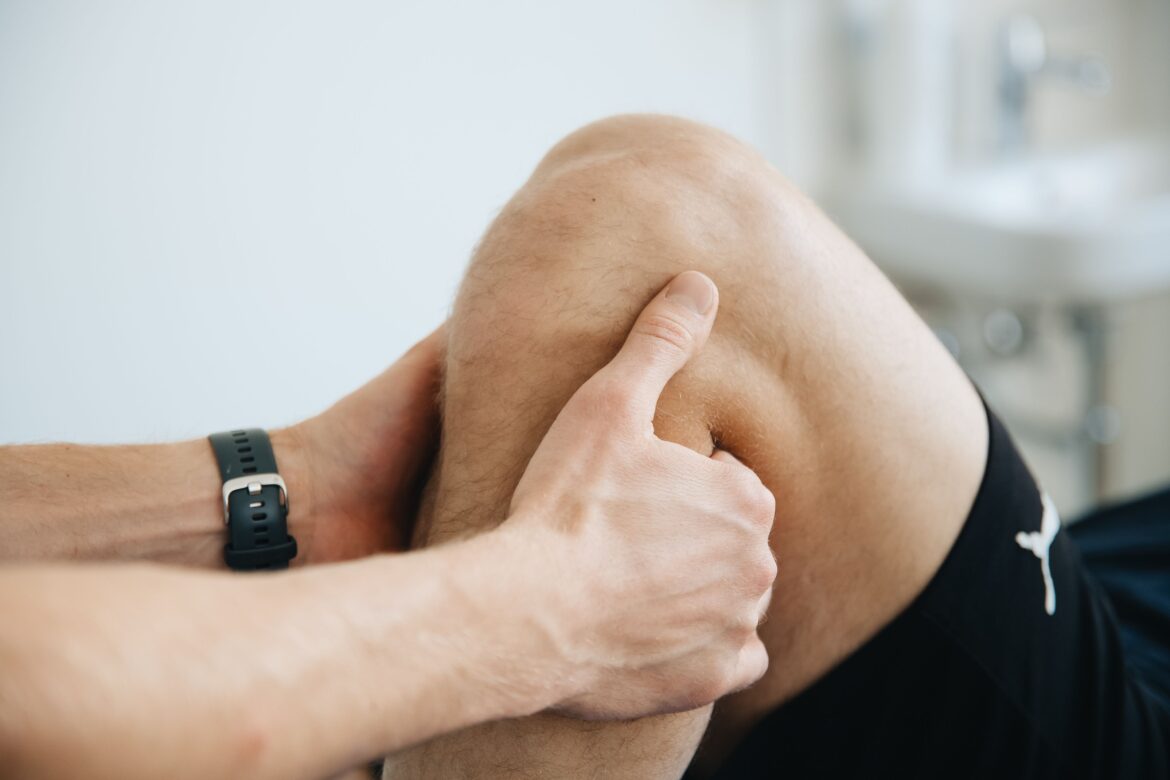
The healing of soft tissue does not occur in a single phase. When you are injured, your body tries to mend itself. This begins with inflammation. Then comes migration, where cells come to aid in the injury. There is production of collagen. The final phase involves restoration of tissue to restore the lost function. Fibroblasts, extracellular signaling molecules, proteins, and vasculature play key roles in the process.
GHK-Cu is one such compound being researched for its role in these processes. It is a peptide compound that contains copper in its glycyl-L-histidyl-L-lysine form. It has received much attention lately as studies have been conducted on the effects of this compound on collagen and healing of tissues. People interested in using peptide compounds may go to Buy GHK-Cu from specialized sources. But one should know the research findings first.

A Quick Look at the Healing Process
Soft-tissue repair is made up of a few steps that happen at the same time:
| Healing stage | What happens |
| Inflammation | The body responds to tissue damage and begins clearing damaged material. |
| Proliferation | Fibroblasts and other cells become active as new tissue structures develop. |
| Matrix formation | Collagen and other extracellular-matrix components help provide structural support. |
| Remodeling | Newly formed tissue is reorganized and gradually strengthened. |
None of the stages works independently. There is always some biological regulation of moving from one stage to another.
Where is GHK-Cu Involved?
GHK is a small protein produced by the human body. It can connect with copper. This connection forms GHK-Cu. Many people have looked at GHK-Cu to see what it can do for skin and body tissue.
Research has looked at how it might be linked with:
- Collagen making
- Fibroblast work
- Regulation of the outside cell area
- Signals that cause swelling
- Changes in tissue over time
- Ways the skin fixes itself
Laboratory research has shown some effects on collagen and glycosaminoglycan making in cells. This is one reason why GHK-Cu still gets interest from scientists. However, these results do not mean it will bring the same changes in people.
 Why Collagen Gets So Much Attention
Collagen helps to provide support in connective tissue. When repair happens, fibroblasts make collagen and other parts of the extracellular matrix.
A simplified relationship looks like this:
Tissue gets hurt. This starts cell signals. Fibroblast cells work. They make the area’s structure. The area changes and heals.
GHK-Cu is interesting. Research shows that it may work with more than one part of the body’s system. This means it is not just about collagen production alone.
On the other hand, increased levels of collagen do not guarantee rapid and proper tissue repair and recovery. It is as important how the tissue gets formed, constructed, and changed over time.
Copper: Not Just an Auxiliary Component
Copper takes part in many steps in the body, like those that help keep your connective tissues strong. GHK can hold on to copper, and this is a key part of what makes the peptide work.
Researchers have looked into whether GHK-Cu can change some cell pathways involved in:
- organization of the things outside of cells,
- responses from the body when there is swelling,
- repair of body parts,
- and how cells talk to each other.
This is one reason why GHK-Cu is still studied by scientists and not just seen as a way to get copper.
What Does the Evidence Actually Tell Us?
A good way to read GHK-Cu research is to split up the different types of proof.
| Evidence type | What it can demonstrate |
| Cell studies | Possible cellular mechanisms and biological activity |
| Animal studies | Potential effects within living biological systems |
| Human studies | Evidence about effects, safety, and practical applications in people |
| Large clinical trials | Stronger evidence for consistent real-world outcomes |
A lot of people have talked about GHK-Cu because of the laboratory and experimental research. Reviews show that it has some good ways to work in the body. But when it comes to testing in people, there is not much proof yet for many of the things it is said to do.
 The Bigger Picture
Soft-tissue healing does not happen because of one peptide or one pathway. It takes many parts working together. Things like inflammation, blood development, what fibroblast cells do, how collagen is made, and how tissues move and change all help. All these things together lead to the way your body heals in the end.
GHK-Cu is still being looked at by researchers. It works with collagen and needs to be studied more in tissues. This makes it something experts want to learn more about. However, what they find in tests does not always mean it is a trusted or widely used treatment in that field.
Conclusion
The science of GHK-Cu links to how the body makes collagen, how cells send signals, and how tissues change. Many studies show facts that make us want to look into this more, especially about fibroblast cells and how things work around these cells. There are still big questions when it comes to how this works in people.
If you are asking where to Buy GHK-Cu, you should check what the facts say, think about why you want to use it, read up on the product, and keep safety in mind. This way is better than just believing big claims about what the peptide can do.
Written by Marie Colvin (mariecolvin21@gmail.com)

