
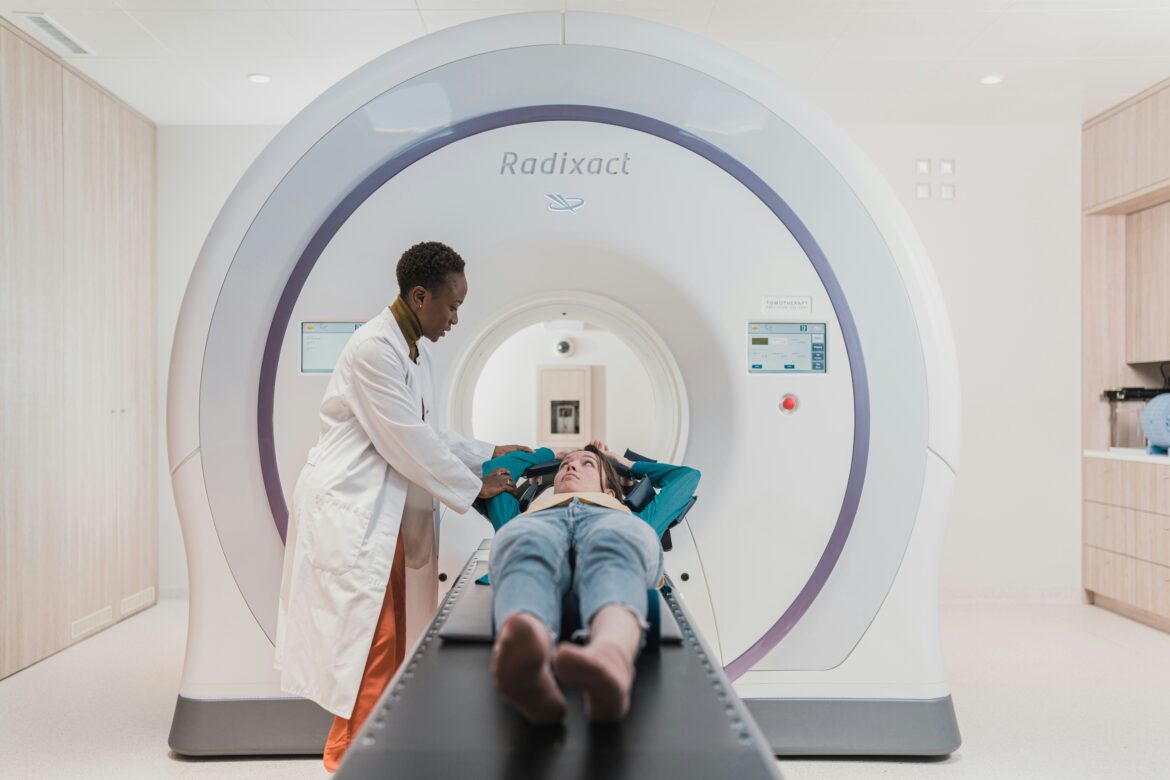
Recovery medicine has moved well past ice packs and rest in the last decade, and one of the more established tools to cross over from clinical medicine into mainstream injury care is the pressurized oxygen chamber. Anyone researching hyperbaric oxygen therapy (HBOT) in Texas right now is likely comparing a handful of clinics that all describe the treatment differently, which makes it worth understanding what’s happening physiologically before booking a series of sessions.
If you’re weighing whether hyperbaric oxygen therapy (HBOT) in Texas providers offer is worth the time commitment, it helps to separate the decades of established clinical use from the newer, faster-growing interest in HBOT as a general recovery and performance tool.
What HBOT Actually Does
Hyperbaric oxygen therapy works by having a patient breathe close to 100% oxygen inside a chamber pressurized well above normal atmospheric levels — typically between 1.5 and 3 times sea-level pressure. That combination forces significantly more oxygen to dissolve directly into the blood plasma, not just bind to red blood cells, which allows oxygen to reach tissue that’s swollen, poorly perfused, or otherwise starved of normal blood flow.
Framed simply, oxygen therapy for injury repair works by giving the body more raw material to rebuild with, not by replacing the repair process itself. That surplus of dissolved oxygen does more than just relieve short-term hypoxia. It supports several repair processes at once: it helps reduce swelling by constricting blood vessels while still increasing the total oxygen delivered, it stimulates the growth of new capillaries into damaged tissue, and it supports the collagen production and cellular activity involved in wound and soft-tissue healing. That combination of effects is why hyperbaric medicine has such a long track record for slow-healing wounds and radiation injury, and why interest has expanded from there into orthopedic and sports-related recovery.
It’s worth being precise about where the evidence is strongest. HBOT has FDA-cleared indications for a defined list of conditions — including chronic non-healing wounds, decompression sickness, carbon monoxide poisoning, and certain radiation injuries — backed by decades of clinical data. Its use for general soft tissue injury recovery, post-surgical healing, and athletic performance is a newer, faster-growing application built on the same underlying mechanism, and the research base there is real but still developing compared to the FDA-cleared uses.
Why Interest Is Growing Specifically in Texas
Several things have converged to push demand for HBOT therapy in Austin and other Texas metro areas well ahead of most of the country. The state has a large population of competitive and recreational athletes, a significant number of former college and professional players staying local after their careers, and a culture that leans toward proactive, data-driven approaches to health and recovery.
There’s also a practical factor: Texas’s warm-weather, outdoor-activity culture means a steady stream of overuse injuries, post-surgical rehab cases, and soft tissue injury recovery needs that don’t necessarily require surgery but do benefit from accelerating the body’s own repair timeline. It’s common to see the same underlying demand show up under slightly different phrasing — hyperbaric chamber treatment, oxygen therapy for injury repair, HBOT near me — all converging on the same growing patient base.
What a Session Actually Involves
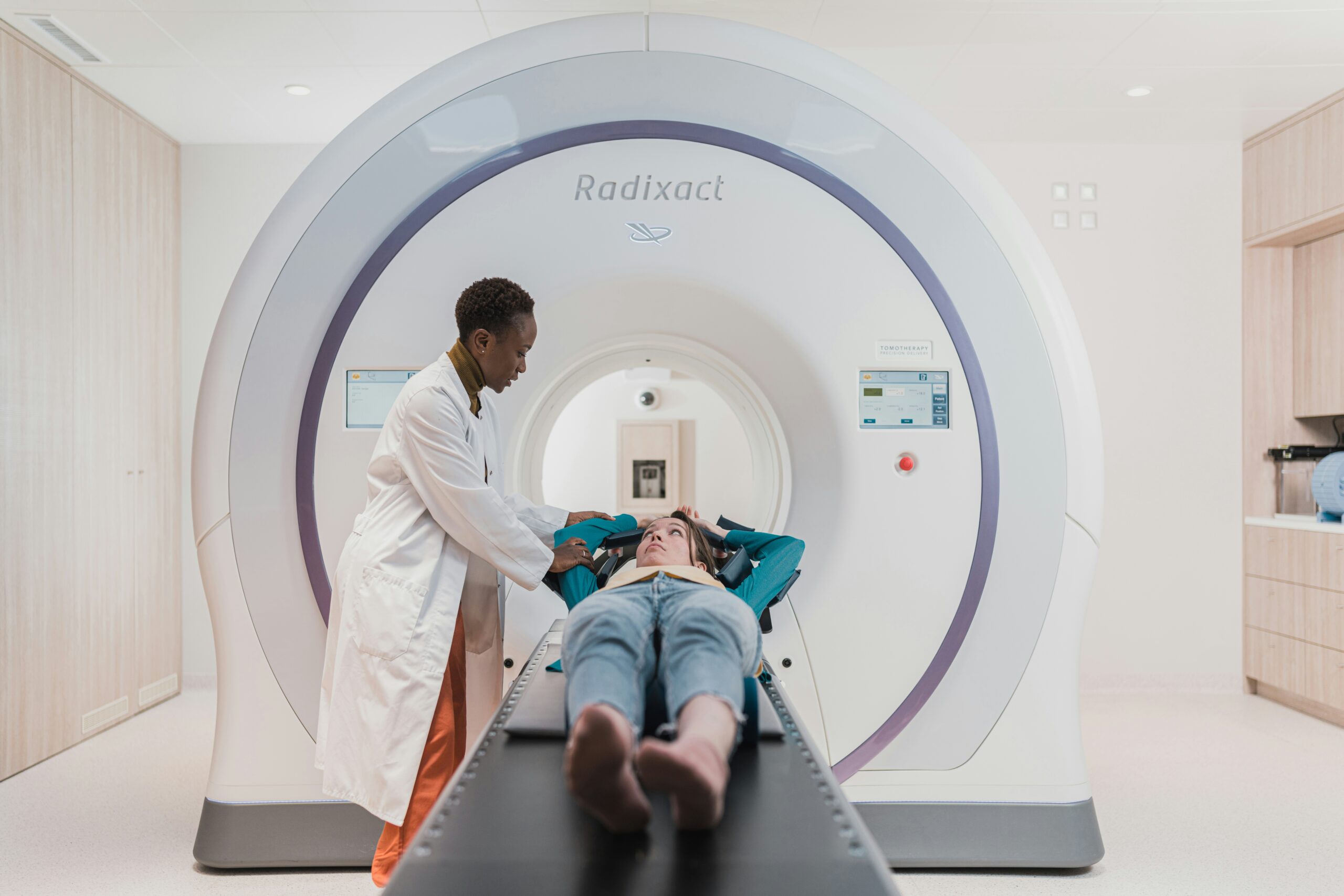
 A typical session lasts 60 to 90 minutes, during which the patient sits or lies comfortably inside the chamber while pressure is gradually increased, similar to the ear-pressure sensation of a plane’s descent. Multiplace chambers serve several patients breathing oxygen through a mask or hood; monoplace chambers pressurize the single-patient unit directly with oxygen. Neither format requires sedation, and most people read, rest, or use their phone (where permitted) during treatment. Whichever setup is used, hyperbaric chamber treatment itself is straightforward and doesn’t require special preparation beyond avoiding certain medications and cosmetics that interact with pressurized oxygen.
Full protocols for sports injury recovery Texas patients pursue typically run anywhere from 10 to 40 sessions depending on the condition and its severity, usually scheduled daily or several times a week in the early phase. Results tend to build cumulatively — a single session rarely produces a dramatic shift, but a completed course can meaningfully shorten recovery timelines for the right condition. Demand for sports injury recovery Texas patients drive is only expected to grow as more high school, collegiate, and professional programs incorporate hyperbaric protocols into standard return-to-play timelines.
What a Responsible Clinic Screens For
Not everyone is a good candidate, and a credible provider will say so before recommending a protocol. Certain conditions — including untreated pneumothorax, some inner ear conditions, and specific chemotherapy regimens — require real caution or rule the therapy out entirely. A thorough intake covers medical history, current medications, and prior ear or lung issues before any session is scheduled.
Beyond screening, the biggest differentiator between providers is oversight. A physician-supervised clinic explains candidacy honestly, sets realistic expectations about post-surgical recovery timelines, and tracks progress through documented measurements rather than how a patient feels after a session or two. Clinics that push a full package before a real evaluation, or market HBOT as a cure-all rather than a supportive therapy with a defined evidence base, are worth treating with skepticism.
What Realistic Progress Looks Like
 Results build gradually across a course rather than appearing after one or two visits, which is why patients researching hyperbaric oxygen therapy (HBOT) in Texas should think in terms of the full protocol rather than judging the therapy on an early session. Most physician-supervised programs check in every several sessions using measurable markers — swelling, range of motion, wound size — rather than relying on how a patient feels in the moment, and adjust the plan if the expected trajectory isn’t showing up on schedule.
That kind of built-in reassessment matters most for post-surgical recovery timelines, since a surgeon and an HBOT provider coordinating around the same set of measurements gives a much clearer read on whether the therapy is actually accelerating healing for that specific procedure, rather than simply running alongside a recovery that would have progressed on a similar timeline regardless.
Choosing Between Providers
Clinics like Humanaut Health, which frame hyperbaric oxygen therapy (HBOT) in Texas as one component of a broader injury-repair and recovery plan rather than a standalone add-on, tend to be a useful benchmark for what physician-guided, outcome-tracked care looks like in this space. The chamber itself matters less than the diagnostic thinking behind when and how it’s used. For anyone comparing HBOT therapy in Austin specifically, the sheer number of new chambers opening makes the credentials question even more important than the marketing.
Hyperbaric oxygen therapy is a legitimate, well-studied medical tool with a genuinely expanding role in injury recovery, even as some of its newer applications are still building out their evidence base. For the right condition and the right provider, it can meaningfully shorten a recovery timeline that would otherwise be measured in months rather than weeks — approached with realistic expectations and a provider willing to be honest about what the science currently supports.
Written by media@blogmanagement.io