 As a first-time user, you may find it confusing to explore kratom products in Canada because of the variety of available strains, colors, forms, sizes, and product descriptions. You can encounter powders, capsules, extracts, gummies, and variety packs, and it can be hard to comprehend the difference between them.
Sellers may also vary in product names, making it difficult to do simple comparisons. To add to this, sourcing and quality information might not necessarily be presented in the same manner.
It would be more helpful to explore each category individually and be interested in the information that the seller presents. Begin by becoming familiar with the primary product forms, followed by comparing strain labels, sourcing, testing, and package sizes. Before making a purchase decision online, you can also first check the Canadian rules and the intended classification of the product.
The key points below explain what to consider when comparing kratom products in Canada.
-
Start with Different Kratom Product Types
When you go online to check out “kratom near me”, you might have a variety of products to choose from instead of just a regular one. Kratom can be offered in a fine powder form, capsules, extracts, gummies, and mixed or variety packs. The different characteristics of each format can be identified, and therefore it is helpful to determine the format first and then compare products.
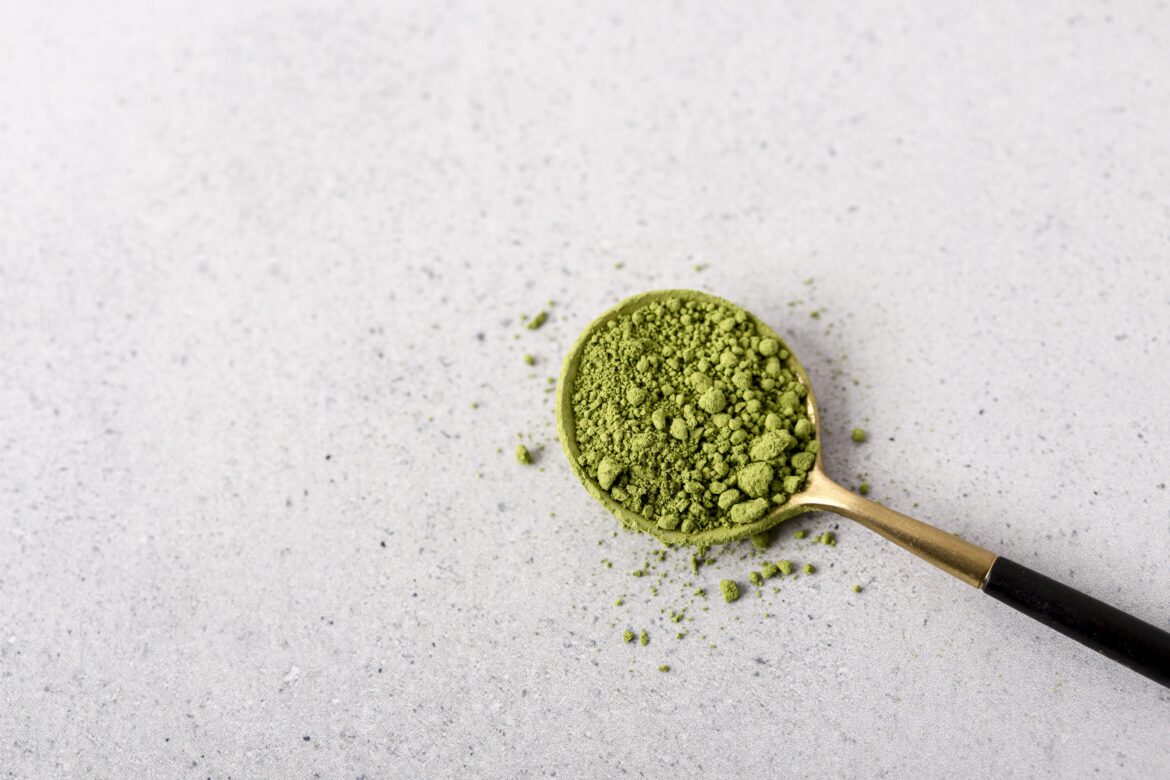
Powder is the simplest type to identify, whereas capsules are a pre-measured form. More concentrated products are extracts and thus should be given more attention to the claimed composition. Several strains or colors can be included in a purchase with the variety packs.
When visiting these categories, read the description of the products carefully. Review the ingredients listed, net weight, format, and intended use. This facilitates comparisons.
-
Explore Kratom Strains and Color Varieties
Once you understand the main formats, look at the strain and color labels. Common names include Green Maeng Da, Super Green Malay, and other varieties associated with different regions or color categories.
These labels can help you distinguish products, but they should not be treated as guarantees of a particular effect. Growing conditions, processing methods, sourcing, and batch differences can all matter.
Instead, use strain names as one part of your comparison. Look for information about where the kratom is sourced and whether the seller provides details about the product.
A clear description can make it easier to understand what you are comparing. Also, remember that names may differ between retailers, so compare the actual product details rather than assuming two similarly named products are identical.
-
Compare Powders, Capsules, Extracts, And Gummies
Product format affects how you evaluate a kratom product. Powders are often sold in several package sizes and may suit someone who wants to examine individual strains. Capsules offer a different presentation because the material is enclosed and the quantity per capsule can be stated on the label. Gummies and chews are another format, while extracts may contain a more concentrated form of kratom.
Because these formats are not directly interchangeable, compare their labels separately. Check the amount of product, ingredient list, serving information where provided, and any warnings or disclaimers. Avoid comparing products based only on package price. A larger package may have a different product concentration or format, so the listed quantity alone does not tell you everything.
-
Check Product Quality and Sourcing Details
 After comparing formats, examine how each product is sourced and assessed. A useful starting point is the origin listed by the seller. For example, BC Kratom states that its kratom is sourced directly from Indonesia and imported to its Canadian warehouse. These details provide useful information about the supply chain.
You should also look for testing information when it is available. Laboratory testing can provide details about product composition, purity, or alkaloid content. However, do not assume that every product has the same testing process.
Check what the seller actually states and whether supporting documentation is available. Clear sourcing and testing information can help you make more informed comparisons.
-
Select Kratom Products Based on Your Preferences
Once you have compared the product categories, narrow your options according to preferences. Start with the format that is easiest for you to understand and compare. Then consider strain variety, package size, sourcing information, testing details, and price. Variety packs can be useful for comparing several listed strains, while single-strain products may make product-to-product comparisons simpler.
Also, review the seller’s shipping, return, and customer-support information before placing an order. BC Kratom, for example, states that tracked orders placed before 12 PM PST are shipped the same day and that free expedited shipping is available above a stated order value.
Also, check current Canadian requirements and the seller’s disclaimer before purchasing. BC Kratom states that its kratom is sold as a botanical product and is not approved for human consumption by Health Canada.
Conclusion
 Exploring kratom products in Canada becomes easier when you separate the process into clear steps. First, identify the available formats and understand how they differ. Then compare strain labels, sourcing details, testing information, package sizes, and product descriptions.
This approach helps you evaluate products based on information rather than assumptions. It is also important to review current Canadian requirements and each seller’s stated terms before purchasing. Since kratom products can vary considerably in form and composition, careful comparison is useful.
By focusing on clear product information and practical details, you can navigate the Canadian kratom market with a more informed approach.
Written by jeffery@healthybox.org