
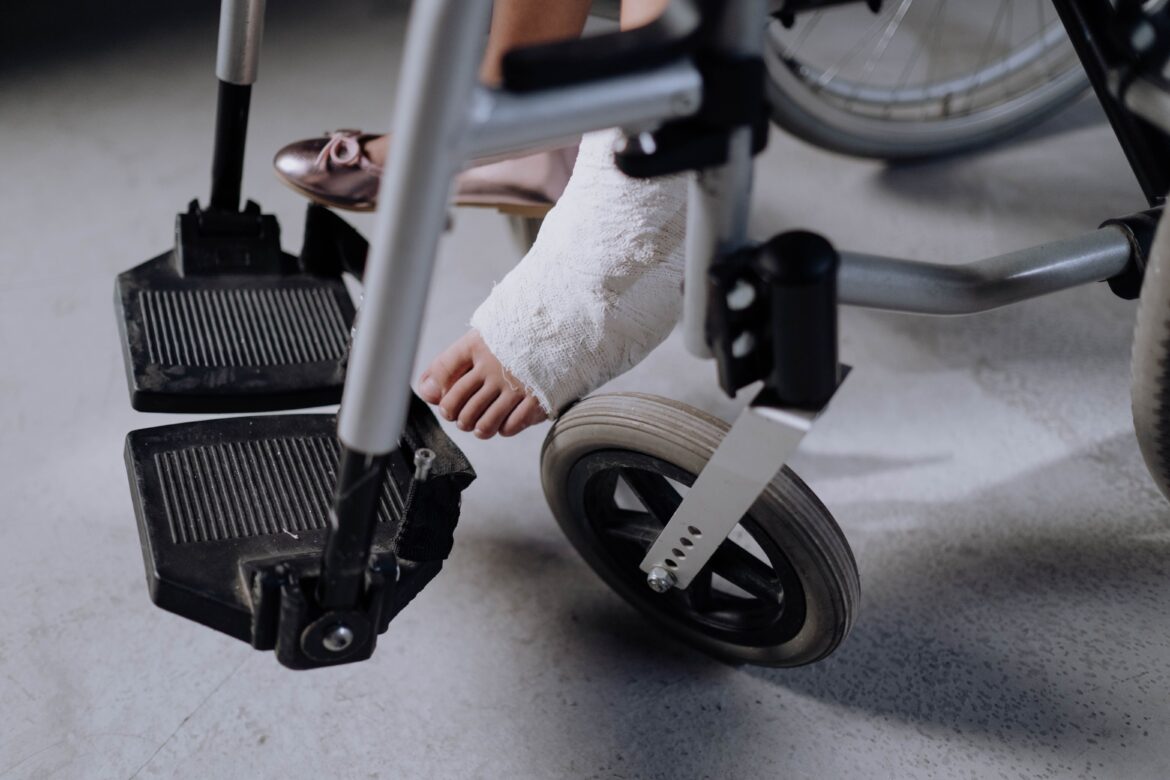
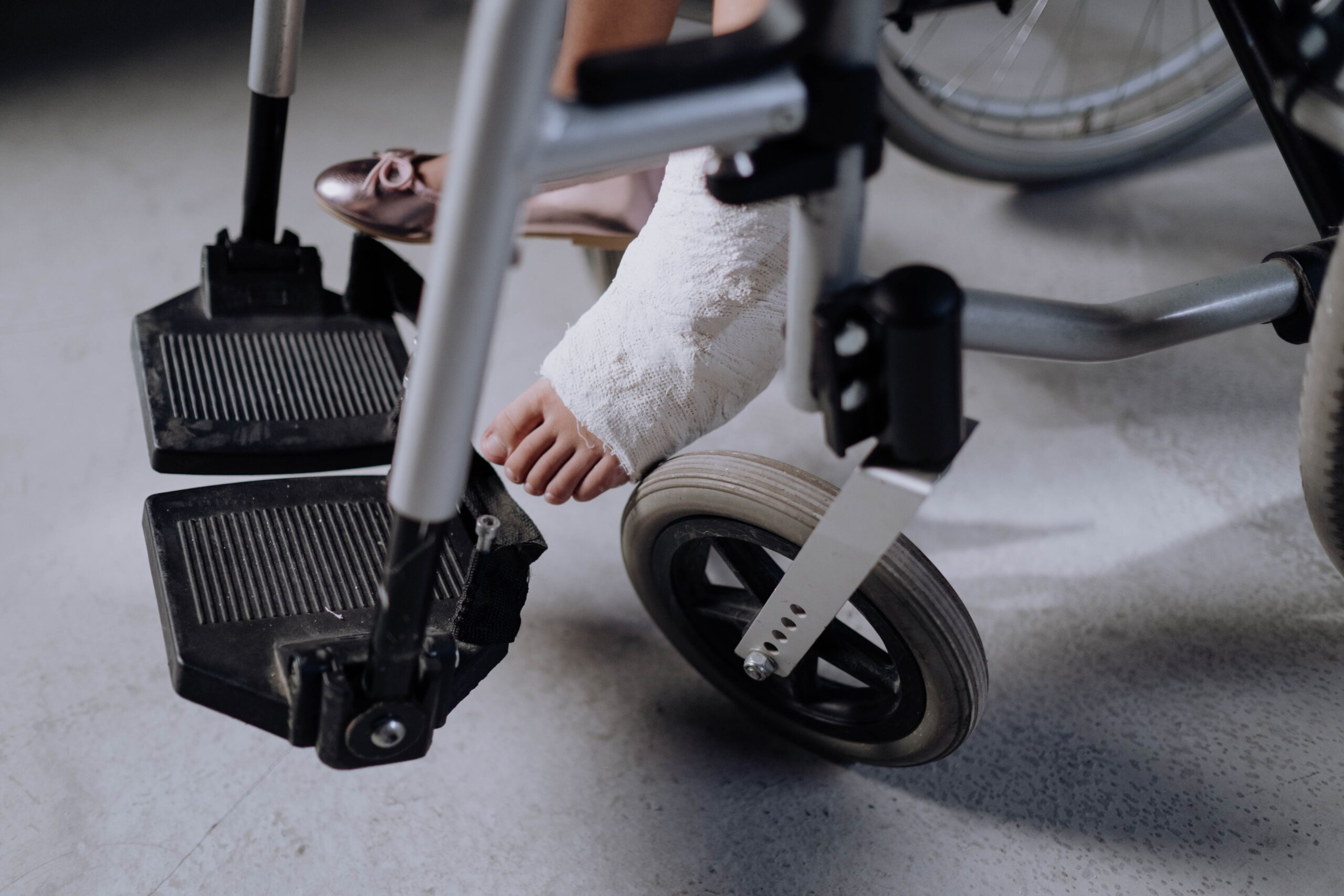
Any injury can leave a permanent scar on your whole body and health, and what you do after it makes the biggest difference. Protecting your muscles should always be a priority; however, this isn’t always easy because you might be scared about what you can do after an injury and might limit yourself completely. How to protect muscle strength, and how important is this during recovery?
Follow professional advice
Never go against a doctor’s or physical therapist’s advice, even if you think you know your body better, because you can only overwhelm yourself without seeing any health improvements. Your physical therapist might make a proper plan you have to follow if you want to avoid any complications and recover properly. This plan will be personalized based on your injury, physical activity, and recovery process. You should follow it; however, if you notice that you might be overwhelming the injured area, you can consult your doctor and see what you can change.
Find the right professionals
Orthopaedic injuries often lead to surgery, and if this happens, you need to make sure the right professionals will take care of this. First of all, focus on finding an experienced orthopaedic team who will guide you through the whole process, from the very beginning all the way to the end. After the surgery, they can:
- Give you professional advice on how to stay safe.
- Connect you with physiotherapists, cardiologists, and many other specialists who can be crucial for your whole recovery.
- They will be there for you whenever you need professional advice.
Don’t rush anything
One of the most important things is to know that recovery takes time and that by rushing it you will not recover quicker, as many believe; you can just end up in a far worse situation than you were before. Go step-by-step; do as much as you can without hurting yourself instead of forcing your body to speed up the recovery, because this way you won’t see any improvements. This also doesn’t mean that you should rest completely without any activity. Follow professional advice, start with simple movements, then move on to proper exercises, and move further when you feel like your body can manage all of that.
Sleep well!
Experiencing an injury can often lead to increased stress, disturbed sleep, and anxiety. All this has a far more important impact on your recovery than you think. Getting enough sleep isn’t only about feeling rested and well; it’s about giving your body some time to rest and repair tissues. Also, feeling rested has some benefits for your recovery because you will be more energized during your exercises and will be more likely to enjoy them. Try not to stress too much because stress can affect your sleep schedule, your diet, and your mood, and this whole process will be overwhelming for you.
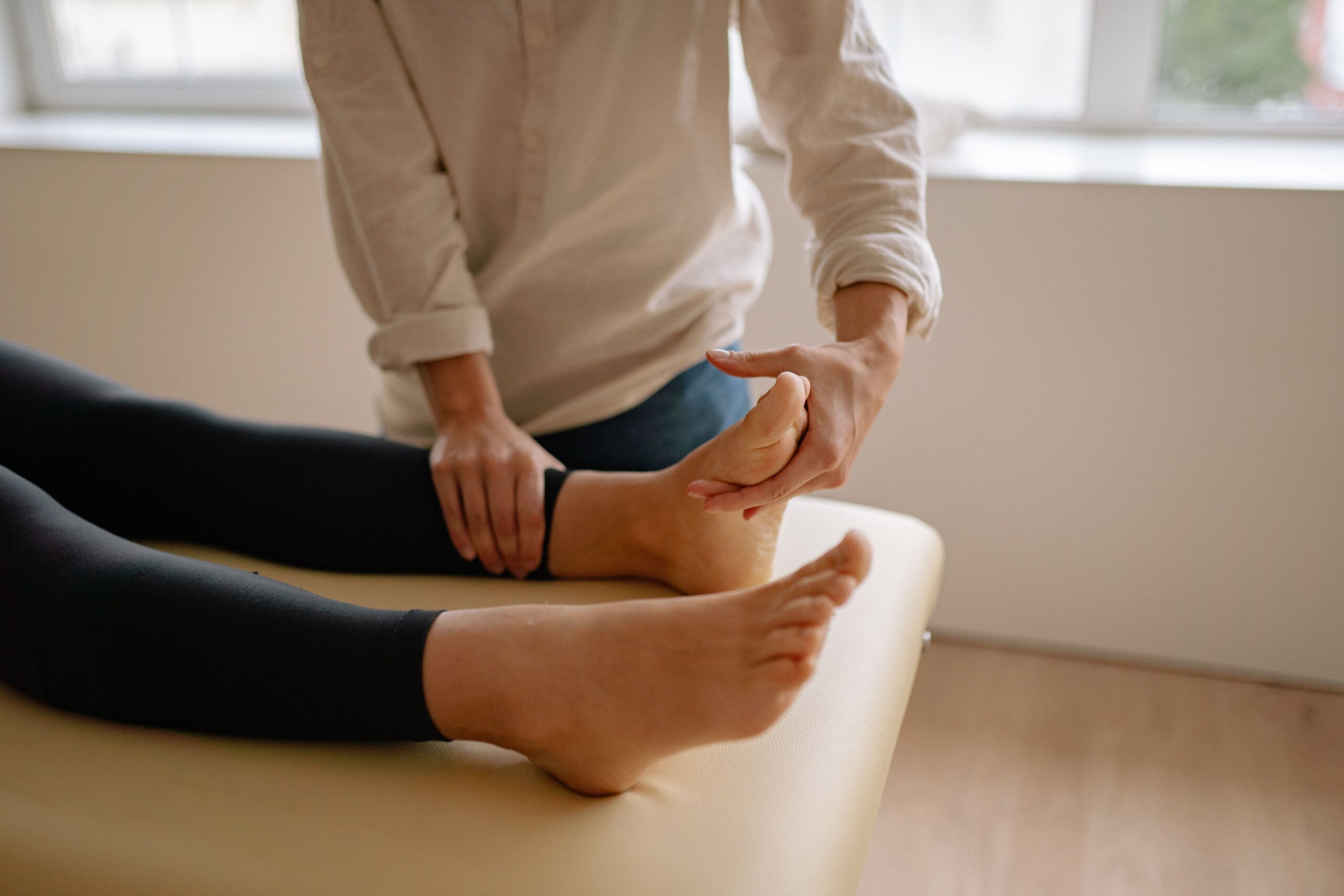
What about your nutrition?
Many people focus on physical recovery and forget about other aspects that play a crucial role in protecting muscle strength in such challenging situations. How can a healthy diet help you, and what should it look like?
- Protein-rich food is your priority
After an injury, your muscles are highly affected and require some support in maintaining their functions. Protein plays a crucial role in this. Eggs, chicken, dairy products, fish, and other ingredients of a healthy diet support not only your muscles but also your immunity, which will help you get over all these challenges. This can be a great chance to finally take your life in control as you always wanted.
- Vitamins and minerals
As children, we all were tired of our parents or grandparents telling us that we need to eat fruits and vegetables; however, they were right. Besides protein, our bodies need vitamins and minerals for proper function, improved health, and quicker recovery. Consume enough vitamin C, which you can find in lemons and oranges. Every fruit contains some vitamins that you can benefit from.
- Stay hydrated
Besides the food you consume, you need to understand the importance of staying hydrated throughout this whole process. Drink enough water regularly; however, pay more attention to this when you’re in the recovery process.
Getting injured doesn’t only affect your health; this stressful situation can have a very negative impact on your mental health, and you can end up losing motivation for the whole recovery process. Go step-by-step, follow professional advice, and don’t do things on your own because you can quickly end up feeling far worse than before. Get your strength back and take control of your healthy habits.
Written by Lea Collins (lea@sapurex.com)

