

People arrive here for a reason. Usually a personal one. A sibling who struggled, a parent who declined, a stretch of their own life that went badly. The sector knows this and does not hold it against anyone.
But it matters later.
It decides which rooms you can sit in year after year without being hollowed out, and that is worth thinking through before any money changes hands The field is wide. Hospice bereavement teams. Crisis lines at three in the morning. Refuge staff, addiction keyworkers, pastoral offices in schools and prison chaplains.
Welfare advisers who know the regulations well enough to win a tribunal on a technicality. Pay ranges from nothing to reasonable. Training ranges from a few weeks of evenings to several years and a supervised caseload.

Three Shapes of Job
The shape matters more than the title.
Brief contact. A stranger calls, there are forty minutes, and then the line goes quiet. No second episode. Nobody tells you how it ended. Some find this clean. Others are slowly worn down by the not-knowing, and they tend to notice around month four.
Sustained contact. Same person, same hour, every week, sometimes for years. Counseling sits here. So does keyworking somebody whose housing, health and family are all failing on different schedules. You get to watch change happen. You also carry the relationship between appointments.
Practical advocacy. Dismissed as admin by people who have never done it. Sitting beside a woman at a council desk while she explains a third time why she cannot go home. Chasing a discharge coordinator who does not call back. Same emotional weight.
There is simply a form attached to it. Interested candidates who want a stable career usually pursue a Masters in Clinical Mental Health Counseling to learn the necessary skills.
Volunteer Before You Pay Anyone
Nearly every organization worth joining has a volunteer route, and most expect it to have been used.
Helplines train for weeks before a live call. Hospices do the same for bereavement visiting. Shelters and youth projects are looser about it but just as glad of the help.
Two reasons to do this first.
It is the only honest test. Capable people leave this field all the time. Not for lack of skill. Because four hours of absorbing distress leaves them hollow, and they cannot do it again on Thursday. Finding that out as a volunteer costs a few months. Finding it out after a diploma costs a great deal more.
And every course, every interviewer, asks what has already been done. Hours answer that.
The first shifts feel fraudulent. Wrong words, or none at all. It passes.
The Qualification Depends Entirely on the Door
 Counseling and psychotherapy are regulated almost everywhere, though the specifics shift by country. Accredited training. A logged number of supervised client hours. Registration with a body that actually carries weight locally.
Check the regulator before any money moves. The market is full of courses that sound official and count for nothing at registration. Nobody selling them will raise this.
Social work and statutory case management run on a separate licensing track.
Peer support works on something else altogether. The qualification is having lived the thing. Recovery. Diagnosis. Loss. Years caring for a father who stopped recognizing anyone. Certification exists now in many places and is worth holding, but experience is the entry ticket. This workforce has grown fast.
Supervision Decides Who Lasts
Not a manager going through caseload numbers. Proper reflective supervision, where the heavy material gets put down somewhere outside your own head.
Decent employers build it in and fund it. An employer who does not pay attention has told you what you needed to know, free of charge.
Vicarious trauma builds quietly. Flatness. A short fuse. Dread on the drive in. Somebody else’s story surfacing at one in the morning. Caught early, workable. Left alone, it finishes careers.
Hours need defending too. The work takes whatever space it is given, and the people being helped are in no position to tell anyone to go home.
Money, Without the Soft Focus
Starting pay is poor against what the training costs. Pretending otherwise helps nobody. Charities and public services sit at the bottom.
The better money is elsewhere. Private practice. Employee assistance contracts. Supervising other practitioners. Corporate wellbeing work. Training the next intake.
One route that works for plenty of people. Front line for the first several years, building hours and a specialism nobody else locally holds. Then a gradual drift into supervision and teaching, with some direct work kept alongside.
Worth knowing in advance. Climbing nearly always means less time with the people who were the reason for starting. A fair number find that an outright loss and go back down. Decide now how much of that trade is tolerable, and you save yourself a bad year later.
None of this is a reason to stay out. It is a reason to go in with the numbers in front of you rather than behind you.
Where to Start
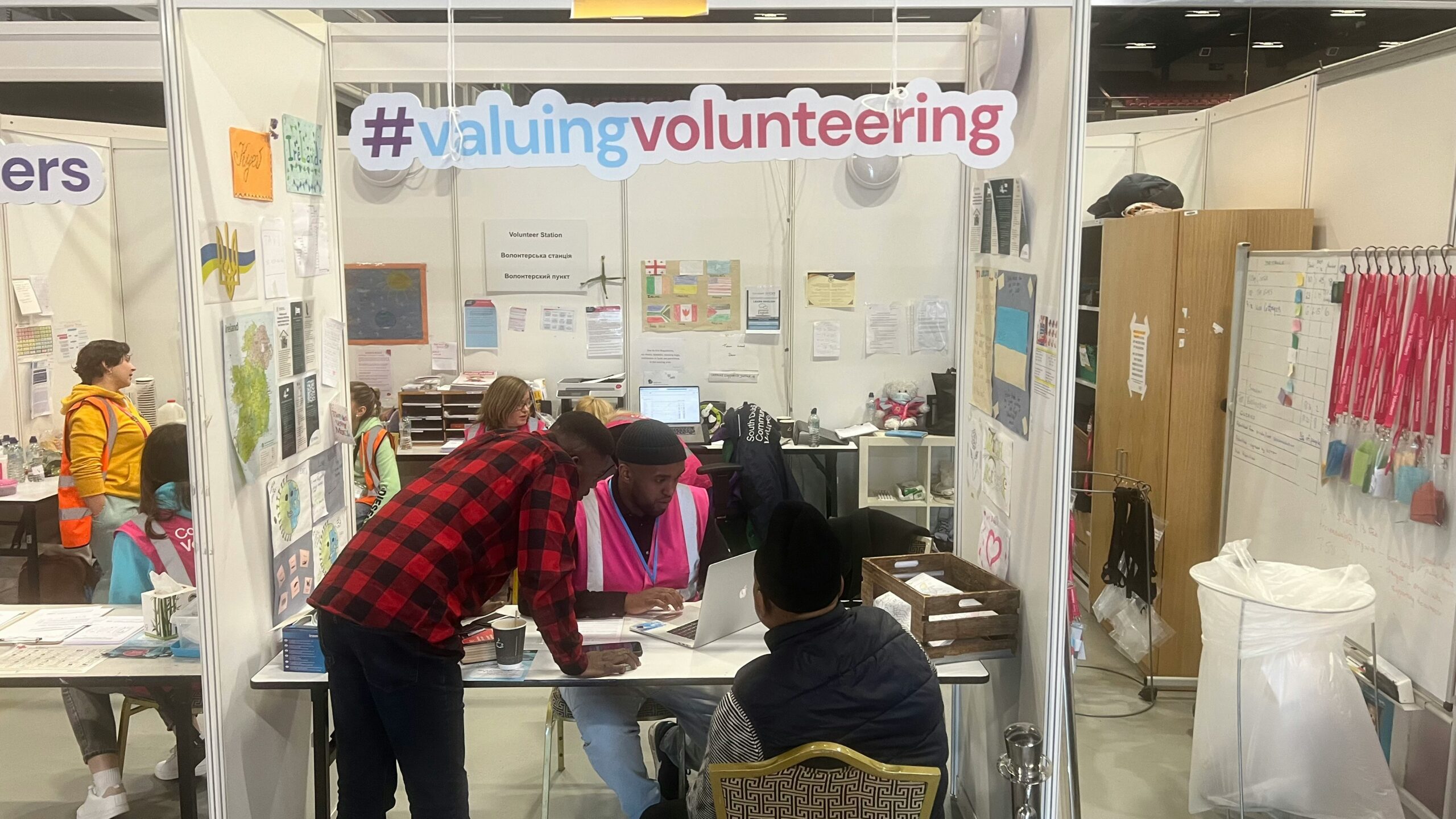 One place to begin with. Volunteer. Pick it because the work holds up when you look hard at it, not because a vacancy came up.
Then make use of being inside. Everyone on the payroll came through the same door you’re standing at, so ask them directly. What they trained in. Where it took them. How long it took. Worth more than any national guide, because it’s your city and your market.
The regulator is its own job. Check the exact title you’re after. Requirements move between roles and people lose money assuming otherwise.
Past that it’s hours. Nothing else.
The paper gets your application opened. What follows is made of hours.
Year one, almost everyone is bad at this. The ones still there in year ten aren’t the natural listeners, as a rule. They’re the ones who kept coming back, and who had somewhere to set the weight down on a Friday night.
Written by Faizan Ali (faizanali.pnc@gmail.com)