
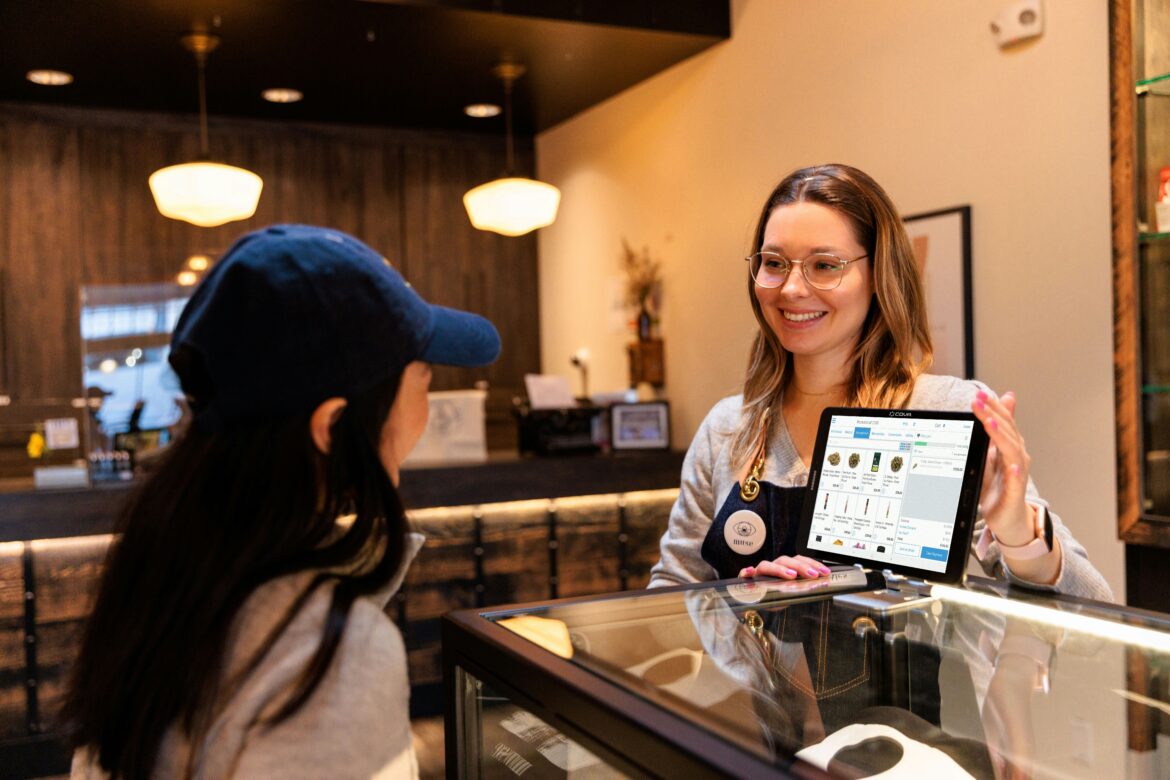
Most first visits go sideways for one boring reason: people show up without their state card in hand and get turned away at the counter. I’ve watched it happen. A guy in line ahead of me last spring had his approval email pulled up on his phone, screen brightness maxed, and the budtender still had to shake her head. Florida doesn’t accept the email. It wants the physical card.
That single gap between “approved” and “actually allowed inside” is where a lot of new patients lose a Saturday. So here’s the whole thing laid out, from the paperwork you need to the moment you’re standing at the counter deciding between a pre-roll and a topical. You’ll know exactly what to bring, what to expect, and how to walk out with something that actually fits what you’re dealing with. Whether you’re heading to a Titusville, FL dispensary or one closer to home, the same steps apply from the front door to the counter.
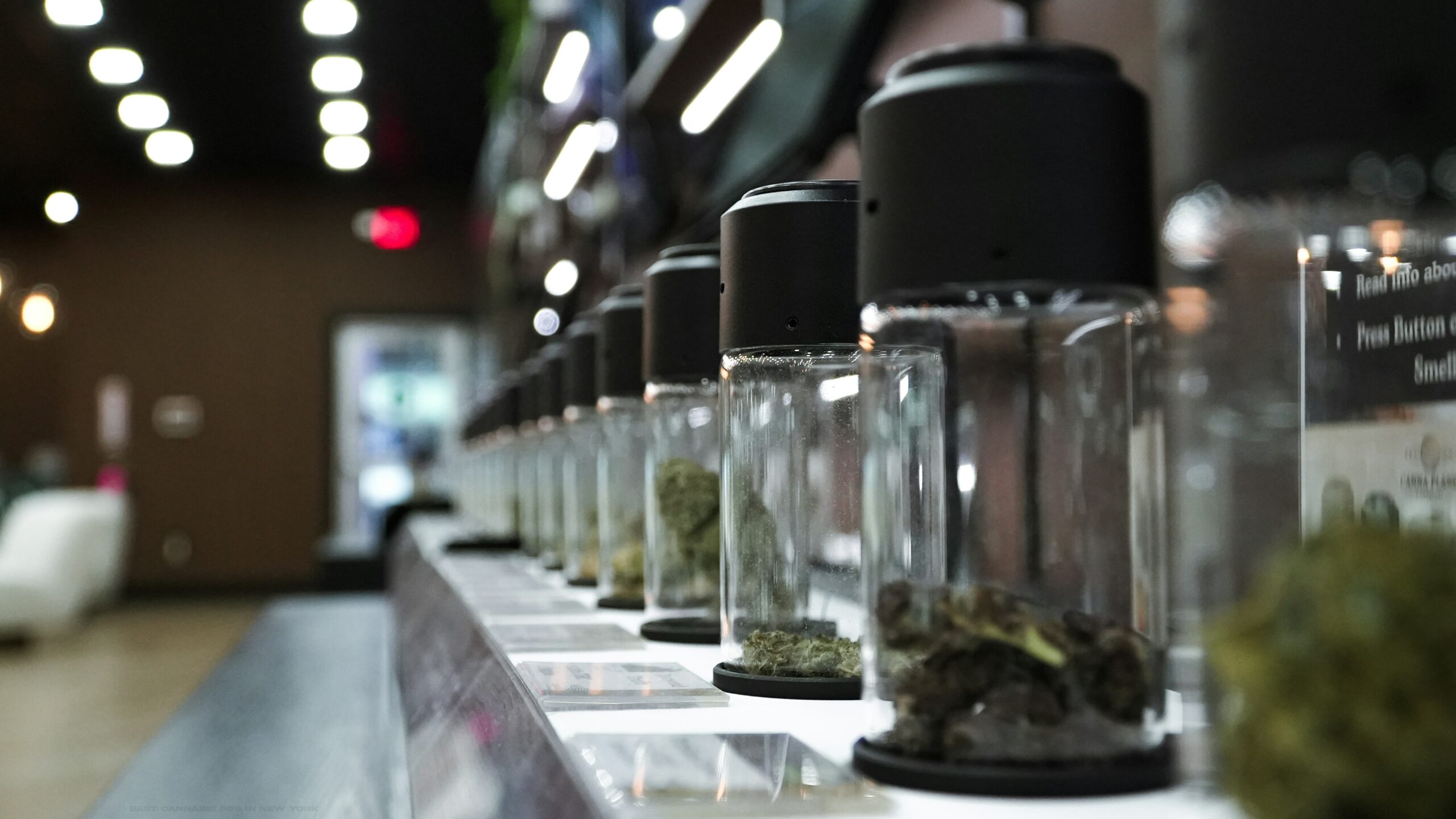
What do you actually need before you walk in?
Florida runs its medical cannabis program through the Office of Medical Marijuana Use, and the rules are stricter than most states. You need a qualifying condition diagnosed by a certified physician, an active patient ID number in the state registry, and the physical card in your wallet. Not a screenshot. Not a photo of the card. The card.
Your recommendation also has to be active, and that’s a separate thing from your card. Physicians recommend a specific milligram amount per route, like inhalation, oral, or topical. If your doctor only recommended oral products, you can’t buy flower that day, even with a valid card. Check your recommendation in the state registry before you drive anywhere. This trips up more people than anything else.
Bring a government photo ID too. Every dispensary in Florida checks it, and they check it every visit, not just the first one. The card and the ID are a pair. One without the other gets you a polite apology and a long drive home.
Pick your dispensary like it’s a pharmacy, not a bar
Here’s my honest take: new patients treat the first visit like picking a restaurant and go for whichever one is closest. That’s backwards. You’re going to be a repeat customer with questions, and the quality of the staff matters more than three extra miles of driving.
Look at a few things before you commit:
- Hours and location. A shop that closes at 5 p.m. sharp is useless if you work past six.
- Product breadth. Some dispensaries lean heavy on flower and skimp on topicals or oral products. If you need a tincture, check the menu first.
- Deals and rewards. Medical cannabis isn’t cheap, and a loyalty program that stacks with first-time discounts can cut a meaningful chunk off your first few orders.
- Advisors who ask questions. Read reviews for mentions of patient education, not just speed.
Small businesses in this space run on the same fundamentals as any other local retailer, and the ones that survive tend to be the ones that treat regulars well. According to data from the Small Business Administration, small firms make up the overwhelming majority of American employers, and dispensaries are no exception. The shop down the street from you is somebody’s life’s work, and walking in curious instead of suspicious changes the whole experience.
What the counter visit looks like, step by step
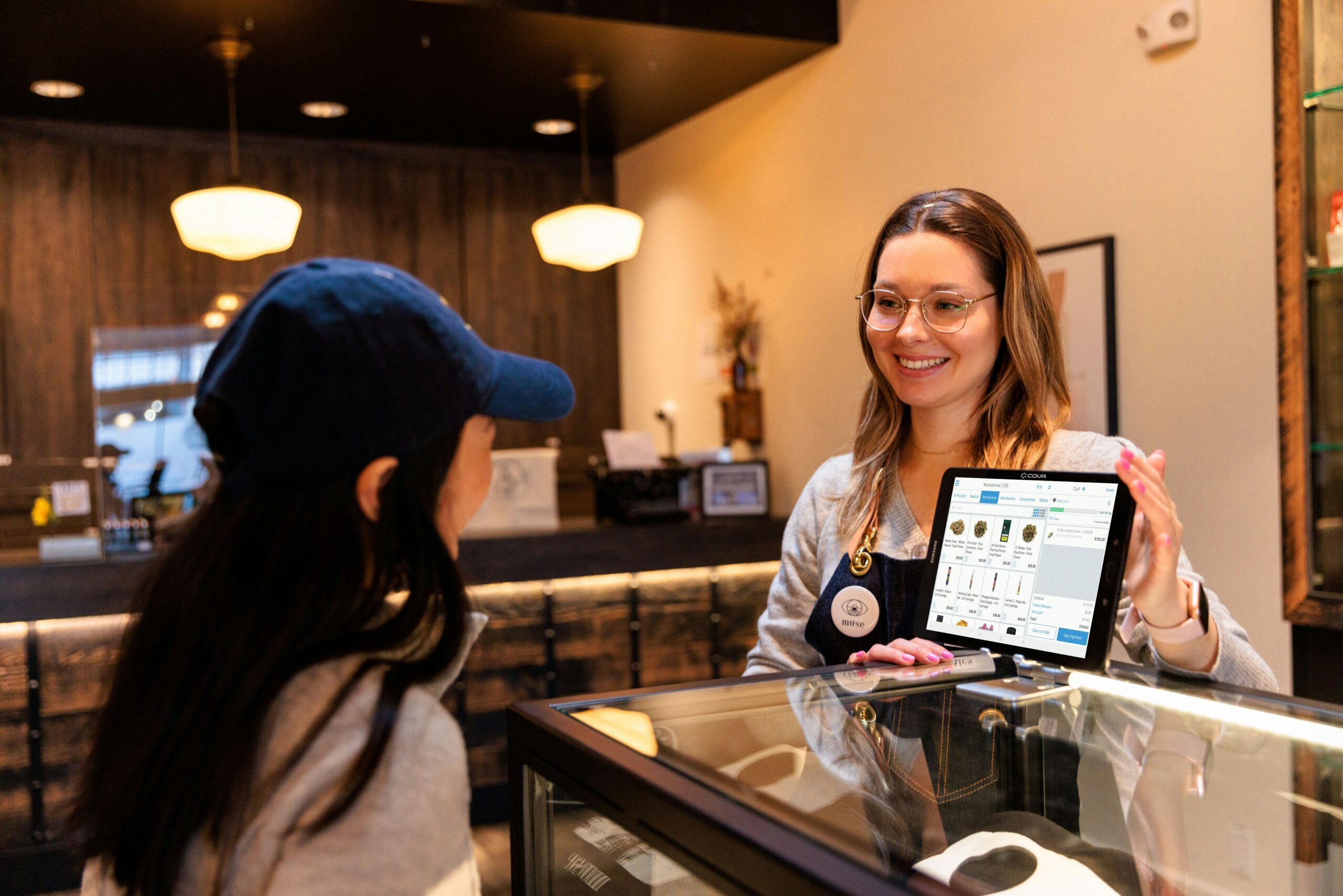
You’ll check in at the front, hand over your card and ID, and wait for a budtender or patient advisor. Some shops use a number system, some walk you straight back. Either way, this is where you get to ask real questions, and you should.
If you’re driving to the Space Coast for it, a dedicated stop like this Titusville, FL, dispensary keeps the trip simple, with parking, posted hours, and a menu you can browse before you go. Know what time they close. Arriving twenty minutes before close as a first-timer is a bad idea, because you’ll rush a decision you shouldn’t rush.
What to tell the person helping you
Skip the guessing and lead with three things: what you’re trying to address, what you’ve tried before, and how you want to feel. “I’ve never used cannabis” is a complete sentence, and no one at the counter will judge you for it. They hear it all day.
Be honest about your experience level. If you’ve never vaped, don’t let anyone talk you into a high-dose concentrate. If you’re nervous about feeling out of control, say so and ask about low-THC options or products with more CBD relative to THC. A good advisor will steer you toward something gentle and tell you to start slow. A bad one will upsell you. Watch which one you get.
Ask about the lab reports, too. Florida requires third-party testing, and most dispensaries publish certificates of analysis for their products. If you care about what’s in the thing you’re inhaling, request the COA. It’s not a weird question.
The two mistakes that cost new patients money
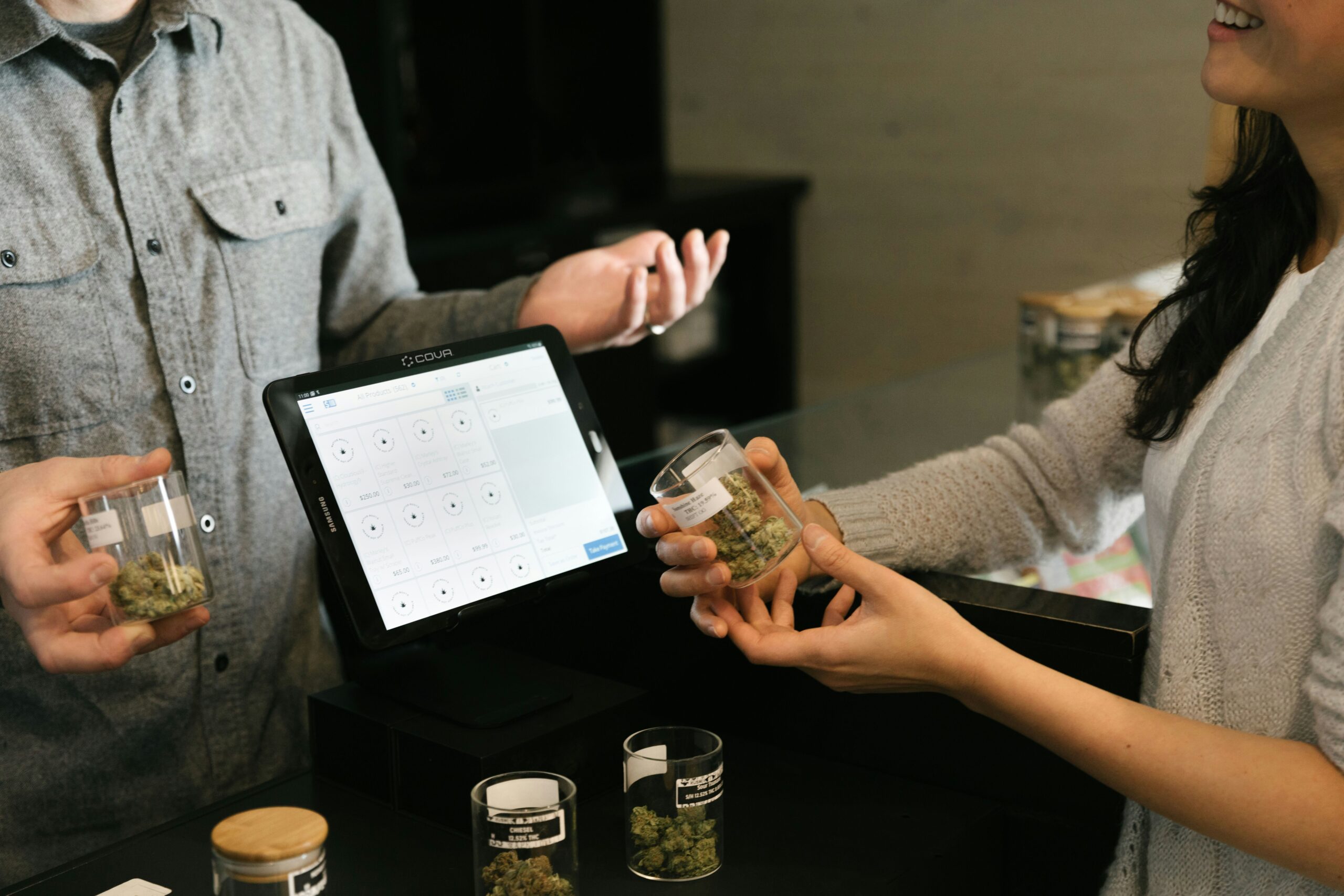 First: buying too much on visit one. The menu is exciting and everything looks like it might help. It won’t all work for you, and you won’t know which is which until you’ve tried a few things slowly. Buy small, buy a couple of formats, then come back for more of whatever helped.
Second: ignoring how you’ll actually consume it. Flower requires a device. Concentrates require a different device. Edibles take an hour or more to kick in, and that wait is where people make bad choices and eat a second one. Match the product to your real life, not to the version of yourself who’s going to buy a rig and learn to use it. If you’re not going to buy the equipment, don’t buy the product that needs it.
Medical cannabis in Florida exists inside a fairly tight regulatory box, and the state’s tracking system keeps a running record of what you buy. According to the U.S. Census Bureau, Florida is now one of the largest states in the country by population, which explains why the program has grown as fast as it has and why dispensaries have multiplied along the coast. More patients means more shops, and more shops means you get to be choosy.
A quick checklist for the day
- Confirm your recommendation is active and covers the route you want to buy.
- Put the physical card and a government ID in your pocket. Not the glovebox. Your pocket.
- Check the dispensary’s hours and whether they take walk-ins or appointments.
- Bring a list of two or three symptoms you want to address, written down.
- Set a budget before you walk in and stick to it.
- Ask for the certificate of analysis on anything you’re unsure about.
- Plan a slow start: low dose, small quantity, no big plans afterward.
The National Archives holds the original records that shaped how states document and license this kind of regulated commerce, and if you’re the type who likes knowing where the rules came from, the National Archives is a genuinely interesting rabbit hole. Not required reading for your dispensary trip, but it’s a fun detour if you’re a history person.
Go in with a plan, leave with the right thing
None of this is complicated once you’ve done it once. The card is the gate. The recommendation is the menu restriction. The advisor is your best resource if you ask them real questions. And the shop you pick matters more than the one that’s closest.
So do the boring prep work first: verify your status, pocket your card, check the hours. Then walk in and take your time. What’s the one symptom you’d want to address first if you knew it wouldn’t cost you a wasted trip?
Written by Marie Colvin (mariecolvin21@gmail.com)