Anyone who trains hard knows the feeling—legs heavy, muscles tight, that deep soreness that shows up the next day. A lot of people try switching between hot and cold water, hoping it will help them bounce back faster. Some go from sauna to cold plunge. Others just like how it feels. But does it actually help recovery, or is most of the benefit just the temporary “refreshed” feeling? The answer depends on what you mean by recovery and what the research actually shows.
What Contrast Water Therapy Is
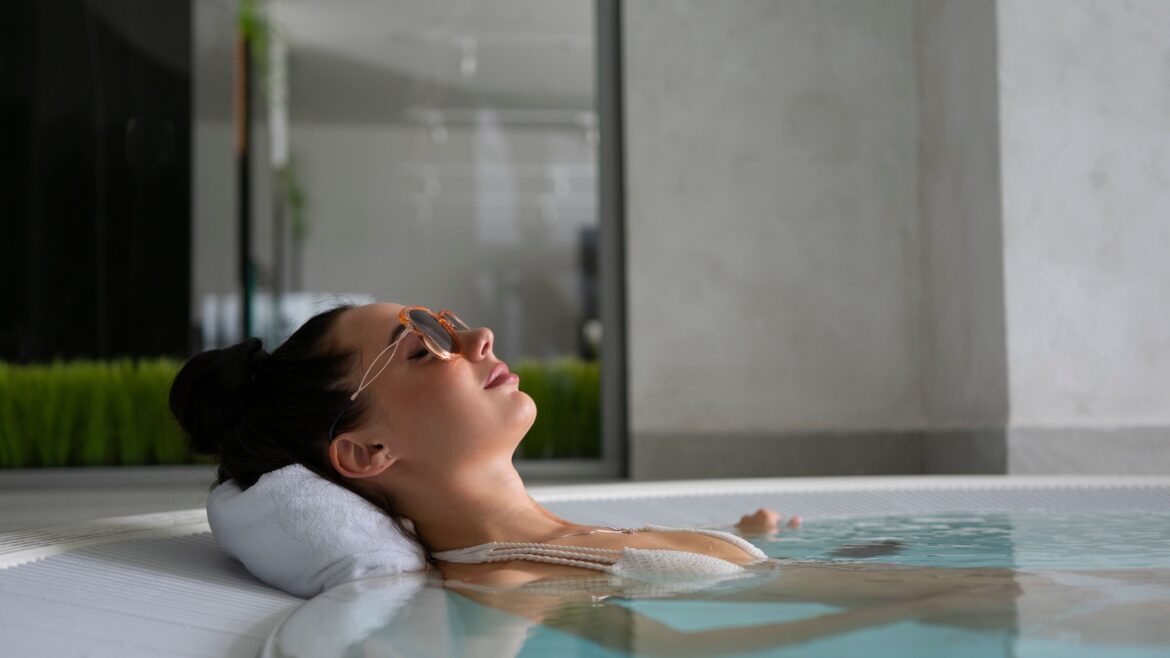
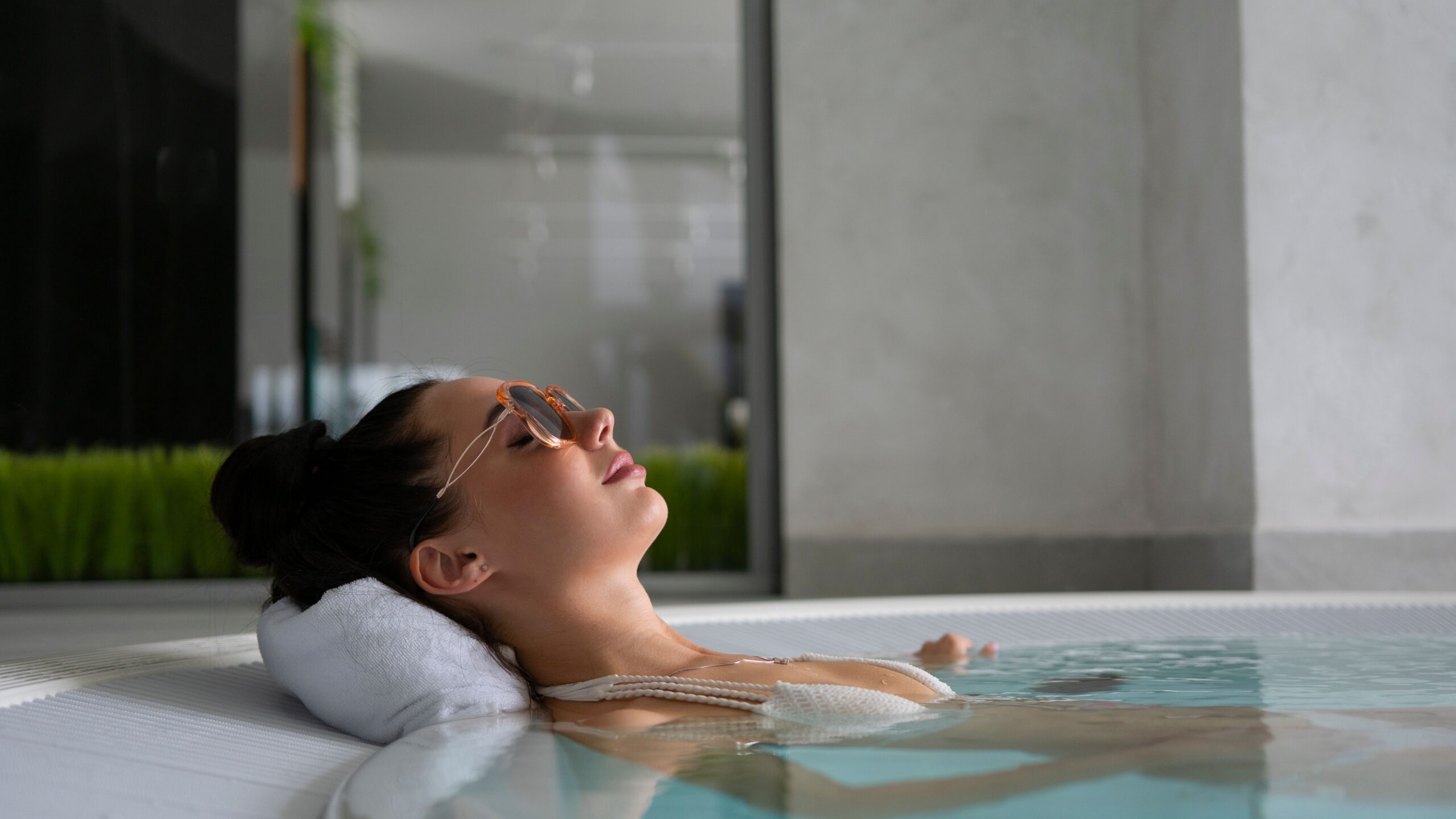
Contrast water therapy (CWT) is simply alternating between hot and cold water in short rounds. Warm water usually sits around 38–40°C and cold water around 10–15°C, a few minutes in each. The idea is that heat opens blood vessels and cold tightens them. Switching back and forth is thought to act like a gentle pump that moves fluid through the tissue.
Some places use a sauna instead of a hot tub. It’s not the same as full water immersion, but it still follows the same hot-then-cold pattern.
What the Research Found
In 2013, Bieuzen, Bleakley and Costello put together a systematic review and meta-analysis in PLoS ONE. They looked at studies where people had done muscle-damaging exercise—things like eccentric work or tough high-intensity sessions—and compared contrast therapy with just resting.
People who used contrast therapy reported less soreness in the days that followed. They also showed lower levels of creatine kinase, a blood marker that rises when muscle is damaged. For someone who’s sore after a long race or a heavy leg day, that’s a useful result.
Where the Evidence Gets Thin
Most of the studies were small. Temperatures, how long people stayed in each temperature, and how many rounds they did varied a lot from trial to trial. There’s still no single “best” protocol that everyone agrees on.
Soreness is also something people report themselves. If someone expects to feel better, they often say they do. Feeling less sore and actually performing better a few days later are two different things, and the evidence is stronger for the first.
Timing Matters for Clients Who Lift
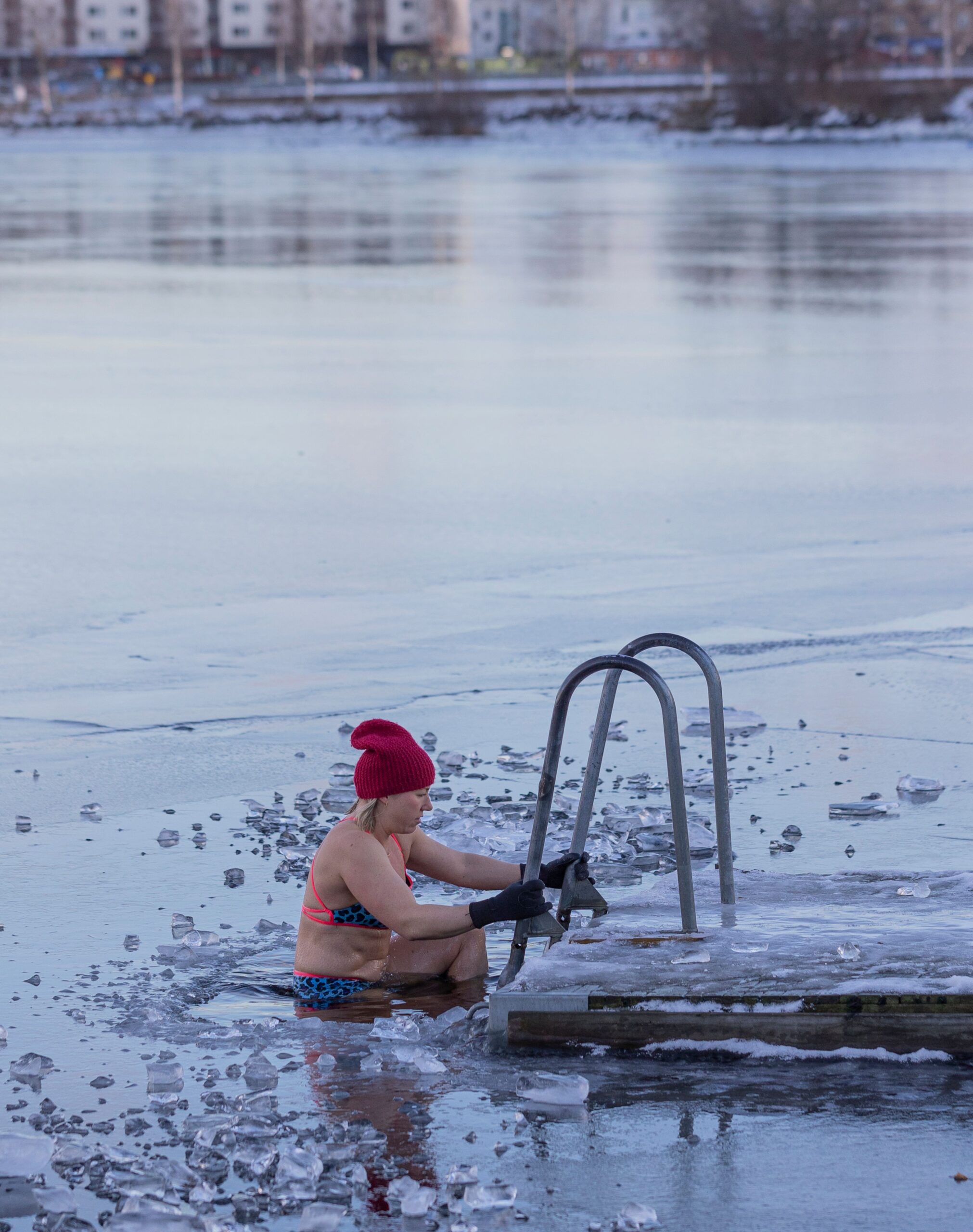 Cold exposure right after strength training can come with a trade-off. In a 2015 study published in The Journal of Physiology, Roberts and colleagues had young men follow a twelve-week resistance training program. After every session, one group sat in cold water while the other did light active recovery. The cold-water group gained less muscle mass and less muscle fiber size.
If a client is focused on building size or strength, it may make more sense to save the cold for rest days or wait several hours after lifting. Someone who has a race coming up next weekend has different priorities than someone trying to add muscle.
What It Looks Like in Practice
At Tesoro Life, a recovery club in Parker, Colorado, the sauna, cold plunge, and red light therapy are all in the same building. Most clients go heat first and finish on cold. A common round is 15–20 minutes in the sauna followed by two to three minutes in a plunge around 50°F. You can see the full setup on their sauna, cold plunge, and red light therapy page.
People who walk in right after a hard training session are often the ones who should wait a few hours. A quick question about what they just trained can save them from using cold too soon.
Hydration at Altitude
 Parker sits near 5,900 feet. The dry air at that elevation pulls more fluid out through breathing than most people realize. A lot of clients who say they feel sore and wiped out are simply under-hydrated. Asking a few questions about water and electrolytes can often clear things up before any treatment starts.
Some people also turn to IV hydration after long events or illness. For a healthy person who can drink normally, fluids and food do most of the work. The research showing IVs are clearly better than drinking is limited. It usually makes more sense when someone can’t keep fluids down or is badly depleted. Clinics like Tesoro Life list this kind of service under IVs and injections.
When Recovery Stalls Anyway
Sometimes a client does everything right and still feels flat. Sleep, protein intake, and training load come first. After that, it can be worth suggesting they talk to a physician about labs—things like vitamin D, iron, thyroid, and for adults in their 40s and up, sex hormones.
Massage therapists can’t diagnose any of this and shouldn’t try. Knowing when to point someone toward a doctor is part of the job. Tesoro Life’s health optimization program is one example of a physician-led option for adults who want that kind of testing.
Conclusion
Contrast therapy looks like a reasonable way to take the edge off soreness after hard sessions. It’s not a miracle, the ideal protocol is still unclear, and timing around strength training matters. Treat it as one useful tool alongside sleep, food, fluids, and good bodywork.
About the author: James Duo writes about recovery and wellness for Tesoro Life, a recovery and longevity club in Parker, Colorado.