
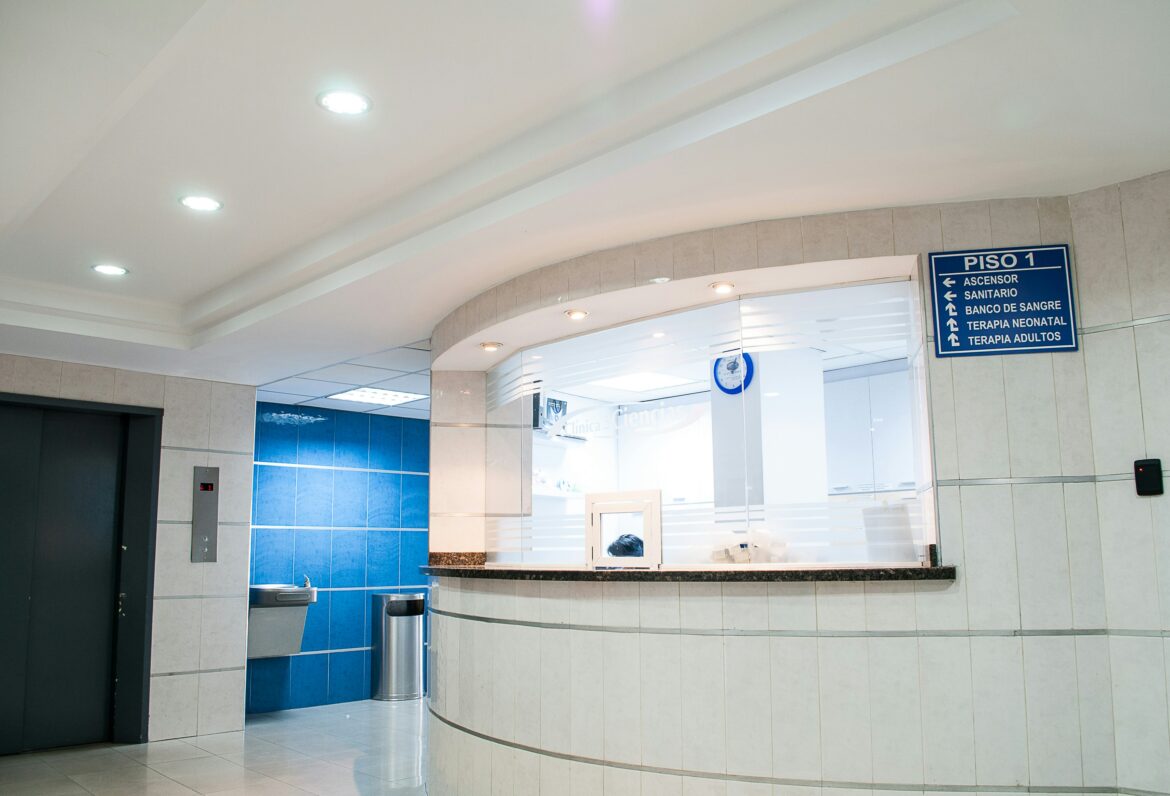
For many patients, the healthcare experience begins long before they meet a physician. It starts with scheduling an appointment, receiving instructions, completing forms, confirming insurance information, and figuring out what to bring to the visit. When these steps involve crowded waiting rooms, clipboards, repetitive questions, and unclear processes, frustration can build before care even begins. Healthcare organizations are increasingly recognizing that improving this early stage can have a meaningful effect on how patients perceive the entire experience.
Digital front doors are changing this process by moving many administrative interactions into secure digital environments. Patients can often complete forms, provide information, receive reminders, and communicate with a practice before arriving. This shift is not simply about replacing paper with screens. Done thoughtfully, it can reduce unnecessary friction, give patients more control over their information, and allow clinical teams to spend less time resolving routine administrative tasks. As healthcare continues to emphasize patient-centered care, contactless workflows are becoming an important part of the broader conversation about accessibility, convenience, and operational efficiency.
What a Digital Front Door Means for Patients
A digital front door consists of a group of digital solutions that patients can use to interact with a healthcare provider before, during and after their visit. The features and services of a digital front door can vary from provider to provider. Examples of features and services of a digital front door are online scheduling, patient portal, digital registration, e-forms, appointment reminders, secure messaging, payment options etc.
Convenience for patients: Patients appreciate the convenience to complete required information prior to their visit. For example, patients can register for their visit from home, complete required information for the child’s visit while preparing them for the visit, complete required on-line forms for visit in the evening while still at work, receive reminders for upcoming appointments, etc. These small improvements allow for a more efficient healthcare experience for patients.
Furthermore, digitalization of front-end processes also corresponds with changing consumer behavior. For example, bank Internet services, travel booking, package tracking and contact with companies by means of digital channels are standard today. In view of these processes, in healthcare too, patients’ expectations have to be met with digital front-end solutions for administrative processes. With the aid of the Office of the National Coordinator for Health Information Technology (ONC), the importance of patient access and electronic health information has been emphasized so far, but more meaningful digital patient contact and front-end processes are currently being developed by healthcare providers.
How Contactless Intake Changes the Arrival Experience
Traditional intake often requires patients to arrive with identification, insurance information, medication details, and other documentation. Even when a practice already has some of this information, patients may be asked to confirm it again. This creates an administrative burden for both sides. Staff must manually review forms and enter information, while patients spend time answering questions that may feel repetitive.
With contactless patient intake, much of this preparation can happen before the appointment. Patients may receive a secure link or portal notification directing them to complete registration requirements. Information can then be reviewed before the patient arrives, giving staff an opportunity to identify missing details or potential discrepancies earlier. The result can be a more organized check-in process, particularly when a practice handles a large volume of appointments.
This does not mean every patient interaction should become contactless. Healthcare remains fundamentally human, and reception staff play an important role in welcoming patients, answering questions, and recognizing situations that require personal attention. A strong digital front door should therefore complement staff rather than eliminate meaningful interaction. Patients who need assistance should still have accessible alternatives, while those who prefer digital tools can use them to complete routine tasks independently.
Improving Accuracy and Reducing Administrative Friction
 Having accurate information in healthcare to deliver safe quality care is key to running an efficient organization. Stating that patient intake is just another form to fill out for the office is wrong. It is one of the key components to deliver quality care. If the intake information is collected via poorly designed paper form(s), then there is potential for many errors to occur as information is manually entered into other systems.
Digital forms contain structured fields (such as dropdown lists, date pickers etc.), required fields, validation on input and prompt messages guiding patients to enter the required information. As patients are able to update, for example, their address, phone number, other administrative data that need to be updated by the staff before the visit, patients can update this information by themselves before the visit. Digital intake information may be automatically uploaded into the appropriate system of care within the organization.
It is however also important to ensure that digital intake forms are designed to be useful to patients. There is a risk that poorly designed online forms could lead to patients feeling overwhelmed by lengthy or complex online registration processes. Furthermore, poorly designed online forms can contain confusing language or ask patients for information that is not required. Also, online forms need to be designed to be usable by all patients including those who are mobile only. The form and related process need to be clear and allow patients to review the information they have provided as part of the process.
Making the Patient Experience More Flexible
Reasons why digital intake can make healthcare appointments more flexible for patients. Let’s consider some typical scenarios for when patients will have time to complete administrative tasks for healthcare appointments.
It allows for the many patients, already stressed and overwhelmed by their own health issues, to prepare for their appointment in good time. For example, they can be checking the details of their appointment and printing out any relevant information from home, rather than being forced to complete lengthy paperwork in a waiting area.
Reminders: Simply more than “send a message”. Digital front doors offer automated reminders for appointments and for the information that patients need to prepare for their treatment. It is key to strike a good balance between reminders and annoying messages. Organizations can use patient engagement solutions which offer comprehensive and efficient communication.
Supporting Healthcare Staff Behind the Scenes
The benefits of digital intake extend beyond patients. Front-desk employees often manage a combination of check-in, scheduling, phone calls, insurance questions, paperwork, payments, and patient concerns. During busy periods, these responsibilities can compete for attention. Moving appropriate administrative tasks into digital workflows can reduce some of that pressure.
When information is available before an appointment, staff can spend less time entering basic details and more time addressing exceptions. For example, instead of processing every patient’s demographic information from scratch, employees may be able to focus on records that require clarification. This can make daily operations more predictable and help staff provide more attentive service when patients do need personal assistance.
There is also a potential benefit for clinical teams. When administrative information is organized before a visit, clinicians may have a clearer starting point for the encounter. While digital intake cannot replace clinical judgment or direct conversation, better-prepared information can help reduce avoidable administrative interruptions. The broader objective is to allow technology to handle appropriate routine tasks while healthcare professionals concentrate on the work that requires their expertise.
Security, Accessibility, and the Human Element
Convenience should never come at the expense of privacy. Healthcare organizations handle highly sensitive personal information, which means digital intake systems must be designed around appropriate security, authentication, access controls, and data protection practices. Patients should understand where their information is going and how it is being used, while organizations must maintain appropriate safeguards throughout the process.
Accessibility is equally important. Not every patient owns a smartphone, has reliable internet access, feels comfortable using digital tools, or can easily navigate a complicated online form. Older adults, people with disabilities, patients with limited digital literacy, and individuals who speak languages other than English may need additional support. Providing alternative intake methods and assistance can help ensure that digital transformation does not unintentionally create new barriers.
The most effective digital front doors therefore follow a hybrid philosophy. Technology should remove unnecessary friction while preserving human support where it matters. A patient should not feel forced to navigate an automated system when a simple conversation would resolve the issue more effectively. The best approach gives patients choices while using digital tools to simplify routine interactions.
The Future of Patient-Centered Intake
 As healthcare organizations continue investing in digital infrastructure, intake is likely to become increasingly connected to the broader patient journey. Future systems may use information already provided through secure platforms to reduce repetitive questions, provide more personalized instructions, and coordinate administrative requirements across different stages of care. Integration with scheduling, electronic health records, billing, communication platforms, and other systems could make the experience more seamless.
The underlying principle is more important than any particular technology. Patients want healthcare to be understandable, accessible, and respectful of their time. Providers need systems that support accurate information and efficient workflows without adding unnecessary complexity. Digital front doors can help bridge those needs when they are designed around actual patient behavior rather than technology for its own sake.
The value of contactless intake is measured by what happens after the technology is introduced. If patients spend less time completing repetitive paperwork, staff have more capacity to help people who need personal attention, and clinicians receive better-organized information, the entire experience can improve. Digital transformation is most meaningful when it makes healthcare feel less complicated rather than simply making it more digital.
Conclusion: A More Connected Start to Better Care
The first few minutes of a healthcare encounter can shape a patient’s perception of the entire visit. A confusing registration process or lengthy wait can create unnecessary stress, while a straightforward and well-organized arrival can establish a sense of confidence from the beginning. Digital front doors offer healthcare organizations an opportunity to rethink that experience and move routine administrative work into convenient, secure channels.
The goal should not be to remove people from healthcare. It should be to use technology intelligently so patients and professionals can spend less time on avoidable administrative friction and more time on meaningful interactions. When convenience, security, accessibility, and human support are considered together, digital intake can become more than a paperwork replacement. It can serve as an important foundation for a healthcare experience that is easier to navigate, more responsive to patient needs, and better prepared for the expectations of modern care.
Written by maryna@fatgrid.pro