Recovering from a muscle, joint, or sports injury usually involves more than waiting for pain to disappear. The injured area has to regain movement, tolerate increasing loads, and eventually handle the demands of work, exercise, or sport again.
Osteopathy can form one part of that rehabilitation process. Its role is generally to assess musculoskeletal function, address movement restrictions where appropriate, and support a gradual return to normal activity. It should complement exercise and medical care rather than replace them.
Start With a Proper Assessment
Treatment should begin with understanding what has been injured and how it affects movement.
An osteopathic assessment may look at joint motion, muscle tension, strength, posture, balance, and the movements that reproduce symptoms.
The history matters just as much as the physical examination.
How the injury happened, when symptoms began, what makes them worse, and whether the person has experienced the problem before can all influence the rehabilitation plan.
Someone looking for support during recovery may consult Balance Health Centre’s expert osteopaths for assessment and treatment of musculoskeletal problems.
An osteopath should also recognize when symptoms require medical investigation rather than manual treatment.
Restore Useful Movement
After an injury, people often start moving differently to avoid discomfort.
A person with an ankle injury may shorten their stride. Someone with shoulder pain may stop reaching overhead. Back pain can lead to guarded bending or rotation.
These adaptations can be useful temporarily, but they may become limiting if they continue after the injured tissue is ready for more movement.
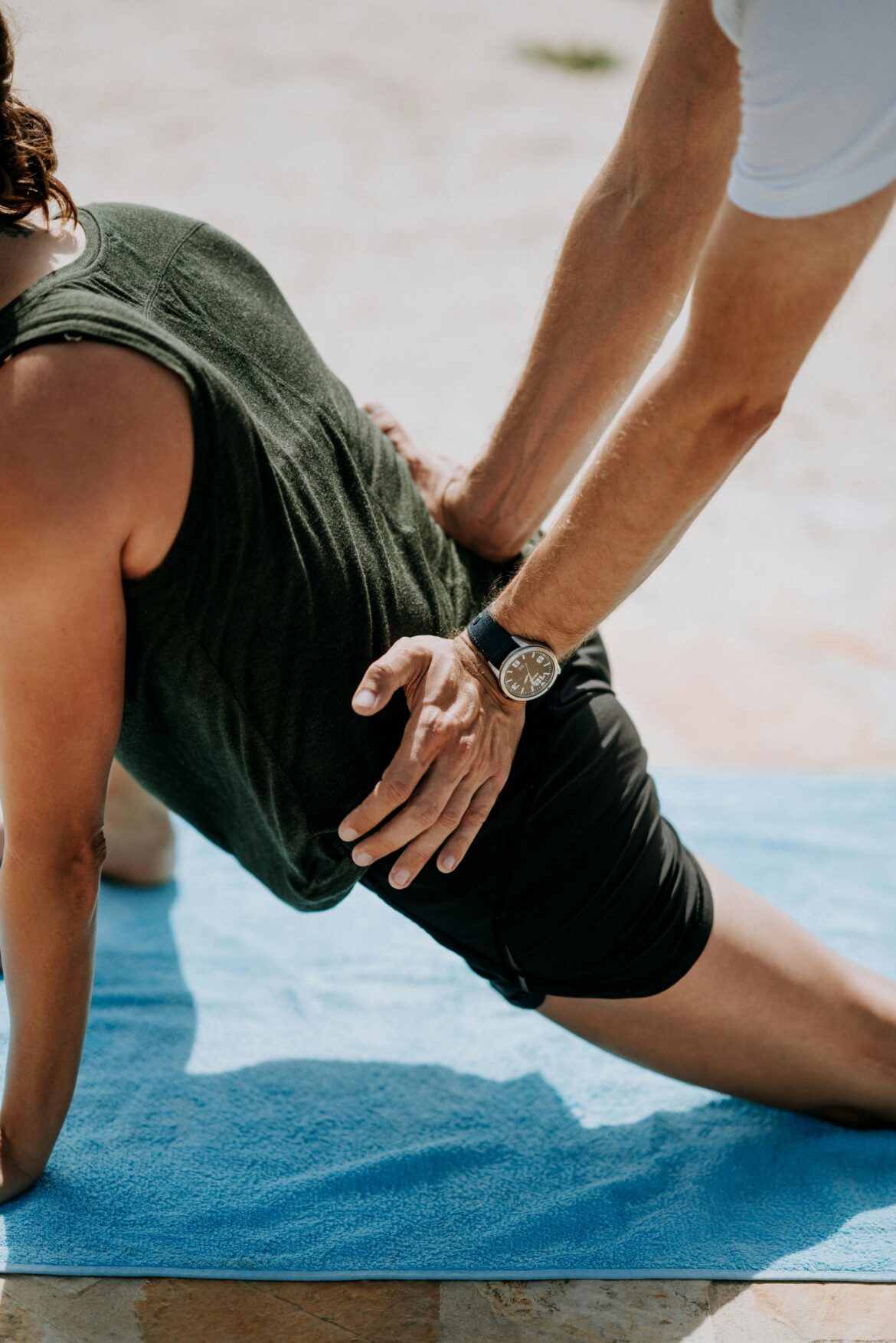
Osteopathic treatment may include joint mobilization, soft-tissue techniques, stretching, and movement advice.
The objective is not simply to make an area feel looser.
Any improvement in movement should support a practical rehabilitation goal, such as walking normally, reaching comfortably, or performing an exercise with better control.
Combine Manual Treatment With Exercise
Passive treatment alone rarely prepares someone for the demands that caused or exposed the injury.
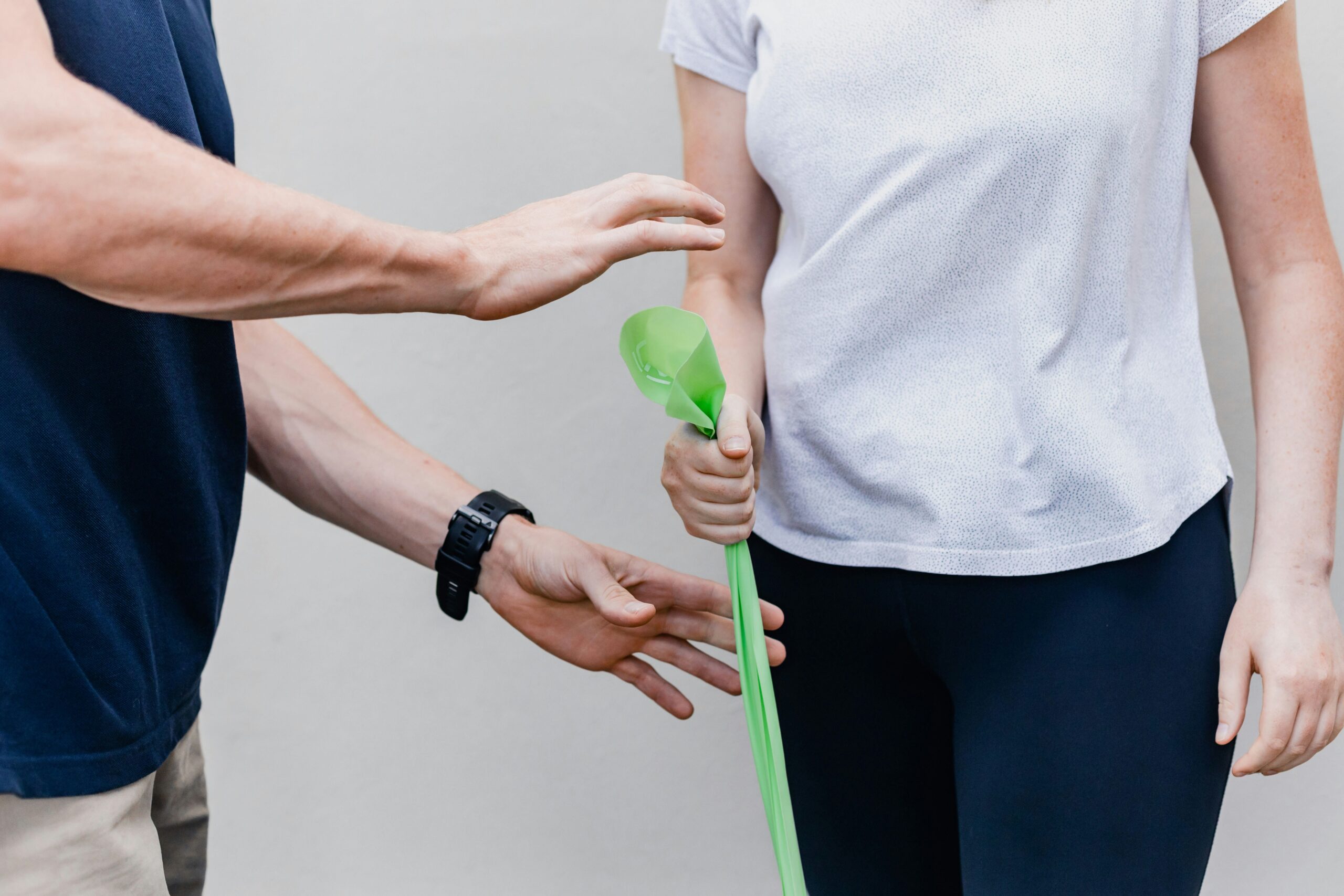
Rehabilitation also needs active work.
Exercise May Target
- Range of motion
- Muscle strength
- Balance
- Coordination
- Joint control
- Endurance
- Sport-specific movement
Exercises should progress as capacity improves.
For example, rehabilitation after a lower-limb injury might begin with controlled range-of-motion work, progress to strengthening, then move into single-leg balance, changes of direction, running, or jumping where appropriate.
Manual treatment can sometimes make movement easier, but exercise develops the strength and control required to keep using that movement.
Manage Load Instead of Avoiding It Completely
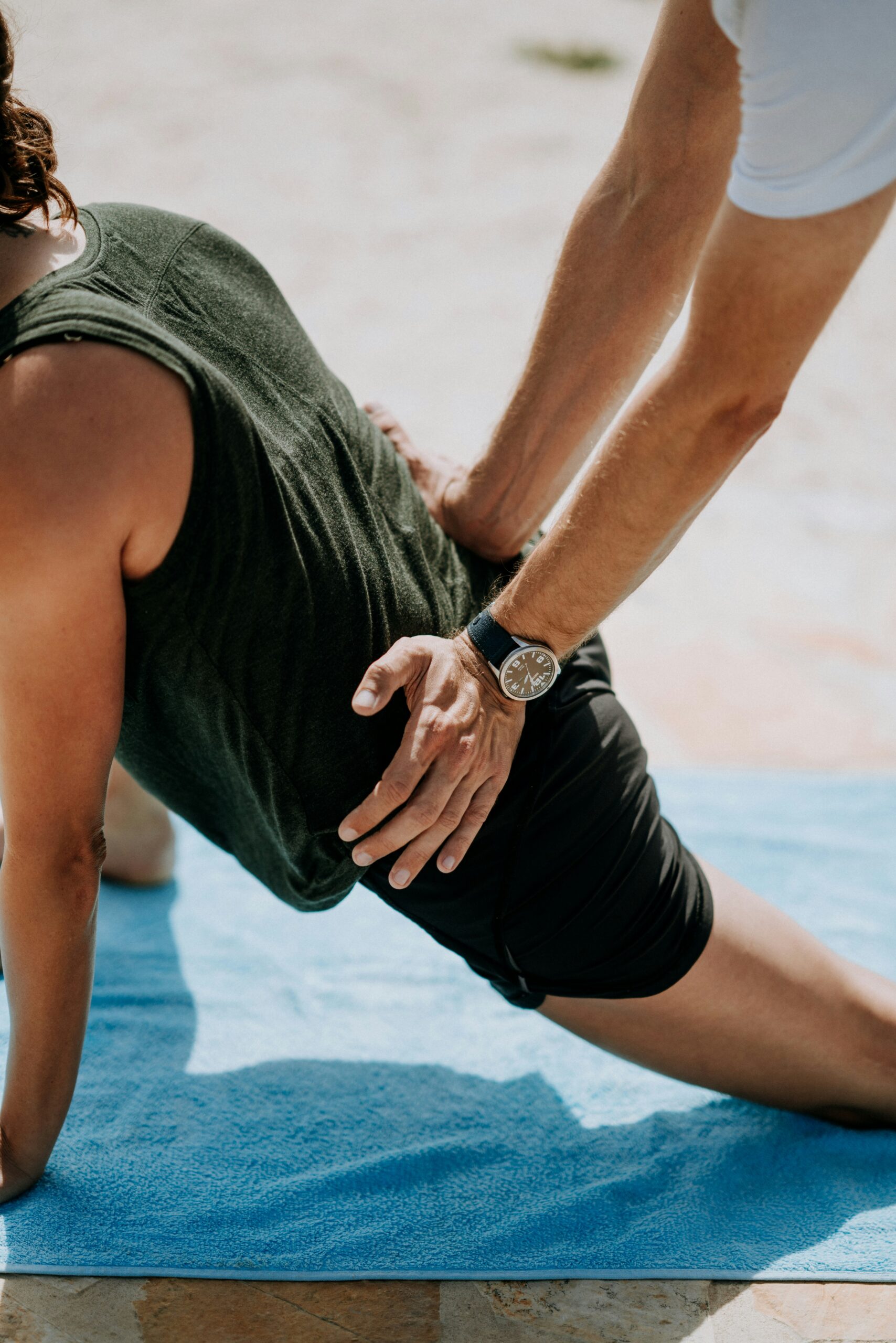 Rest is useful immediately after some injuries, but prolonged avoidance of movement can also reduce strength and confidence.
Rehabilitation usually involves finding an appropriate amount of load.
Too much too soon can aggravate symptoms. Too little may slow the return of normal capacity.
A practical rehabilitation plan looks at how the body responds during activity and afterward.
If symptoms increase sharply during an exercise or remain substantially worse the following day, the workload may need adjusting.
Progress can be changed through resistance, repetitions, range of motion, speed, frequency, or exercise complexity.
The aim is controlled progression rather than repeatedly testing the injury at maximum effort.
Address the Movements Behind Recurring Problems
Repeated injuries deserve more than treatment of the painful area.
Consider what the person is repeatedly asking the body to do.
A runner with recurring calf problems may need assessment of training volume, ankle function, strength, and recovery. Repeated shoulder irritation in a recreational athlete may involve overhead workload, technique, or inadequate strength.
This does not mean every injury has one mechanical cause.
Workload, previous injury, sleep, conditioning, training changes, and other factors can all contribute.
Rehabilitation should therefore focus on modifiable factors rather than searching for a single supposedly faulty muscle or joint.
Use Symptoms as Feedback
Pain matters, but it is not the only measure of rehabilitation.
Someone can have little pain while still lacking the strength or control needed to return safely to normal activity.
Track function as well.
Can the person walk farther? Is joint motion improving? Can they lift more load with good control? Are normal tasks becoming easier?
Useful Progress Markers Include
- Comfortable range of motion
- Strength compared with the uninjured side
- Balance and stability
- Ability to complete daily tasks
- Exercise tolerance
- Recovery after activity
- Confidence using the injured area
Progress should be based on what the person can do, not simply the number of weeks since the injury happened.
Know When Referral Is More Appropriate
Not every musculoskeletal problem belongs in routine rehabilitation.
Significant trauma, suspected fracture, unexplained swelling, progressive weakness, severe neurological symptoms, or symptoms suggesting a serious underlying condition require appropriate medical assessment.
Persistent symptoms that are not responding as expected should also be reconsidered.
In the UK, patients can use the General Osteopathic Council register to check whether an osteopath is registered.
Good rehabilitation includes knowing when another healthcare professional, diagnostic investigation, or different treatment approach is needed.
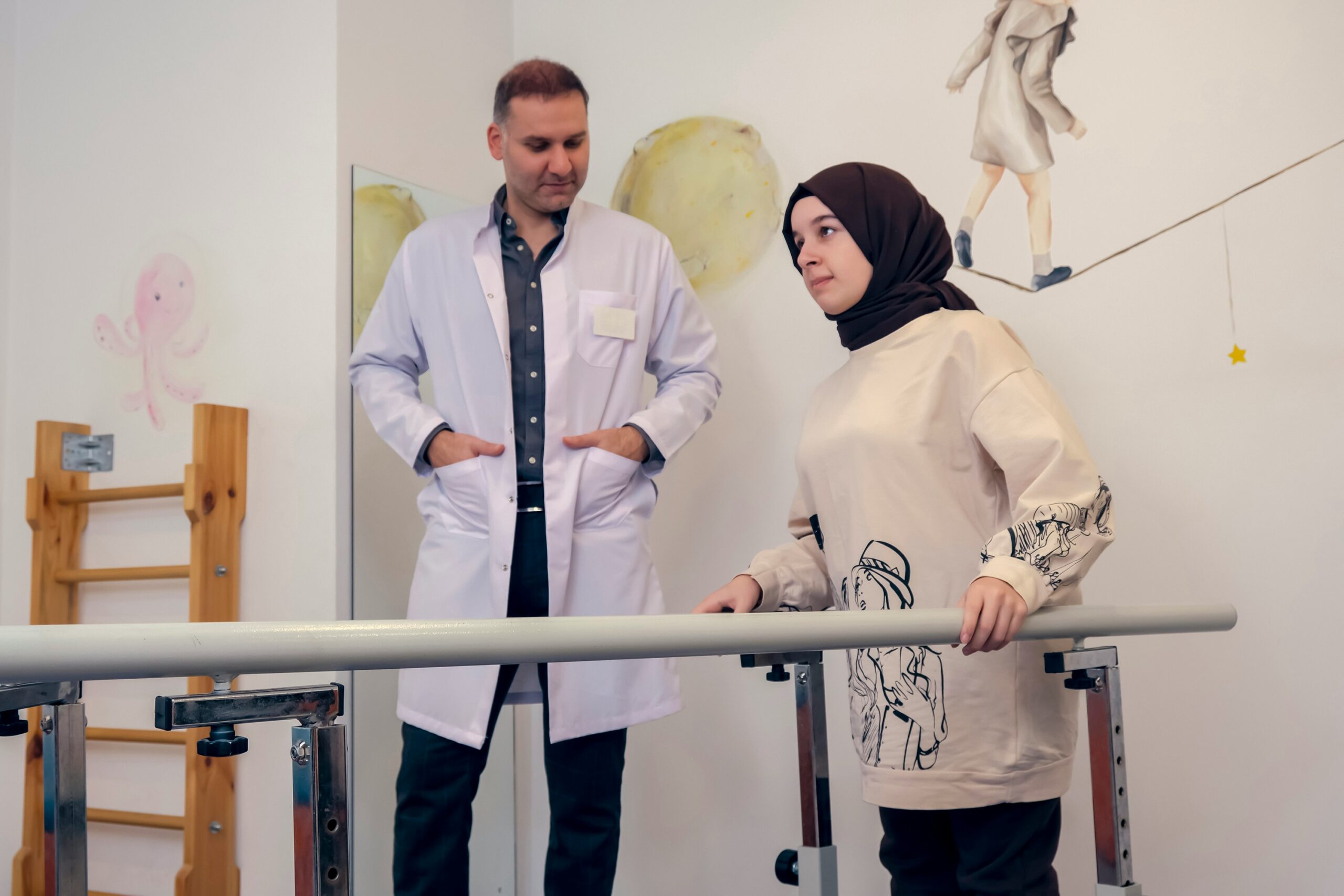
Prepare for the Activity You Want to Return To
The final stage of rehabilitation should resemble the demands of everyday life or sport.
Being able to perform a basic strengthening exercise does not necessarily mean someone is ready for sprinting, manual work, or several hours of gardening.
A return-to-activity plan should gradually rebuild those specific demands.
A runner may progress from walking to short runs before returning to normal mileage. Someone with a lifting-based job may need increasingly heavier carrying and lifting tasks before resuming a full workload.
This is where rehabilitation becomes less about treating an injury and more about rebuilding capacity.
Where Osteopathy Fits
Osteopathy can contribute to injury rehabilitation through assessment, manual treatment, movement advice, and guidance on returning to activity.
Its role is strongest when it forms part of a broader plan.
Manual treatment may help improve movement or manage symptoms, while progressive exercise develops strength, control, and tolerance for load.
The goal should not be repeated treatment without a clear endpoint. Rehabilitation should move toward measurable improvements in function and eventually reduce the person’s dependence on treatment.
A useful rehabilitation plan gives the injured area progressively more work, monitors the response, and adjusts when necessary. Osteopathy can support that process, but lasting recovery depends on restoring the capacity needed for everyday movement, work, or sport.
Written by kathleennialla@gmail.com