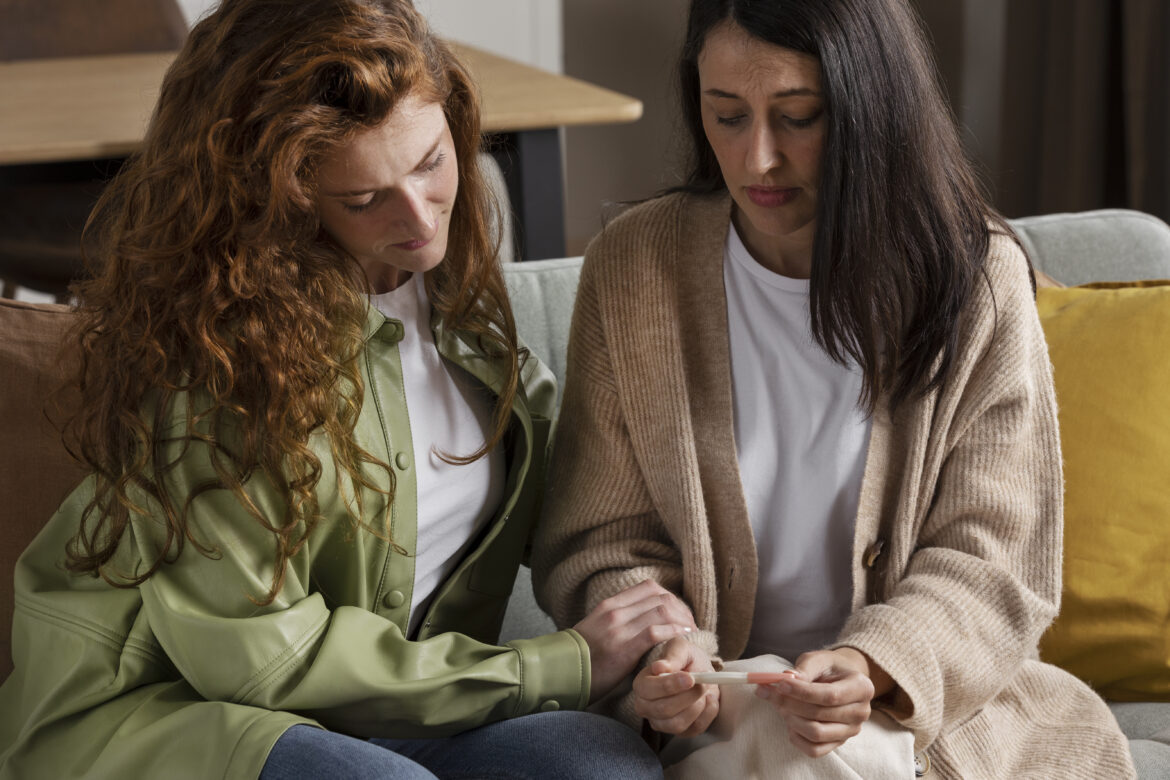
Addiction can affect anyone, but the circumstances surrounding their drug use can differ between men and women. Women could have difficulties with relationships, emotional well-being, social norms, trauma, and family responsibilities. These problems can cause substance addiction. When someone seeks help, they need as much support as possible during recovery.
Addiction treatment programs for women in Ohio understand these variations and tailor their treatment to meet the needs of women. They might not just treat concerns related to substance use, but also any personal, emotional, and practical difficulties that may impact a woman’s recovery. Knowing these strategies can help explain why gender-specific treatment can sometimes be helpful.
Treatment Addresses Women’s Unique Recovery Needs
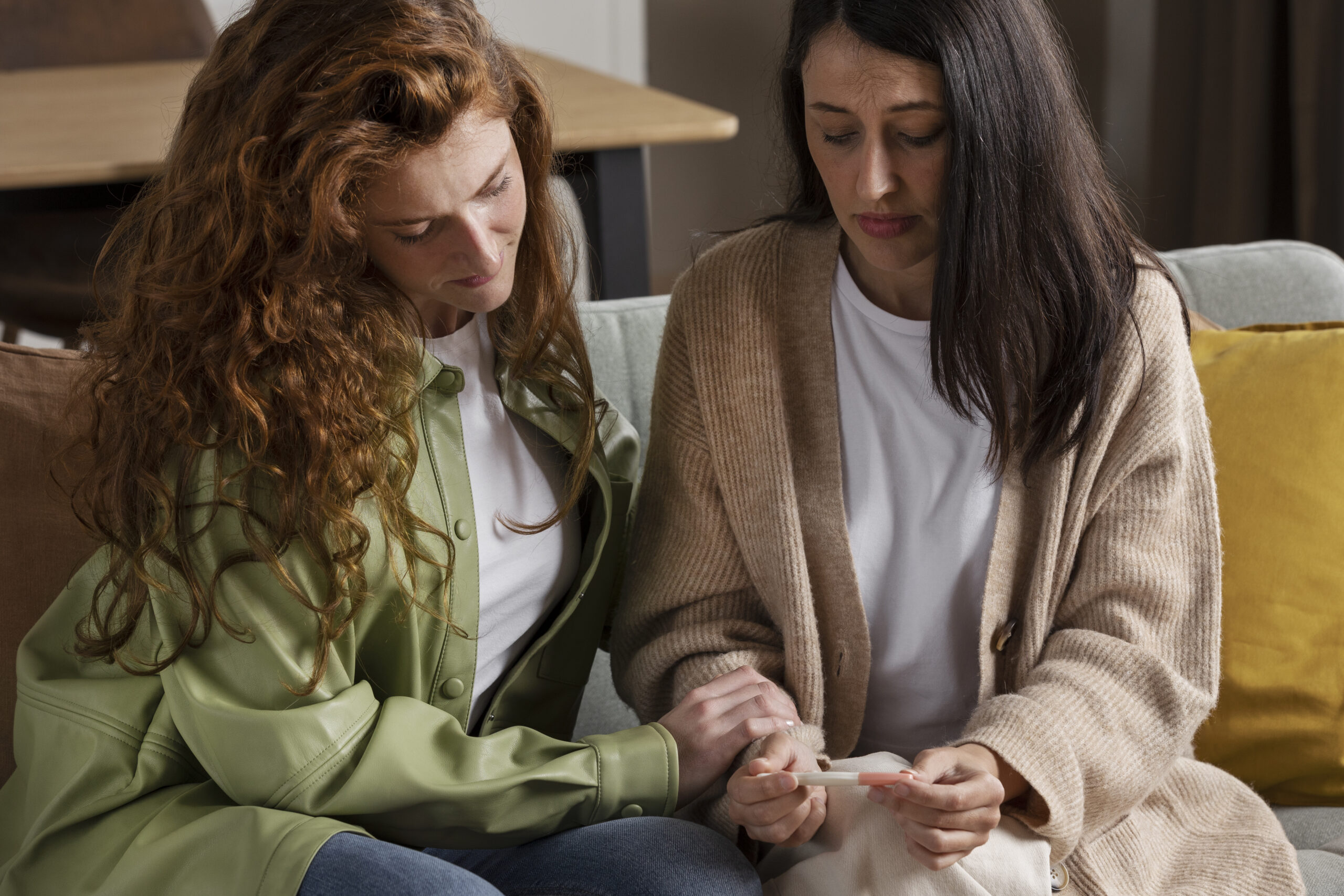
Women’s addiction treatment in Ohio is unique because it focuses on experiences that could impact drug use and recovery. Sometimes women come for treatment with worries about parenting, relationships, personal safety, or past trauma. These issues may impact their desire and capacity to seek support and stay in a program.
Treatment is usually tailored to the individual’s gender and addresses these concerns in a supportive way. Counsellors explore how their own life experiences, emotional upset, and relationship issues can lead to drug use. Treatment can then include the necessary therapy, coping strategies, and support services.
This personalized approach is designed to understand that recovery is so much more than just stopping drug use. It also means recognizing situations that could make it harder to stay sober.
Trauma-Informed Care Plays an Important Role
For women with histories of domestic violence, sexual abuse or other traumatic experiences, addressing trauma in addiction treatment is important. Many individuals using substances are attempting to avoid the memories, feelings and anxiety associated with their painful experiences and feel ill or unresponsive while under the influence of substances.
Most importantly, trauma-informed care is included in many of the programs for women and focuses on individual respect, trust, choice, collaboration, and boundaries throughout the entire treatment process.
Interventions can help a woman recognize certain emotions or situations that affect her negatively and find positive alternatives to manage difficult situations. Typically, interventions require women to discuss painful topics of their past only when they are ready to confront them. Often, however, more important aspects of recovery are to equip women with strategies for managing their lives to become more stable.
When it comes to a person’s past traumas, these need to be treated with care. When appropriately treated, the negative emotions that can hinder recovery from addiction can be diminished.
Mental Health Support Is Often Integrated into Treatment
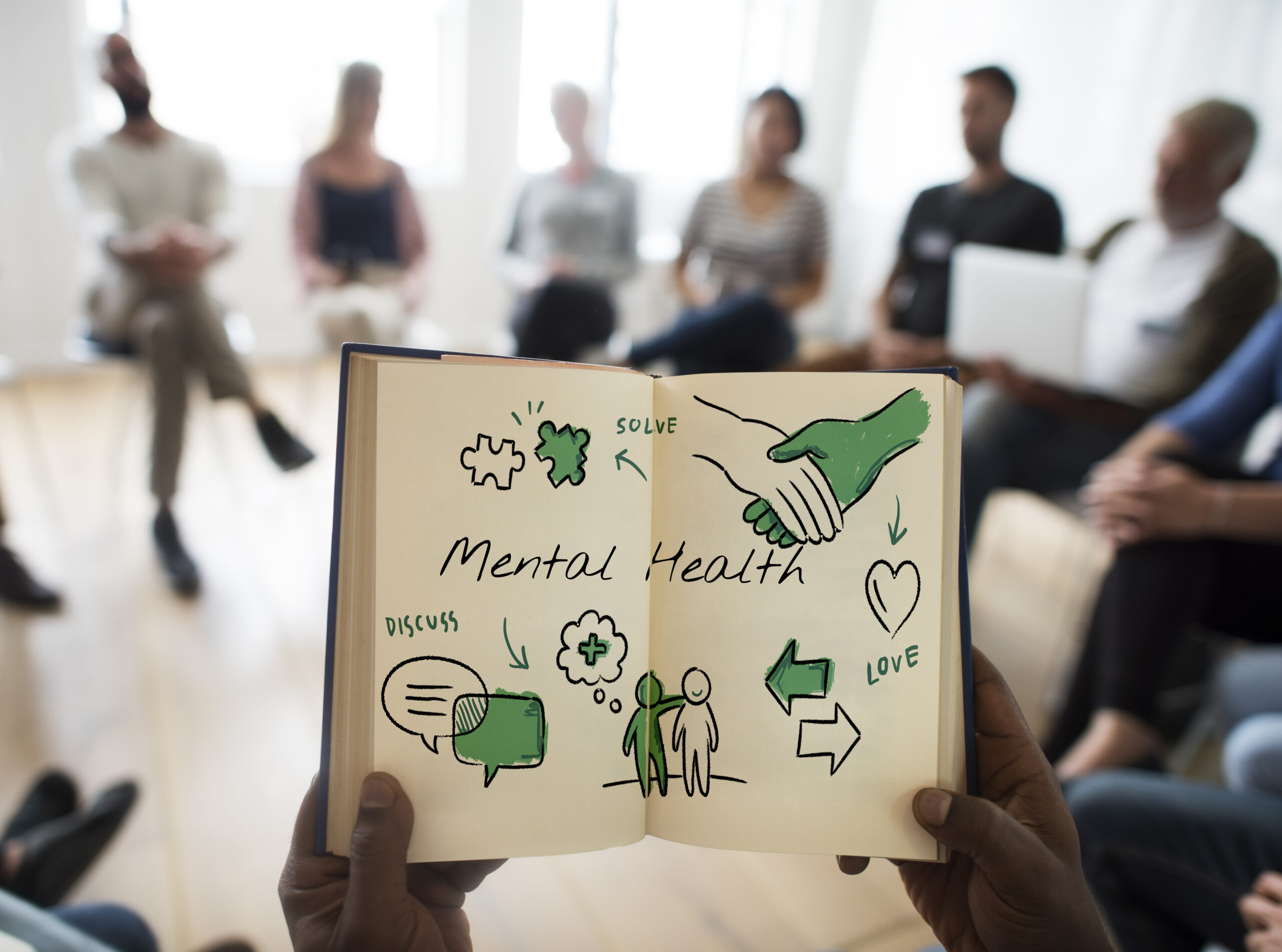
Many women suffer from depression, anxiety and post-traumatic stress disorder (PTSD) as well as from substance use. Addressing only the substance use while neglecting to address the other issues can mean that in time the woman will return to her problematic behaviors. Thus, her recovery will be impaired. In many cases, addressing the woman’s mental health issues as well as her chemical dependence will better serve her in the long run.
These types of dual diagnosis treatment programs for women provide a complete range of services, including the psychiatrist’s evaluation and possible medication, as well as individual and group therapy with other women who have similar issues in their lives.
She will learn ways to deal with her anxiety to prevent use. She will learn how to identify her triggers and develop alternative reactions to them. Her mental health care can be treated simultaneously with her addiction as it is normally connected.
Parenting and Family Responsibilities Receive Special Attention
For mothers with children, there are many concerns about how their children will be taken care of while in treatment and how their family dynamics will change during their recovery. Many women fear that they will not be able to care for their children while in treatment and some even avoid treatment all together because of fear of being away from their children or because of the fear that treatment will cause further disruption to an already struggling family.
The program can also offer parenting education, family counseling, childcare and referrals to other community resources to support the mother in her treatment and allow her to continue to care for her children while in treatment.
Family therapy can be very powerful in helping to mend relationships that have been negatively affected by a woman’s substance use. The sessions can focus on ways to rebuild trust, to improve communication and to establish healthy boundaries and ways of interacting.
Again, there are programs that are looking to serve women in recovery and offer a number of different services to assist in their recovery. Not all of the programs are going to offer the same services, and there are a number of different programs throughout Ohio that may or may not offer certain services to women in recovery.
Women-Only Settings Can Encourage Open Communication
There are many different issues that need to be addressed in a discussion of addiction. It is best to share personal stories and experience with the same care that one would share information of a sensitive personal nature such as abuse, difficult relationships, reproductive health and other similar issues. Many women would not want to share such information in the presence of men and women alike.
It may be very beneficial to have only women in a treatment program for women, to help to build trust in order to share of very personal issues. In group therapy, for example, women can find support and also gain new insights from other women who are sharing of their struggles and their successes.
Even though there are programs for women only, the best addiction treatment program for any woman is not necessarily a women-only program. Again, the best program will depend upon the clinical care offered, a woman’s personal preference, and the services provided at a program.

Recovery Planning Extends Beyond Residential Treatment
When you complete a treatment program for your addiction, your recovery is not over. There are many stresses of everyday life and situations that could lead you back to your previous substance use.
Continuing care can be integrated into a woman’s treatment plan to prepare her for potential struggles when she completes her residential treatment. Women can be linked with ongoing services such as after care counseling, support groups (in person and online), recovery housing and employment.
The counselors can help develop strategies to manage everyday routines as well as develop positive supportive relationships to deal with situations where substances are available. Even though many women’s addiction treatment centers exist in the state of Ohio, varying in type of program (residential vs. outpatient) and level of clinical support, there are many programs with effective therapies and sufficient resources for women to recovery from addiction long term.
Conclusion
There is no one treatment of addiction for women. As with women who experience trauma, women with mental health problems, women with relationship problems and women who are caregivers need more accessible recovery help for their special problems in addition to their substance use problems.
Services and forms of support for women can vary greatly. Effective women’s addiction treatment programs for women include programs with clinically sound treatment, a number of therapies, and effective aftercare resources.
Written by jeffery@healthybox.org