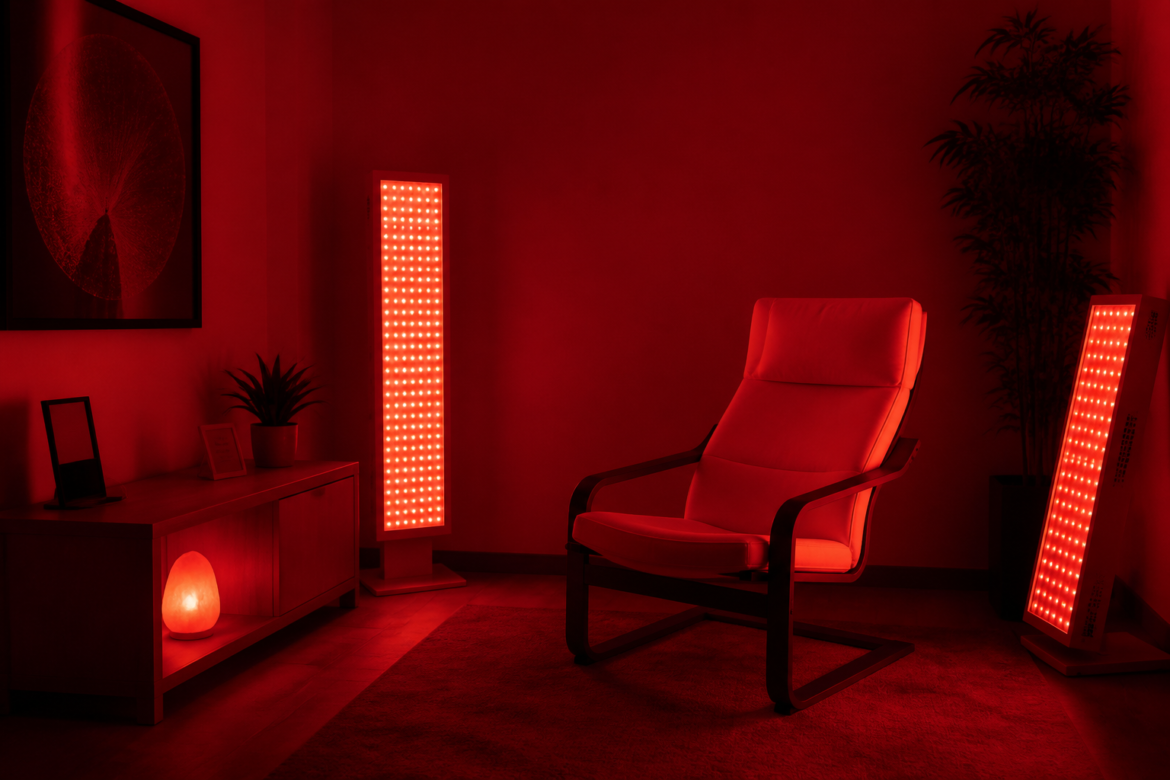
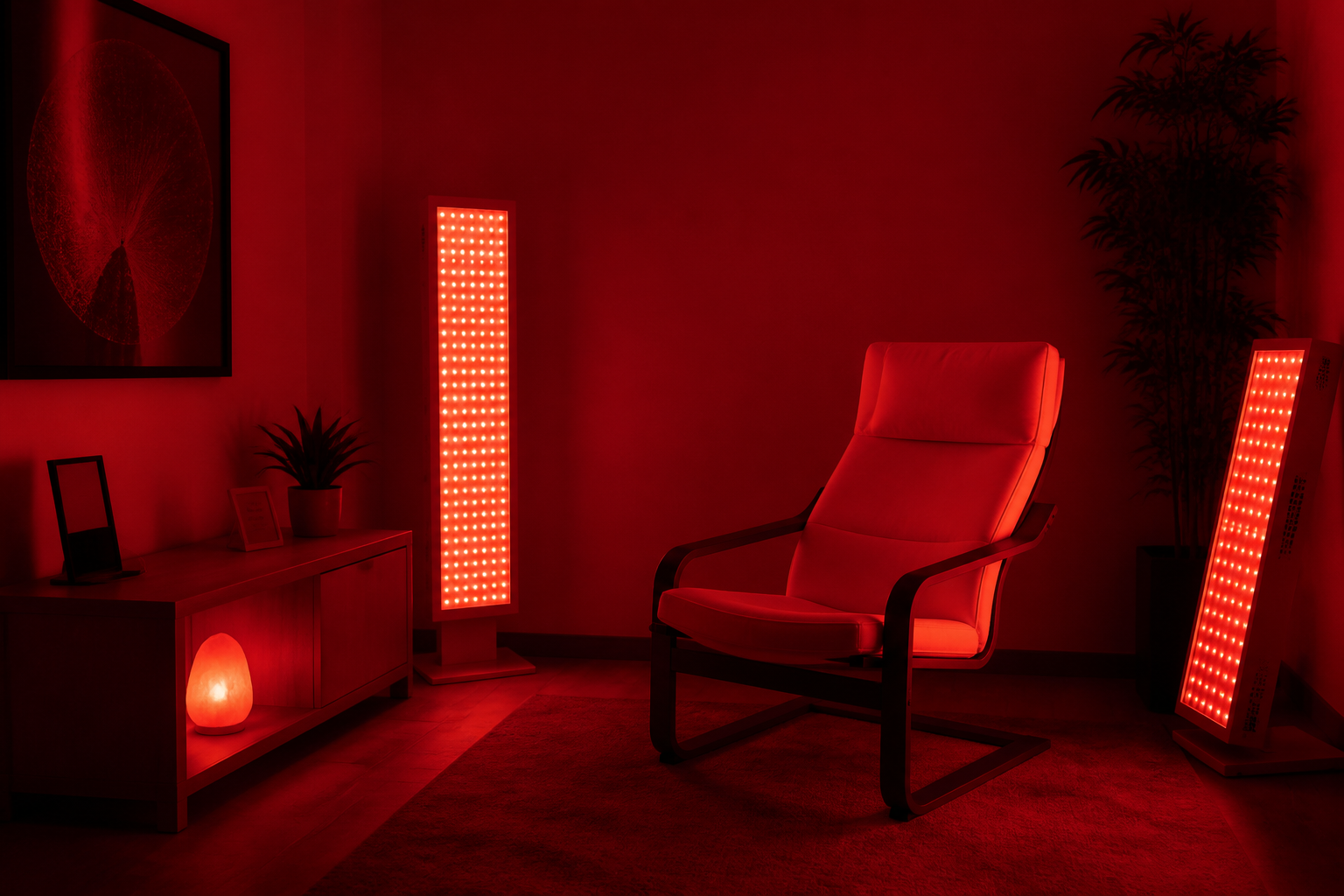
 At home you need tools to support your recovery routines, not complex recovery protocols. Red light therapy at home is best provided in the form of a red light therapy panel which can be left on after a workout at home to support the recovery of tissues after physical stress such as after exercise, physical work or a long, stressful working day. Red light therapy at home uses red and near-infrared light of specific wavelengths of light that are absorbed by tissue to stimulate activity of cells and tissues in the body to produce energy in the form of ATP.
How Red Light Therapy Supports Recovery
These wavelengths interact with mitochondrial structures in skin and muscle tissue, enabling them to increase production of adenosine triphosphate (ATP), the principal energy source for bodily functions and activities, including recovery from physical exercise and stress.
Rest, nutrition, hydration and medical care still form the backbone of physical recovery. The red light therapy will support the recovery process by kick-starting the biological processes that occur after physical stress, but it won’t numb any discomfort or even help with recovery while you’re actively engaged in physical activity.
Home users seeking clinical-grade red light therapy should consider wavelength selection, treatment coverage, build quality, and operating instructions before choosing a device. These details affect how evenly light reaches the intended area and how easily a person can follow a consistent routine. A suitable setup should match the body area, available space, and planned frequency of use.
What Clinical-Grade Equipment Means
In 2025, the red light therapy market size was $533.8M. When we talk about clinical-grade red light therapy we are talking about a few key things: wavelength, distance to skin, and treatment area.
The irradiance of a light source describes the power of the light distributed over a defined area. The irradiance does not have to be high in order to create effective sessions. However, it is important to set the right distance and duration of treatment in accordance with the lighting equipment and its operating instructions.
A good red light therapy panel for at home use provides stable operation, easy controls and readable instructions for positioning, length and frequency of sessions as well as for eye protection, cleaning and storage of the panel. This kind of information will prevent users from making wrong assumptions about the treatment and therefore from overexposure.
Recovery Uses at Home
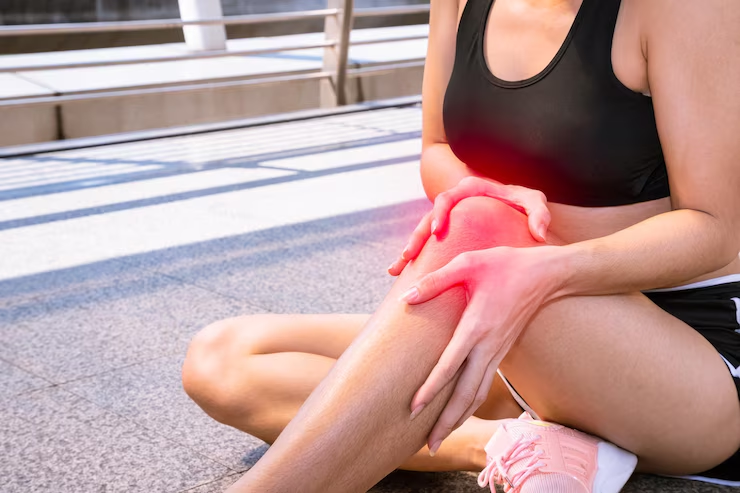 Red light therapy can be incorporated into many different types of recovery regimes and also be used to treat localized areas of the body. As an example, someone who suffers from after exercise pain in their legs could place a red light panel near to their legs, back or shoulders after their workout.
Sticking to a schedule and completing the recommended amount of time for your sessions is far more important than trying to complete lengthy sessions from time to time. Remember, your body needs time to recover between periods of physical activity and light therapy sessions.
When used for recovery, people should have realistic expectations about what red light will do for their muscles or other body parts. While red light can be very helpful in supporting tissue repair and increasing energy for recovery, it is not a cure for serious injuries and does not diagnose the cause of ongoing aches and pains. Swollen, sore, losing function, in extreme pain, or pain that lasts for days will need to see a doctor for further treatment.
Building a Safe Routine
Start with clean dry skin and adhere to the suggested positions for your body in relation to the device. Make sure to remove any reflective items from your treatment area and make sure the panel is fixed in place for your safety. Only treat the recommended area and adhere to the suggested distance and duration for sessions.
It is also important to note that eye protection will be required for some devices, for certain treatment areas. It is best to refer to the suppliers guidance on this matter, also users with light sensitive conditions, or on certain medications should seek advice from a health care professional prior to use.
Please seek individual medical advice for the use of red light therapy for people with the following medical conditions: pregnancy, active cancer treatment, seizure disorders, and people with photosensitive skin. It is also recommended that individuals with the following receive medical advice for use around an open wound, recent procedure, or implanted medical device.
Choosing a Practical Home Setup
 Where you place your workout in your home also influences how often you use a light therapy panel. Panels that fit on a corner of your workout space, your home office or on a desk nearby are best as they are more likely to get used.
When choosing a red light panel for home use, consider how much of your body you can place within the treatment area. A smaller light source is generally best for localized treatment of specific parts of your body, whereas a larger light panel is better suited for treatment of larger surface areas that can be positioned under the panel for treatment.
Just recording the date and area treated along with any increases in comfort and mobility between sessions for recovery from physical stress helps in identifying whether a particular routine is working or not.
Conclusion
Home use of clinical-grade red light therapy means recovery in the form of a powerful structured tool that is used in conjunction with sleep, exercise, healthy eating and medical treatment where necessary.
You should read the guidance provided for your red light therapy device and check with your doctor if you have any health problems that may be affected by red light therapy before using it for recovery. A simple spreadsheet to record your sessions and any relevant change in your symptoms and comfort levels of use will enable you to best use your panels for your recovery needs over time.
Written by Marc Cousineau (marc.cousineau@maintainxsolutions.com)