
Living longer is only really worth getting excited about if those extra years are going to still feel like your own. The appeal quickly wears off if every conversation about aging ends with another product to buy or another bit of freedom taken away.
Cellular health is an important part of this equation, because it concerns how cells make usable energy and keep tissues functioning as the years pass. There are several options when it comes to regenerating cells as we age, with stem cell treatment in Mexico especially taking off in recent years.
This post will cover why cellular health is so important, as well as how exercise and other aspects factor into it. But first, let’s talk about the different layers of longevity.
Why Healthy Years Matter
Lifespan counts years lived, whereas “healthspan” concerns how much of that time is spent in good health. It’s a distinction that becomes personal when someone you love lives for years with an illness that limits their independence.
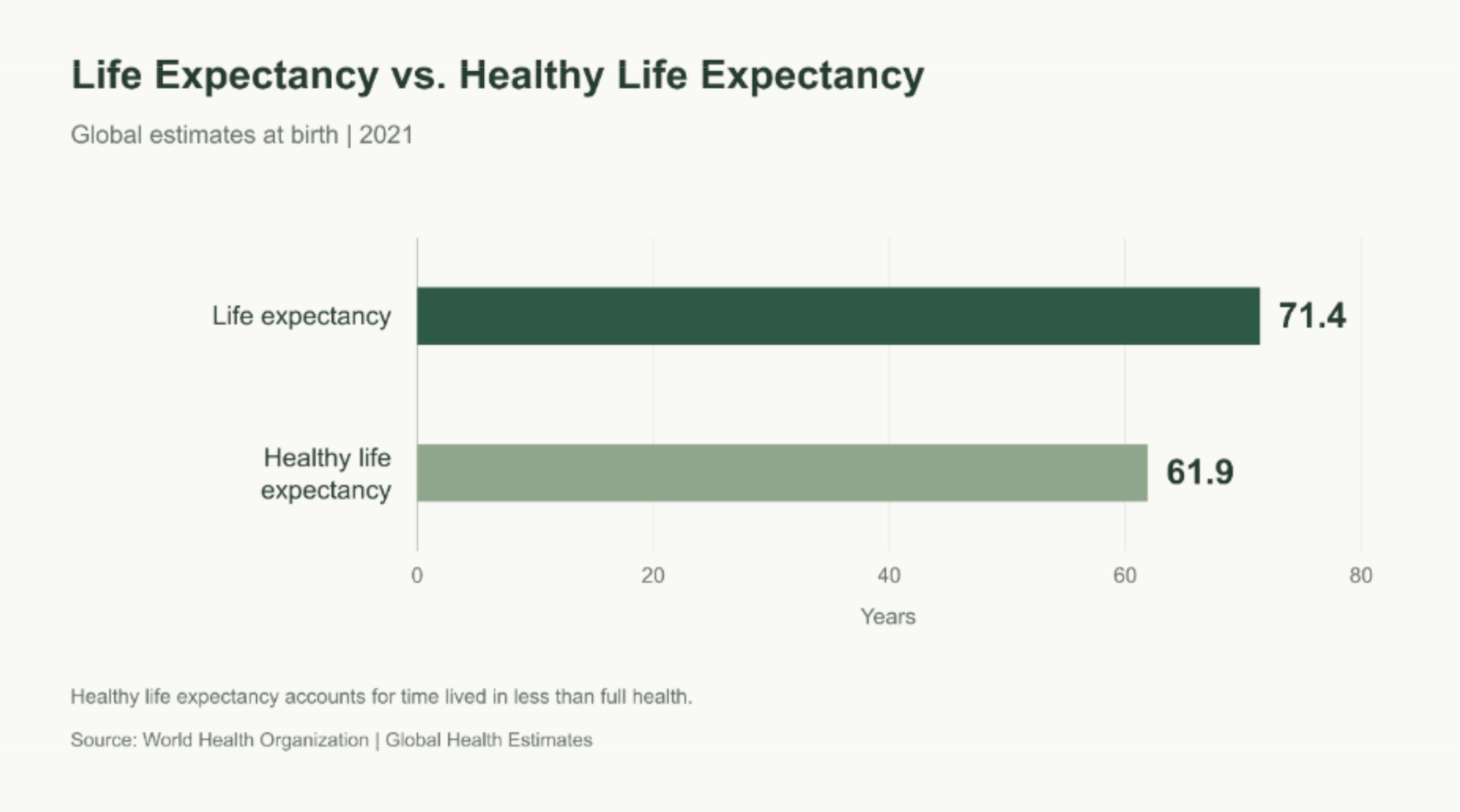
Global estimates for 2021 put life expectancy at 71.4 years and healthy life expectancy at 61.9 years. Healthy life expectancy adjusts for time lived in less than full health; the gap doesn’t mean everyone spends their final years unwell. Counting birthdays leaves much of the picture out.
Cellular research asks whether understanding the processes behind age-related decline could help preserve health for longer, as shared problems inside cells may contribute to difficulties across several organs.
Studying a common process lets researchers ask whether changing it could help more than one part of the body, which helps explain why cells now feature so heavily in the longevity conversation.
What Cellular Health Actually Means
The phrase sounds precise, but it covers several kinds of maintenance. Cells are responsible for a wide range of different processes, from producing energy to DNA damage repair and breaking down worn components. Different cells also have very different jobs. A muscle cell and an immune cell won’t tell you the same story about someone’s health.
In 2023, a large review of research listed 12 related hallmarks of aging, including alterations in how cells make energy and the body’s ability to repair some types of tissue.
This complexity matters when you see a product described as supporting cellular health. A specific answer as to which cells and what function it supports is a lot more informative than a sweeping promise to rejuvenate everything.
What Exercise Reveals About Cells
Exercise gives cellular research something tangible to examine, since researchers can take muscle samples before and after training and measure what has changed. That helps connect advice you’ve heard for years with changes happening inside the tissue.
In a small study, previously sedentary, otherwise healthy adults aged 65–80 completed a 12-week program involving interval cycling and treadmill walking. The older interval-training group showed a 69% increase in the muscle mitochondria’s maximum capacity to use oxygen, measured in samples of muscle tissue.
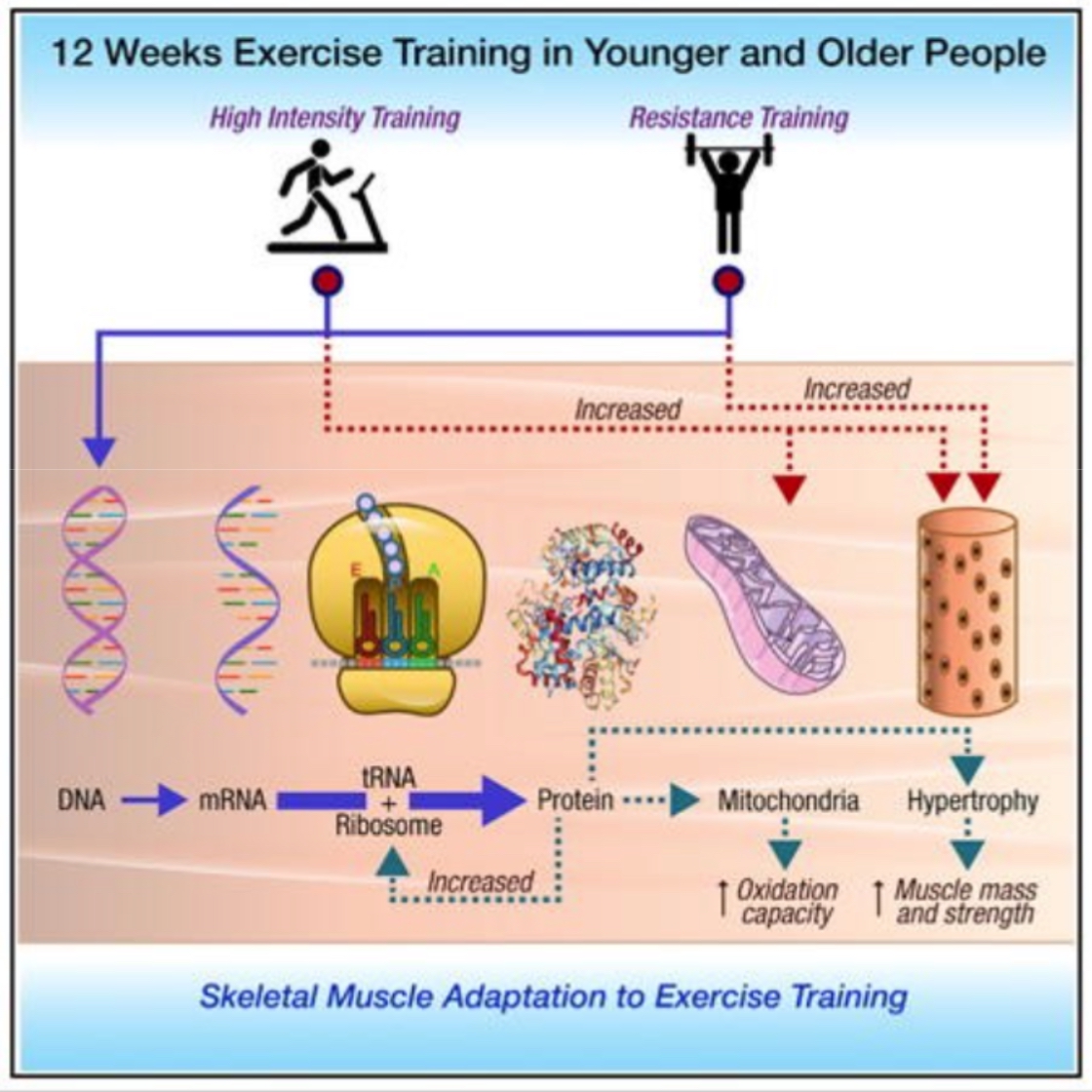
This doesn’t exactly mean that participants had that much more energy throughout the day, or that exercise had reversed their overall aging, but it shows that older muscle can still respond to training at a cellular level, and that’s an encouraging finding.
Adaptation remains possible later in life and being older doesn’t make the effort pointless.
Where Beauty and Longevity Overlap
Skin is often where people first encounter talk about cellular repair and energy, and it’s easy to make a connection between skincare and longevity. A smoother-looking face, though, tells you very little about the condition of your heart or muscles.
Consider red light therapy. When assessing claims about a device, keep the proposed benefit specific: improvement in a skin concern is a different outcome from slower aging throughout the body. The settings and treatment schedule used in a study also matter when comparing it with something sold for home use.
There’s room to care about how your skin looks without turning every beauty purchase into a longevity decision.
What This Means for Your Day-to-Day
Cellular health can become exhausting if you treat every meal or late night as a test you’re failing. Bodies don’t work that neatly, with genetics, existing illness, working conditions, and access to care all influencing how people age.
Often, the best approach is finding an activity you enjoy enough to repeat, making room for sleep, or keeping easy, nourishing food available when work runs late. Note that none of these require you to monitor your cells.
When something new catches your attention, think of these few questions to keep the decision grounded:
- What exact benefit am I hoping for?
- Was it tested in people whose health resembles mine?
- What are the possible harms and ongoing commitments?
- Would this take time or money away from the care I already need?
Those questions apply equally to a supplement or a device as they do for a medical procedure. A clear explanation needs to still make sense after the impressive terminology is removed.
Written by Nada Petrovic (nada@realthingmarketing.com)