
Fourteen minutes. That is the difference between the fastest and slowest drive to a dispensary from my old apartment in Chicago, and it decided where I shopped for two years. Not the menu. Not the brands. The parking.
Here is the thing most shopping guides skip: Illinois runs on two very different dispensary experiences, and they don’t split cleanly by product or price. They split by where you live and when you drive. Once you understand that geography, choosing a store stops being a guessing game and starts being a logistics problem you can actually solve.
You’ll walk away knowing which setup fits your week, what to check before you leave the house, and why so many people end up loyal to a store forty minutes from home. Plenty of shoppers find their match among the cannabis dispensaries in Illinois by mapping the commute first and the menu second.

Why the Suburb Store and the City Store Feel Like Different Businesses
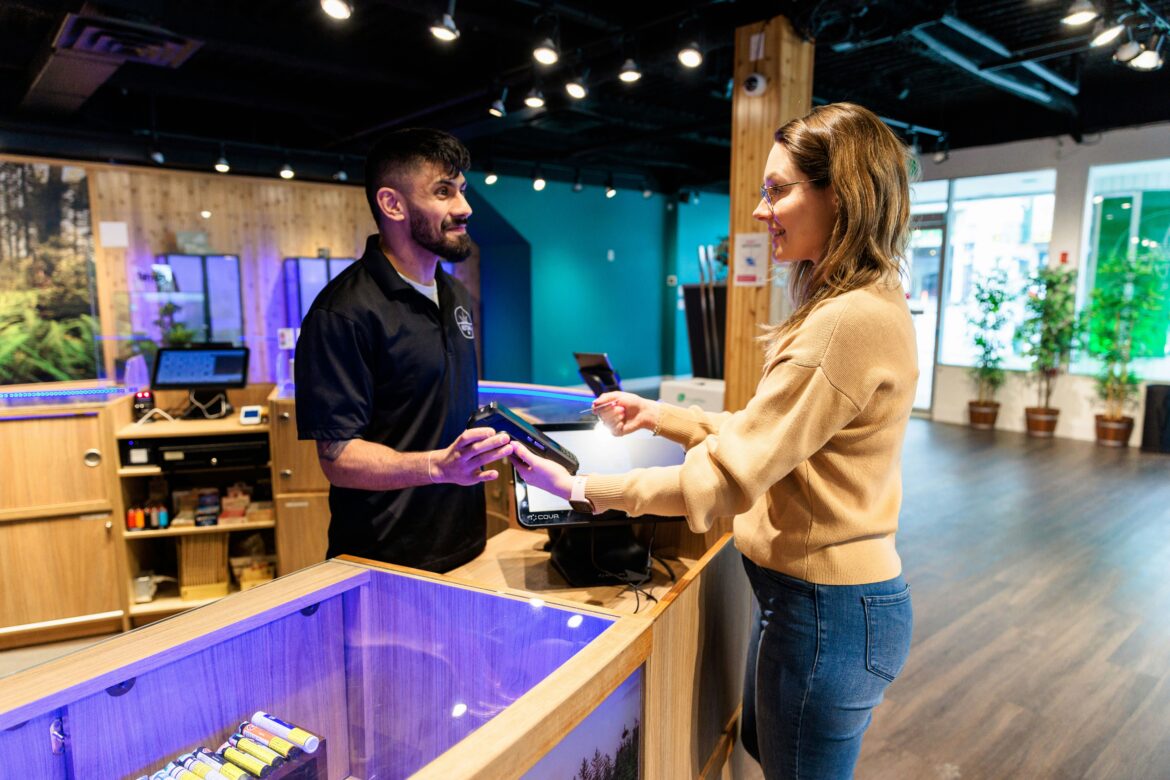
Walk into a downtown Chicago shop on a Friday at 5:30 and you’ll see a line, a small lobby, and staff moving fast. Walk into a suburban store off a highway exit at the same moment and you’ll see empty parking spaces and a waiting area with actual chairs.
Same state. Same licensing framework. Completely different customer flow.
The suburban model leans on drive-up convenience and broad hours. The city model leans on foot traffic and density. If you’re coming from Oak Park or Berwyn, the suburban drive often beats fighting for street parking near the West Loop, even with the extra miles. If you’re carless in Rogers Park, that math flips entirely.
My take: unless you live within walking distance of a city counter, pick the suburban store every time. The stress difference is real and it doesn’t show up on any menu.
What Illinois Law Actually Requires You to Know
Illinois regulates adult use and medical use under separate rules, and the framework comes from the state legislature itself. According to the Illinois General Assembly, cannabis is legal for adults twenty one and older for recreational purposes, with possession limits that vary depending on whether you hold a medical card. That distinction matters at the counter, because medical patients and recreational customers sometimes see different menus, different tax treatment, and different purchase caps.
You’ll want your government issued ID ready no matter which store you choose. Both the city and suburban locations check it at the door, and a paper temporary isn’t always accepted.
Consumption rules are the part people forget. You can buy in the city and drive home to the suburbs, but you can’t use it in your car, in public, or in most rental units without checking your lease first. The purchase is legal. The location isn’t always.
Do Suburban Dispensaries Really Have Better Hours?
 Often, yes. Look at store listings across the state and a pattern shows up. Suburban locations frequently run from eight in the morning until ten at night, seven days a week, because their customer base is driving in from a wide radius and needs the flexibility. City shops vary more, especially around downtown where foot traffic peaks midday and late evening.
That matters if you work second shift or have a Saturday that only frees up at 8 p.m. A store open until ten gives you a real window. A store that closes at eight gives you a sprint.
Check the closing time before you commit to a drive. I’ve made the mistake of assuming a store was open late because the website said “evening hours” and then eaten a forty minute round trip for nothing. Learn from me.
The Trip Planner You Can Copy
Here’s the four step routine I use now, and it works whether you’re in Aurora, Evanston, or the West Loop.
- Map the drive at the hour you’d actually go. A route that takes eighteen minutes on Tuesday morning can take fifty on Friday at rush.
- Check the store’s posted hours on the day you plan to visit. Weekend hours differ from weekday hours at many locations.
- Confirm your ID and payment method. Illinois shops have moved toward card and digital payment, but not every store handles every method the same.
- Bring a lockable container for the drive home. Illinois law expects purchased cannabis to stay sealed and out of reach during transport, and the National Highway Traffic Safety Administration is blunt about impairment and driving regardless of the product.
That last point isn’t legal advice, it’s common sense. A sealed bag in the trunk removes any question about what you’re doing with it on the road.
A Scenario That Explains the Whole Divide
 Picture two friends planning the same errand on a Saturday morning. One lives in Naperville, the other in Chicago near the lakefront.
The Naperville friend checks a nearby suburban store, sees it opens at eight, and is back home with coffee by nine fifteen. No parking meter, no line, no walk in the cold.
The lakefront friend has to decide between a short walk to a city counter or a drive to the suburbs. If the walk is ten minutes, that’s the winning move. If it’s thirty five minutes and the store opens at ten, the suburban drive starts looking smarter despite the mileage.
The lesson: there’s no universal best store. There’s a best store for your address, your car, and your clock.
Price, Selection, and the Myth That City Stores Win
People assume city shops carry more brands. Sometimes true, often not. Suburban locations have the square footage for bigger inventories and often stock the full state lineup because they serve a wider region. City stores compensate with tighter curation, and I’ve found better staff recommendations downtown because turnover is lower.
On price, the state tax structure applies across the board, and according to the Bureau of Labor Statistics, consumer spending patterns shift with income geography, which plays out in what each store emphasizes. A suburban shop might push bulk flower. A city shop might push single serving edibles for people on foot. Neither is wrong. It’s just supply meeting local habits.
If selection is your priority, call ahead and ask whether a specific brand is in stock. Most stores will check without making you drive out first.
Building a Routine That Sticks
Once you’ve picked a store, treat it like your grocery run. Same day, same window, same route. The value of a routine isn’t loyalty points. It’s predictability. You learn when the lot fills up, which door the line forms at, and whether the Tuesday staff member remembers your order.
And if you move, or if a short term job takes you across the metro, you’re not starting over. You already know what to check: hours, drive time, ID, sealed transport. That checklist travels with you, whether the counter is in Lombard or Wicker Park.
The suburb versus city divide isn’t a knock on either setup. It’s a reminder that where you buy matters as much as what you buy. Map it, time it, and let the commute make the call. So which one wins for your next trip, the highway exit or the walk around the corner?
Written by Marie Colvin (mariecolvin21@gmail.com)