

Air pollution can affect your complexion long before you see obvious irritation. Fine particles settle on exposed skin, while gases and indoor contaminants can trigger oxidative stress that weakens the skin barrier. The result may look like dryness, redness, uneven tone or increased sensitivity.
A thoughtful skin care routine helps, but your surroundings deserve equal attention. Reducing airborne irritants and supporting the skin’s natural lipids can limit daily damage, especially if you live near heavy traffic, experience seasonal smoke or spend long hours in heated and air-conditioned rooms.

The Science of Particulate Aging
Particulate matter includes tiny airborne solids and droplets produced by traffic, construction, smoke and industrial activity. Some particles are small enough to collect in pores and interact with the oils on your skin. Exposure to air pollution can affect skin health by contributing to inflammation, oxidative stress and visible signs of premature aging.
Oxidative stress occurs when unstable molecules overwhelm the skin’s antioxidant defenses. This process can affect collagen and lipids, including the ceramides that help hold barrier cells together. Research into pollutant-induced skin barrier damage also links pollution exposure with increased water loss.
Cleanse exposed skin gently at night, particularly after commuting or exercising outdoors. Scrubbing harder can aggravate an already stressed barrier, so use lukewarm water and a mild, fragrance-free cleanser.
Why Indoor Air Harms Sensitive Skin
Indoor air can contain outdoor particles that enter through windows as well as dust, pollen, cooking residue, pet dander and volatile compounds from household products. Low humidity adds another problem. During winter, heated bedrooms may fall below a comfortable humidity range and pull moisture from the skin overnight.
Sensitive skin often reacts when several factors overlap. For example, an evening spent cooking with poor ventilation followed by eight hours beside a heating vent may leave your face tight and flushed by morning.
Dry indoor air can be especially challenging for skin that already struggles to hold moisture. A skincare routine for a dry, cold climate often relies on gentle exfoliation, richer moisturizers and barrier-supporting ingredients such as ceramides to reduce dryness and irritation.
Ventilate when outdoor conditions permit and run kitchen or bathroom exhaust fans during moisture-producing activities.
Purify Your Bedroom Environment
Start with the bedroom because your skin spends several uninterrupted hours there each night. Place an air purifier where furniture and curtains won’t block its intake or clean-air outlet. Keep it a short distance from walls and avoid hiding it behind a nightstand.
If you’re already planning to improve overnight air quality, Black Friday air purifier deals can make it easier to compare models by room coverage, filtration type and ongoing filter costs.
Close windows during poor outdoor air quality and change bedding weekly if pollen or dust triggers irritation. Wash pillowcases with a fragrance-free detergent since residue from strongly scented products can bother reactive skin. Vacuum rugs and upholstered headboards regularly with a machine that traps fine dust instead of sending it back into the room.
Humidity also matters. A basic hygrometer can show if the room is excessively dry or damp. Aim for a moderate level, often around 30% to 50%, and clean any humidifier frequently to prevent microbial growth.
Topical Defenses That Seal Moisture
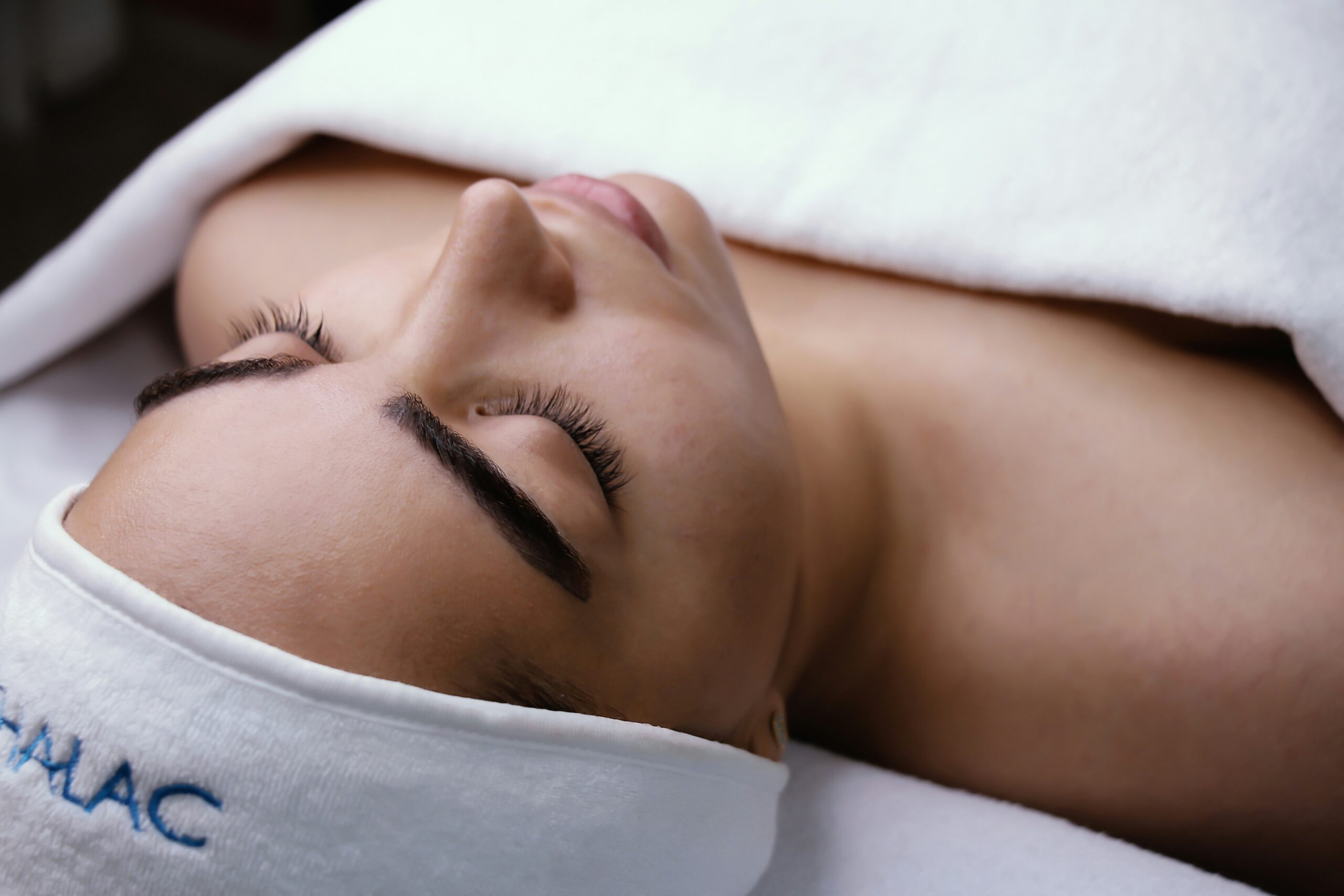 Apply moisturizer while your skin is still slightly damp after cleansing. Look for humectants such as glycerin or hyaluronic acid, which attract water, alongside ceramides, fatty acids or cholesterol that support the barrier. An occlusive ingredient such as petrolatum can help dry patches retain moisture overnight.
Keep the routine simple during a flare. Pause strong exfoliating acids, scrubs and retinoids until burning or peeling settles, then reintroduce active products one at a time. In the morning, use broad-spectrum sunscreen because ultraviolet exposure and airborne pollution can place overlapping stress on skin.
Persistent itching, swelling, cracking or a rash that doesn’t improve may require a dermatologist’s assessment. For everyday dryness, however, a clean pillowcase, filtered bedroom air and a ceramide-rich night cream create a practical defense while you sleep.