

Hormone levels in your 30s and 40s change more than most people expect. Ovulation becomes less predictable, cycles shift by a few days, and symptoms such as poor sleep, irritability, or heavier bleeding can appear years before menopause. A hormone panel can clarify some of these changes. It cannot clarify all of them, and knowing the difference keeps you from paying for tests that will not alter your care.

Which Markers a Standard Panel Includes
A panel is a set of blood tests chosen to answer a specific question, not a single measurement. The usual components are follicle-stimulating hormone (FSH), estradiol, progesterone, anti-Müllerian hormone (AMH), thyroid-stimulating hormone (TSH), and prolactin. Some panels add testosterone or DHEA-S when acne, excess hair growth, or irregular cycles point toward an androgen disorder.
Each marker covers a different system, which is why the combination matters more than any one value.
FSH
FSH is released by the pituitary gland to prompt follicle growth. As the ovaries respond less efficiently, the pituitary raises its output to compensate, so FSH tends to climb over time.
The value is only meaningful when drawn at the right point in the cycle, typically between days two and five of bleeding. Even then, a single reading can mislead, because FSH can look normal one month and elevated the next. Guidance from menopause societies advises against relying on one result. When symptoms begin before 45, a repeat test at least four weeks later is the more dependable approach. A persistently raised level supports the picture of ovarian decline, while an isolated high number does not confirm it.
Estradiol and Progesterone
Estradiol is the main estrogen produced by the ovaries. In perimenopause, it does not simply decline. It often swings between unusually high and low, which explains why one woman reports breast tenderness and heavy periods while another reports hot flashes in the same year. A single estradiol value therefore tells you very little about the broader trend.
Progesterone is more useful as proof of ovulation. It rises after an egg is released, so the test is usually taken about seven days before your expected period. A low result at that point suggests that you did not ovulate in that cycle. Because cycle length varies, the draw date has to be calculated from your own pattern, not from a standard 28-day assumption.

AMH
AMH is produced by small follicles and reflects the size of your remaining egg pool. Unlike FSH, it can be drawn on any day of the cycle, which makes it convenient. It generally decreases with age, and values below roughly 1.0 ng/mL are common by the mid-40s.
Its limits deserve equal attention. AMH was developed to estimate ovarian reserve, not to diagnose perimenopause or predict the age at which your periods will stop, and current guidance does not support using it for either purpose. It also says little about egg quality. Conditions such as polycystic ovary syndrome can push the value upward, while hormonal contraception can lower it modestly.
Thyroid and Prolactin
Thyroid disease is common in women in this age group, and its symptoms overlap heavily with those of hormonal transition: fatigue, weight change, palpitations, mood shifts, and irregular bleeding. A TSH test separates a thyroid problem from an ovarian one, and treating the wrong condition costs months.
Prolactin is included for a narrower reason. Elevated levels can interrupt ovulation and cause missed periods or milk discharge unrelated to pregnancy. Stress, certain medications, and benign pituitary growths can all raise it. A pregnancy test should always come first when a period is late, since it is the simplest explanation and changes how every other result is read.
Which Hormone Tests Can You Skip?
Saliva and dried-urine hormone kits sold online are not validated for diagnosing menopause or guiding hormone therapy, and their results do not correlate reliably with blood measurements. If a test plan includes them, question it.
Routine testing is also unnecessary if you are 45 or older with typical symptoms and changing cycles. In that situation, clinicians diagnose perimenopause from your history. Testing earns its place when you are under 45, when your symptoms are unusual, when you have had a hysterectomy or endometrial ablation, or when another condition needs to be excluded.
How Should You Prepare for a Hormone Blood Test?
Small details can change a result. Record the first day of your last period so the laboratory or clinician can interpret cycle-dependent markers correctly. Tell the clinician about every medication and supplement you take. High-dose biotin, found in many hair and nail products, can distort several immunoassays, including those for thyroid hormones and estradiol, and laboratories commonly ask you to pause it for a few days beforehand.
Hormonal contraception deserves a separate note. Combined pills, patches, and rings suppress natural hormone production, so FSH and estradiol drawn during use do not reflect your ovaries’ own activity. If your question concerns ovarian function, discuss timing and interpretation with your clinician before changing any method.
When Pregnancy Is Part of the Picture
If you are planning a pregnancy, a different set of questions applies. Fertility declines gradually from the early 30s and more steeply after 37, and the usual recommendation is to seek evaluation after six months of trying once you are over 35, or after twelve months if you are younger. At that stage, hormone and fertility testing can establish whether you are ovulating, how your ovarian reserve compares with the typical range for your age, and whether a thyroid or prolactin problem is interfering. Egg freezing decisions often begin with an AMH and an antral follicle count by ultrasound, which together give a more complete estimate than either alone.
Remember that a favorable result does not guarantee conception, and a low one does not rule it out. The figures guide timing and treatment options, nothing more.
How Should You Interpret Your Hormone Panel Results?
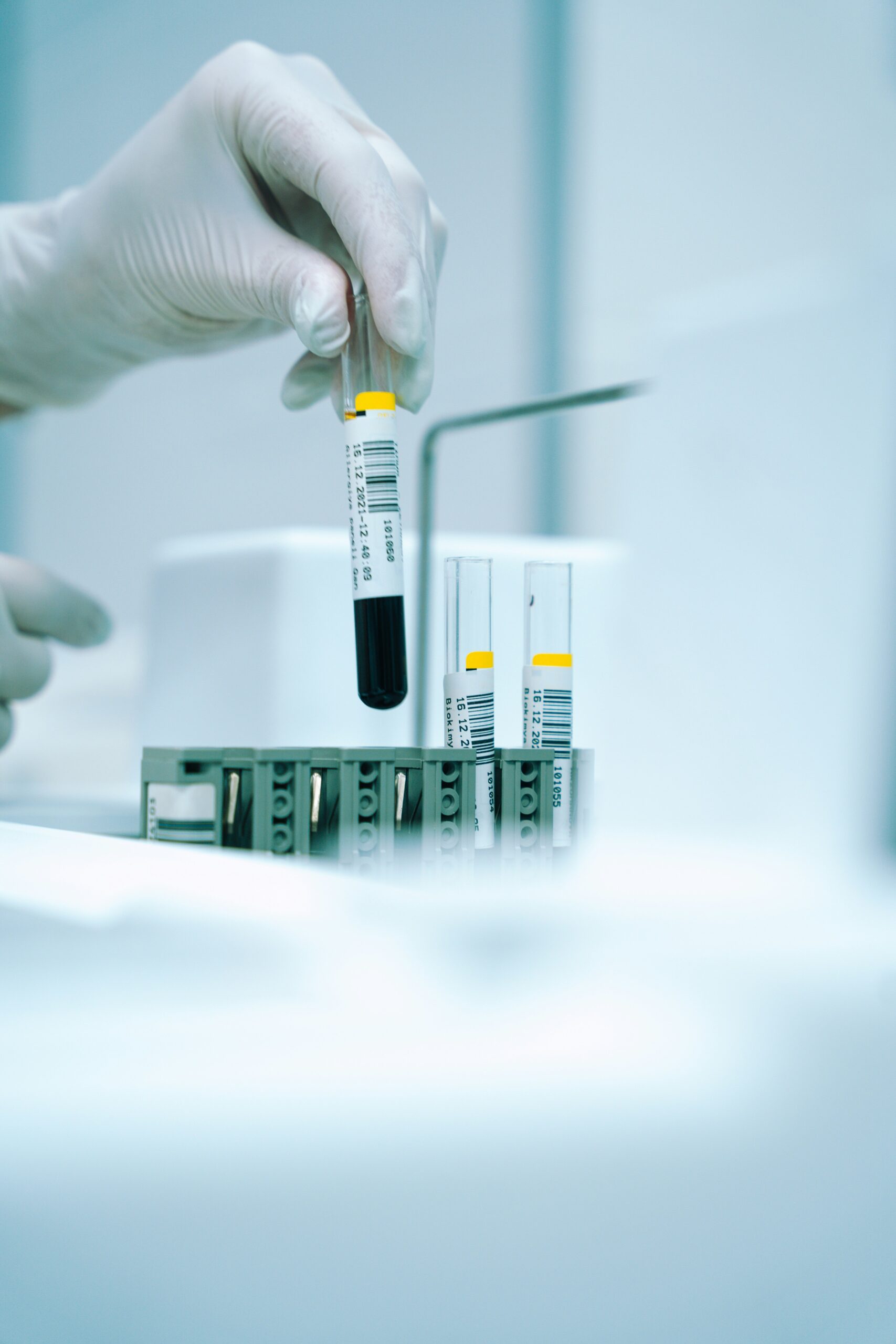 Reference ranges differ between laboratories, so compare your values only with the range printed on your own report. Ask the person reviewing your results which decision each number is meant to inform. If the answer is unclear, the test may not be necessary.
Look at patterns across more than one cycle whenever possible. A symptom diary kept for two or three months, noting bleeding, sleep, mood, and hot flashes, often explains more than a single blood draw and gives your clinician something concrete to work from.
Seek prompt evaluation for bleeding between periods, bleeding after sex, periods that are suddenly much heavier, or any bleeding after 12 months without a period. These are not hormonal curiosities and should not wait for a panel.
Putting the Panel in Perspective
A hormone panel is most valuable when it answers a precise question: whether you are ovulating, whether a thyroid disorder explains your symptoms, or how your reserve stands before a fertility decision. It is least valuable as a general check on whether your hormones are “balanced,” a phrase with no clinical definition.
If your results lead to a conversation about contraception, whether to control heavy bleeding, regulate cycles, or prevent pregnancy while your cycles are irregular, a clinician can review your options and prescribe a suitable method. Many women now arrange this through birth control online consultations, which can be a practical route when your schedule is full. Bring your lab report, your cycle record, and a list of the symptoms that concern you most.
As hormone results raise questions about symptoms, fertility, or treatment options, August offers access to personalised health guidance and clinician-led care, helping you decide what to discuss next.
Written by media@blogmanagement.io