Introduction
Poor circulation can have serious repercussions for overall health, specifically muscle function. When blood flow becomes restricted, muscles don’t receive enough oxygen and nutrients resulting in fatigue, discomfort and stiffness – an increasingly prevalent problem among individuals who have conditions like peripheral Artery Disease or lead sedentary lifestyles.
Muscle tightness is one of the hallmarks of poor circulation, often leading to limited mobility, decreased performance, and ongoing discomfort. Therapists play an essential role in diagnosing these circulation-related issues and providing effective treatments designed to promote blood flow and enhance muscle function.
Understanding Poor Circulation
Poor circulation occurs when blood flow becomes restricted or reduced, preventing oxygen and nutrients from reaching all parts of the body. This condition can result from various causes, such as peripheral Artery Disease (PAD) which narrows arteries or leading a sedentary lifestyle that prevents regular physical movement.Both of these factors contribute to reduced blood flow and overall vascular health, as noted in articles on circulation issues.
Muscles can be particularly affected when circulation is compromised. Without sufficient oxygen and nutrition, muscles may become weak, fatigued or tight – research shows that reduced blood flow reduces muscle function making recovery and performance more challenging.
Common symptoms of poor circulation include cold or numb limbs, swelling, and general fatigue. These symptoms can also signal underlying conditions that require attention, according to trusted health resources. Early detection and intervention are essential to address circulation-related issues effectively.
How Poor Circulation Contributes to Muscle Tightness
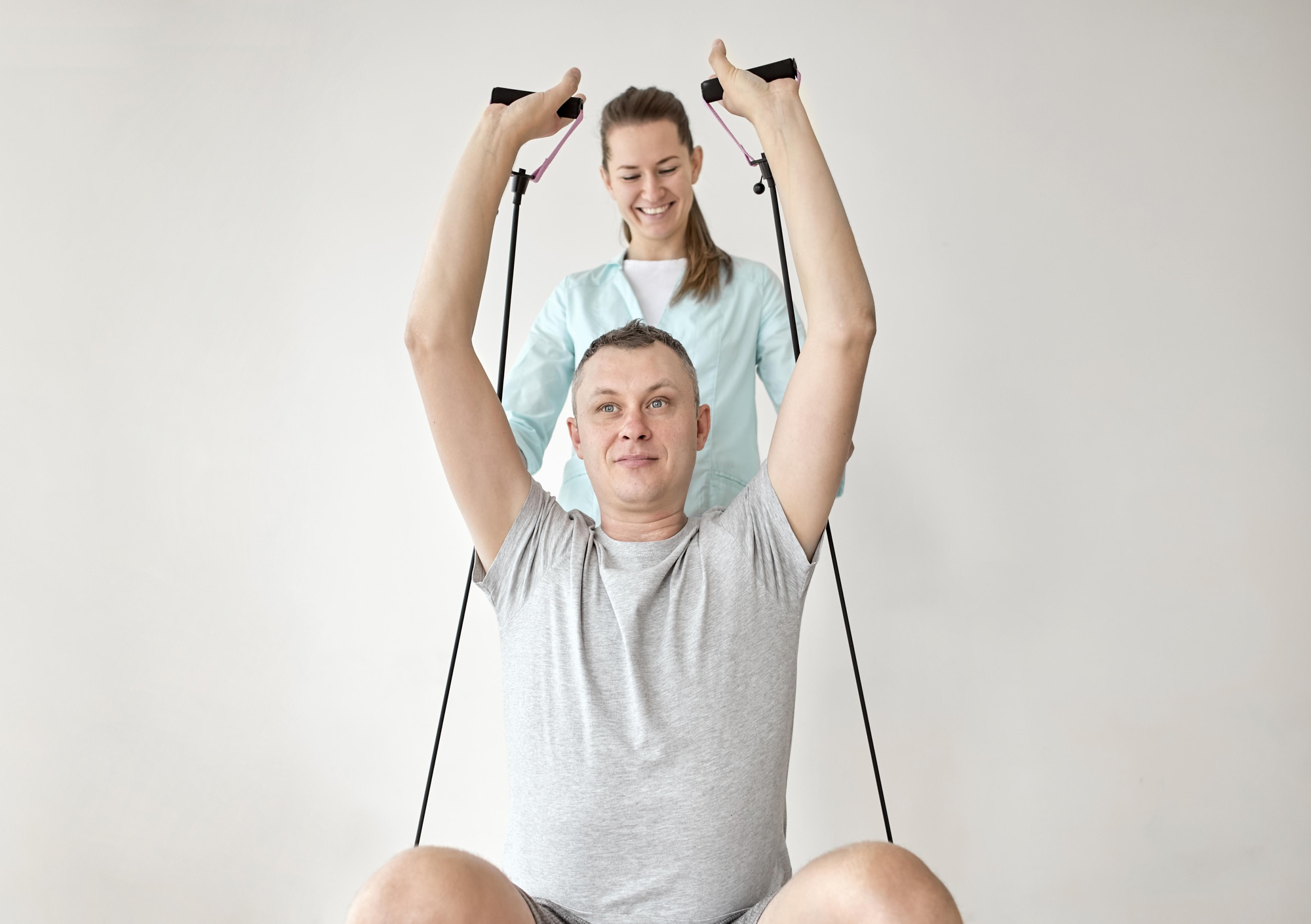
Reduced blood flow has an immediate impact on muscle function, leading to stiffness and discomfort in muscles. Poor circulation impedes oxygen and essential nutrients reaching muscles, forcing them to contract and tighten. As noted in resources on muscle health, this restricted flow can also lead to increased tension and difficulty in muscle relaxation.
Muscles that don’t receive sufficient oxygen may find their ability to generate energy inefficiently hampered, leading to cramps, stiffness and pain during or following physical activity. Articles on circulation-related issues explain that these symptoms occur because the body’s natural recovery processes are slowed, making it harder for muscles to repair themselves after strain.
Over time, poor circulation can become more severe. Chronic muscle tightness may limit physical activity and increase injury risks; chronic discomfort may contribute to postural imbalances and joint strain if left unaddressed for too long; early recognition and resolution of circulation problems is critical in order to avoid such complications and restore muscle function.
The Therapist’s Role in Identifying Circulation-Related Muscle Issues
Therapists play an invaluable role in diagnosing circulation problems that lead to muscle issues. Assessing blood flow during physical evaluations is key in pinpointing the root causes of persistent stiffness and fatigue in muscles, while poor circulation typically manifests itself with muscle tightness, swelling or discomfort after minimal exertion – so being aware of such warning signs can aid effective treatment plans.
Palpation and movement tests can be invaluable tools for physical therapists. Palpation allows therapists to detect areas with reduced tissue elasticity or swelling while movement tests assess range of motion and detect signs of muscle fatigue caused by inadequate blood flow. With these methods at their disposal, therapists are better able to develop personalized treatment plans that address both symptoms and underlying circulation issues.
For clients experiencing severe or persistent circulation problems, therapists can recommend specialized care. For instance, in Thornton, therapists might refer clients to the Thornton Varicose Vein Specialists. This clinic specializes in diagnosing and treating vein-related conditions, offering services such as radiofrequency ablation and micro foam sclerotherapy to improve blood flow and alleviate symptoms associated with poor circulation.
Therapeutic Strategies for Improving Circulation and Reducing Muscle Tightness

Improving circulation and relieving muscle tightness requires both effective therapeutic techniques and lifestyle adjustments. Manual therapy techniques such as massage and myofascial release may prove particularly effective at stimulating blood flow to affected areas, loosening tight muscles, and supporting lymphatic drainage. Research has shown that manual therapy improves tissue health and supports recovery read more on manual therapy.
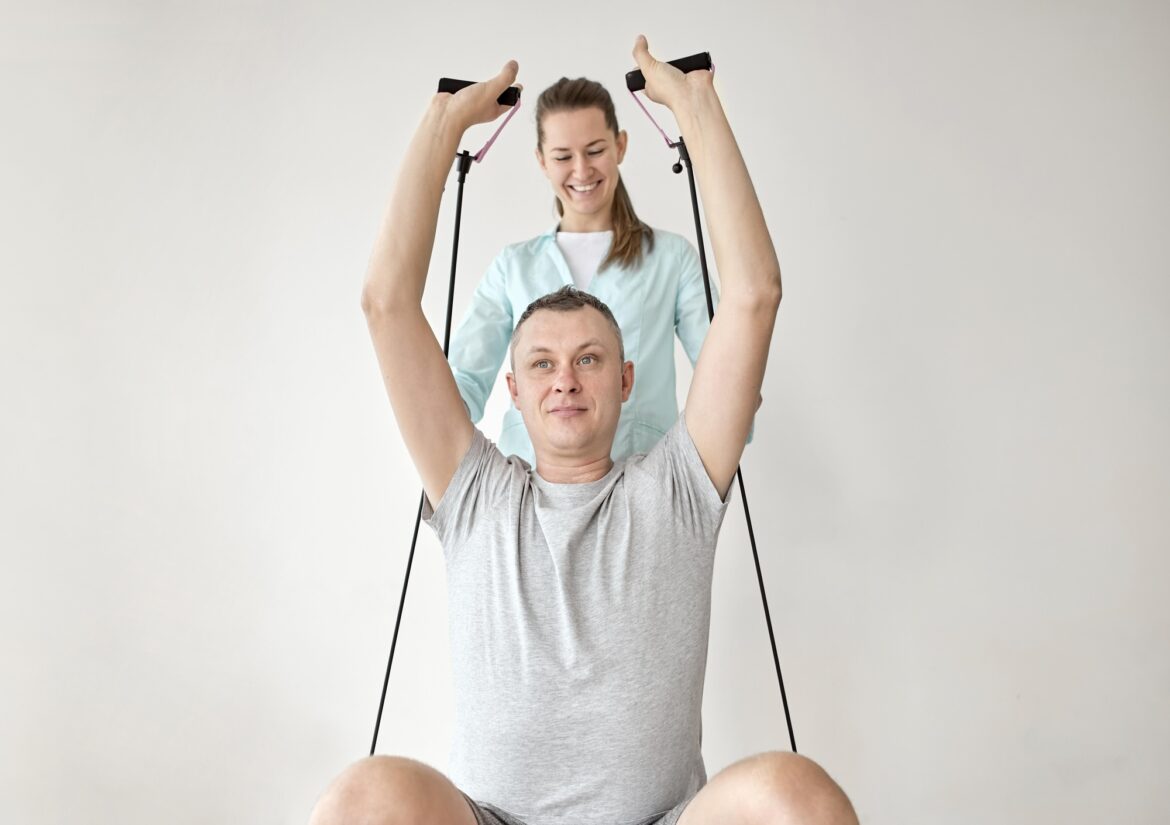
Exercise and stretching exercises also play an essential part in increasing circulation. Gentle calf raises and hamstring stretches can be particularly helpful to release tension and promote better blood flow, while low-impact activities like walking or yoga may improve muscle function and decrease stiffness.
Lifestyle changes are just as vital to improving vascular health. Staying hydrated supports healthy blood circulation while regularly engaging in mobility exercises helps combat stiffness from prolonged sitting or standing. Avoiding sedentary habits and maintaining an active routine are easy yet effective strategies for improving vascular wellbeing.
Implementing these strategies into regular treatment plans ensures better results for clients. A combination of manual therapy, exercise and healthy lifestyle practices can significantly increase circulation, reduce discomfort, and enhance muscle function – helping therapists help clients reap long-term benefits. Therapists should emphasize consistency to maximize long-term benefits.
Benefits of Addressing Circulation and Muscle Tightness Holistically
A holistic approach to improving circulation and relieving muscle tightness offers significant long-term advantages, both short-term relief and overall health improvements. By improving blood flow to muscles post exertion, increased recovery speeds reduce soreness and stiffness; providing enhanced comfort and function – particularly beneficial for clients suffering with persistent muscular tension issues.
Improved circulation also promotes overall energy levels and mobility, helping clients experience increased physical endurance, greater ease of movement and overall quality of life benefits. When muscles receive adequate oxygen and nutrients from bloodstream delivery systems, clients typically notice improved physical endurance as well as greater ease of mobility – these positive impacts positively affecting daily activities and quality of life overall.
Long-term benefits may include decreased risks for chronic conditions like vascular diseases or repetitive strain injuries. Addressing both circulation issues and muscle tightness leads to better therapy outcomes and higher client satisfaction rates. Holistic care, as supported by therapeutic practices like those mentioned in research on manual therapy, provides a comprehensive solution for sustained wellness.
Conclusion
Poor circulation and muscle tightness are intimately intertwined, with restricted blood flow often leading to stiffness, discomfort and reduced muscle function. Therapists play an essential role in helping clients address these issues by offering targeted treatments that improve circulation.
Therapists can address both symptoms and causes of muscle tightness by employing circulation-focused assessments, manual therapy techniques, lifestyle recommendations and appropriate referrals to specialists like vein clinics for advanced care. By taking this holistic approach to muscle health and mobility treatment outcomes are improved while long-term muscle health and mobility also increase.
Author’s Detail
Name:- Dorothy Price
Email Address:- dorothyprice196@gmail.com